· 8 min read
Can Dogs Eat Cheetos Crunchy? The Definitive Guide for Pet Parents
It’s a familiar scene: You’re curled up on the couch, snacking on a bag of Cheetos Crunchy—their bright orange hue, satisfying crunch, and cheesy flavor making them the ultimate guilty pleasure. Suddenly, you feel a wet nose nudge your hand, followed by those puppy-dog eyes that could melt even the toughest resolve. “Just one tiny piece,” you think. “What’s the harm?”
But before you toss that neon-orange crunch to your pup, let’s get real: Cheetos are a human junk food staple, but are they safe for dogs? In this post, we’ll dive into the question, “Can dogs eat Cheetos Crunchy?” We’ll break down the risks, (minimal) potential benefits, safer alternatives, and everything in between to help you keep your furry friend happy and healthy.
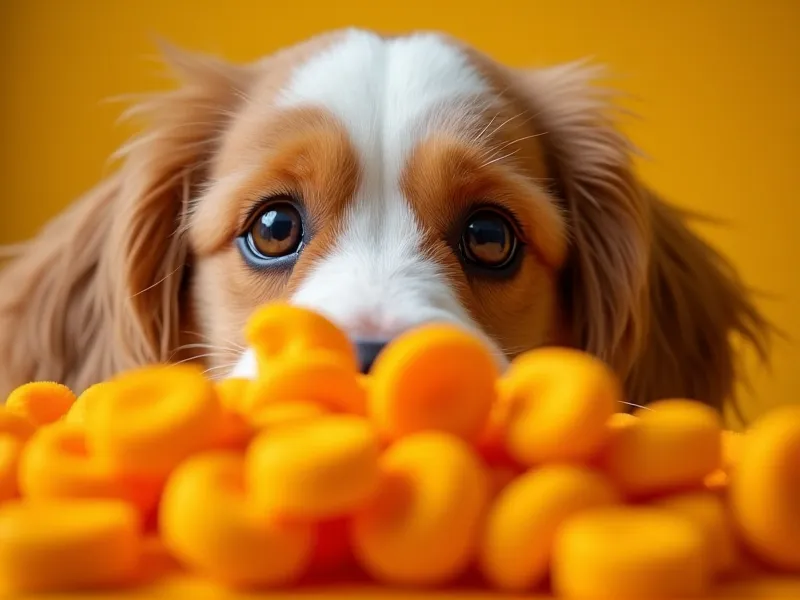
Table of Contents
- Can Dogs Eat Cheetos Crunchy? The Short Answer
- Potential “Benefits” of Cheetos for Dogs: Separating Fact from Fiction
- The Risks: Why Cheetos Crunchy Are a Bad Idea for Dogs
- How Much Cheetos Crunchy Is “Safe” for Dogs?
- Healthier Alternatives to Cheetos for Your Pup
- FAQ: Your Cheetos and Dogs Questions Answered
- Conclusion: Keep the Cheetos, Spoil Your Dog Elsewhere
Can Dogs Eat Cheetos Crunchy? The Short Answer
No, dogs should not eat Cheetos Crunchy.
Let’s start with the basics: Cheetos Crunchy aren’t toxic to dogs (thankfully), but they’re far from a healthy snack. These cheesy puffs are loaded with salt, sugar, artificial flavors, preservatives, and unhealthy fats—ingredients that can harm your dog’s health over time, or even cause immediate issues in large amounts. Think of them as the canine equivalent of feeding your dog a candy bar: tasty (to them), but with zero nutritional value and plenty of risks.
Potential “Benefits” of Cheetos for Dogs: Separating Fact from Fiction
You might be wondering, “But don’t Cheetos have some nutrients?” After all, they’re made from cornmeal, right? Let’s set the record straight: Any “benefits” are negligible at best—and completely overshadowed by the downsides.
What Cheetos Do Contain (In Tiny Amounts):
- Carbohydrates: Cornmeal is the main ingredient, so Cheetos have carbs. But dogs don’t need empty carbs—they thrive on high-quality, digestible carbs from sources like sweet potatoes or brown rice, not processed cornmeal.
- Trace Fiber: A single serving of Cheetos has less than 1 gram of fiber. For reference, a medium carrot has about 2 grams of fiber and actual vitamins. Your dog would need to eat dozens of Cheetos to get any meaningful fiber—hardly worth the sodium overload.
- Minimal Potassium: Cheetos have a tiny amount of potassium (around 30mg per serving), but this is far less than what’s in a slice of banana (422mg) or a cup of spinach (839mg).
The Bottom Line:
There’s no nutritional reason to feed Cheetos to your dog. They’re “empty calories” that offer nothing your pup needs for energy, growth, or overall health.
The Risks: Why Cheetos Crunchy Are a Bad Idea for Dogs
Now, let’s get into the real concern: the risks of feeding Cheetos to your dog. Even small amounts can add up, and larger portions can lead to serious health issues. Here’s what you need to know:
1. Too Much Salt (Sodium) Can Cause Sodium Ion Poisoning
Cheetos are loaded with salt. A single 1-ounce serving (about 21 Cheetos) contains 250mg of sodium—that’s more than half the daily recommended sodium intake for a 33-pound dog (the average medium-sized dog needs just 200-300mg of sodium per day, according to the AKC).
For small dogs (like a 10-pound Chihuahua), the risk is even higher: Their daily sodium limit is around 100mg. Just 4 Cheetos would hit that limit—before accounting for sodium in their regular dog food.
Excess sodium can lead to:
- Dehydration
- Vomiting or diarrhea
- Lethargy or seizures
- In severe cases, sodium ion poisoning, which damages the kidneys and can be fatal.
2. Sugar: A Recipe for Obesity and Diabetes
Cheetos contain added sugar (or high-fructose corn syrup, depending on the flavor). While a single Cheeto has only a gram or two of sugar, those grams add up. Dogs have no biological need for added sugar, and a diet high in sugar can lead to:
- Obesity (a leading cause of joint pain, heart disease, and diabetes in dogs)
- Dental issues (cavities, gum disease)
- Increased risk of pancreatitis (more on that next).
3. High Fat Content Raises Pancreatitis Risk
Cheetos are also high in unhealthy fats: A 1-ounce serving has 10 grams of fat, including saturated fat. Dogs have sensitive pancreases, and a high-fat snack can trigger pancreatitis—a painful, potentially life-threatening condition where the pancreas becomes inflamed. Symptoms include vomiting, abdominal pain, and loss of appetite. Even a small handful of Cheetos could be dangerous for dogs prone to pancreatitis (like small breeds or overweight dogs).
4. Artificial Additives: Hidden Irritants
Cheetos are packed with artificial flavors, colors, and preservatives, like:
- Monosodium glutamate (MSG): A flavor enhancer that can cause headaches, nausea, or allergic reactions in some dogs.
- Artificial colors (Yellow 6, Red 40): These have been linked to hyperactivity and allergic reactions in pets (and humans!).
- Preservatives (BHT, BHA): These chemicals extend shelf life but may harm your dog’s liver or kidneys over time.
These additives can irritate your dog’s digestive system, leading to vomiting, diarrhea, or skin rashes.
5. Choking Hazard for Small Dogs
The crunchy, irregular shape of Cheetos makes them a choking risk, especially for small dogs, puppies, or dogs who gulp their food. A Cheeto could get stuck in your dog’s throat or cause a blockage in their digestive tract—requiring emergency vet care.
How Much Cheetos Crunchy Is “Safe” for Dogs?
The short answer: None.
Even a single Cheeto offers no nutritional benefit and exposes your dog to unnecessary risks. That said, accidents happen—if your dog sneaks a crumb off the floor, they’ll probably be fine. Monitor them for 24 hours for signs of stomach upset (vomiting, diarrhea) or lethargy.
If your dog eats a larger amount (like a handful or more), contact your vet immediately. Symptoms to watch for include:
- Excessive thirst or urination (signs of sodium overload)
- Vomiting or diarrhea
- Lethargy or weakness
- Tremors or seizures
When in doubt, always err on the side of caution and call your vet.
Healthier Alternatives to Cheetos for Your Pup
Instead of sharing Cheetos, treat your dog to snacks that are actually good for them. Here are some dog-safe alternatives that are crunchy, tasty, and packed with nutrients:
1. Carrot Sticks
Crunchy, low-calorie, and high in beta-carotene (which supports eye health). Dogs love the satisfying crunch, and carrots help clean their teeth!
2. Apple Slices (No Seeds!)
Sweet, crunchy, and full of fiber and vitamin C. Just be sure to remove the seeds (they contain small amounts of cyanide, which is toxic in large doses).
3. Plain Popcorn (No Butter or Salt)
Air-popped popcorn is a whole-grain snack that’s low in calories and high in fiber. Skip the butter, salt, and cheese—plain is best!
4. Cucumber Slices
Hydrating, low-calorie, and perfect for hot days. Cucumbers are high in vitamins K and C, and most dogs love their crisp texture.
5. Sweet Potato Chews
Bake thick slices of sweet potato in the oven until crispy for a chewy, nutrient-dense snack. Sweet potatoes are rich in fiber, vitamin A, and antioxidants.
6. Plain Rice Cakes
Light, crunchy, and low in sodium. Look for unsalted, unflavored rice cakes—they’re a great low-calorie alternative to Cheetos.
FAQ: Your Cheetos and Dogs Questions Answered
Q: My dog ate a whole bag of Cheetos! What should I do?
A: Call your vet immediately. A full bag has dangerous levels of sodium, fat, and sugar, which could cause pancreatitis, sodium poisoning, or digestive blockages. Be prepared to tell them your dog’s weight, how many Cheetos they ate, and when.
Q: Are Cheetos Puffs safer than Cheetos Crunchy?
A: No. Cheetos Puffs have similar ingredients (salt, sugar, artificial additives) and are just as unhealthy. They may be softer, but they still pose the same risks (plus, they’re easier to overeat!).
Q: Can puppies eat Cheetos?
A: Puppies have even more sensitive digestive systems and developing organs, so Cheetos are especially risky. Their bodies can’t handle excess salt, sugar, or fat, making them more prone to vomiting, diarrhea, or long-term health issues.
Q: Is there a “safe” flavor of Cheetos (like “low-sodium” or “baked”)?
A: No. Even “baked” Cheetos are still high in sodium and artificial additives. There’s no flavor or variety that makes Cheetos a good choice for dogs.
Q: What if my dog only ate one Cheeto? Should I worry?
A: Probably not—one Cheeto is unlikely to cause harm. But monitor them for 24 hours for signs of stomach upset (vomiting, diarrhea) or unusual behavior. If anything seems off, contact your vet.
Conclusion: Keep the Cheetos, Spoil Your Dog Elsewhere
At the end of the day, Cheetos Crunchy are a human snack—one best enjoyed without sharing with your pup. They offer no nutritional value and come with a long list of risks, from pancreatitis to sodium poisoning.
Instead of reaching for the Cheetos, spoil your dog with a healthy treat they’ll love: a carrot stick, a slice of apple, or a homemade sweet potato chew. Your dog’s body (and their future self) will thank you.
And remember: When it comes to your pet’s diet, when in doubt, always consult your vet. They can help you choose snacks that support your dog’s unique needs and keep them happy, healthy, and crunching on the good stuff.
References
- American Kennel Club (AKC). “Human Foods Dogs Can and Can’t Eat.” akc.org
- ASPCA. “Toxic and Non-Toxic Plants and Foods.” aspca.org
- PetMD. “Pancreatitis in Dogs: Symptoms, Causes, and Treatment.” petmd.com
- VCA Animal Hospitals. “Sodium Ion Toxicity in Dogs.” vcahospitals.com