· 8 min read
Can Dogs Eat Cheetos? The Surprising Truth Every Pet Parent Needs to Know
Picture this: You’re settled in for movie night, a bag of Cheetos in hand, when your dog trots over. Their tail wags furiously, nose twitching at the cheesy aroma, and those big, soulful eyes lock onto yours. “Just one little Cheeto won’t hurt, right?” you think. After all, they’re your snack buddy—why shouldn’t they join in?
But before you toss that crunchy, neon-orange bite, let’s get real: Cheetos are a human favorite, but are they safe for dogs? As pet parents, we want to spoil our pups, but their health always comes first. In this post, we’ll dive into whether Cheetos belong in your dog’s bowl, the risks they pose, and healthier alternatives that’ll make both you and your furry friend happy.
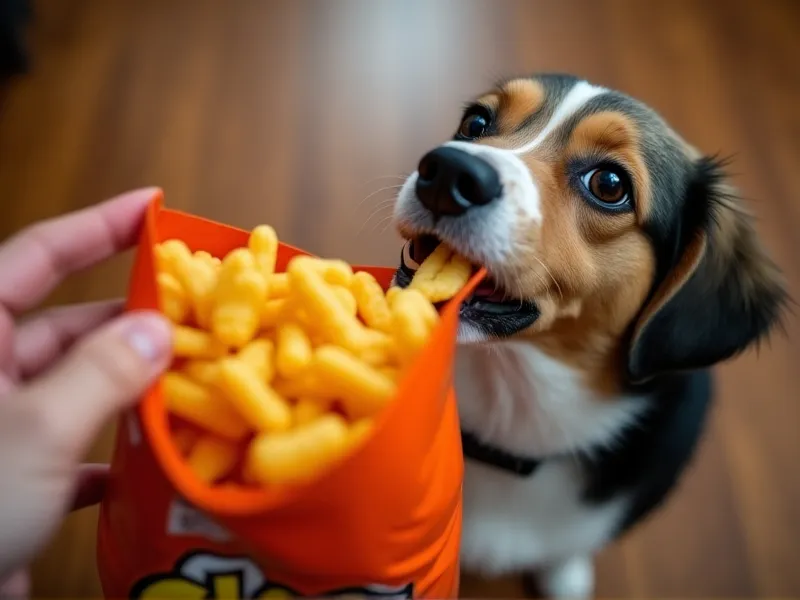
Table of Contents
- Can Dogs Eat Cheetos? The Short Answer
- Potential “Benefits” of Cheetos for Dogs: Separating Fact from Fiction
- The Risks of Feeding Cheetos to Dogs: Why They’re a Bad Idea
- How Much Cheetos Is Safe for Dogs? (If Any)
- Healthier Alternatives to Cheetos Your Dog Will Love
- FAQ: Your Cheetos and Dogs Questions Answered
- Conclusion: Prioritizing Your Dog’s Health Over the Crunch
Can Dogs Eat Cheetos? The Short Answer
No, dogs should not eat Cheetos.
Let’s cut to the chase: Cheetos are not toxic to dogs, but they’re far from a healthy snack. These bright orange puffs are loaded with salt, sugar, artificial flavors, and empty calories—ingredients that can harm your dog’s health, even in small amounts. While a single Cheeto won’t send your pup to the vet, making them a regular treat (or even an occasional “cheat”) could lead to serious issues down the line.
Potential “Benefits” of Cheetos for Dogs: Separating Fact from Fiction
You might think, “Cheetos are made from corn—isn’t that a whole grain?” It’s true: Cheetos start with cornmeal, a byproduct of corn. But any “benefits” here are tiny, and they’re massively overshadowed by the risks. Let’s break it down:
Trace Fiber (But Not Enough to Matter)
Cornmeal does contain a small amount of dietary fiber, which helps with digestion. But a single serving of Cheetos (about 28 grams) has less than 1 gram of fiber—hardly enough to make a difference for your dog. For context, a medium carrot has 2.8 grams of fiber and zero unhealthy additives. Your dog would need to eat dozens of Cheetos to get meaningful fiber, and by then, the damage from salt and sugar would be done.
Minimal Nutrients, Maximal Junk
Cheetos are also low in vitamins and minerals. They might have tiny amounts of potassium (from corn) or iron (from fortified cornmeal), but these are negligible compared to what your dog gets from a balanced diet of high-quality dog food. Think of it this way: Feeding Cheetos for “nutrients” is like eating a candy bar for vitamin C—technically true, but completely counterproductive.
The bottom line: There’s no nutritional benefit to feeding Cheetos to dogs. Any trace nutrients are overshadowed by the snack’s harmful ingredients.
The Risks of Feeding Cheetos to Dogs: Why They’re a Bad Idea
Now, let’s talk about the real problem with Cheetos: their long list of unhealthy additives and high levels of “empty” ingredients. Here’s how they can harm your dog:
1. High Sodium: A Hidden Danger
Cheetos are loaded with salt. A 1-ounce serving (about 21 Cheetos) contains 250 mg of sodium—that’s nearly 10% of the daily recommended sodium intake for a 33-pound dog (the average medium-sized dog needs just 200-300 mg of sodium per day).
Too much sodium can lead to sodium ion poisoning, a serious condition where your dog’s body struggles to regulate fluid balance. Symptoms include:
- Vomiting or diarrhea
- Excessive thirst or urination
- Lethargy or confusion
- Tremors or seizures (in severe cases)
Small dogs are especially at risk: A Chihuahua (5-6 pounds) only needs ~100 mg of sodium daily. Just 5 Cheetos could push them over the edge.
2. Added Sugars: A Recipe for Obesity
Most Cheetos (even “original” flavors) contain added sugar. While it’s not as much as a candy bar, a serving has about 1 gram of sugar—and sugar adds up. Dogs don’t need sugar in their diet, and excess sugar leads to:
- Weight gain and obesity
- Increased risk of diabetes
- Dental issues (cavities and gum disease)
Obesity alone shortens a dog’s lifespan by 2-3 years, according to the Association for Pet Obesity Prevention (APOP). Is a single Cheeto worth that risk?
3. Artificial Flavors and Preservatives: Hidden Toxins
Cheetos get their signature “cheesy” flavor from artificial additives like monosodium glutamate (MSG), artificial colors (like Yellow 6), and preservatives (like BHT). While the FDA deems these safe for humans, dogs process chemicals differently, and some may react badly:
- MSG: Can cause headaches, nausea, or allergic reactions in sensitive dogs.
- Artificial colors: Linked to hyperactivity, skin rashes, or digestive upset.
- BHT: A preservative that may increase cancer risk in long-term studies (though research is ongoing).
Even if your dog doesn’t react immediately, these additives can build up over time, leading to chronic health issues.
4. Choking Hazard: Crunchy and Small
Cheetos are light, airy, and crunchy—perfect for crumbling into small pieces. For small dogs or puppies, those tiny, hard bits can get stuck in their throat, causing choking. Even larger dogs may gulp them down without chewing, increasing the risk of blockages in the digestive tract.
5. Pancreatitis Risk: A Painful Condition
Cheetos are high in fat (about 10 grams per serving, thanks to oil and “cheese” flavoring). Fatty foods trigger the pancreas to produce digestive enzymes, and too much fat can cause the pancreas to become inflamed—a condition called pancreatitis.
Pancreatitis is excruciating for dogs and can be life-threatening. Symptoms include severe abdominal pain, vomiting, diarrhea, and lethargy. Treatment often requires hospitalization, and recurrence is common if the diet isn’t adjusted.
How Much Cheetos Is Safe for Dogs? (If Any)
The honest answer? None.
Even a single Cheeto offers no nutritional value and exposes your dog to unnecessary risks. However, accidents happen: If your dog snags a crumb or one Cheeto off the floor, they’ll likely be fine. Monitor them for 24 hours for signs of stomach upset (vomiting, diarrhea, or lethargy), but panic isn’t necessary.
If your dog eats a whole bag (or even half), though, it’s time to act. Contact your vet immediately—especially if they’re small, elderly, or have preexisting conditions like kidney disease or diabetes. The high sodium and fat could trigger pancreatitis or sodium toxicity, which require prompt treatment.
Healthier Alternatives to Cheetos
Just because Cheetos are off the table doesn’t mean your dog can’t enjoy a crunchy, tasty treat! Here are 5 dog-safe alternatives that are actually good for them:
1. Carrot Sticks
Why it works: Crunchy, low-calorie, and packed with fiber and vitamin A (great for eye health). Carrots also help clean your dog’s teeth as they chew—nature’s toothbrush!
2. Cucumber Slices
Why it works: Hydrating, low in calories, and full of vitamins K and C. Cucumber is gentle on sensitive tummies and perfect for hot days.
3. Apple Slices (No Seeds!)
Why it works: Sweet, crunchy, and rich in fiber and antioxidants. Just remove the seeds (they contain tiny amounts of cyanide) and core first.
4. Plain Popcorn (Air-Popped, No Butter/Salt)
Why it works: Light, crunchy, and high in fiber. Skip the butter, salt, and flavorings—plain popcorn is a fun, low-calorie snack for dogs.
5. Sweet Potato Chews
Why it works: Baked sweet potato slices are chewy, naturally sweet, and loaded with vitamins A, C, and B6. They’re also a great source of fiber to support digestion.
Pro tip: Always introduce new treats slowly and in small amounts to avoid stomach upset. And check with your vet before adding anything new to your dog’s diet, especially if they have allergies or health issues.
FAQ: Your Cheetos and Dogs Questions Answered
Q: My dog ate a Cheeto—should I panic?
A: Take a deep breath! One Cheeto is unlikely to harm most dogs. Monitor them for 24 hours for vomiting, diarrhea, or lethargy. If they show any symptoms, call your vet.
Q: Are Cheetos Puffs safer than Crunchy Cheetos?
A: No. Both Puffs and Crunchy Cheetos have similar levels of salt, sugar, and artificial ingredients. Puffs may be slightly less of a choking hazard, but they’re still unhealthy.
Q: Can dogs eat “baked” Cheetos?
A: Baked Cheetos have less fat than regular ones, but they’re still high in sodium, sugar, and artificial additives. They’re a “less bad” option, but not a good one.
Q: What if my dog begs for Cheetos nonstop?
A: Redirect their attention with a dog-safe treat (like a carrot stick) or a toy. Consistency is key—if you give in once, they’ll learn begging works!
Q: Are other cheese-flavored snacks (like Goldfish or cheese crackers) safer?
A: Most cheese-flavored human snacks are high in salt and artificial ingredients, just like Cheetos. Stick to dog-specific cheese treats (made with real cheese, no additives) instead.
Conclusion: Prioritizing Your Dog’s Health Over the Crunch
At the end of the day, Cheetos are a fun human snack—but they’re not meant for dogs. While they won’t drop dead from one bite, the long-term risks (obesity, pancreatitis, sodium toxicity) aren’t worth the momentary joy of sharing your snack.
Instead, opt for the healthier alternatives we listed: carrots, cucumbers, apples, or sweet potato. Your dog will love the crunch, and you’ll love knowing you’re fueling their body with nutrients, not junk.
And remember: When in doubt, always consult your vet. They know your dog’s unique health needs and can help you choose treats that keep them happy and healthy.
Here’s to many more snack sessions—with treats that are as good for your dog as they are delicious!
References
- American Society for the Prevention of Cruelty to Animals (ASPCA). “People Foods to Avoid Feeding Your Pets.” aspca.org
- American Kennel Club (AKC). “Sodium Ion Poisoning in Dogs.” akc.org
- Association for Pet Obesity Prevention (APOP). “Pet Obesity Statistics.” petobesityprevention.org
- VCA Hospitals. “Pancreatitis in Dogs.” vcahospitals.com
- PetMD. “Can Dogs Eat Popcorn?” petmd.com