· 8 min read
Can Dogs Eat Cheeseburgers? The Surprising Truth Every Pet Parent Should Know
Picture this: You’re at a summer BBQ, savoring a juicy cheeseburger, when you feel a wet nose nudge your hand. Your dog, tail thumping like a metronome, stares up at you with those “please, just one bite” eyes. It’s hard to resist—after all, sharing food feels like love. But before you cave, you pause: Is this cheeseburger safe for my pup?
Dogs and human food are a common source of stress for pet parents. We want to treat our furry friends, but we also want to keep them healthy. In this post, we’ll answer the big question: Can dogs eat cheeseburgers? We’ll break down the potential benefits (yes, there are a few!), the very real risks, and how to navigate this tasty temptation safely. Let’s dive in.
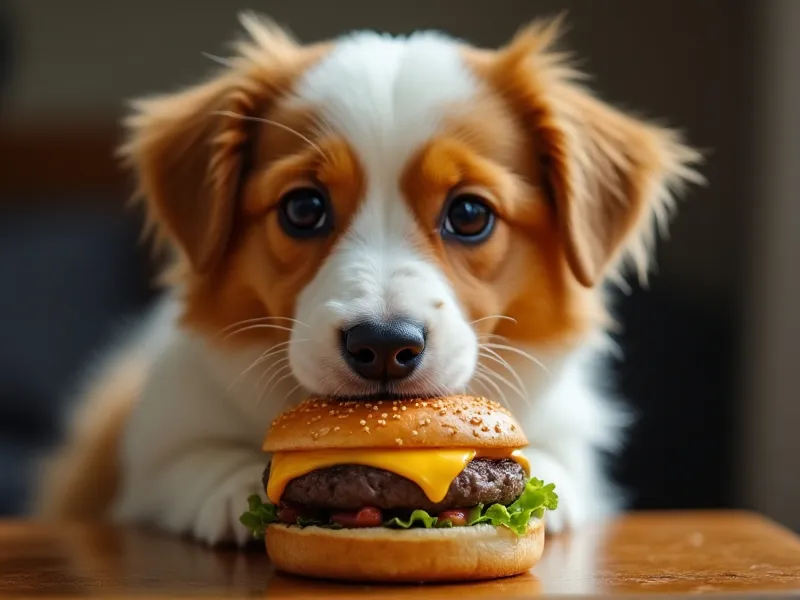
Table of Contents
- Can Dogs Eat Cheeseburgers? The Short Answer
- The “Benefits” of Cheeseburgers for Dogs—But Don’t Get Too Excited
- The Risks: Why Cheeseburgers Are Often a Bad Idea
- How Much Cheeseburger Is “Safe”? Guidelines for Pet Parents
- Healthier Alternatives to Cheeseburgers
- FAQ: Your Cheeseburger Questions, Answered
- Final Thoughts: Love Your Dog with Balance
Can Dogs Eat Cheeseburgers? The Short Answer
Yes, but only in tiny, occasional bites—and with major caveats. A plain, unseasoned burger patty (no toppings, no bun) might be safe for some dogs in very small quantities, but the full cheeseburger—with its bun, cheese, condiments, and toppings—is rarely a good idea.
Why? Cheeseburgers are high in fat, salt, and often contain ingredients toxic to dogs (like onions or garlic). For most pups, the risks far outweigh any minor benefits. Let’s unpack the details.
The “Benefits” of Cheeseburgers for Dogs—But Don’t Get Too Excited
Let’s start with the positives, though they’re limited. A plain burger patty (100% beef, no seasonings, no bones) does offer some nutrients:
- Protein: Beef is a good source of protein, which helps build muscle and repair tissues. Dogs need protein, but they get plenty from their balanced dog food.
- Iron & Zinc: Beef contains iron (supports red blood cells) and zinc (aids immune function). Again, these are already in quality dog food.
That’s… pretty much it. The rest of the cheeseburger? Not beneficial. The bun is empty carbs, cheese adds extra fat and lactose, and toppings like ketchup (sugar) or pickles (salt) offer zero nutritional value.
Bottom line: Cheeseburgers aren’t a “healthy” treat—they’re just a tasty one (for humans, at least).
The Risks: Why Cheeseburgers Are Often a Bad Idea
Now, the critical part: the risks. Even a small cheeseburger can harm your dog, depending on their size, health, and how much they eat. Here’s what to watch for:
1. High Fat Content: A Pancreatitis Risk
Burger patties are often made with fatty ground beef, and cheese adds even more fat. Dogs can’t process large amounts of fat well, and this can trigger pancreatitis—a painful, potentially life-threatening inflammation of the pancreas.
Pancreatitis symptoms include:
- Vomiting
- Diarrhea (often greasy or bloody)
- Lethargy
- Abdominal pain (your dog might hunch their back or resist touch)
According to the American College of Veterinary Internal Medicine (ACVIM), fatty foods are a top cause of pancreatitis in dogs. Even a single fatty meal can trigger it, especially in breeds prone to the condition (like Miniature Schnauzers or Cocker Spaniels).
2. Too Much Salt: Sodium Ion Poisoning
A typical cheeseburger has 800–1,500 mg of sodium—way more than a dog needs. The ASPCA notes that dogs require only 100–200 mg of sodium per day (depending on size). Excess salt can lead to sodium ion poisoning, with symptoms like:
- Excessive thirst and urination
- Vomiting
- Tremors or seizures
- In severe cases, kidney damage or death
Small dogs are especially at risk. A Chihuahua who eats a whole cheeseburger could face dangerous sodium levels.
3. Toxic Toppings: Onions, Garlic, and More
Many cheeseburgers come with toppings that are toxic to dogs:
- Onions/Garlic: These contain N-propyl disulfide, which damages a dog’s red blood cells, leading to anemia. Even small amounts (like a slice of raw onion or a sprinkle of garlic powder) can be harmful.
- Xylitol: Some condiments (like sugar-free ketchup or relish) use xylitol, a sugar substitute that’s deadly to dogs. It causes a rapid drop in blood sugar, leading to seizures or liver failure.
- Avocado: Guacamole (a trendy burger topping) has persin, which is toxic to some dogs (though small amounts may not affect all pups).
If your cheeseburger has any of these, skip sharing entirely.
4. Cheese: Lactose Intolerance in Dogs
Many dogs are lactose intolerant. Cheese (especially processed cheese slices) is high in lactose, which dogs can’t digest well. This leads to:
- Stomach upset (gas, bloating)
- Diarrhea
- Vomiting
Some dogs tolerate small amounts of low-lactose cheeses (like cheddar or mozzarella), but cheese in a cheeseburger is rarely worth the risk.
5. The Bun: Empty Calories and Choking Hazards
Burger buns are made with refined flour, sugar, and sometimes raisins (toxic!) or seeds (choking hazards). They offer no nutritional value and can cause:
- Weight gain (leading to obesity, diabetes, or joint issues)
- Blood sugar spikes
- Choking (if your dog gobbles a large piece)
How Much Cheeseburger Is “Safe”? Guidelines for Pet Parents
If you must share a bite (we get it—those puppy eyes!), follow these rules:
1. Stick to Plain Patty Only
Remove the bun, cheese, condiments, and toppings. Offer a tiny piece of unseasoned, cooked beef patty (no salt, pepper, or onions).
2. Size Matters
- Small dogs (under 20 lbs): A bite the size of your thumbnail (about 1 tsp) is enough.
- Medium dogs (20–50 lbs): A bite the size of a quarter (about 1 tbsp).
- Large dogs (50+ lbs): A bite the size of a golf ball (about 2 tbsp).
3. Never Make It a Habit
Cheeseburgers should be a once-in-a-blue-moon treat, not a regular snack. Even small amounts can add up over time, leading to weight gain or pancreatitis.
4. Check for Allergies or Health Issues
If your dog has a sensitive stomach, pancreatitis, diabetes, or heart disease, skip the cheeseburger entirely. Consult your vet first if you’re unsure.
Healthier Alternatives to Cheeseburgers
Instead of sharing your cheeseburger, try these dog-safe treats that are both tasty and nutritious:
1. Lean Meat Bites
Cook plain, unseasoned lean ground turkey or chicken. Form tiny “mini patties” and serve as a treat. High in protein, low in fat!
2. Sweet Potato Fries
Slice a sweet potato into sticks, bake until soft, and let cool. Sweet potatoes are packed with fiber, vitamins, and potassium—great for digestion and energy.
3. Carrot Sticks
Crunchy, low-calorie, and full of beta-carotene (which supports eye health). Dogs love them!
4. Plain Greek Yogurt
A dollop of unsweetened Greek yogurt (low lactose) is a probiotic-rich treat that supports gut health.
5. Homemade “Dog Burger”
Mix lean ground turkey, mashed pumpkin, and a sprinkle of parsley. Form into small patties and bake. Your dog will think it’s a special meal!
FAQ: Your Cheeseburger Questions, Answered
Q: Can dogs eat burger patties without the bun?
A: Maybe, but only plain, unseasoned, and in tiny amounts. Even then, the high fat content makes it risky for regular treats.
Q: What if my dog stole a whole cheeseburger?
A: Don’t panic, but monitor them closely. Watch for vomiting, diarrhea, lethargy, or excessive thirst. If they show any symptoms, contact your vet immediately—pancreatitis or sodium poisoning could develop within 24 hours.
Q: Is cheese bad for dogs?
A: It depends. Small amounts of low-lactose cheese (like a cube of cheddar) might be okay for lactose-tolerant dogs, but processed cheese slices are high in fat and lactose, so avoid them.
Q: Can puppies eat cheeseburgers?
A: No. Puppies have sensitive digestive systems and are more prone to pancreatitis. Stick to puppy-safe treats like plain, cooked chicken or carrots.
Q: Are veggie burgers safer than beef burgers?
A: Not necessarily. Veggie burgers often contain onions, garlic, or high salt. Check the ingredients first—if they’re plain (no toxic additives), a tiny bite might be safe, but they’re still not nutritious for dogs.
Final Thoughts: Love Your Dog with Balance
Sharing food with your dog is a sweet way to bond, but their health should always come first. A cheeseburger might taste good, but it’s rarely worth the risk of pancreatitis, sodium poisoning, or an upset stomach.
Instead, opt for dog-safe treats that nourish their bodies—like lean meat, veggies, or yogurt. And when in doubt, consult your vet. They know your dog’s unique needs and can help you make the best choices.
At the end of the day, your dog loves you not for the cheeseburger, but for the time you spend together. A walk, a belly rub, or a game of fetch will make them just as happy (and much healthier) than a bite of your burger.
Here’s to many happy, healthy years with your pup—one balanced treat at a time!
Sources:
- American Society for the Prevention of Cruelty to Animals (ASPCA). “People Foods to Avoid Feeding Your Pets.” aspca.org
- American College of Veterinary Internal Medicine (ACVIM). “Pancreatitis in Dogs.” acvim.org
- PetMD. “Sodium Poisoning in Dogs.” petmd.com
- AVMA (American Veterinary Medical Association). “Feeding Your Dog: What You Need to Know.” avma.org