· 9 min read
Can Dogs Eat Cheese Rinds? A Pet Parent’s Guide to Risks, Benefits, and Safe Feeding
It’s a lazy Sunday afternoon, and you’re savoring a charcuterie board with a wedge of aged Parmesan. As you snap off a crispy rind and reach for the trash, your dog’s wet nose nudges your hand. Their eyes—big, hopeful, and very focused—seem to say, “Share the snack?” You pause. Cheese is a classic dog treat, but what about the rind? Is it safe? Nutritious? Or a hidden hazard?
If you’ve ever wondered whether your pup can join in on cheese rind snack time, you’re not alone. Cheese rinds are a common kitchen leftover, and pet parents often debate their place in a dog’s diet. In this guide, we’ll break down the facts: the potential benefits, the risks to watch for, how much (if any) is safe, and healthier alternatives to keep your dog happy and healthy. Let’s dive in!
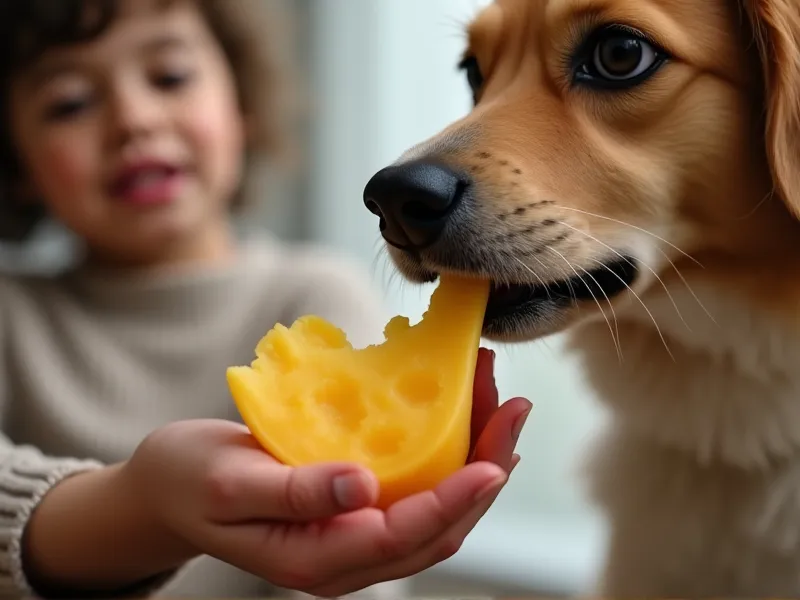
Table of Contents
- Can Dogs Eat Cheese Rinds? The Short Answer
- Potential Benefits of Cheese Rinds for Dogs
- The Risks: Why Cheese Rinds Might Not Be Safe
- Safe Feeding Guidelines: How Much (If Any) Is Okay?
- Healthier Alternatives to Cheese Rinds
- FAQ: Your Cheese Rind Questions Answered
- Conclusion: Moderation and Common Sense
Can Dogs Eat Cheese Rinds? The Short Answer
Yes, but with extreme caution—and only certain types.
Cheese rinds aren’t inherently toxic to dogs, but they come with risks that vary based on the type of rind, your dog’s size, and their individual health. Some rinds (like natural, aged ones) might offer tiny nutritional perks, but others (waxed, flavored, or mold-heavy rinds) can pose choking hazards, digestive issues, or even toxicity.
The key takeaway: Not all cheese rinds are created equal. Before sharing, you need to know what kind of rind you’re dealing with, your dog’s tolerance, and how to serve it safely.
Potential Benefits of Cheese Rinds for Dogs
While cheese rinds shouldn’t be a staple in your dog’s diet, some natural, unprocessed rinds might offer small amounts of nutrients. Let’s break down the possible upsides:
1. Protein for Muscle Health
Cheese is a protein-rich food, and the rind—being part of the cheese—contains some of that protein. Protein is essential for dogs to maintain muscle mass, repair tissues, and support a healthy immune system. For example, a Parmesan rind has about 3-4 grams of protein per ounce (though your dog would only get a tiny fraction of that from a small piece).
2. Calcium and Phosphorus for Bones
Dairy products like cheese are high in calcium and phosphorus, minerals that support strong bones and teeth. Aged cheeses (like Parmesan or cheddar) have particularly high calcium content, and their rinds retain some of that. For senior dogs or those with joint issues, a tiny calcium boost might help, but it’s not a replacement for a balanced diet.
3. Fiber (in Some Rinds)
Natural rinds from aged, artisanal cheeses (like Gouda or Comté) sometimes develop a thin, edible layer of mold or yeast that contains trace amounts of fiber. Fiber aids digestion by promoting regular bowel movements, but again, this is in very small quantities—nowhere near what your dog gets from veggies like pumpkin or sweet potato.
4. Potassium for Heart and Nerves
Potassium is a vital electrolyte that helps regulate heart rate, muscle function, and nerve signals. Cheese (rind included) has small amounts of potassium, though it’s not a significant source. For context, a banana has 422mg of potassium per 100g, while cheese has about 70-100mg per 100g—so your dog would need to eat a lot of rind to get meaningful potassium (which isn’t recommended!).
Important Note: These benefits are minimal. A balanced dog food already provides all the protein, calcium, and fiber your pup needs. Cheese rinds are a “bonus,” not a necessity.
The Risks: Why Cheese Rinds Might Not Be Safe
The risks of feeding cheese rinds often outweigh the benefits. Here’s what to watch for:
1. High Fat Content: A Pancreatitis Risk
Cheese (and its rind) is high in fat, and dogs are sensitive to dietary fat. Excess fat can trigger pancreatitis—a painful, potentially life-threatening condition where the pancreas becomes inflamed. Small breeds, overweight dogs, and those with a history of pancreatitis are especially at risk. Even a small chunk of a high-fat rind (like brie or Camembert) could cause stomach upset or worse.
2. Sodium Overload
Most cheeses are salty, and rinds are no exception. Dogs need only a tiny amount of sodium daily (about 100mg per 1000 calories), and a single ounce of Parmesan rind can contain 500-800mg of sodium. Too much sodium leads to increased thirst, dehydration, and long-term kidney strain. For dogs with heart disease or kidney issues, even a small salty snack is dangerous.
3. Lactose Intolerance
Many dogs are lactose intolerant. Lactose is the sugar in milk, and dogs (like some humans) lose the enzyme lactase (which breaks down lactose) as they age. When lactose isn’t digested, it ferments in the gut, causing gas, bloating, diarrhea, or vomiting. Aged cheeses have less lactose than fresh ones (Parmesan has almost none), so some dogs tolerate them better—but others still react.
4. Choking and Blockage Hazards
Hard, dry rinds (like Parmesan) or large chunks can pose choking risks, especially for small dogs. Even if swallowed, tough rinds might get stuck in the esophagus or intestines, leading to a blockage. Waxed rinds (common on Gouda or Edam) are indigestible—your dog can’t break down the wax, which can cause intestinal obstruction (a medical emergency).
5. Harmful Additives or Flavors
Avoid rinds with added ingredients like garlic, onion, herbs, or spices. Garlic and onion are toxic to dogs, even in small amounts, as they damage red blood cells and cause anemia. Some flavored rinds (e.g., “herb-crusted” or “smoked”) may also contain salt, preservatives, or artificial flavors that are unsafe.
6. Mold: Not All Are Safe
Many artisanal cheeses have intentional mold in their rinds (e.g., blue cheese, Camembert). While some molds are harmless, others produce mycotoxins—poisons that can make dogs sick. For example, blue cheese rinds contain roquefortine C, a mycotoxin that causes vomiting, diarrhea, and seizures in dogs, according to the ASPCA. Even small amounts of blue cheese rind can be dangerous.
Safe Feeding Guidelines: How Much (If Any) Is Okay?
If you still want to share a tiny piece of cheese rind with your dog, follow these rules to minimize risk:
1. Choose the Right Rind
Stick to natural, aged, unflavored rinds (e.g., Parmesan, cheddar, or dry-aged Gouda). Avoid:
- Waxed rinds (indigestible, choking risk).
- Moldy rinds (blue cheese, Camembert—due to mycotoxins).
- Flavored rinds (garlic, herbs, spices).
- Soft, high-fat rinds (brie, triple cream cheeses—pancreatitis risk).
2. Serve in Tiny Portions
A “tiny portion” depends on your dog’s size:
- Small dogs (under 20 lbs): A piece no larger than a pea.
- Medium dogs (20-50 lbs): A piece the size of a dime.
- Large dogs (50+ lbs): A piece the size of a quarter.
Even then, only offer it once in a blue moon—not weekly.
3. Introduce Slowly
If it’s your dog’s first time trying cheese rind, start with an even smaller piece and monitor for 24 hours. Watch for signs of digestive upset: diarrhea, vomiting, gas, or lethargy. If they react, skip future rinds.
4. Avoid If Your Dog Has Health Issues
Never feed rinds to dogs with:
- Pancreatitis (history or current).
- Kidney disease (sodium sensitivity).
- Heart disease (sodium risk).
- Lactose intolerance (obvious from past dairy reactions).
- Food allergies (dairy is a common allergen).
Healthier Alternatives to Cheese Rinds
If you want to treat your dog without the risks of cheese rinds, try these safer, more nutritious options:
1. Plain, Low-Fat Cheese
Instead of the rind, offer a tiny piece of plain cheese like mozzarella, cottage cheese, or Swiss. These are lower in fat and sodium than aged cheeses, and cottage cheese is high in protein.
2. Greek Yogurt (Unsweetened)
Unsweetened Greek yogurt is rich in protein and probiotics, which support gut health. It has less lactose than milk, so many dogs tolerate it well.
3. Pumpkin (Plain, Canned)
Pumpkin is high in fiber (great for digestion) and low in calories. A spoonful mixed into food or frozen as a treat is a hit with most dogs.
4. Sweet Potato
Cooked, plain sweet potato is packed with vitamins A, C, and fiber. Slice it into cubes and bake for a crunchy, healthy snack.
5. Carrot Sticks
Crunchy, low-calorie, and high in beta-carotene, carrots are a classic dog treat. They’re also great for dental health!
FAQ: Your Cheese Rind Questions Answered
Q: Can puppies eat cheese rinds?
A: It’s best to avoid. Puppies have sensitive digestive systems, and their bodies are still developing. Stick to puppy-safe treats like plain yogurt or small pieces of cooked chicken.
Q: My dog ate a whole cheese rind! What should I do?
A: Stay calm, but monitor closely. If the rind was waxed, moldy, or large, contact your vet immediately—these pose blockage or toxicity risks. Watch for vomiting, diarrhea, loss of appetite, or lethargy, and call the vet if any symptoms appear.
Q: Are Parmesan rinds safer than other rinds?
A: Parmesan rinds are lower in lactose and mold (compared to blue cheese), but they’re still high in sodium and fat. They’re “safer” than some, but not risk-free.
Q: Can dogs eat the rind of vegan cheese?
A: Vegan cheese rinds are often made with nuts, seeds, or artificial ingredients. Nuts like macadamia are toxic to dogs, and seeds can be choking hazards. It’s better to skip vegan rinds too.
Conclusion: Moderation and Common Sense
At the end of the day, cheese rinds are a “maybe” for dogs—not a “yes” or “no.” While a tiny piece of a natural, aged rind might be okay for some healthy dogs, the risks (choking, pancreatitis, sodium) often aren’t worth the small nutritional benefits.
When in doubt, ask your vet. They know your dog’s health history and can give personalized advice. And remember: the best treats are those that keep your pup safe, happy, and healthy—whether that’s a carrot stick, a lick of yogurt, or just extra belly rubs.
References
- American Society for the Prevention of Cruelty to Animals (ASPCA). “People Foods to Avoid Feeding Your Pets.” aspca.org/pet-care/animal-poison-control/people-foods-avoid-feeding-your-pets
- American Kennel Club (AKC). “Can Dogs Eat Cheese?” akc.org/expert-advice/nutrition/can-dogs-eat-cheese
- Veterinary Nutritionist Dr. Jennifer Coates. “Dogs and Dairy: What You Need to Know.” petmd.com/dog/nutrition/can-dogs-eat-dairy-products