· 8 min read
Can Dogs Eat Cheese Puffs? Crunchy Truths Every Pet Parent Should Know
Picture this: You’re curled up on the couch, mid-movie, when you reach for the iconic orange bag of cheese puffs. Suddenly, a wet nose nudges your hand, and a pair of hopeful puppy eyes lock onto yours. “Just one?” you think. “Surely a tiny cheese puff won’t hurt.” But before you toss that crunchy snack to your pup, let’s dig into the real question: Can dogs eat cheese puffs?
As pet parents, we want to share life’s little joys with our furry friends—but not all human snacks are created equal. Cheese puffs are a beloved guilty pleasure for many, but are they safe for dogs? In this post, we’ll break down the risks, the (minimal) benefits, and what you should do if your dog sneaks a bite. Plus, we’ll share healthier alternatives that’ll make both you and your pup happy. Let’s get started!
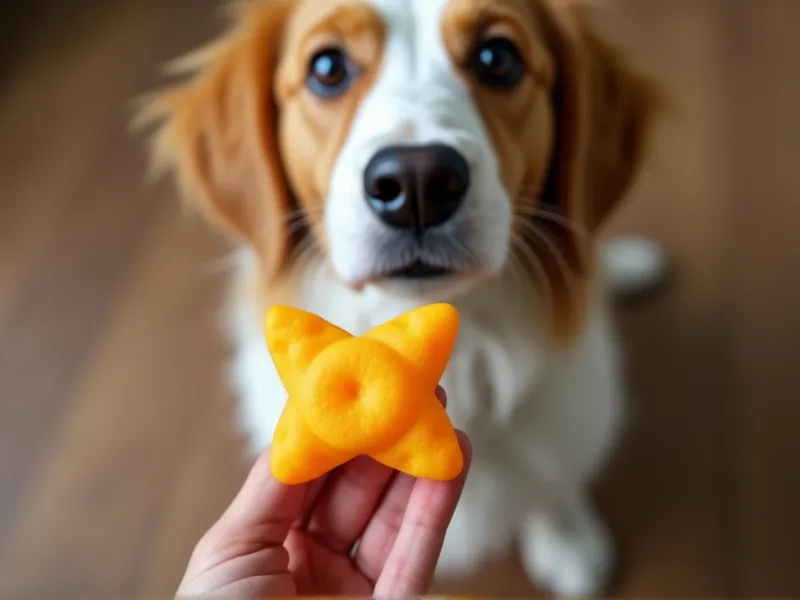
Table of Contents
- Can Dogs Eat Cheese Puffs? The Short Answer
- What Are Cheese Puffs, Anyway?
- Potential “Benefits” of Cheese Puffs for Dogs (Spoiler: They’re Slim)
- The Risks: Why Cheese Puffs Are a Risky Choice
- How Much Cheese Puff Is “Safe” for Dogs? (Hint: Almost None)
- Healthier Alternatives to Cheese Puffs
- FAQ: Your Cheese Puff Questions Answered
- Final Thoughts: Keep Your Pup Crunching Safely
Can Dogs Eat Cheese Puffs? The Short Answer
No, dogs should not eat cheese puffs—at least, not regularly or in any meaningful quantity.
Cheese puffs aren’t toxic to dogs, but they’re packed with ingredients that can harm your pup’s health over time (or even in one sitting). Think: excessive salt, unhealthy fats, artificial flavors, and empty calories. A single tiny bite might not cause immediate harm, but making cheese puffs a treat is a risky habit. Let’s unpack why.
What Are Cheese Puffs, Anyway?
To understand why cheese puffs aren’t ideal for dogs, let’s first look at what’s in them. Most store-bought cheese puffs (like Cheetos, Pirate’s Booty, or generic brands) have a similar base:
- Cornmeal: The “puff” part, made from ground corn.
- Cheese (or cheese flavoring): Often a mix of real cheese (like cheddar) and artificial flavorings to boost that cheesy taste.
- Oil: Usually vegetable oil (like sunflower or canola) for frying (or baking, in “baked” versions).
- Salt: A key flavoring agent—often a lot of it.
- Additives: Preservatives (like BHT), artificial colors (think that bright orange hue), and flavor enhancers.
The result? A crunchy, addictive snack for humans—but for dogs, it’s a nutritional minefield.
Potential “Benefits” of Cheese Puffs for Dogs (Spoiler: They’re Slim)
Let’s be fair: Cheese puffs do contain trace amounts of nutrients, thanks to the cheese. For example:
- Calcium: Cheese is a good source of calcium, which supports strong bones and teeth in dogs.
- Protein: Cheese also has protein, which helps with muscle health.
But here’s the catch: These nutrients are present in tiny amounts in cheese puffs. A serving of cheese puffs (about 28 grams) has roughly 2-3 grams of protein and 50-60 mg of calcium—compared to a 1-ounce slice of cheddar cheese, which has 7 grams of protein and 200+ mg of calcium.
In other words: Your dog would need to eat a lot of cheese puffs to get any meaningful nutrition—and by then, they’d have consumed dangerous levels of salt and fat. So, the “benefits” are negligible at best.
The Risks: Why Cheese Puffs Are a Risky Choice
Now, let’s talk about the downsides—because there are plenty. Here’s why cheese puffs should stay out of your dog’s bowl:
1. Too Much Salt = Dehydration and Kidney Strain
Dogs need salt to survive (it helps regulate fluids and nerve function), but they need very little. The average adult dog only requires about 100-200 mg of sodium per day, depending on size.
A single ounce of cheese puffs can contain 200-400 mg of sodium—that’s an entire day’s worth (or more!) for a small dog (like a Chihuahua or Yorkie). If your dog eats even a handful, they could suffer from:
- Dehydration: Excess salt makes dogs thirsty, and severe dehydration can lead to lethargy, dry gums, or even collapse.
- Electrolyte imbalance: Too much sodium throws off the balance of minerals in the body, which can cause vomiting, diarrhea, or tremors.
- Kidney damage: Over time, high-salt diets can strain the kidneys, increasing the risk of kidney disease.
2. High Fat = Pancreatitis Risk
Cheese puffs are greasy—really greasy. A 1-ounce serving has 8-10 grams of fat, most of it unhealthy saturated or trans fat.
Dogs have sensitive pancreases, and a high-fat snack can trigger pancreatitis—an inflammation of the pancreas that’s incredibly painful and potentially life-threatening. Symptoms include vomiting, diarrhea, loss of appetite, and lethargy. Severe cases require hospitalization.
Pancreatitis is more common in overweight dogs, but even a slim dog can develop it after eating a fatty treat like cheese puffs.
3. Artificial Additives = Stomach Upset
Cheese puffs are loaded with artificial flavors, colors, and preservatives (like BHT or monosodium glutamate, MSG). These chemicals can irritate your dog’s digestive system, leading to:
- Upset stomach (nausea, gas, or diarrhea).
- Allergic reactions (itching, hives, or swelling) in sensitive dogs.
Some artificial colors (like Red 40 or Yellow 5) have even been linked to hyperactivity in children—and while research on dogs is limited, it’s best to avoid unnecessary additives.
4. Choking Hazard
Cheese puffs are light, airy, and crumbly—perfect for getting stuck in a dog’s throat, especially small breeds or dogs who gulp their food. A choking dog may paw at their mouth, cough violently, or struggle to breathe. In severe cases, this can be fatal without quick intervention.
5. Empty Calories = Obesity
Cheese puffs are “empty calories”—they provide energy (from fat and carbs) but no real nutrition. If your dog snacks on them regularly, those calories add up, leading to weight gain and obesity.
Obesity in dogs increases the risk of diabetes, joint pain, heart disease, and a shorter lifespan. So, those “harmless” puffs could be shortening your pup’s life.
How Much Cheese Puff Is “Safe” for Dogs? (Hint: Almost None)
If your dog accidentally eats a single cheese puff (like a crumb off the floor), they’ll probably be fine. But intentional feeding? We recommend avoiding it entirely.
If you must share (we get it—those puppy eyes are tough!), stick to 1 tiny puff (about the size of a pea) for small dogs (under 20 lbs), and 2-3 tiny puffs for large dogs (over 50 lbs)—and only as a once-in-a-blue-moon treat.
But honestly? Even that is risky. It’s better to skip the cheese puffs and opt for a healthier snack instead.
Healthier Alternatives to Cheese Puffs
Craving a crunchy snack to share with your dog? Try these dog-safe alternatives—they’re just as satisfying, minus the risks:
1. Plain, Unsalted Cheese
Instead of cheese-flavored puffs, give your dog a small piece of real cheese. Opt for low-fat options like mozzarella or cottage cheese (in moderation, since cheese is high in fat). A 1-inch cube is a tasty, protein-rich treat.
2. Air-Popped Popcorn (No Butter/Salt)
Plain, air-popped popcorn is low in calories and high in fiber. Just skip the butter, salt, and caramel—those add unnecessary fat and sugar. Break off a few plain kernels for a crunchy snack your dog will love.
3. Carrot Sticks
Crunchy, low-calorie, and packed with vitamins (like vitamin A for eye health), carrots are a classic dog favorite. They’re great for cleaning teeth, too!
4. Sweet Potato Chews
Bake thin slices of sweet potato in the oven until crispy—they’re naturally sweet, high in fiber, and full of antioxidants. Store-bought sweet potato chews (without added sugar) work too.
5. Frozen Blueberries
For a cool, crunchy treat (perfect for summer!), freeze blueberries. They’re low in calories, high in vitamins, and dogs go crazy for their burst of flavor.
FAQ: Your Cheese Puff Questions Answered
Q: My dog ate a whole bag of cheese puffs! What should I do?
A: Stay calm, but act fast. A whole bag is way too much salt and fat for any dog. Watch for symptoms like vomiting, diarrhea, excessive thirst, lethargy, or tremors. If you notice any of these, call your vet immediately—they may recommend inducing vomiting or monitoring for pancreatitis.
Q: Are “baked” cheese puffs better than fried ones?
A: Baked cheese puffs have slightly less fat than fried ones, but they still have high salt, artificial additives, and empty calories. They’re slightly less risky, but still not a good choice for dogs.
Q: Can puppies eat cheese puffs?
A: Puppies have even more sensitive digestive systems than adult dogs, so cheese puffs are a big no. Their kidneys and pancreas are still developing, and the salt/fat can cause serious issues. Stick to puppy-safe treats like plain yogurt or small pieces of chicken.
Q: What if my dog begs for cheese puffs? How do I say no?
A: Redirect their attention with a dog-safe treat (like a carrot stick) or a toy. Consistency is key—if you give in sometimes, they’ll keep begging! Praise them when they take the healthy treat instead.
Final Thoughts: Keep Your Pup Crunching Safely
At the end of the day, cheese puffs are a human snack—not a dog snack. While a tiny crumb won’t hurt, making them a regular treat puts your dog at risk for obesity, pancreatitis, or worse.
Instead of sharing your cheese puffs, opt for natural, dog-friendly snacks that nourish their body. Your pup will love the crunch of a carrot stick or the creaminess of plain cheese just as much (if not more!), and you’ll have peace of mind knowing you’re keeping them healthy.
As always, if you’re unsure about a new treat, consult your vet. They can help you choose snacks that fit your dog’s age, size, and health needs.
Here’s to many happy, healthy snacking moments with your furry best friend—minus the orange fingers! 🐾
References
- American Society for the Prevention of Cruelty to Animals (ASPCA). “People Foods to Avoid Feeding Your Pets.” aspca.org
- American Kennel Club (AKC). “Can Dogs Eat Cheese?” akc.org
- VCA Hospitals. “Pancreatitis in Dogs.” vcahospitals.com
- PetMD. “Sodium Poisoning in Dogs.” petmd.com