· 8 min read
Can Dogs Eat Cheese Popcorn? The Surprising Truth Every Pet Parent Should Know
It’s a cozy Friday night: you’re settled on the couch, movie queued up, and a big bowl of cheesy popcorn in hand. Suddenly, your dog trots over, tail thumping, those soulful eyes locked onto your snack. “Just one bite?” you wonder. “What’s the harm?”
If you’ve ever found yourself in this scenario, you’re not alone. Cheese popcorn is a beloved human treat, but when it comes to sharing with our furry friends, the answer isn’t as simple as “yes” or “no.” Let’s dive into the details: Is cheese popcorn safe for dogs? What are the risks? And are there healthier alternatives to satisfy their snack cravings?
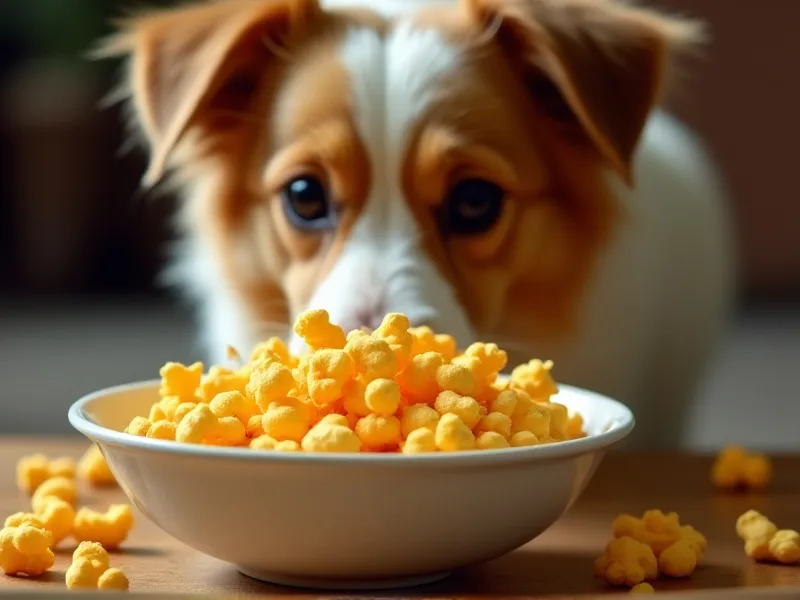
Table of Contents
- Can Dogs Eat Cheese Popcorn? The Short Answer
- Potential Benefits: Are There Any Upsides?
- The Risks: Why Cheese Popcorn Might Be Harmful
- Safe Serving Guidelines: If You Must Share
- Healthier Alternatives to Cheese Popcorn
- FAQ: Your Cheese Popcorn Questions Answered
- Conclusion: Prioritize Your Dog’s Health
Can Dogs Eat Cheese Popcorn? The Short Answer
Here’s the bottom line: Dogs can technically eat small amounts of plain, unsalted, unbuttered, air-popped popcorn with a tiny sprinkle of low-fat cheese—occasionally. But most store-bought or microwave cheese popcorn is loaded with additives, salt, sugar, and artificial flavors that make it unsafe for our pups.
In fact, the risks (like choking, stomach upset, or sodium poisoning) often outweigh any minor benefits. For most dogs, it’s better to skip the cheese popcorn and opt for safer treats instead.
Potential Benefits: Are There Any Upsides?
Before we dive into the risks, let’s acknowledge the few (very minor) potential benefits of plain popcorn and small amounts of cheese for dogs. These are not reasons to feed your dog cheese popcorn regularly, but they help explain why some pet parents might wonder if it’s okay:
1. Fiber from Popcorn
Plain, air-popped popcorn is a whole-grain snack that contains fiber. Fiber supports healthy digestion in dogs, helping to regulate bowel movements. However, dogs get plenty of fiber from their regular dog food (which is formulated to meet their needs), so popcorn isn’t a necessary source.
2. Potassium from Popcorn
Popcorn also contains small amounts of potassium, an electrolyte that supports heart health, muscle function, and hydration. Again, this is a trace nutrient—your dog’s balanced diet already provides all the potassium they need.
3. Protein and Calcium from Cheese
Cheese is rich in protein (which supports muscle growth) and calcium (vital for strong bones and teeth). However, most cheese used in popcorn is processed (think: powdered cheese or “cheese flavoring”), which is high in salt and additives. Even real cheese, in large amounts, can be problematic for dogs (more on that later).
The takeaway: These benefits are minimal and easily obtained from your dog’s regular food. Cheese popcorn isn’t a “nutritious” treat—it’s more of an occasional indulgence, if anything.
The Risks: Why Cheese Popcorn Might Be Harmful
Now, let’s talk about the real concerns. For most dogs, the risks of cheese popcorn far outweigh any small benefits. Here’s what to watch out for:
1. High Sodium (Salt) Content
Most cheese popcorn—especially store-bought or microwave varieties—is loaded with salt. Dogs have much lower sodium needs than humans: The Association of American Feed Control Officials (AAFCO) recommends no more than 0.3% sodium in dog food (about 100-200 mg per 1,000 calories). A single cup of cheese popcorn can contain 200-400 mg of sodium—that’s more than an entire day’s worth for a small dog (like a Chihuahua or Yorkie).
Too much salt can lead to sodium ion poisoning, which causes symptoms like:
- Excessive thirst and urination
- Vomiting or diarrhea
- Lethargy or confusion
- Seizures (in severe cases)
If you suspect your dog has eaten too much salty food, contact your vet immediately.
2. Sugar and Artificial Additives
Many cheese popcorns (especially “movie theater style” or flavored varieties) include added sugar, artificial flavors, or colors. Sugar is empty calories for dogs and can lead to obesity, dental issues, or even diabetes over time. Artificial additives (like “cheese powder” or preservatives) may trigger allergies or stomach upset in sensitive dogs.
3. Unpopped Kernels: A Choking Hazard
Unpopped popcorn kernels are hard, small, and round—perfect for getting stuck in a dog’s throat. Choking is a serious risk, especially for small breeds. Even if a kernel isn’t a choking hazard, it can cause an intestinal blockage if swallowed, which may require surgery to remove.
4. Lactose Intolerance
Many dogs are lactose intolerant. Lactose is the sugar in milk and dairy products like cheese. Dogs (especially adult dogs) often lack enough lactase, the enzyme needed to digest lactose. This can lead to:
- Gas
- Bloating
- Diarrhea
- Stomach cramps
Processed cheese (like the kind in popcorn) is often higher in lactose than natural cheeses, making it even harder for dogs to digest.
5. High Fat Content
Buttered or oil-popped popcorn (common in movie theater or microwave versions) is high in fat. Too much fat can cause pancreatitis in dogs—a painful inflammation of the pancreas that requires emergency veterinary care. Symptoms include vomiting, abdominal pain, and loss of appetite.
Safe Serving Guidelines: If You Must Share
If you still want to share a tiny bite of cheese popcorn with your dog (maybe on a special occasion), follow these strict guidelines to minimize risk:
1. Choose Plain, Air-Popped Popcorn
Skip the microwave bags or store-bought cheese popcorn. Make your own plain, air-popped popcorn with no butter, salt, sugar, or oil.
2. Add a Tiny Amount of Natural Cheese
Sprinkle a pinch of grated, low-fat, natural cheese (like mozzarella or cheddar) on top. Avoid processed cheese powders, which are high in salt and additives.
3. Serve Only 1-2 Kernels (Max!)
Even for large dogs, 1-2 popped kernels is enough. Small dogs (under 20 lbs) should get no more than 1 kernel. Any more increases the risk of sodium overload, stomach upset, or choking.
4. Remove All Unpopped Kernels
Carefully check the bowl for unpopped kernels before sharing—even one can be dangerous.
5. Offer Only Occasionally
Cheese popcorn should never be a regular treat. Limit it to once every few months (if at all).
6. Watch for Reactions
After serving, monitor your dog for 24 hours. If they show signs of stomach upset (vomiting, diarrhea, gas), stop feeding popcorn immediately and consult your vet.
Healthier Alternatives to Cheese Popcorn
Instead of risking cheese popcorn, treat your dog to these safe, nutritious snacks that they’ll love just as much (if not more!):
1. Plain Air-Popped Popcorn (No Cheese!)
If your dog loves the crunch of popcorn, skip the cheese entirely. Plain, air-popped popcorn (no salt, butter, or oil) is a low-calorie, fiber-rich treat in small amounts (1-2 kernels for small dogs, 3-4 for large dogs).
2. Small Cubes of Low-Fat Cheese
If your dog adores cheese, offer 1-2 small cubes of natural, low-fat cheese (like mozzarella, cottage cheese, or goat cheese) instead. Cottage cheese is especially low in lactose and high in protein!
3. Fresh Fruits and Veggies
Many dogs love crunchy fruits and veggies, which are packed with vitamins and fiber:
- Carrot sticks (crunchy and good for teeth!)
- Blueberries (antioxidant-rich)
- Green beans (low-calorie, high-fiber)
- Apple slices (remove the core and seeds, which are toxic)
4. Commercial Dog Treats
Opt for dog treats formulated specifically for your pup’s size, age, and dietary needs. Look for brands with simple, natural ingredients (e.g., “chicken and rice” instead of a long list of additives).
FAQ: Your Cheese Popcorn Questions Answered
Q: Can puppies eat cheese popcorn?
A: It’s best to avoid giving cheese popcorn to puppies. Puppies have sensitive digestive systems, and the salt, lactose, or additives in cheese popcorn can cause stomach upset. Stick to puppy-safe treats recommended by your vet.
Q: My dog ate a whole bowl of cheese popcorn! What should I do?
A: Don’t panic, but monitor your dog closely. Symptoms of sodium poisoning (thirst, vomiting, diarrhea) can appear within 1-2 hours. If you notice any of these, contact your vet immediately. Even if they seem fine, it’s a good idea to call your vet for guidance—especially if your dog is small or has health issues.
Q: Is homemade cheese popcorn safer than store-bought?
A: Homemade is slightly better because you can control the ingredients (e.g., use less salt, real cheese instead of powder). But it’s still not a safe treat due to the risks of lactose intolerance, sodium, and choking.
Q: Can dogs have “cheese-flavored” popcorn (without real cheese)?
A: No. “Cheese-flavored” popcorn uses artificial cheese powder, which is high in salt, preservatives, and additives (like monosodium glutamate, or MSG). These are even worse for dogs than real cheese.
Q: My dog is lactose intolerant—can they have cheese popcorn?
A: Absolutely not. Lactose-intolerant dogs will likely experience diarrhea, gas, or bloating from the cheese in popcorn. Stick to lactose-free treats like plain popcorn or veggies.
Conclusion: Prioritize Your Dog’s Health
At the end of the day, cheese popcorn isn’t worth the risk for most dogs. While a tiny, occasional bite might not harm your pup, the potential for sodium poisoning, choking, or stomach upset is too high.
Instead of sharing your cheesy snack, opt for safer alternatives like plain air-popped popcorn, low-fat cheese cubes, or fresh fruits and veggies. And when in doubt, always consult your vet before introducing new foods to your dog’s diet—they know your pup’s unique needs best.
Your dog’s big, pleading eyes might be hard to resist, but their health is worth it. Save the cheese popcorn for yourself, and treat your furry friend to something that’s both delicious and safe.
References
- American Kennel Club (AKC). “Can Dogs Eat Popcorn?” akc.org
- PetMD. “Lactose Intolerance in Dogs.” petmd.com
- Cummings School of Veterinary Medicine at Tufts University. “Sodium Ion Toxicosis in Dogs.” tuftscvm.org
- World Small Animal Veterinary Association (WSAVA). “Nutrition Toolkit: What to Feed Your Dog.” wsava.org