· 10 min read
Can Dogs Eat Cheesecake? The Sweet Truth Every Pet Parent Needs to Know
It’s a sunny Saturday, and you’ve just pulled a golden-brown cheesecake out of the oven. The kitchen smells of vanilla and cream cheese, and as you set it on the counter to cool, you hear a soft whimper behind you. You turn to find your pup, tail thumping, nose twitching, and those big, imploring eyes fixed on the dessert. “Just a tiny bite?” you think. “What’s the harm?”
If you’ve ever found yourself in this scenario, you’re not alone. Cheesecake is a beloved treat for humans, but when it comes to our furry friends, the question lingers: Can dogs eat cheesecake?
In this post, we’ll break down the facts—from potential (very minimal) benefits to serious risks—so you can make informed choices about sharing your sweet treats with your pup. Spoiler: The answer isn’t a simple “yes” or “no.” Let’s dig in.
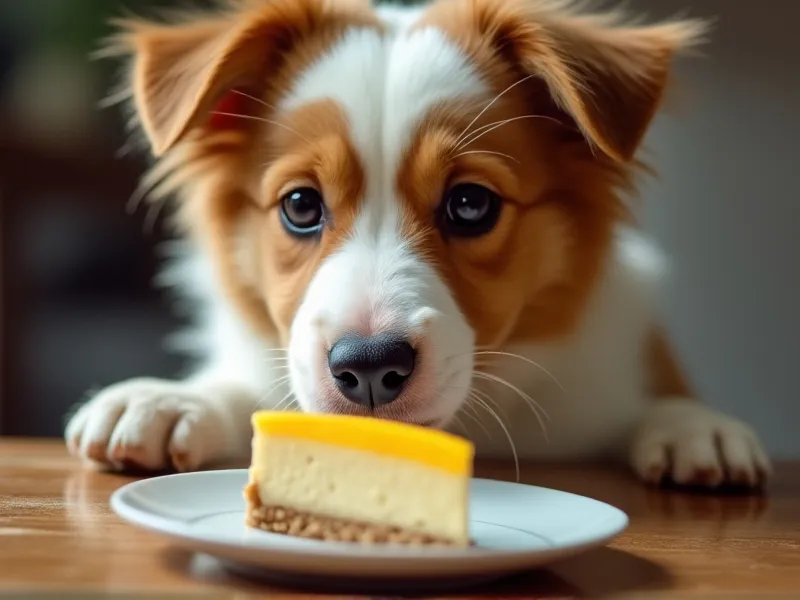
Table of Contents
- Can Dogs Eat Cheesecake? The Short Answer
- Potential “Benefits” of Cheesecake for Dogs (Spoiler: They’re Minimal)
- The Real Risks: Why Cheesecake Isn’t a Great Choice for Dogs
- How Much Cheesecake Is “Safe” for Dogs? (If Any)
- Healthier Alternatives to Cheesecake for Dogs
- FAQ: Your Cheesecake and Dog Questions Answered
- Conclusion: Treat Smart, Keep Your Pup Happy
Can Dogs Eat Cheesecake? The Short Answer
Let’s cut to the chase: Dogs should not eat cheesecake regularly, and in most cases, it’s best to avoid feeding it to them intentionally.
While a tiny, accidental bite of plain cheesecake (no toppings, no toxic ingredients) might not harm some dogs, cheesecake is packed with sugar, fat, and often hidden dangers like xylitol (a sugar substitute), chocolate, or raisins—all of which are toxic to dogs. Even “plain” cheesecake poses risks like obesity, pancreatitis, or stomach upset.
Think of it this way: Cheesecake is a human indulgence, not a dog-friendly snack. Your pup’s taste buds might love it, but their body won’t thank you.
Potential “Benefits” of Cheesecake for Dogs (Spoiler: They’re Minimal)
You might be wondering, “But cheese is in cheesecake, and cheese is sometimes okay for dogs, right?” It’s true—small amounts of plain, low-fat cheese (like mozzarella or cottage cheese) can be a tasty, calcium-rich treat for dogs who tolerate lactose. But cheesecake is a far cry from plain cheese. Let’s unpack the “benefits” (and why they’re not worth the risk):
1. Calcium and Protein (From Cream Cheese)
Cream cheese, the star of cheesecake, contains calcium and protein—nutrients dogs need for strong bones and muscles. However, cheesecake is loaded with added sugar, butter, and heavy cream, which dilute these benefits. A tablespoon of plain cream cheese has about 20mg of calcium and 1g of protein, but it also has 5g of fat and 1g of sugar. Your dog would get more calcium and protein from a plain, unsweetened Greek yogurt (with less fat and sugar) than from cheesecake.
2. Fiber (From the Crust… Maybe)
Some cheesecake crusts include graham crackers or crushed cookies, which might have a tiny bit of fiber. But again, the crust is typically made with sugar, butter, and sometimes even chocolate or raisins—ingredients that are harmful to dogs. The “fiber” here is negligible compared to the risks.
Bottom line: Any nutrients in cheesecake are overshadowed by its high sugar, fat, and potential toxins. You’re better off giving your dog a small piece of plain cheese or a dog-safe fruit (like blueberries) for a healthy treat.
The Real Risks: Why Cheesecake Isn’t a Great Choice for Dogs
Now, let’s talk about the real concerns. Cheesecake isn’t just “empty calories”—it can pose serious health risks to your pup. Here’s what you need to watch out for:
1. High Sugar Content: A Recipe for Obesity and Diabetes
Most cheesecakes are sweetened with refined sugar, which dogs have no biological need for. Dogs’ bodies aren’t designed to process large amounts of sugar, and regular consumption can lead to:
- Obesity: Extra sugar turns to fat, increasing your dog’s risk of joint pain, heart disease, and other obesity-related issues.
- Diabetes: Chronic high sugar intake can disrupt your dog’s insulin production, leading to diabetes—a lifelong condition requiring daily management.
Even “low-sugar” cheesecakes often contain honey, maple syrup, or agave, which are still high in sugar for dogs.
2. Fat Overload: Pancreatitis Waiting to Happen
Cheesecake is rich in fat, thanks to cream cheese, heavy cream, and butter in the crust. Fatty foods are a leading cause of pancreatitis in dogs—a painful, life-threatening condition where the pancreas becomes inflamed. Symptoms include vomiting, diarrhea, lethargy, and loss of appetite. Severe cases require hospitalization.
Small dogs and breeds prone to pancreatitis (like Miniature Schnauzers or Cocker Spaniels) are especially at risk. Even a single slice of cheesecake could trigger an attack in susceptible dogs.
3. Toxic Ingredients (Hidden in Toppings or “Sugar-Free” Versions)
Many cheesecakes include toppings or add-ins that are toxic to dogs. Common culprits include:
- Chocolate: From chocolate shavings to a chocolate crust, chocolate contains theobromine, which dogs can’t metabolize. Even a small amount can cause seizures, heart arrhythmias, or death.
- Raisins or Grapes: Some recipes add raisins to the crust or as a topping. Raisins and grapes are highly toxic to dogs and can cause kidney failure (even in tiny amounts).
- Xylitol: “Sugar-free” cheesecakes often use xylitol, an artificial sweetener. Xylitol causes a rapid release of insulin in dogs, leading to dangerously low blood sugar (hypoglycemia), seizures, liver failure, or death. Even a teaspoon of xylitol can be fatal for a small dog.
- Nuts: Walnuts, macadamia nuts, or almonds (used in crusts or toppings) are toxic to dogs. Macadamia nuts, for example, can cause weakness, vomiting, and hyperthermia.
Always check the ingredients before sharing any human food with your dog—and when in doubt, assume it’s unsafe.
4. Lactose Intolerance: Stomach Upset Galore
Many dogs are lactose intolerant, meaning they lack the enzyme (lactase) needed to digest lactose, the sugar in dairy. Cream cheese is high in lactose, so feeding cheesecake to a lactose-intolerant dog can lead to:
- Bloating
- Gas
- Diarrhea
- Vomiting
Signs of lactose intolerance usually appear within 12–24 hours of eating dairy. If your dog has loose stools after cheese, they’re likely lactose intolerant—and cheesecake will only make it worse.
5. Choking Hazards (Crust, Toppings, and Chunky Add-Ins)
Cheesecake crusts are often crumbly or hard, and toppings like whole berries, nuts, or cookie chunks can pose choking risks, especially for small dogs. Even a large piece of crust could get stuck in your dog’s throat or cause an intestinal blockage.
How Much Cheesecake Is “Safe” for Dogs? (If Any)
Let’s say your dog sneaks a tiny bite of plain cheesecake (no toppings, no xylitol, no chocolate). Will they keel over? Probably not. But “not keeling over” doesn’t mean it’s safe.
The general rule: If your dog accidentally eats a pea-sized amount of plain cheesecake (no toxic ingredients), monitor them for 24 hours. Watch for signs of stomach upset (vomiting, diarrhea), lethargy, or changes in behavior. If they seem fine, they’ll likely be okay.
But intentionally feeding cheesecake is never recommended. Here’s why:
- For small dogs (under 20 lbs): Even a tablespoon of cheesecake could cause stomach upset or trigger pancreatitis.
- For medium dogs (20–50 lbs): A few bites might lead to diarrhea or gas, but the fat and sugar still aren’t worth it.
- For large dogs (over 50 lbs): They might tolerate a tiny bite better, but there’s no benefit—only risk.
If your dog eats a large amount of cheesecake (like a whole slice) or any cheesecake with toxic ingredients (xylitol, chocolate, raisins), contact your vet immediately. Time is critical with toxins like xylitol—don’t wait for symptoms to appear.
Healthier Alternatives to Cheesecake for Dogs
Instead of sharing your cheesecake, treat your pup to these dog-friendly alternatives that are just as tasty (to them!) and way better for their health:
1. “Doggy Cheesecake” (No-Bake, Safe Ingredients)
Whip up a pup-approved version with:
- Base: Crushed dog biscuits or plain, unsweetened oats mixed with a little peanut butter (no xylitol!) as “glue.”
- Filling: Plain Greek yogurt (unsweetened, lactose-free if your dog is sensitive) mixed with mashed banana or pumpkin puree (unsweetened, no spices).
- Topping: Blueberries, sliced strawberries, or a sprinkle of shredded coconut (in moderation).
Chill for an hour, and you’ve got a creamy, safe treat your dog will love.
2. Plain Greek Yogurt
A spoonful of unsweetened Greek yogurt is rich in protein, calcium, and probiotics (good for gut health). Freeze it in ice cube trays for a cool summer snack.
3. Cottage Cheese
Low in lactose and high in protein, cottage cheese is a great occasional treat. Serve a tablespoon plain or mixed with a little mashed pumpkin.
4. Mashed Banana or Pumpkin
Both are naturally sweet, high in fiber, and safe for dogs. A tablespoon of mashed banana (high in potassium) or pumpkin (supports digestion) makes a simple, healthy snack.
5. Frozen Blueberries or Strawberries
These fruits are low in sugar, high in antioxidants, and fun for dogs to chase. Freeze them for a crunchy, refreshing treat.
FAQ: Your Cheesecake and Dog Questions Answered
Q: My dog ate a whole slice of cheesecake! What should I do?
A: Stay calm, but act fast. Check the ingredients for xylitol, chocolate, raisins, or nuts—if any are present, call your vet or an emergency animal hospital immediately. Even without toxic ingredients, a large amount of fat/sugar can cause pancreatitis or severe stomach upset. Your vet may recommend inducing vomiting (only if done within 2 hours of ingestion) or monitoring for symptoms.
Q: Is cheesecake crust safe for dogs?
A: No. Most crusts contain sugar, butter, and often chocolate, raisins, or excessive salt. Even a plain graham cracker crust has sugar and fat, which are unhealthy for dogs.
Q: Can dogs have cream cheese? What’s the difference between cream cheese and cheesecake?
A: Plain cream cheese in very small amounts (like a teaspoon) is okay for some dogs, but cheesecake has added sugar, heavy cream, and other ingredients that make it far more harmful. Cream cheese alone is still high in fat, so it’s not a daily treat.
Q: What about sugar-free cheesecake? Isn’t that better?
A: Worse! Sugar-free cheesecake often uses xylitol, which is deadly to dogs. Even “natural” sugar substitutes like stevia are untested in dogs and best avoided.
Q: My dog loves cheese—why can’t they have cheesecake?
A: Cheese is a concentrated source of fat and lactose, but in small, occasional amounts, it’s safer than cheesecake. Cheesecake amplifies those risks with added sugar and potential toxins. Stick to plain, low-fat cheese (like mozzarella) as a rare treat instead.
Conclusion: Treat Smart, Keep Your Pup Happy
At the end of the day, cheesecake is a human dessert—not a dog treat. While a tiny, accidental bite of plain cheesecake might not harm your pup, there’s no good reason to feed it to them intentionally. The risks (sugar, fat, toxins, lactose intolerance) far outweigh any minimal “benefits.”
Instead, opt for dog-safe treats like plain yogurt, cottage cheese, or fresh fruit. And if you’re craving a sweet bonding moment with your pup, try making that DIY “doggy cheesecake” we mentioned—it’s creamy, delicious, and actually good for them.
As always, if you’re unsure about a food or your dog has a reaction to something they ate, consult your vet. They know your pup’s health history and can give personalized advice.
Now, go enjoy your cheesecake—sans begging pup. (Don’t worry, they’ll forgive you for offering a blueberry instead.)
References:
- American Society for the Prevention of Cruelty to Animals (ASPCA). “Toxic and Non-Toxic Plants,” “People Foods to Avoid Feeding Your Pets.”
- VCA Animal Hospitals. “Pancreatitis in Dogs.”
- American Kennel Club (AKC). “Can Dogs Eat Cheese? What You Need to Know,” “Xylitol Poisoning in Dogs.”
- PetMD. “Lactose Intolerance in Dogs.”