· 8 min read
Can Dogs Eat Cheerios? The Ultimate Guide for Pet Parents
It’s a quiet Sunday morning. You’re savoring a bowl of Cheerios, milk sloshing gently, when your furry sidekick trots over. Their big, soulful eyes lock onto your spoon, tail thumping a hopeful rhythm. “Just one tiny O?” you wonder. “What harm could it do?”
If you’ve ever found yourself in this scenario, you’re not alone. Cheerios are a pantry staple in millions of homes—they’re marketed as “wholesome,” “low-sugar,” and “kid-friendly.” But when it comes to our dogs, “human-safe” doesn’t always equal “pet-safe.”
In this guide, we’ll answer the burning question: Can dogs eat Cheerios? We’ll break down the potential benefits, hidden risks, portion guidelines, and even healthier alternatives to keep your pup happy and healthy. Let’s dig in!
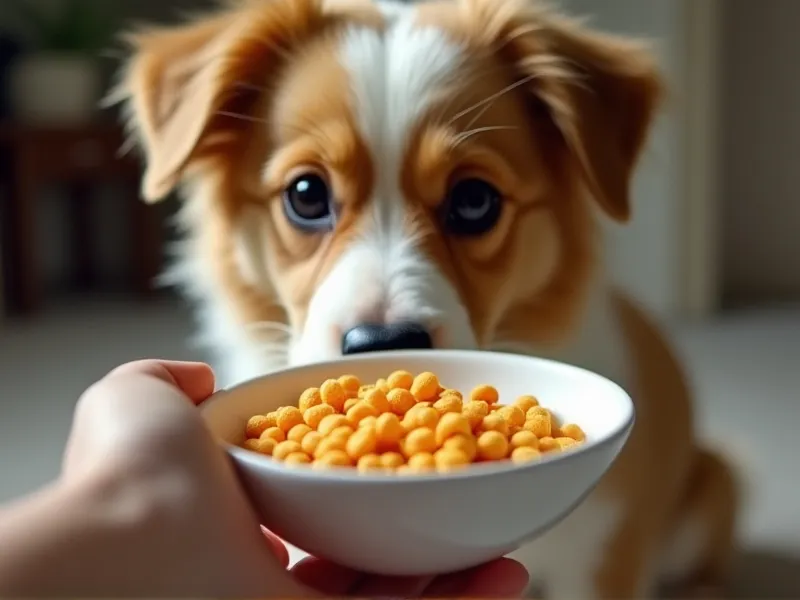
Table of Contents
- Can Dogs Eat Cheerios? The Short Answer
- Potential Benefits of Cheerios for Dogs
- Risks to Watch Out For
- How Much Cheerios Can Dogs Safely Eat?
- Healthier Alternatives to Cheerios
- FAQ: Your Cheerios and Dogs Questions Answered
- Conclusion: Moderation is Key
- References
Can Dogs Eat Cheerios? The Short Answer
Yes, plain, unsweetened Cheerios are generally safe for dogs in small, occasional amounts.
Cheerios (the original, unflavored variety) are made from whole-grain oats, which are non-toxic to dogs. They’re low in sugar, free from artificial preservatives, and contain some basic nutrients. That said, Cheerios aren’t a “health food” for dogs, and they come with caveats—especially when it comes to flavored varieties or overfeeding.
Think of them like a tiny, crunchy snack, not a meal replacement. And as with any human food, it’s always smart to check with your vet first, especially if your dog has allergies, diabetes, or other health issues.
Potential Benefits of Cheerios for Dogs
While Cheerios shouldn’t be a staple in your dog’s diet, they do offer a few minor perks when fed responsibly:
1. Whole-Grain Goodness (Fiber!)
Original Cheerios are made with whole-grain oats, which are rich in dietary fiber. Fiber is essential for your dog’s digestive health: it helps regulate bowel movements, supports a healthy gut microbiome, and can even aid in weight management by promoting a feeling of fullness.
Oats also contain beta-glucan, a type of soluble fiber that may help lower cholesterol levels in dogs (though more research is needed on this specific benefit in pets).
2. Key Nutrients (In Small Doses)
Cheerios pack a tiny punch of vitamins and minerals that are beneficial for dogs, including:
- B Vitamins: Thiamine (B1), niacin (B3), and folic acid (B9) support energy metabolism, brain function, and red blood cell production.
- Iron: Important for oxygen transport in the blood.
- Potassium: A mineral that helps regulate heart rate, muscle function, and fluid balance—vital for overall cardiovascular health.
That said, these nutrients are present in small amounts. Your dog will get far more from their balanced, vet-recommended dog food than from a handful of Cheerios.
3. Low in Sugar (Original Only!)
One of the biggest selling points of original Cheerios is their low sugar content: just 1 gram of sugar per 1-cup serving. For comparison, a single Honey Nut Cheerio has nearly 1 gram of sugar per serving (more on flavored varieties later).
Low sugar means less risk of obesity, dental decay, or blood sugar spikes—making plain Cheerios a better choice than many other human snacks (looking at you, cookies!).
Risks to Watch Out For
While plain Cheerios are safe for most dogs, there are a few risks to keep in mind—especially if you overdo it or choose the wrong variety.
1. Sugar Overload (Flavored Varieties Are a No-No!)
Here’s the big caveat: flavored Cheerios (Honey Nut, Apple Cinnamon, Frosted, etc.) are NOT safe for dogs.
These varieties are loaded with added sugar, honey, or artificial sweeteners (like xylitol, which is toxic to dogs—though Cheerios don’t use xylitol, some generic brands might). For example:
- Honey Nut Cheerios: 9 grams of sugar per 3/4-cup serving.
- Frosted Cheerios: 12 grams of sugar per 1-cup serving.
Too much sugar can lead to:
- Obesity (a leading cause of joint pain, diabetes, and heart disease in dogs).
- Dental issues (cavities, gum disease).
- Pancreatitis (in severe cases, though rare with Cheerios specifically).
Always check the label! If it says “honey,” “sugar,” or “syrup” in the first few ingredients, skip it.
2. Stomach Upset (Too Much of a Good Thing)
Dogs have sensitive digestive systems, and sudden changes in diet can cause diarrhea, vomiting, or gas. Even plain Cheerios, if fed in large quantities, can upset their stomach—especially if your dog isn’t used to new foods.
Think of it this way: Cheerios are processed, and dogs thrive on whole, natural ingredients. A few here and there? Fine. A bowlful? Likely to end in a messy cleanup.
3. Choking Hazard (Small Dogs, Beware!)
The iconic “O” shape of Cheerios can pose a choking risk for small breeds or dogs who gulp their food. Tiny dogs (like Chihuahuas or Yorkies) may struggle to chew the hard, round cereal, leading to it getting stuck in their throat.
If you have a small dog, break Cheerios into smaller pieces first, or avoid them altogether.
4. Empty Calories (Not a “Health Food”)
Cheerios are low in protein, healthy fats, and the essential amino acids dogs need to thrive. Feeding too many can displace the nutrients from their regular dog food, leading to nutritional imbalances over time.
Remember: Treats should make up no more than 10% of your dog’s daily calories. Cheerios are a treat, not a meal.
How Much Cheerios Can Dogs Safely Eat?
The golden rule: Less is more.
Here’s a general guideline based on your dog’s size:
| Dog Size | Max Cheerios per “Treat Session” | Frequency |
|---|---|---|
| Small (5–20 lbs) | 1–2 Cheerios | Once every few days |
| Medium (21–50 lbs) | 3–4 Cheerios | Once every few days |
| Large (51+ lbs) | 5–6 Cheerios | Once every few days |
Pro Tip: Mix Cheerios into your dog’s regular food as a “topper” to make mealtime more exciting, or use them as training treats (they’re lightweight and easy to carry!). Just don’t exceed the 10% calorie rule.
Healthier Alternatives to Cheerios
If you want to treat your dog to something crunchy and wholesome, skip the Cheerios and opt for these nutrient-dense alternatives instead:
1. Plain, Cooked Oats
Oats are the main ingredient in Cheerios, but plain, cooked oats are even better for dogs. They’re unprocessed, higher in fiber, and free from added salt or preservatives. Mix a tablespoon into their food for a warm, cozy treat (no sugar, milk, or butter—just water!).
2. Fresh Fruits and Veggies
Nature’s candy is always a better bet! Try:
- Blueberries: Packed with antioxidants and low in calories.
- Carrots: Crunchy, high in fiber, and great for dental health.
- Green Beans: Low in calories, high in vitamins A, C, and K.
- Apples: Remove the seeds (they contain cyanide!) and core, then slice—apples are a good source of fiber and vitamin C.
3. Unsweetened, Puffed Cereals (Rarely)
If your dog loves cereal, opt for unsweetened puffed rice or puffed wheat (check the label for added sugar or salt). These are lighter and less processed than Cheerios, but still treat them as an occasional snack.
FAQ: Your Cheerios and Dogs Questions Answered
Q: Can dogs eat Honey Nut Cheerios?
A: No. Honey Nut Cheerios contain added sugar (9g per serving) and honey, which can lead to obesity, dental issues, or stomach upset. Stick to plain.
Q: Are Cheerios good for dogs with diabetes?
A: Plain Cheerios are low in sugar, so a tiny amount (1–2 for small dogs) is unlikely to spike blood sugar. But always consult your vet first—diabetic dogs have strict dietary needs, and treats should be approved by a professional.
Q: Can puppies eat Cheerios?
A: Yes, but in very small amounts. Puppies have sensitive tummies, so start with 1 Cheerio and monitor for diarrhea or vomiting. Avoid flavored varieties.
Q: My dog ate a whole bowl of Cheerios! Should I panic?
A: Probably not, but keep an eye on them. They may have an upset stomach (diarrhea, gas) for 24–48 hours. If they’re lethargic, vomiting, or in pain, contact your vet.
Q: Are Cheerios gluten-free? Can dogs with gluten allergies eat them?
A: Original Cheerios are labeled “gluten-free” (made with oats that are processed to avoid cross-contamination). If your dog has a gluten allergy, check the label to confirm, but plain oats (gluten-free) are still a better choice.
Conclusion: Moderation is Key
Plain, unsweetened Cheerios are a safe, occasional treat for most dogs—but they’re not a health food. Think of them as a tiny, crunchy “thank you” for being your best friend, not a staple in their diet.
Always avoid flavored varieties (sugar = bad!), watch portion sizes, and opt for fresh fruits, veggies, or plain oats instead when possible. And when in doubt? Call your vet—they know your dog’s unique needs best.
After all, the goal is to keep those tail wags coming for years to come. And with a little common sense, even the occasional Cheerio can be part of a happy, healthy routine.
References
- American Kennel Club (AKC). “Can Dogs Eat Oats?” akc.org.
- PetMD. “Human Foods Dogs Can and Can’t Eat.” petmd.com.
- VCA Hospitals. “Treats for Dogs: Guidelines for Healthy Snacking.” vcahospitals.com.
- General Mills (Cheerios). “Original Cheerios Nutrition Facts.” cheerios.com.
- Cummings Veterinary Medical Center (Tufts University). “Dietary Fiber for Dogs.” tuftsmedicalcenter.org.