· 9 min read
Can Dogs Eat Cheddar Popcorn? What Pet Parents Need to Know
It’s Friday night, and you’ve settled in for a movie marathon with a giant bowl of cheddar popcorn. The buttery, cheesy aroma fills the room, and your dog—ever the snack connoisseur—plops down beside you, tail thumping, eyes locked on your bowl. “Just a tiny piece won’t hurt, right?” you think. But before you toss that kernel, let’s get real: Can dogs eat cheddar popcorn safely?
Popcorn is a staple human snack, and cheddar-flavored varieties are everywhere—at the movies, in microwavable bags, and even in snack mixes. As a pet parent, it’s natural to wonder if this salty, cheesy treat is okay to share. The good news? In small, occasional amounts, cheddar popcorn is generally not toxic to dogs. The bad news? It comes with some hidden risks that could make it more trouble than it’s worth.
In this guide, we’ll break down the benefits (yes, there are a few!), the risks (spoiler: the “cheddar” part is the main culprit), and how to decide if sharing your snack is a good idea. Plus, we’ll share healthier alternatives your pup will love just as much (if not more). Let’s dive in!
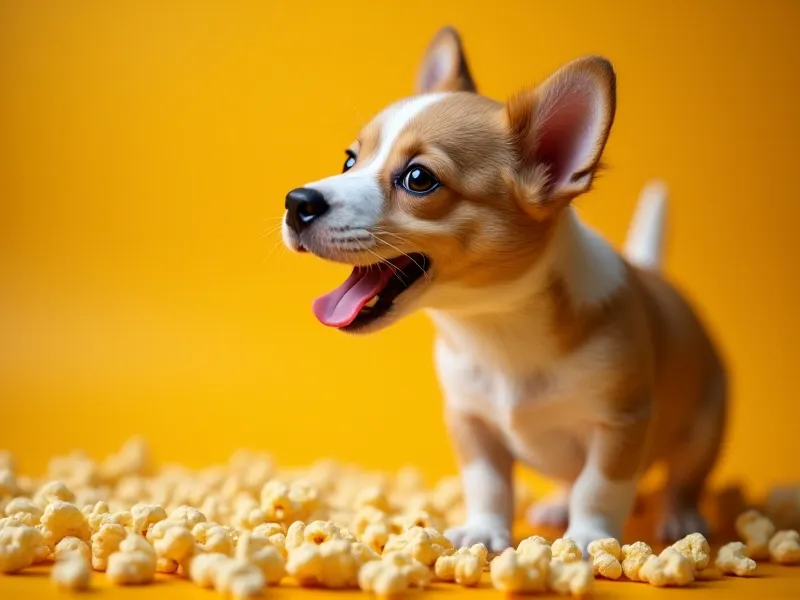
Table of Contents
- Can Dogs Eat Cheddar Popcorn? The Short Answer
- Potential Benefits of Cheddar Popcorn for Dogs (Spoiler: They’re Minimal)
- Whole Grains and Fiber
- Potassium and Trace Minerals
- The Catch: Cheddar Flavoring Ruins the Party
- The Risks of Feeding Cheddar Popcorn to Dogs
- Salt: A Silent Threat to Your Pup’s Health
- Artificial Flavors, Colors, and Preservatives
- Butter and Oil: A Fatty Disaster Waiting to Happen
- Choking Hazards and Unpopped Kernels
- Hidden Sugar: Some Brands Add It!
- How Much Cheddar Popcorn Can Dogs Safely Eat?
- Guidelines by Dog Size
- Frequency: Occasional Treats Only
- Healthier Alternatives to Cheddar Popcorn
- Plain, Air-Popped Popcorn (The Gold Standard)
- Veggie Snacks: Crunchy and Nutritious
- Fruit Treats (In Moderation)
- Commercial Dog Treats: Designed for Safety
- FAQ: Your Cheddar Popcorn Questions Answered
- Conclusion: Enjoy Snacks Responsibly with Your Pup
1. Can Dogs Eat Cheddar Popcorn? The Short Answer
Yes, but only in tiny, occasional amounts—and with major caveats.
Plain, air-popped popcorn is actually a low-calorie, whole-grain snack that can be safe for dogs in moderation. But cheddar popcorn? It’s a different story. Most cheddar-flavored popcorn is loaded with added salt, artificial flavors, butter, and oil—all of which can harm your dog, especially in large quantities.
Think of it this way: Cheddar popcorn is like a “junk food” version of plain popcorn. While a single kernel or two might not hurt, making it a regular treat could lead to health issues down the line.
2. Potential Benefits of Cheddar Popcorn for Dogs (Spoiler: They’re Minimal)
At first glance, popcorn might seem like a “healthy” snack. After all, it’s made from corn, a whole grain. But when you add cheddar flavoring, those potential benefits get overshadowed by the risks. Let’s break it down:
Whole Grains and Fiber
Plain popcorn is a whole grain, meaning it contains fiber. Fiber is great for dogs’ digestion, helping to regulate bowel movements and keep their gut healthy. A 2019 study in the Journal of Veterinary Internal Medicine even noted that fiber-rich diets can support digestive health in dogs.
But here’s the problem: Cheddar popcorn is rarely made with just plain popcorn. The added salt, butter, and flavoring turn it into a high-sodium, high-fat snack—negating any fiber benefits.
Potassium and Trace Minerals
Corn (the base of popcorn) contains small amounts of potassium, a mineral that supports heart health, muscle function, and electrolyte balance in dogs. According to the Merck Veterinary Manual, potassium is essential for maintaining normal bodily functions.
Again, though, the cheddar flavoring ruins this. Most cheddar popcorn has so much salt that the tiny amount of potassium becomes irrelevant. In fact, too much salt can deplete potassium levels in dogs, leading to imbalances.
The Catch: Cheddar Flavoring Ruins the Party
Let’s be clear: The “cheddar” in cheddar popcorn is rarely real cheese. Most commercial brands use artificial cheddar flavoring, which is a mix of salt, monosodium glutamate (MSG), artificial colors, and preservatives. Even “natural” cheddar flavoring often contains high levels of salt and additives.
These ingredients turn a potentially neutral snack into something that’s more risk than reward.
3. The Risks of Feeding Cheddar Popcorn to Dogs
Now, let’s talk about the real concerns with cheddar popcorn. These risks are why most vets recommend avoiding it—or limiting it to a tiny, once-in-a-blue-moon treat.
Salt: A Silent Threat to Your Pup’s Health
Salt (sodium) is the biggest danger in cheddar popcorn. Dogs need very little sodium in their diet: according to the National Research Council, adult dogs require just 100 mg of sodium per kilogram of body weight per day. A single cup of cheddar popcorn can contain 200–400 mg of sodium—more than the daily requirement for a small dog (like a 10-pound Chihuahua, who needs only ~45 mg/day).
Too much salt can lead to sodium ion poisoning, which causes symptoms like:
- Excessive thirst and urination
- Vomiting or diarrhea
- Lethargy or confusion
- Seizures (in severe cases)
If left untreated, sodium poisoning can be fatal. The ASPCA warns that even small amounts of high-sodium foods can be dangerous for dogs, especially small breeds.
Artificial Flavors, Colors, and Preservatives
Cheddar flavoring often includes artificial additives like:
- MSG: Linked to headaches, nausea, and stomach upset in humans; while there’s limited research on dogs, vets caution against it.
- Artificial colors (like Yellow 5 or Yellow 6): These are banned in some countries due to links to hyperactivity and cancer in lab animals. The FDA allows them, but the Center for Science in the Public Interest (CSPI) labels them “unsafe.”
- Preservatives (like BHT or BHA): Used to extend shelf life, these chemicals have been linked to organ damage in long-term studies on animals.
Your dog’s digestive system is more sensitive than yours, so these additives can cause vomiting, diarrhea, or allergic reactions.
Butter and Oil: A Fatty Disaster Waiting to Happen
Most cheddar popcorn is cooked in oil or coated in butter to enhance flavor. While a little fat is okay, too much can lead to pancreatitis—a painful, potentially life-threatening condition where the pancreas becomes inflamed.
Pancreatitis symptoms include:
- Severe abdominal pain (your dog may hunch over or avoid being touched)
- Vomiting (sometimes with bile)
- Loss of appetite
- Lethargy
Dogs with a history of pancreatitis, obesity, or diabetes are especially at risk.
Choking Hazards and Unpopped Kernels
Popcorn kernels—even popped ones—are small and irregularly shaped, making them a choking risk for dogs, especially small breeds or those who gulp their food. Unpopped kernels are even worse: they’re hard, sharp, and can get stuck in your dog’s teeth, gums, or throat. If swallowed, they might block the intestines, requiring surgery to remove.
Hidden Sugar: Some Brands Add It!
Believe it or not, some cheddar popcorn varieties (especially “sweet and salty” blends) include added sugar. Dogs don’t need sugar in their diet, and excess sugar leads to obesity, dental decay, and even diabetes. The AKC notes that sugar is a “empty calorie” for dogs and offers no nutritional value.
4. How Much Cheddar Popcorn Can Dogs Safely Eat?
If you must share a tiny piece of cheddar popcorn with your dog (we get it—those puppy eyes are tough!), follow these strict guidelines:
Guidelines by Dog Size
- Small dogs (under 20 lbs): 1–2 popped kernels, max. Any more and you’re risking salt overload.
- Medium dogs (20–50 lbs): 2–3 popped kernels. Still, proceed with caution—even this small amount has salt.
- Large dogs (50+ lbs): 3–4 popped kernels. Their larger size means they can handle slightly more sodium, but it’s still not ideal.
Frequency: Occasional Treat Only
Cheddar popcorn should never be a regular snack. Aim for once a month at most—and only if your dog has no health issues (like kidney disease, hypertension, or pancreatitis). If your dog has any chronic conditions, skip it entirely.
5. Healthier Alternatives to Cheddar Popcorn
Instead of risking cheddar popcorn, opt for these safer, more nutritious snacks your dog will adore:
Plain, Air-Popped Popcorn
The best popcorn for dogs is plain, air-popped, no butter, no salt. It’s low in calories, high in fiber, and free of additives. Just pop it in an air popper (no oil!) and share 1–2 kernels per 10 lbs of body weight.
Veggie Snacks: Crunchy and Nutritious
Dogs love crunchy veggies! Try:
- Carrot sticks: Low in calories, high in fiber and vitamin A.
- Green beans: Packed with iron, potassium, and fiber—great for weight management.
- Cucumber slices: Hydrating and low in calories (perfect for hot days!).
Fruit Treats (In Moderation)
Most dogs go crazy for fruit! Safe options include:
- Apple slices (remove seeds and core—seeds contain cyanide, which is toxic).
- Blueberries: Antioxidant-rich and low in sugar.
- Banana slices: High in potassium, but feed sparingly (they’re sugary).
Commercial Dog Treats: Designed for Safety
When in doubt, stick to treats made for dogs. Look for brands with simple, natural ingredients (e.g., Wellness, Blue Buffalo, or Merrick). Avoid treats with added salt, sugar, or artificial flavors.
6. FAQ: Your Cheddar Popcorn Questions Answered
Q: My dog stole a handful of cheddar popcorn! Should I panic?
A: Stay calm, but monitor them closely. If it’s a small handful (e.g., 5–10 kernels for a large dog), they’ll likely be fine. Watch for symptoms like vomiting, diarrhea, or excessive thirst for 24 hours. If they ate a large amount (e.g., half a bag), call your vet immediately—they may need treatment for salt toxicity.
Q: Is white cheddar popcorn safer than regular cheddar?
A: No. White cheddar popcorn still contains the same problematic ingredients: salt, artificial flavoring, and often butter or oil. The color doesn’t change the risks.
Q: Can puppies eat cheddar popcorn?
A: Puppies have sensitive digestive systems and developing organs, so it’s best to avoid cheddar popcorn entirely. Stick to puppy-safe treats (like plain yogurt or soft veggies) instead.
Q: What if my dog has pancreatitis—can they ever have cheddar popcorn?
A: No. Dogs with pancreatitis (or a history of it) must avoid high-fat, high-sodium foods like cheddar popcorn. Even a tiny amount could trigger a flare-up.
Q: Is “light” or “low-sodium” cheddar popcorn safer?
A: “Low-sodium” doesn’t mean “no sodium.” These varieties still contain salt, plus artificial flavoring. It’s better to skip them and choose plain air-popped popcorn instead.
7. Conclusion: Enjoy Snacks Responsibly with Your Pup
At the end of the day, cheddar popcorn is a human snack—not a dog snack. While a tiny, occasional piece might not hurt, the risks (salt, additives, choking) far outweigh the minimal benefits.
Instead of sharing your cheesy popcorn, opt for safer alternatives like plain air-popped popcorn, veggies, or dog-specific treats. Your dog will love the attention, and you’ll have peace of mind knowing you’re keeping them healthy.
As always, if you’re unsure about a new food, consult your vet. They know your dog’s health history and can give personalized advice.
Now, go enjoy that movie night—with a bowl of your cheddar popcorn and a separate bowl of dog-safe snacks for your pup. Win-win!
References
- American Society for the Prevention of Cruelty to Animals (ASPCA). “People Foods to Avoid Feeding Your Pets.” aspca.org/pet-care/animal-poison-control/people-foods-avoid-feeding-your-pets
- American Kennel Club (AKC). “Can Dogs Eat Popcorn?” akc.org/expert-advice/nutrition/can-dogs-eat-popcorn
- PetMD. “Salt Toxicity in Dogs.” petmd.com/dog/conditions/toxicity/salt-toxicity-dogs
- Merck Veterinary Manual. “Nutrition: Requirements and Related Diseases.” merckvetmanual.com/nutrition-and-nutritional-diseases/nutrition-of-dogs/nutritional-requirements-of-dogs