· 8 min read
Can Dogs Eat Cheddar Cheese? A Pet Parent’s Guide to Safe Snacking
You’re curled up on the couch, munching on a sharp cheddar cracker, when you feel a wet nose nudge your hand. Looking down, you’re met with those irresistible puppy eyes—wide, hopeful, and clearly begging for a bite. It’s a scenario every pet parent knows: sharing food with your dog feels like a love language. But before you toss them that tiny cube of cheddar, you pause: Is cheddar cheese safe for dogs?
If you’ve ever wondered whether your furry friend can enjoy this creamy, tangy snack, you’re not alone. Cheddar cheese is a household staple, and its strong flavor makes it a tempting treat to share. In this guide, we’ll break down the facts: the benefits, the risks, how much is safe, and even healthier alternatives. By the end, you’ll know exactly when (and how) to treat your pup to cheddar—without compromising their health.
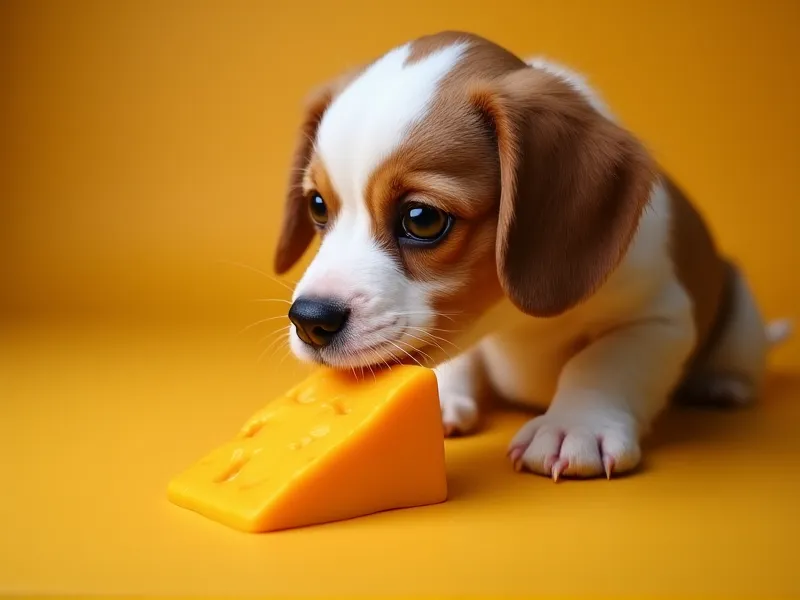
Table of Contents
- Can Dogs Eat Cheddar Cheese? The Short Answer
- The Potential Benefits of Cheddar Cheese for Dogs
- The Risks of Feeding Cheddar Cheese to Dogs
- How Much Cheddar Cheese Can Dogs Eat? Guidelines for Pet Parents
- Healthier Alternatives to Cheddar Cheese
- FAQ: Your Cheddar Cheese Questions Answered
- Conclusion: Enjoy Cheddar Responsibly
Can Dogs Eat Cheddar Cheese? The Short Answer
Yes, dogs can eat cheddar cheese—in moderation. Cheddar is not toxic to dogs, and many pups (especially those with a taste for dairy) will happily gobble it up. However, it’s not a “free pass” snack. Like all human foods, cheddar comes with pros and cons, and overfeeding can lead to health issues.
The key here is moderation and awareness. Some dogs tolerate cheddar well, while others (especially those with lactose intolerance or sensitive stomachs) may react poorly. Let’s dive into the details to help you decide if cheddar has a place in your dog’s treat rotation.
The Potential Benefits of Cheddar Cheese for Dogs
While cheddar shouldn’t replace your dog’s balanced kibble or wet food, it does offer some nutritional perks when given occasionally:
1. High-Quality Protein
Cheddar is packed with protein—about 7 grams per ounce (28 grams). Protein is essential for dogs, supporting muscle growth, repair, and overall energy levels. For active dogs or those recovering from illness, a small piece of cheddar can be a tasty protein boost.
2. Calcium for Strong Bones and Teeth
Calcium is crucial for canine health, and cheddar delivers: roughly 200 mg per ounce. This mineral supports strong bones, teeth, and proper muscle function—especially important for growing puppies and senior dogs.
3. Vitamins A and B12
Cheddar contains vitamin A, which promotes healthy skin, coat, and vision, and vitamin B12, which aids in nerve function and red blood cell production. These vitamins are part of a balanced diet, and cheddar can contribute small amounts to your dog’s intake.
4. A Motivating Training Tool
Let’s be real: dogs love cheese. Its strong aroma and rich flavor make it a powerful training reward. A tiny cube of cheddar can motivate even the most stubborn pup to learn new commands (sit, stay, come!)—just keep portions small to avoid overdoing it.
The Risks of Feeding Cheddar Cheese to Dogs
While cheddar has benefits, it’s important to be aware of the risks, especially with overfeeding:
1. Lactose Intolerance
Most adult dogs are lactose intolerant to some degree. Lactose is the sugar in milk, and dogs (like many humans) produce less lactase—the enzyme needed to digest lactose—as they age. Puppies have more lactase, but by adulthood, many struggle to break it down.
Cheddar has less lactose than milk (thanks to the aging process), but it’s not lactose-free. Signs of lactose intolerance in dogs include:
- Diarrhea
- Gas
- Bloating
- Stomach cramps
If your dog shows these symptoms after eating cheddar, they may need to avoid dairy altogether.
2. High Fat Content
Cheddar is high in fat: about 9 grams per ounce. While some fat is necessary for dogs, excess fat can lead to obesity, which increases the risk of diabetes, joint pain, and heart disease.
Worse, high-fat foods like cheddar can trigger pancreatitis—a painful, potentially life-threatening condition where the pancreas becomes inflamed. Breeds prone to pancreatitis (e.g., Miniature Schnauzers, Cocker Spaniels) are especially at risk.
3. Sodium Overload
Cheddar is also salty: around 174 mg of sodium per ounce. Dogs need sodium, but too much can cause:
- Increased thirst and urination
- Dehydration
- High blood pressure
- In severe cases, sodium ion poisoning (though this is rare with cheddar, it’s a risk with frequent overfeeding).
4. Choking Hazard
Large chunks of cheddar can pose a choking risk, especially for small dogs or those who gulp their food. Always cut cheese into tiny, bite-sized pieces to prevent blockages.
How Much Cheddar Cheese Can Dogs Eat? Guidelines for Pet Parents
The golden rule for treats: they should make up no more than 10% of your dog’s daily calorie intake. The rest should come from a balanced, vet-approved diet.
To put this in perspective, here’s a general guide based on your dog’s weight (adjust based on their activity level and health):
| Dog Size | Weight | Recommended Cheddar Portion | Frequency |
|---|---|---|---|
| Small (e.g., Chihuahua, Yorkie) | 5–10 lbs | 1–2 small cubes (about 0.25–0.5 oz) | 1–2 times per week |
| Medium (e.g., Beagle, Cocker Spaniel) | 15–30 lbs | 2–3 small cubes (about 0.5–1 oz) | 1–2 times per week |
| Large (e.g., Labrador, German Shepherd) | 40–70 lbs | 3–4 small cubes (about 1–1.5 oz) | 1–2 times per week |
| Extra-Large (e.g., Great Dane, Mastiff) | 80+ lbs | 4–5 small cubes (about 1.5–2 oz) | 1–2 times per week |
Pro Tip: If you’re unsure how many calories your dog needs, check their food label or ask your vet. For example, a 30-pound dog typically needs 600–900 calories per day, so 10% is 60–90 calories. One ounce of cheddar has ~114 calories, so even a medium dog should stick to 0.5–1 oz max.
Healthier Alternatives to Cheddar Cheese
If cheddar doesn’t agree with your dog (or you want to mix up their treats), try these safer, nutrient-dense alternatives:
1. Cottage Cheese
Cottage cheese is lower in fat and lactose than cheddar, making it easier on sensitive stomachs. It’s high in protein and calcium, and many dogs love its creamy texture. Opt for plain, unsalted cottage cheese (avoid flavors like pineapple or chives).
2. Mozzarella
Low-moisture mozzarella is lower in fat and sodium than cheddar, with a mild flavor dogs enjoy. It’s also a good source of protein and calcium—just stick to small, bite-sized pieces.
3. Carrots
Crunchy, low-calorie, and full of fiber and vitamin A, carrots are a great alternative. They’re also good for your dog’s teeth, as chewing them helps scrape away plaque.
4. Apples (Without Seeds)
Apples are rich in fiber and vitamin C. Remove the seeds (they contain small amounts of cyanide) and core, then slice into wedges for a sweet, crunchy treat.
5. Green Beans
Steamed or raw green beans are low in calories and high in fiber, making them ideal for weight-conscious dogs. They’re also a good source of vitamins K and C.
FAQ: Your Cheddar Cheese Questions Answered
Q: Can puppies eat cheddar cheese?
A: Puppies have more lactase than adult dogs, so they may tolerate small amounts of cheddar better. However, puppies have sensitive digestive systems, so start with a tiny piece (e.g., a crumb) and watch for signs of upset. Always consult your vet before adding new foods to a puppy’s diet, as their nutritional needs are specific.
Q: My dog ate a whole block of cheddar—what should I do?
A: A large amount of cheddar can cause vomiting, diarrhea, or pancreatitis (especially in small dogs or those prone to it). Contact your vet immediately. They may recommend monitoring for symptoms (lethargy, loss of appetite, abdominal pain) or bringing your dog in for treatment.
Q: Is low-fat cheddar safer for dogs?
A: Low-fat cheddar has less fat (and slightly fewer calories), which reduces the risk of pancreatitis and obesity. However, it’s still high in sodium, so moderation is key. Always check the label for added sugars or artificial flavors, which are best avoided.
Q: Can cheddar cheese help with my dog’s constipation?
A: Some pet parents swear by small amounts of cheese to relieve constipation, but there’s no scientific evidence for this. If your dog is constipated, consult your vet—they may recommend adding fiber (e.g., pumpkin) to their diet instead.
Q: Are there any cheeses dogs should never eat?
A: Yes! Avoid:
- Blue cheese (contains mold toxins that can harm dogs).
- Processed cheeses (e.g., Cheez Whiz, string cheese with additives) often have extra salt, sugar, or preservatives.
- Cheeses with garlic/onion (these ingredients are toxic to dogs).
Conclusion: Enjoy Cheddar Responsibly
So, can dogs eat cheddar cheese? Yes—with caveats. When given in small, occasional portions, cheddar can be a tasty, nutrient-rich treat for many dogs. But it’s not for everyone: lactose-intolerant pups, those with pancreatitis, or overweight dogs may need to skip it.
As a pet parent, the best approach is to know your dog’s individual needs. Start with a tiny piece of cheddar, monitor for reactions, and keep portions small. And when in doubt, consult your vet—they can help you decide if cheddar (or an alternative) is right for your furry friend.
At the end of the day, sharing a snack with your dog is about joy and connection. With a little moderation, that tiny cube of cheddar can be a sweet way to bond—without compromising their health.
Happy snacking (responsibly) to you and your pup!