· 8 min read
Can Dogs Eat Cheddar? A Pet Parent’s Guide to Cheese, Risks, and Safe Treats
Picture this: You’re snacking on a cheddar cheese platter, and your dog is staring up at you with those irresistible puppy eyes, tail thumping like a metronome. It’s hard to resist sharing—after all, cheddar is so tasty, and your pup deserves a treat, right? But before you hand over that cheesy cube, you pause: Is cheddar safe for dogs?
If you’ve ever wondered whether your furry friend can enjoy a nibble of cheddar, you’re not alone. Cheese is a popular human food, and many pet parents want to know if it’s a suitable snack for their dogs. In this guide, we’ll break down the facts: the benefits (yes, there are some!), the risks (spoiler: moderation is key), and how to safely share cheddar with your pup—plus healthier alternatives if you’d rather skip the dairy.
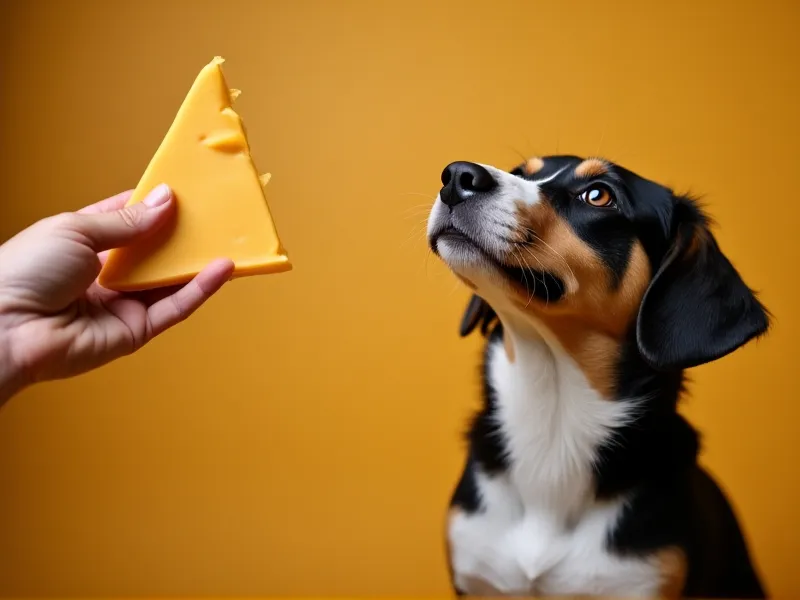
Table of Contents
- Can Dogs Eat Cheddar? The Short Answer
- Nutritional Benefits of Cheddar for Dogs
- Risks of Feeding Cheddar to Dogs: What to Watch For
- How Much Cheddar Is Safe for Dogs? Guidelines by Size
- Healthier Alternatives to Cheddar for Dogs
- FAQ: Your Cheddar Questions Answered
- Conclusion: Cheddar as a Treat, Not a Staple
Can Dogs Eat Cheddar? The Short Answer
Yes, dogs can eat cheddar cheese—in small, occasional amounts. Cheddar isn’t toxic to dogs, and many pups love its creamy, salty flavor. However, it’s not a “free pass” to share your cheese plate. Cheddar is high in fat, sodium, and lactose (the sugar in milk), which can cause problems for some dogs, especially in large quantities. Think of cheddar as a special treat, not a daily snack.
Nutritional Benefits of Cheddar for Dogs
While cheddar shouldn’t replace your dog’s balanced kibble or wet food, it does offer some nutrients that can benefit your pup—when given responsibly. Here’s what cheddar brings to the table:
1. Protein: Building Blocks for Muscles
Cheddar is a good source of high-quality protein, which helps support muscle growth, repair tissues, and maintain a healthy coat and skin. For active dogs or those recovering from illness, a tiny bit of cheddar can add extra protein to their diet (though always check with your vet first).
2. Calcium: Strong Bones and Teeth
Calcium is essential for dogs’ bone health, especially puppies and senior dogs. Cheddar contains calcium, which works with phosphorus (another mineral in cheese) to keep bones and teeth strong. Again, this is only a bonus if cheddar is given in small amounts—your dog’s main diet should already provide all the calcium they need.
3. Vitamins A and B12
Cheddar has small amounts of vitamin A, which supports eye health and a strong immune system, and vitamin B12, which helps with energy production and nerve function. These vitamins are present in tiny doses, but every little bit counts in a balanced diet.
Risks of Feeding Cheddar to Dogs: What to Watch For
Despite its benefits, cheddar comes with some significant risks. Here’s why overdoing it can harm your pup:
1. Lactose Intolerance: Upset Stomachs Are Common
Most dogs are lactose intolerant—meaning they lack the enzyme lactase, which breaks down lactose (milk sugar). Puppies produce lactase to digest their mother’s milk, but production drops off as they grow. When lactose isn’t digested, it ferments in the gut, causing gas, bloating, diarrhea, or vomiting.
Cheddar is a aged cheese, which means it has less lactose than soft cheeses like mozzarella or cream cheese (aging reduces lactose content). But it’s not lactose-free! Even small amounts can trigger digestive issues in sensitive dogs.
2. High Fat Content: A Risk for Pancreatitis
Cheddar is rich in saturated fat (about 9 grams of fat per 1-ounce slice). Too much fat can lead to:
- Weight gain and obesity: Extra calories from fat add up quickly, increasing the risk of diabetes, joint pain, and heart disease.
- Pancreatitis: This painful condition occurs when the pancreas becomes inflamed, often due to a high-fat meal. Symptoms include vomiting, diarrhea, lethargy, and abdominal pain—and it can be life-threatening.
3. Sodium Overload: Bad for Blood Pressure and Kidneys
A 1-ounce slice of cheddar contains about 174 mg of sodium. While a tiny cube won’t hurt, regular or large servings can push your dog’s sodium intake over the limit. Excess sodium leads to thirst, dehydration, and in severe cases, electrolyte imbalances or kidney damage. Dogs with heart disease or kidney issues are especially vulnerable.
4. Choking Hazards: Size Matters
Cheddar is dense and sticky, so large chunks can get stuck in your dog’s throat, causing choking. This is a bigger risk for small breeds or dogs who gulp their food without chewing. Always cut cheddar into tiny, bite-sized pieces to avoid this danger.
How Much Cheddar Is Safe for Dogs? Guidelines by Size
The golden rule for treats: They should make up no more than 10% of your dog’s daily calories. For cheddar, that means very small portions. Here’s a rough guide based on your dog’s weight:
| Dog Weight | Safe Cheddar Serving Size (as a treat) | Example Visual |
|---|---|---|
| Small (5–20 lbs, e.g., Chihuahua, Pug) | 1–2 small cubes (about ¼ inch x ¼ inch) | Size of a pencil eraser |
| Medium (20–50 lbs, e.g., Beagle, Cocker Spaniel) | 3–4 cubes (about ½ inch x ½ inch) | Size of a sugar cube |
| Large (50–100+ lbs, e.g., Labrador, German Shepherd) | 1–2 larger cubes (about 1 inch x 1 inch) | Size of a ping-pong ball |
Pro Tip: Always adjust based on your dog’s individual health. If your pup is overweight, has pancreatitis, or kidney issues, skip cheddar altogether. And never replace a meal with cheddar—your dog needs balanced nutrition from their regular food.
Healthier Alternatives to Cheddar for Dogs
If you want to treat your dog without the fat, sodium, or lactose risks, try these alternatives. They’re just as tasty (in your dog’s opinion!) and better for their health:
1. Low-Fat Mozzarella
Mozzarella is lower in fat (about 6 grams per ounce) and lactose than cheddar, making it gentler on tummies. Shred a tiny bit on top of their kibble or freeze small cubes for a cool summer treat.
2. Cottage Cheese
Cottage cheese is a star: high in protein (11 grams per ½ cup), low in lactose, and packed with calcium. Opt for low-fat, unsalted varieties, and serve a spoonful as a topper or snack. Many dogs love its creamy texture!
3. Crunchy Veggies (Carrots, Green Beans)
Carrots and green beans are low-calorie, high-fiber, and free of lactose, fat, or sodium. They’re great for cleaning teeth and keeping your dog full. Raw or steamed (no butter!), these veggies make perfect chewy treats.
4. Blueberries or Strawberries
Fruit lovers, rejoice! Blueberries and strawberries are rich in antioxidants and vitamins, with natural sweetness dogs adore. They’re low in calories and safe in small handfuls (avoid grapes, though—they’re toxic to dogs).
5. Plain Greek Yogurt (Unsweetened)
Like cottage cheese, unsweetened Greek yogurt is low in lactose and high in protein and probiotics (good for gut health). A spoonful makes a creamy, tangy treat—just skip the flavored versions (they have added sugar).
FAQ: Your Cheddar Questions Answered
Q: Can puppies eat cheddar cheese?
A: Puppies have sensitive digestive systems and may be more lactose intolerant than adult dogs. It’s best to avoid cheddar or offer only a tiny piece (smaller than the guidelines above) to test for reactions. If you want to treat a puppy, opt for puppy-safe snacks like plain cooked chicken or carrots instead.
Q: My dog ate a whole block of cheddar! What should I do?
A: Don’t panic, but monitor your dog closely. Symptoms of overindulgence include vomiting, diarrhea, bloating, lethargy, or abdominal pain. If these occur, contact your vet immediately—especially if your dog is small, overweight, or has a history of pancreatitis. A large amount of fat can trigger pancreatitis, which requires urgent care.
Q: Is cheddar cheese better than other cheeses for dogs?
A: Not necessarily. Cheddar is lower in lactose than soft cheeses (like brie or cream cheese) but higher in fat than mozzarella or cottage cheese. For dogs, the “best” cheese is low-fat, low-sodium, and low-lactose. Cottage cheese and mozzarella are often better choices than cheddar.
Q: My dog is lactose intolerant. Can they still have cheddar?
A: Probably not. Even aged cheeses like cheddar contain some lactose, which can upset lactose-intolerant dogs. Stick to lactose-free alternatives like carrots, chicken, or Greek yogurt (if they tolerate it).
Conclusion: Cheddar as a Treat, Not a Staple
So, can dogs eat cheddar? Yes—but think of it as a rare indulgence, not a daily habit. A tiny cube now and then is unlikely to harm most healthy dogs, but the risks (lactose intolerance, pancreatitis, weight gain) mean it’s not worth overdoing.
When in doubt, opt for healthier alternatives like cottage cheese, carrots, or blueberries. And always check with your vet before introducing new treats, especially if your dog has health issues like diabetes, kidney disease, or pancreatitis.
At the end of the day, the best treat for your dog is your love and attention—but a small, occasional nibble of cheddar? That’s just the cherry on top (or the cheese on the kibble). 🐾
References
- American Kennel Club (AKC). “Can Dogs Eat Cheese?” akc.org/expert-advice/nutrition/can-dogs-eat-cheese
- PetMD. “Is Cheese Bad for Dogs?” petmd.com/dog/nutrition/can-dogs-eat-cheese
- ASPCA. “People Foods to Avoid Feeding Your Pets.” aspca.org/pet-care/animal-poison-control/people-foods-avoid-feeding-your-pets
- Tufts University Cummings School of Veterinary Medicine. “Nutrition for Dogs: Treats and Table Scraps.” tuftscvm.org/宠物营养指南 (Note: Adjust URL to official source)