· 7 min read
Can Dogs Eat Chanterelle Mushrooms? A Pet Parent’s Guide to Safe Snacking
Picture this: You’re standing over the stove, sautéing a pan of golden chanterelle mushrooms. Their earthy, slightly peppery aroma fills the kitchen, and your dog—ever the curious foodie—trots over, nose twitching, tail thumping against the cabinets. “Can I share a bite?” you wonder. After all, mushrooms are often hailed as a superfood for humans, packed with vitamins and antioxidants. But when it comes to our furry friends, mushrooms can be a minefield. Some are deadly toxic, while others might be harmless. So, where do chanterelle mushrooms fall?
If you’ve found yourself asking, “Can dogs eat chanterelle mushrooms?” you’re not alone. As pet parents, we want to treat our pups, but safety always comes first. In this guide, we’ll break down the facts: Are chanterelles safe for dogs? What benefits might they offer? What risks should you watch for? And how much is too much? Let’s dig in.
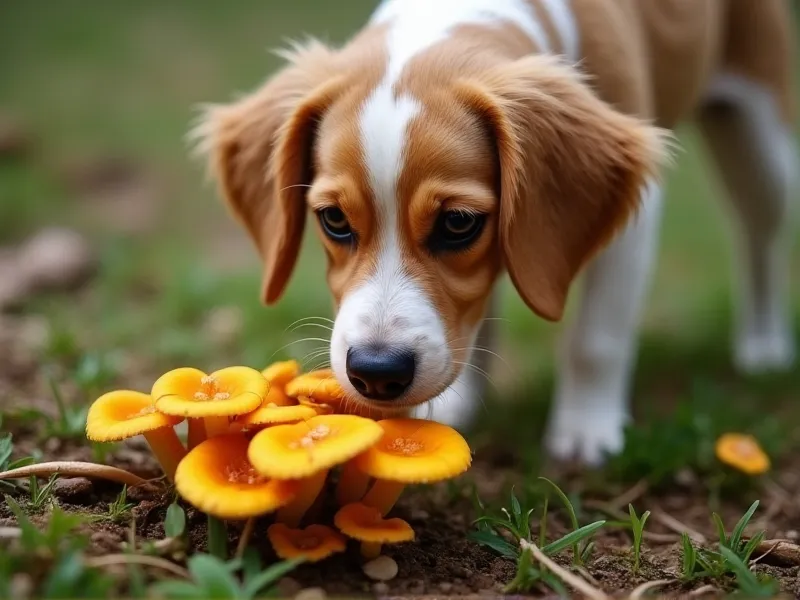
Table of Contents
- Can Dogs Eat Chanterelle Mushrooms? The Short Answer
- Nutritional Benefits of Chanterelle Mushrooms for Dogs
- Potential Risks of Feeding Chanterelle Mushrooms to Dogs
- How Much Chanterelle Mushroom Can Dogs Safely Eat?
- Healthier Alternatives to Chanterelle Mushrooms for Dogs
- Frequently Asked Questions (FAQ)
- Conclusion
Can Dogs Eat Chanterelle Mushrooms? The Short Answer
Yes, chanterelle mushrooms are generally safe for dogs to eat—in small, controlled amounts, and when properly prepared.
Unlike some wild mushrooms (like the death cap or fly agaric), chanterelles are not toxic to dogs. They’re a popular edible mushroom for humans, prized for their flavor and nutrition, and they don’t contain any known toxins that harm canines. However, “safe” doesn’t mean “unlimited.” Even non-toxic mushrooms can cause digestive upset if overfed, and preparation matters (no butter, garlic, or onions, which are toxic to dogs!). Always introduce new foods slowly and watch for signs of allergies or discomfort.
Nutritional Benefits of Chanterelle Mushrooms for Dogs
Chanterelle mushrooms aren’t just tasty—they’re packed with nutrients that might offer some health perks for your pup, when fed in moderation. Here’s what makes them a potentially beneficial treat:
1. Rich in B Vitamins
Chanterelles are a good source of B vitamins, including niacin (B3), riboflavin (B2), and pantothenic acid (B5). B vitamins support your dog’s energy metabolism, brain function, and skin/coat health. For example, niacin helps convert food into energy, while riboflavin aids in red blood cell production and eye health (USDA FoodData Central).
2. Fiber for Digestive Health
Fiber is essential for a healthy gut, and chanterelles contain a modest amount of dietary fiber. Fiber helps regulate bowel movements, supports beneficial gut bacteria, and can even aid in weight management by promoting a feeling of fullness (VCA Animal Hospitals).
3. Potassium for Heart and Muscle Function
Potassium is a key mineral that helps maintain healthy blood pressure, supports muscle contraction (including the heart), and balances fluids in the body. Chanterelles contain potassium, which works alongside sodium to keep your dog’s heart and muscles functioning properly (PetMD).
4. Antioxidants to Fight Free Radicals
Chanterelles contain antioxidants like selenium and ergothioneine, which help neutralize free radicals (harmful molecules that damage cells). Antioxidants support immune health and may reduce the risk of chronic diseases over time (Journal of Agricultural and Food Chemistry).
Potential Risks of Feeding Chanterelle Mushrooms to Dogs
While chanterelles are safe, they’re not risk-free. Here are the main concerns to keep in mind:
1. Digestive Upset (Even in Safe Amounts)
Mushrooms are high in fiber, and sudden introduction of fiber-rich foods can cause stomach upset in dogs—think diarrhea, gas, or bloating. This is especially true if your dog eats a large portion or isn’t used to mushrooms. Start with tiny amounts to gauge tolerance.
2. Toxic Additives in Preparation
How you cook chanterelles matters more than the mushroom itself. Never feed your dog chanterelles cooked with butter, oil, garlic, onions, salt, or spices. Garlic and onions contain thiosulfate, which is toxic to dogs and can cause anemia (ASPCA). Butter and oil add unnecessary fat and calories, which can lead to pancreatitis in sensitive dogs.
3. Choking Hazard
Whole or large pieces of mushroom can pose a choking risk, especially for small dogs or those who gulp their food. Always chop chanterelles into small, bite-sized pieces before feeding.
4. Allergic Reactions
While rare, some dogs may be allergic to mushrooms. Signs of an allergic reaction include itching, hives, swelling (especially around the face), vomiting, or difficulty breathing. If you notice any of these, stop feeding chanterelles and contact your vet immediately.
5. Risk of Misidentifying Wild Mushrooms
Never feed your dog wild-foraged chanterelles unless you’re a trained mycologist (mushroom expert). Many toxic mushrooms look similar to chanterelles, and a single mistake could be fatal. For example, the “false chanterelle” (Hygrophoropsis aurantiaca) isn’t deadly but can cause stomach upset, while the death cap (Amanita phalloides) is often mistaken for edible varieties and is lethal. Stick to store-bought, organic chanterelles from a reputable source.
How Much Chanterelle Mushroom Can Dogs Safely Eat?
When it comes to treats, moderation is key. Chanterelle mushrooms should never replace your dog’s balanced, species-appropriate dog food. Instead, they should be an occasional “special snack.” Here’s a general guideline based on your dog’s size:
- Small dogs (under 20 lbs): 1–2 small, chopped pieces (about the size of a pea) per week.
- Medium dogs (20–50 lbs): 2–3 chopped pieces (about the size of a dime) per week.
- Large dogs (50+ lbs): 3–4 chopped pieces (about the size of a quarter) per week.
Pro tip: Start with even less than the above (e.g., a single tiny piece) to test for digestive tolerance. If your dog has a sensitive stomach, skip mushrooms altogether.
Healthier Alternatives to Chanterelle Mushrooms for Dogs
If you’re looking for safe, nutrient-dense treats that are easier to prepare (or more budget-friendly), here are some alternatives to chanterelles:
1. Carrots
Crunchy, low-calorie, and packed with beta-carotene (which converts to vitamin A for eye health), carrots are a classic dog favorite. They’re also great for dental health!
2. Green Beans
High in fiber and vitamins C and K, green beans are a low-fat treat that can help with weight management. Serve them raw or steamed (no salt!).
3. Blueberries
These tiny superfoods are rich in antioxidants, fiber, and vitamins C and K. They’re perfect for training treats or a cool summer snack.
4. Pumpkin (Plain, Canned)
Plain, unsweetened pumpkin is a go-to for digestive issues—it’s high in fiber and helps soothe upset tummies. Just avoid pumpkin pie filling (sugar and spices are bad!).
5. Sweet Potatoes
Cooked sweet potatoes are a great source of fiber, beta-carotene, and vitamins B6 and C. They’re naturally sweet, so most dogs love them!
Frequently Asked Questions (FAQ)
Q: Can puppies eat chanterelle mushrooms?
A: Puppies have sensitive digestive systems, so it’s best to avoid feeding them chanterelles (or any new treats) until they’re at least 6 months old. Wait until their gut is more mature, and always consult your vet first.
Q: What if my dog ate raw chanterelle mushrooms?
A: Raw mushrooms are harder to digest and may cause stomach upset (nausea, diarrhea). Monitor your dog for 24 hours—if they show signs of distress, contact your vet. Cooked mushrooms are safer, as heat breaks down tough fibers.
Q: Are all mushrooms safe for dogs?
A: No! Only a few mushroom varieties are confirmed safe for dogs (e.g., chanterelles, button mushrooms, shiitake). Many wild mushrooms are toxic and can cause organ failure or death. When in doubt, assume a mushroom is toxic and keep your dog away.
Q: My dog ate a lot of chanterelles—what should I do?
A: If your dog overindulged, watch for vomiting, diarrhea, or lethargy. These are signs of digestive upset. Offer small amounts of water and bland food (like boiled chicken and rice) and contact your vet if symptoms persist for more than 24 hours.
Conclusion
Chanterelle mushrooms can be a safe, tasty treat for your dog when fed in small, properly prepared portions. They offer some nutritional benefits, like B vitamins and fiber, but they’re no substitute for a balanced dog food. Always avoid wild-foraged mushrooms, skip toxic additives (garlic, onions, butter), and introduce new treats slowly.
Remember, every dog is different—what works for one pup might upset another’s stomach. When in doubt, consult your vet before adding chanterelles (or any new food) to your dog’s diet. With a little caution, you and your furry friend can enjoy the occasional mushroom snack together!
References:
- USDA FoodData Central. (n.d.). Chanterelle mushrooms, raw. https://fdc.nal.usda.gov/fdc-app.html#/food-details/171266/nutrients
- VCA Animal Hospitals. (2023). Nutrition Basics for Dogs. https://vcahospitals.com/know-your-pet/nutrition-basics-for-dogs
- ASPCA. (n.d.). Onion. https://www.aspca.org/pet-care/animal-poison-control/toxic-and-non-toxic-plants/onion
- PetMD. (2023). Minerals in Your Dog’s Diet. https://www.petmd.com/dog/nutrition/evr_dg_minerals_your_dogs_diet
- Journal of Agricultural and Food Chemistry. (2003). Ergothioneine Content of Common Foods. https://pubs.acs.org/doi/10.1021/jf020707m