· 9 min read
Can Dogs Eat Chalk? What Pet Parents Need to Know About This Curious Craving
It’s a familiar scene for many pet parents: one minute, you’re tidying up after a craft project or a day of outdoor play, and the next, your dog is gnawing on something they shouldn’t. This time, it’s chalk—a crumbly, colorful staple of classrooms, sidewalks, and art tables. If you’ve ever caught your pup eyeing a piece of chalk (or worse, chomping down on it), you’ve probably wondered: Is chalk safe for dogs?
Dogs explore the world with their mouths, and their curiosity can lead them to munch on some unusual items. But when it comes to chalk, the answer isn’t as simple as “yes” or “no.” Let’s break down the facts, from potential risks to safer alternatives, to help you keep your furry friend healthy and happy.
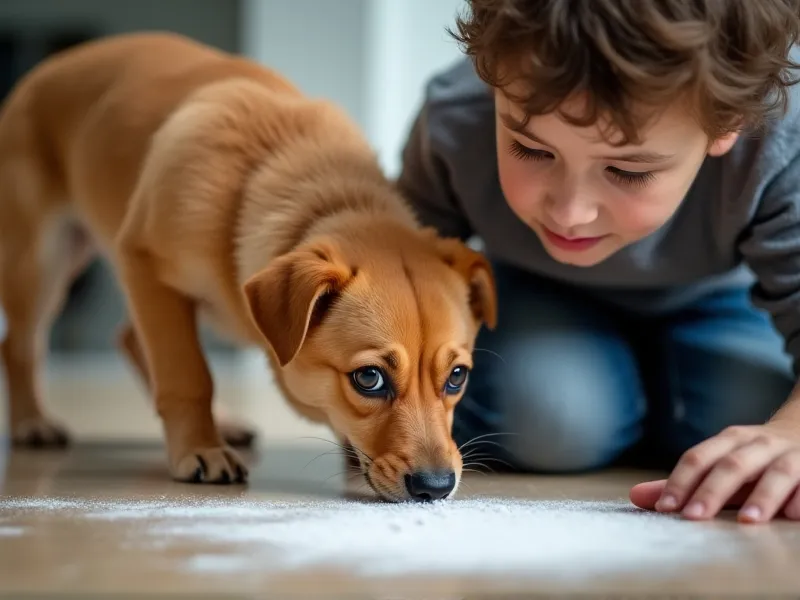
Table of Contents
- Can Dogs Eat Chalk? The Short Answer
- What Is Chalk, Anyway?
- Potential “Benefits” of Chalk for Dogs: Fact or Fiction?
- The Risks of Dogs Eating Chalk: Why It’s Best to Avoid
- How Much Chalk Is “Safe” for Dogs?
- What to Do If Your Dog Eats Chalk
- Healthier Alternatives to Chalk for Curious Pups
- FAQ: Your Chalk-Related Questions Answered
- Conclusion: Prioritizing Your Dog’s Safety
- References
Can Dogs Eat Chalk? The Short Answer
No, dogs should not eat chalk—even in small amounts. While plain, natural chalk (made primarily of calcium carbonate) is not highly toxic to dogs, it offers no nutritional value and poses several risks, including digestive upset, choking, and exposure to harmful additives. Accidental ingestion of a tiny piece may not cause immediate harm, but intentional feeding or frequent snacking on chalk is never a good idea. When in doubt, always err on the side of caution and keep chalk (and other non-food items) out of your dog’s reach.
What Is Chalk, Anyway?
To understand why chalk isn’t safe for dogs, let’s start with the basics: what is chalk, exactly? Chalk is a soft, crumbly sedimentary rock, but the “chalk” we use daily (like sidewalk chalk or blackboard chalk) is often processed with additional ingredients. Here’s a quick breakdown of the most common types:
- Natural Chalk: Formed from compressed marine organisms, it’s primarily calcium carbonate (CaCO₃), a mineral found in limestone and marble. It’s unprocessed and rarely used in everyday settings.
- Sidewalk Chalk: Designed for outdoor art, this is usually a mix of calcium carbonate, gypsum (a sulfate mineral), pigments (for color), and binders (to hold it together). Some brands add sugar or sweeteners to make it more appealing to kids (which is not good for dogs!).
- Blackboard/Whiteboard Chalk: Traditional blackboard chalk may contain gypsum instead of calcium carbonate, while modern “dustless” chalk often includes waxes or oils to reduce mess. Some varieties also have dyes or fragrances.
The key takeaway? Most chalks we encounter aren’t “pure”—they’re loaded with additives that can be problematic for dogs.
Potential “Benefits” of Chalk for Dogs: Fact or Fiction?
You might have heard rumors that chalk has “nutritional benefits” for dogs, like calcium or fiber. Let’s separate fact from fiction.
Calcium Carbonate: A Mineral in Chalk
Natural chalk is rich in calcium carbonate, and calcium is an essential mineral for dogs (it supports bone health, muscle function, and nerve transmission). So, could chalk be a “natural” calcium supplement?
Fiction. Dogs get all the calcium they need from a balanced diet. Commercial dog foods are formulated to meet their calcium requirements, and excess calcium can actually harm them. According to the Journal of the American Veterinary Medical Association, too much calcium in a dog’s diet can lead to skeletal abnormalities (in puppies) or kidney stones (in adults). Chalk is an unregulated, unpredictable source of calcium—you can’t control the dosage, and it may come with other risky additives.
Fiber, Potassium, and Other Nutrients: Are They Present?
Some sources claim chalk contains fiber or potassium, but this is misleading.
- Fiber: Chalk is not a source of dietary fiber. Fiber comes from plant-based foods (like fruits, veggies, or grains) that dogs can digest. Chalk is indigestible and passes through the body without providing any fiber-related benefits (like supporting gut health).
- Potassium: Potassium is vital for heart and muscle function, but chalk has negligible amounts—if any. Your dog would need to eat pounds of chalk to get a meaningful dose, which would cause severe digestive issues long before they “benefited” from potassium.
Bottom line: Chalk offers no nutritional value for dogs. Any “benefits” are either minimal, unproven, or overshadowed by risks.
The Risks of Dogs Eating Chalk: Why It’s Best to Avoid
Now that we’ve debunked the “benefits,” let’s dive into the real dangers of dogs eating chalk.
Sugar and Artificial Additives
Many chalks (especially sidewalk chalk for kids) are sweetened with sugar or corn syrup to make them more appealing. Dogs have no need for added sugar, and too much can lead to obesity, dental decay, or even diabetes. Some chalks also contain artificial flavors, colors, or preservatives—ingredients that can irritate your dog’s stomach or trigger allergic reactions.
Stomach Upset and Digestive Issues
Even plain calcium carbonate can upset a dog’s stomach. When ingested, chalk can:
- Constipate: Calcium carbonate slows down digestion, which may lead to hard stools or difficulty pooping.
- Cause vomiting/diarrhea: The body may reject the foreign substance, leading to gastrointestinal distress.
- Alter pH levels: Chalk is alkaline, and too much can disrupt the stomach’s natural acid balance, making it harder for your dog to digest food.
Veterinarians at VCA Hospitals note that while small amounts of calcium carbonate (like in Tums, a human antacid) can sometimes help with mild heartburn in dogs, chalk is not a safe or recommended substitute.
Choking and Blockage Hazards
Chalk is brittle and crumbly, which makes it a choking risk—especially for small dogs or puppies. A broken piece can get stuck in their throat, blocking their airway. Even if they swallow it, large chunks of chalk can lodge in the intestines, causing an obstruction. Intestinal blockages are life-threatening and often require surgery to remove.
Toxic Dyes or Chemicals
Some chalks contain toxic ingredients, like:
- Lead: Older or low-quality chalks (especially imported varieties) may have lead-based pigments, which are highly toxic to dogs (and humans!). Lead poisoning can cause seizures, organ failure, or death.
- Harmful dyes: Artificial colorants (like Red 40 or Yellow 5) have been linked to allergic reactions or hyperactivity in some dogs.
- Fragrances: Scented chalks may contain essential oils or chemicals that irritate a dog’s sensitive nose or skin.
How Much Chalk Is “Safe” for Dogs?
The short answer: none. There’s no “safe” amount of chalk to intentionally feed your dog. Even a small piece can cause stomach upset, and frequent ingestion increases the risk of blockages or toxicity.
If your dog accidentally snatches a tiny crumb (like a fleck from a broken sidewalk chalk), they’ll likely be fine—monitor them for a few hours, but panic isn’t necessary. However, if they eat a large chunk (more than an inch long) or a whole piece, contact your vet immediately.
What to Do If Your Dog Eats Chalk
If you catch your dog in the act, here’s what to do:
- Stay calm. Panicking can stress your dog (and you!). Take a deep breath and assess the situation.
- Identify the type of chalk. Check the packaging (if available) for ingredients like sugar, lead, or artificial additives. Note the size of the piece your dog ate.
- Monitor for symptoms. Watch for signs of distress, including:
- Vomiting or diarrhea
- Lethargy or loss of appetite
- Difficulty breathing (choking)
- Excessive drooling or pawing at the mouth
- Contact your vet or animal poison control. If your dog ate a large amount, shows symptoms, or the chalk contains toxic ingredients (like lead), call your vet immediately. You can also reach the ASPCA Animal Poison Control Center at (888) 426-4435 (fees may apply).
Pro tip: Save the chalk packaging (if possible) to share with your vet—it will help them determine the best course of action.
Healthier Alternatives to Chalk for Curious Pups
If your dog is prone to munching on non-food items (a behavior called “pica”), they may be bored, anxious, or missing nutrients. Here are safer ways to satisfy their curiosity:
- Calcium-rich treats: Offer plain, unsweetened yogurt (if lactose-tolerant), cottage cheese, or a small piece of cooked bone (raw bones pose salmonella risks).
- Crunchy veggies: Carrots, broccoli, or green beans are low-calorie, high-fiber, and safe for dogs to chew.
- Interactive toys: Puzzle feeders or chew toys (like Kongs stuffed with peanut butter) redirect their focus and keep them mentally stimulated.
- Supplements (if recommended by a vet): If your dog has a calcium deficiency, your vet may prescribe a canine-specific supplement—never use chalk as a substitute!
FAQ: Your Chalk-Related Questions Answered
Q: My dog ate a piece of sidewalk chalk—should I rush to the vet?
A: It depends on the size and ingredients. A tiny piece (less than a dime) is unlikely to cause harm, but monitor for vomiting or diarrhea. If they ate a large chunk or the chalk has sugar/lead, call your vet.
Q: Is blackboard chalk safer than sidewalk chalk for dogs?
A: No. Blackboard chalk often contains gypsum (which can cause digestive upset) or waxes, and some varieties have dyes. It’s not safer than sidewalk chalk.
Q: Can chalk help with my dog’s upset stomach?
A: No. While calcium carbonate (in regulated doses) is used in some antacids, chalk is unprocessed and unpredictable. Always consult your vet for safe treatments for stomach issues.
Q: My puppy chews everything—how can I stop them from eating chalk?
A: Puppy-proof your home by storing chalk (and other small items) in closed containers. Provide plenty of safe chew toys and praise them when they chew on appropriate items.
Conclusion: Prioritizing Your Dog’s Safety
Dogs are curious creatures, and it’s normal for them to explore the world with their mouths—but chalk is one curiosity best avoided. While a tiny accidental bite may not be an emergency, chalk offers no benefits and comes with real risks, from stomach upset to choking.
If your dog has a habit of eating non-food items, talk to your vet—they can rule out underlying issues (like nutrient deficiencies or anxiety) and help you find safe alternatives. Remember, when it comes to your pup’s health, it’s always better to be cautious than sorry.
Here’s to many more art-filled afternoons—with your dog safely playing (and not munching) nearby!
References
- American Society for the Prevention of Cruelty to Animals (ASPCA). “Non-Toxic Ingestibles.” aspca.org
- PetMD. “What to Do If Your Dog Eats Something They Shouldn’t.” petmd.com
- VCA Hospitals. “Gastrointestinal Obstruction in Dogs.” vcahospitals.com
- Journal of the American Veterinary Medical Association. “Calcium Metabolism in Dogs.” avma.org