· 8 min read
Can Dogs Eat Celery with Peanut Butter? A Pet Parent’s Guide to Safe Snacking
You’re standing in the kitchen, celery stick in one hand, jar of peanut butter in the other, when you feel a wet nose nudge your wrist. Your dog—tail wagging, eyes wide—sits perfectly, as if they’ve just aced a “stay” command. It’s the universal “share with me” look, and who can resist that? But before you break off a piece, you pause: Is celery with peanut butter safe for dogs?
If you’ve ever asked this question, you’re not alone. Pet parents everywhere want to treat their pups, but we also want to keep them healthy. Let’s dive into the details: the benefits, the risks, and how to share this crunchy-sweet combo safely.
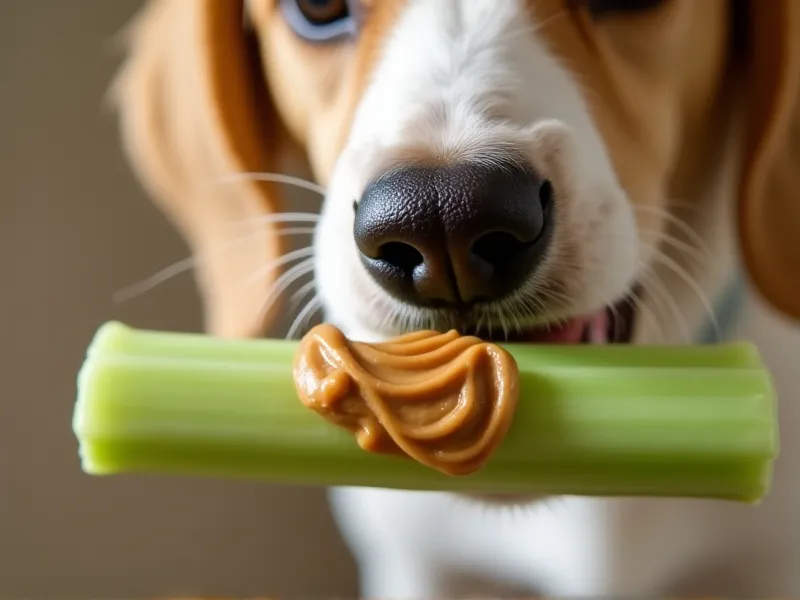
Table of Contents
- Can Dogs Eat Celery with Peanut Butter? The Short Answer
- The Benefits: Why This Combo Might Be a Treat
- The Risks: What Pet Parents Need to Watch For
- How Much Celery with Peanut Butter is Safe for Dogs?
- Healthier Alternatives to Celery with Peanut Butter
- FAQ: Your Top Questions Answered
- Conclusion: Enjoy Responsibly
Can Dogs Eat Celery with Peanut Butter? The Short Answer
Yes, dogs can eat celery with peanut butter—in moderation—but only if you choose the right ingredients and prepare it safely.
Celery itself is low-calorie, nutrient-dense, and dog-friendly. Peanut butter, when xylitol-free (more on that later!), can be a tasty source of protein and healthy fats. Together, they make a crunchy, satisfying treat. But there are risks to watch for, like choking hazards and added sugars, so it’s not a “free-for-all” snack. Let’s break down the details.
The Benefits: Why This Combo Might Be a Treat
Let’s start with the good stuff. Celery and peanut butter each bring unique perks to the table (or dog bowl).
Celery: A Crunchy, Nutrient-Packed Veggie
Celery isn’t just a low-calorie snack for humans—it’s a great choice for dogs, too! Here’s why:
- Fiber for digestion: Celery is high in dietary fiber, which supports healthy digestion and can help keep your dog regular. A little fiber goes a long way, though—too much can cause stomach upset (more on that later).
- Vitamins A, C, and K: Vitamin A is crucial for eye health and a shiny coat. Vitamin C boosts the immune system, and vitamin K supports blood clotting and bone health.
- Potassium: This mineral helps regulate blood pressure and keeps the heart and muscles working properly.
- Low in calories: At just 6 calories per stalk, celery is a guilt-free treat for dogs watching their weight.
Peanut Butter: A Tasty Source of Protein (When Chosen Wisely)
Peanut butter is a dog favorite for a reason—it’s creamy, salty (in a good way), and packed with:
- Protein: Peanut butter is rich in plant-based protein, which helps build and repair muscles.
- Healthy fats: Unsaturated fats (like oleic acid) support skin and coat health and provide energy.
- Vitamin E: An antioxidant that protects cells from damage.
- Magnesium: Important for bone health and energy production.
Pro tip: Always choose unsalted, unsweetened, xylitol-free peanut butter. We’ll explain why xylitol is a dealbreaker next.
The Risks: What Pet Parents Need to Watch For
While celery and peanut butter can be safe, there are a few risks to keep top of mind. Let’s break them down so you can avoid disaster.
1. Xylitol: The Deadly Ingredient in Some Peanut Butters
Xylitol is toxic to dogs—even in small amounts. This artificial sweetener is often added to “sugar-free” or “low-sugar” peanut butters (and other snacks like gum, candy, and baked goods) to reduce calories. For dogs, xylitol triggers a dangerous insulin surge, leading to a rapid drop in blood sugar (hypoglycemia). Symptoms include vomiting, loss of coordination, seizures, and even liver failure.
How to avoid it: Always check the label! Look for peanut butter with ingredients like “peanuts” (and maybe salt) only. Brands like Smucker’s Natural, Teddie, and Justin’s (original) are safe bets, but double-check—formulas can change. If you see “xylitol” on the label, do not buy it for your dog.
2. Choking Hazard: Celery Strings and Large Pieces
Celery has tough, fibrous strings that can get stuck in a dog’s throat, especially if they gulp down large pieces without chewing. Small dogs and flat-faced breeds (like Bulldogs or Pugs) are at higher risk.
How to avoid it: Chop celery into small, bite-sized pieces (about the size of your thumbnail) and remove any tough strings. This makes it easier to chew and less likely to cause choking.
3. Added Sugars and Salt in Peanut Butter
Many commercial peanut butters are loaded with added sugars, corn syrup, or extra salt. Too much sugar can lead to obesity, diabetes, or dental cavities. Excess salt can cause sodium ion poisoning, with symptoms like vomiting, diarrhea, and increased thirst.
How to avoid it: Opt for “natural” peanut butter with no added sugars or salt. The ingredient list should be short—ideally just “peanuts.”
4. Stomach Upset from Too Much Fiber
Celery is high in fiber, which is great in small doses. But too much can lead to gas, bloating, diarrhea, or constipation, especially in dogs with sensitive stomachs. Peanut butter is also high in fat, which can cause pancreatitis if overfed (though this is rare with small amounts).
5. Allergies (Rare, but Possible)
Some dogs are allergic to peanuts. Symptoms include itching, hives, swelling, or digestive issues. If your dog has never had peanut butter before, start with a tiny amount and monitor for reactions.
How Much Celery with Peanut Butter is Safe for Dogs?
Treats should make up no more than 10% of your dog’s daily calories. For celery with peanut butter, portion size depends on your dog’s weight. Here’s a general guide:
| Dog Size | Celery Amount | Peanut Butter Amount | Frequency |
|---|---|---|---|
| Small (under 20 lbs) | 1–2 small, chopped pieces (1–2 inches) | ½–1 teaspoon | 1–2x per week |
| Medium (20–50 lbs) | 2–3 small, chopped pieces (2–3 inches) | 1–2 teaspoons | 1–2x per week |
| Large (50+ lbs) | 3–4 small, chopped pieces (3–4 inches) | 2–3 teaspoons | 1–2x per week |
Key tips:
- Always chop celery into small, string-free pieces.
- Use a pea-sized amount of peanut butter per celery piece (you don’t need much for flavor!).
- Avoid feeding before meals—save it for a midday or post-walk treat.
- If your dog has a health condition (like diabetes or pancreatitis), ask your vet first.
Healthier Alternatives to Celery with Peanut Butter
If you’re worried about celery’s choking risk or want to mix up treats, try these safer, equally tasty alternatives:
1. Carrots with Peanut Butter
Carrots are crunchier, sweeter, and less stringy than celery—no choking hazard! They’re high in beta-carotene (which converts to vitamin A) and fiber. Slice into coins and top with a dab of peanut butter.
2. Apple Slices (No Seeds!)
Apples are a dog favorite—sweet, crunchy, and full of fiber and vitamin C. Remove the core and seeds (seeds contain small amounts of cyanide, which is toxic in large doses), slice, and spread with peanut butter.
3. Cucumber with Peanut Butter
Cucumber is hydrating, low-calorie, and easy to digest. Slice into rounds and add a tiny bit of peanut butter for flavor.
4. Sweet Potato with Peanut Butter
Bake a sweet potato (no salt or butter) and mash a small portion with peanut butter. It’s rich in fiber and vitamin A—great for pups who love something warm.
5. Banana with Peanut Butter
Mash a small piece of banana (high in potassium and vitamin B6) with peanut butter for a creamy, natural treat.
FAQ: Your Top Questions Answered
Q: Can puppies eat celery with peanut butter?
A: Puppies can try small amounts, but their tummies are sensitive. Start with 1 tiny celery piece (chopped) and a drop of peanut butter. Monitor for diarrhea or vomiting. Avoid if they’re under 8 weeks old—their digestive systems are still developing.
Q: My dog ate a whole celery stalk with peanut butter! Should I panic?
A: Probably not, but monitor them. If the celery was unchopped, watch for choking (signs: pawing at the mouth, gagging, difficulty breathing). If they ate a lot of peanut butter, they might have diarrhea or gas. If the peanut butter had xylitol, go to the vet immediately—even a teaspoon can be toxic.
Q: Is xylitol the only dangerous ingredient in peanut butter?
A: No. Added sugars, salt, and hydrogenated oils (found in some “processed” peanut butters) can be harmful in large amounts. Stick to natural, unsweetened, unsalted varieties.
Q: Can dogs eat celery leaves?
A: Yes! Celery leaves are safe and contain the same nutrients as the stalks. Just chop them up to avoid choking.
Q: My dog has diabetes. Can they have celery with peanut butter?
A: Celery is low in sugar, but peanut butter has natural sugars (and some brands add more). Ask your vet—they may recommend a smaller portion or a different treat.
Conclusion: Enjoy Responsibly
Celery with peanut butter can be a fun, healthy treat for dogs—when done right. Remember to:
- Choose xylitol-free, unsweetened peanut butter.
- Chop celery into small, string-free pieces.
- Stick to moderation (10% of daily calories max).
- Watch for choking, stomach upset, or allergies.
At the end of the day, the best treat is one that keeps your pup happy and healthy. If you’re ever unsure, check with your vet—they know your dog’s unique needs best.
So go ahead—share a tiny, safe bite with your pup. Those tail wags will be worth it!
Sources:
- American Society for the Prevention of Cruelty to Animals (ASPCA). “Xylitol Toxicity in Dogs.” aspca.org
- American Kennel Club (AKC). “Can Dogs Eat Peanut Butter?” akc.org
- PetMD. “Can Dogs Eat Celery?” petmd.com
- Veterinary Centers of America (VCA). “Human Foods Dogs Can and Can’t Eat.” vcahospitals.com