· 10 min read
Can Dogs Eat Cooked Celery? Benefits, Risks, and Safe Feeding Tips for Pet Parents
Picture this: You’re stir-frying veggies for dinner, celery sizzling in the pan, when your dog trots over, tail wagging, nose twitching at the savory aroma. Those big, hopeful eyes seem to say, “Can I have a bite?” If you’ve ever wondered whether cooked celery is safe for your pup, you’re not alone. Celery is a crunchy, low-calorie snack for humans, but is it a good choice for our four-legged friends?
The short answer: Yes, dogs can eat cooked celery—in moderation. But like any human food, there’s more to the story. Cooked celery offers some nutritional perks, but it also comes with a few risks to watch for. In this guide, we’ll break down everything you need to know: the benefits of celery for dogs, potential pitfalls, how much to feed, and even healthier alternatives. Let’s dive in!
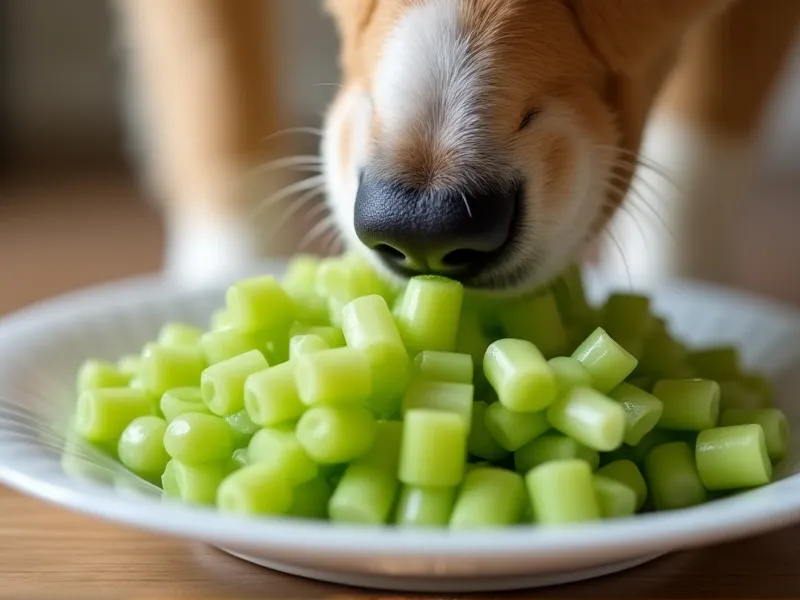
Table of Contents
- Can Dogs Eat Cooked Celery? The Short Answer
- Nutritional Benefits of Cooked Celery for Dogs
- Potential Risks to Keep in Mind
- How Much Cooked Celery Can Dogs Safely Eat?
- Raw vs. Cooked Celery: Which Is Better for Dogs?
- Healthier Alternatives to Celery for Dogs
- FAQ: Your Celery-for-Dogs Questions Answered
- Conclusion: Celery as a Treat, Not a Staple
Can Dogs Eat Cooked Celery? The Short Answer
Let’s cut to the chase: Cooked celery is generally safe for dogs when prepared and served correctly. Unlike some human foods (like onions or grapes), celery isn’t toxic to dogs. In fact, it’s low in calories, high in fiber, and packed with vitamins—making it a better choice than many processed dog treats.
But “safe” doesn’t mean “unlimited.” Celery should never replace your dog’s balanced, species-appropriate dog food. Think of it as a healthy “side dish” or occasional snack, not a meal. And as with any new food, start small to see how your dog reacts.
Nutritional Benefits of Cooked Celery for Dogs
Celery isn’t just a crunchy garnish—it’s a nutrient-dense veggie that can offer some real perks for your pup. Here’s what makes cooked celery a (moderately) good choice:
1. Fiber: Supports Digestive Health
Celery is loaded with dietary fiber, which helps keep your dog’s gut moving smoothly. Fiber can prevent constipation, promote regular bowel movements, and even support a healthy gut microbiome. For dogs prone to digestive issues, a small amount of cooked celery (which is easier to digest than raw) might help soothe their stomachs—though you’ll want to avoid overdoing it (more on that later!).
2. Vitamins A, C, and K: Boost Immunity and Health
- Vitamin A: Essential for eye health, skin health, and a strong immune system. It helps maintain your dog’s vision (especially night vision) and keeps their coat shiny.
- Vitamin C: A powerful antioxidant that fights free radicals, supports collagen production (for healthy joints and skin), and boosts immunity. While dogs can make their own vitamin C, extra from food can help during times of stress or illness.
- Vitamin K: Critical for blood clotting and bone health. It helps your dog’s body heal wounds and maintain strong bones.
3. Potassium: Supports Heart and Muscle Function
Potassium is an electrolyte that helps regulate your dog’s heart rate, muscle contractions, and fluid balance. It’s especially important for active dogs, as it can prevent muscle cramps and support overall cardiovascular health.
4. Low in Calories and Sugar
Unlike many human snacks (looking at you, potato chips), celery is low in calories (about 16 calories per cup) and naturally low in sugar. This makes it a great option for dogs on a weight-loss plan or those who need to avoid extra sugar (like diabetic dogs).
Potential Risks to Keep in Mind
While cooked celery has benefits, it’s not without risks. Here’s what to watch out for:
1. Choking Hazard: Size and Texture Matter
Celery has long, stringy fibers that can get stuck in your dog’s throat or intestines—especially if served in large, uncut pieces. Cooked celery is softer than raw, but those strings can still pose a choking risk, especially for small dogs or dogs who gulp their food.
Fix: Always chop cooked celery into small, bite-sized pieces (about the size of a dime for small dogs, nickel-sized for medium/large dogs). Avoid serving whole stalks or long strips.
2. Stomach Upset: Too Much Fiber = Diarrhea or Gas
While fiber is good, too much can backfire. Overfeeding celery (cooked or raw) can lead to digestive upset, including diarrhea, gas, or bloating. This is especially true for dogs with sensitive stomachs or those not used to high-fiber foods.
Fix: Start with a tiny portion (1-2 small pieces) and monitor your dog for 24 hours. If they have loose stools or excessive gas, hold off on future servings.
3. Pesticides: Wash Thoroughly (or Choose Organic)
Celery is one of the “Dirty Dozen” fruits and veggies—meaning it often contains high levels of pesticide residue when conventionally grown. Pesticides can irritate your dog’s stomach or, in large amounts, cause more serious issues.
Fix: Always wash celery thoroughly under running water before cooking. For extra peace of mind, opt for organic celery to reduce pesticide exposure.
4. Sodium: Watch the Seasoning!
Plain, cooked celery is low in sodium, but if you’re sharing celery from your plate (say, from a stir-fry or soup), it might be seasoned with salt, garlic, or onion powder—all of which are bad for dogs. Salt can lead to sodium ion poisoning, while garlic and onions are toxic and can damage red blood cells.
Fix: Never share seasoned celery with your dog. Cook celery plain (steamed or boiled, no salt, butter, or spices) if you plan to serve it to your pup.
How Much Cooked Celery Can Dogs Safely Eat?
The golden rule: Celery should make up no more than 10% of your dog’s daily calorie intake. For most dogs, that translates to a small handful (chopped) a few times a week.
Here’s a rough guide based on your dog’s size:
- Small dogs (under 20 lbs): 1-2 tablespoons of chopped cooked celery, 1-2 times per week.
- Medium dogs (20-50 lbs): 2-4 tablespoons, 2-3 times per week.
- Large dogs (50+ lbs): ¼ to ½ cup, 2-3 times per week.
Remember: These are general guidelines. Active dogs might tolerate a bit more, while less active or overweight dogs should stick to the lower end. And if your dog has health issues (like kidney disease or diabetes), ask your vet before adding celery to their diet.
Raw vs. Cooked Celery: Which Is Better for Dogs?
You might be wondering: Is raw celery safer or healthier than cooked? The answer depends on your dog.
Raw Celery: Pros and Cons
- Pros: Crunchy texture can help clean your dog’s teeth (like a natural toothbrush!) and scrape away plaque. It also retains slightly more nutrients (since cooking can break down some vitamins).
- Cons: The tough, stringy fibers are harder to digest, which can cause gas or stomach upset in sensitive dogs. Raw celery is also a bigger choking hazard, as it’s less flexible than cooked.
Cooked Celery: Pros and Cons
- Pros: Softer texture is easier to chew and digest, making it better for puppies, senior dogs, or dogs with dental issues. Cooking also breaks down some of the stringy fibers, reducing the choking risk.
- Cons: Slightly lower nutrient content (though the difference is minimal). And if overcooked, it can become mushy and less appealing to some dogs.
Verdict: Cooked celery is generally safer for most dogs, especially those with digestive sensitivities or dental problems. If your dog loves raw veggies and has no trouble chewing, raw celery (chopped small!) is also okay. Just avoid serving it frozen—cold temperatures can hurt your dog’s teeth.
Healthier Alternatives to Celery for Dogs
Celery is good, but there are other veggies that might be even better for your pup. Here are some alternatives to mix up their snack routine:
1. Carrots
- Why they’re great: Crunchy, low in calories, and packed with beta-carotene (which converts to vitamin A). They’re also great for dental health—chewing carrots helps scrape plaque off teeth.
- How to serve: Raw (chopped into coins) or cooked (steamed or roasted, no seasoning).
2. Green Beans
- Why they’re great: High in fiber, vitamins A and C, and low in calories. They’re also a favorite among many dogs—even picky eaters!
- How to serve: Raw (chopped), steamed, or boiled (no salt). Canned green beans are okay too, but choose low-sodium varieties.
3. Blueberries
- Why they’re great: Loaded with antioxidants, vitamin C, and fiber. They’re low in sugar and make a perfect training treat (small and easy to carry!).
- How to serve: Fresh or frozen (as a cool summer snack).
4. Apples
- Why they’re great: High in fiber and vitamin C. Just avoid the seeds (they contain trace amounts of cyanide, which is toxic in large doses).
- How to serve: Sliced, cored, and seedless. Raw is best—cooked apples can be too sweet.
These alternatives are all low in calories, high in nutrients, and safe for dogs (in moderation). Rotate them to keep your dog’s snacks interesting!
FAQ: Your Celery-for-Dogs Questions Answered
Q: Can puppies eat cooked celery?
A: Yes, but in very small amounts. Puppies have sensitive digestive systems, so start with 1-2 tiny pieces (about the size of a pea) and monitor for diarrhea or gas. Wait until they’re at least 3 months old (and weaned onto solid food) before introducing new veggies.
Q: My dog ate a whole stalk of raw celery. Should I panic?
A: Probably not, but keep an eye on them. A whole stalk might cause temporary gas or mild stomach upset, but it’s unlikely to be toxic. If your dog is small (under 10 lbs), or if they’re choking, vomiting, or lethargic, contact your vet immediately.
Q: Is celery juice safe for dogs?
A: Maybe, but it’s unnecessary. Celery juice is high in fiber and vitamins, but it lacks the fiber that makes whole celery good for digestion. Plus, store-bought celery juice often has added sugar or salt. Stick to whole, chopped celery instead.
Q: Can dogs with kidney disease eat celery?
A: Celery is high in potassium, which can be a problem for dogs with kidney disease (their kidneys can’t filter excess potassium effectively). If your dog has kidney issues, ask your vet before serving celery.
Q: My dog hates celery. What’s wrong?
A: Nothing! Just like humans, dogs have preferences. Some love veggies, others turn their noses up. Don’t force it—try one of the alternatives above instead.
Conclusion: Celery as a Treat, Not a Staple
So, can dogs eat cooked celery? Absolutely—when served in small, chopped pieces, plain, and as an occasional snack. It’s a low-calorie, nutrient-rich option that can support your dog’s digestion, immunity, and overall health.
But remember: Moderation is key. Celery should never replace your dog’s balanced dog food, and it’s not suitable for all dogs (e.g., those with kidney issues). Always chop it small to avoid choking, wash it thoroughly, and skip the seasoning.
If you’re unsure whether celery is right for your dog (or how much to serve), reach out to your vet. They know your dog’s health history and can give personalized advice.
At the end of the day, the best treat for your dog is your love and attention—but a little cooked celery (served safely) can be a tasty, healthy bonus. Happy snacking!
References
- American Kennel Club (AKC). “Can Dogs Eat Celery? What You Need to Know.” akc.org
- PetMD. “Human Foods Dogs Can and Can’t Eat.” petmd.com
- ASPCA. “Toxic and Non-Toxic Plants.” aspca.org
- VCA Animal Hospitals. “Dietary Fiber for Dogs.” vcahospitals.com