· 8 min read
Can Dogs Eat Caviar? A Pet Parent’s Guide to This Luxe Treat
Picture this: You’re hosting a fancy dinner party, spreading buttery crackers with a dollop of glistening caviar. Across the room, your pup sits politely, tail thumping, eyes locked on the tiny, briny pearls on your plate. “Surely a little won’t hurt?” you wonder. After all, caviar is often called a “superfood” for humans—packed with nutrients, rich in flavor, and oh-so-indulgent. But when it comes to our four-legged friends, is this luxury treat safe?
If you’ve ever found yourself asking, “Can dogs eat caviar?” you’re not alone. As pet parents, we want to share life’s little joys with our pups, but their delicate systems require extra care. In this guide, we’ll break down the facts: the potential benefits, the hidden risks, and whether caviar has a place in your dog’s treat rotation. Spoiler: It’s not toxic, but there’s a lot more to the story. Let’s dive in!
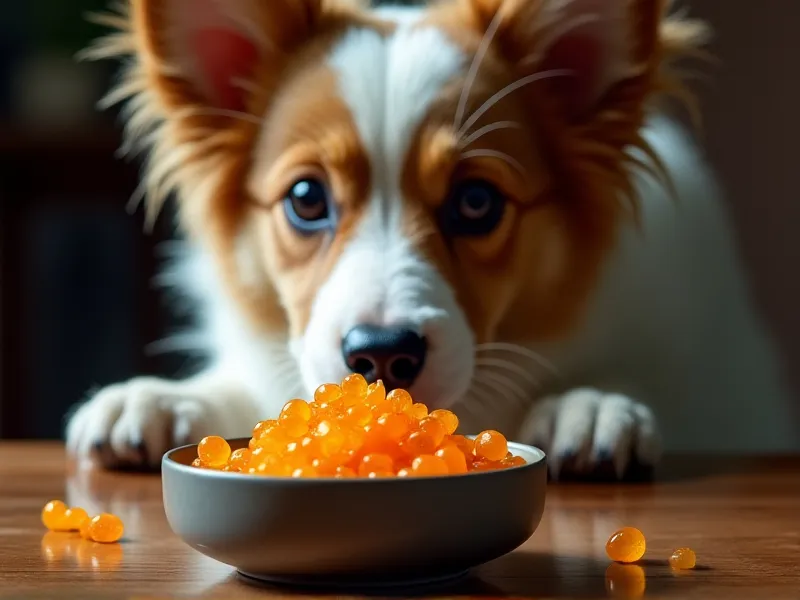
Table of Contents
- Can Dogs Eat Caviar? The Short Answer
- The Nutritional Profile: What Does Caviar Offer Dogs?
- The Risks: Why Caviar Might Not Be Ideal for Your Pup
- How Much Caviar Is Safe for Dogs?
- Healthier (and More Affordable!) Alternatives to Caviar
- FAQ: Your Caviar Questions Answered
- Conclusion: Enjoy Responsibly, and Consult Your Vet
Can Dogs Eat Caviar? The Short Answer
Yes, dogs can technically eat small amounts of caviar as an occasional treat—but it’s not recommended as a regular part of their diet.
Caviar (fish roe, typically from sturgeon) isn’t toxic to dogs, and it does contain some nutrients that could benefit them in theory. However, its high sodium content, steep cost, and minimal nutritional payoff compared to safer alternatives make it a questionable choice for most pups. Think of it like giving your dog a truffle: fancy, but far from necessary (and potentially risky in large doses).
The Nutritional Profile: What Does Caviar Offer Dogs?
Let’s start with the positives. Caviar is often hailed as a nutrient-dense food for humans, and some of those benefits might extend to dogs—at least in small doses. Here’s what you need to know:
1. Omega-3 Fatty Acids
Caviar is rich in omega-3 fatty acids (EPA and DHA), which are famous for supporting heart health, reducing inflammation, and promoting a shiny coat and healthy skin in dogs. These fats are especially beneficial for pups with joint issues or dry, itchy skin.
2. High-Quality Protein
Dogs thrive on protein, and caviar delivers a complete protein source, meaning it contains all the essential amino acids your dog needs for muscle growth, tissue repair, and overall energy.
3. Vitamins and Minerals
Caviar is packed with micronutrients, including:
- Vitamin B12: Critical for nerve function and red blood cell production.
- Selenium: An antioxidant that supports immune health and thyroid function.
- Iron: Helps transport oxygen in the blood (important for preventing anemia).
- Zinc: Supports skin health, wound healing, and a strong immune system.
The Catch: Are These Benefits Significant?
While these nutrients sound impressive, the key word here is quantity. Caviar is expensive, so you’re unlikely to serve your dog enough to make a meaningful difference in their diet. A high-quality dog food already contains omega-3s (often from fish oil), protein, and essential vitamins—so caviar is more of a “luxury bonus” than a necessity.
The Risks: Why Caviar Might Not Be Ideal for Your Pup
Now, let’s talk about the downsides. For most dogs, the risks of feeding caviar outweigh the benefits. Here’s what to watch for:
1. High Sodium Content: A Major Concern
Caviar is extremely salty. A single tablespoon of sturgeon caviar can contain 200–300 mg of sodium—more than half the daily recommended sodium intake for a 20-pound dog (which is around 200–300 mg total per day, depending on activity level). For smaller dogs (like a 10-pound Chihuahua), that same tablespoon could exceed their entire daily sodium limit.
Too much sodium can lead to:
- Dehydration: Excessive thirst and urination.
- Gastrointestinal upset: Vomiting, diarrhea, or stomach pain.
- Salt poisoning (hypernatremia): In severe cases, this can cause tremors, seizures, or even death. Symptoms include confusion, muscle twitching, and rapid heartbeat.
2. Cost: Not Practical for Regular Treats
Let’s be real: Caviar is one of the most expensive foods in the world, with prices ranging from $50 to $2,000 per ounce. Feeding it to your dog regularly isn’t just indulgent—it’s financially impractical. You could buy a month’s worth of high-quality dog treats (or even a bag of salmon) for the price of a tiny jar of caviar.
3. Potential Allergies or Sensitivities
While fish allergies in dogs are less common than, say, chicken or dairy allergies, they can happen. Caviar is fish roe, so if your dog is allergic to fish (symptoms include itching, hives, or swelling), caviar could trigger a reaction.
4. Mercury and Contaminants
Most caviar comes from sturgeon, which are large, slow-growing fish. While sturgeon generally have low mercury levels compared to predatory fish like tuna, there’s still a small risk of contaminants (like PCBs) in wild-caught caviar. Farmed caviar is often safer, but it’s not a guarantee.
5. Choking Hazard (for Very Small Dogs)
Caviar pearls are tiny, but if you’re feeding your dog a clump (or they抢 (snatch) a whole cracker with caviar), there’s a minor choking risk—especially for toy breeds. Always break treats into small pieces and supervise your pup while they eat.
How Much Caviar Is Safe for Dogs?
If you still want to share a tiny taste of caviar with your dog (maybe for a special occasion), moderation is key. Here’s a general guideline:
- Small dogs (under 20 lbs): 1–2 tiny pearls (about the size of a pea) as a rare treat.
- Medium dogs (20–50 lbs): 3–5 pearls, max.
- Large dogs (50+ lbs): Up to 1 teaspoon (but even this is pushing it for sodium).
Never feed caviar more than once a month, and avoid it entirely if your dog has:
- Kidney disease (kidneys process sodium, so extra salt can worsen damage).
- Heart disease (high sodium raises blood pressure, straining the heart).
- A history of pancreatitis (rich, fatty foods can trigger flare-ups).
Healthier (and More Affordable!) Alternatives to Caviar
Instead of splurging on caviar, opt for these nutrient-packed treats that are safer, cheaper, and just as delicious for your pup:
1. Salmon (Fresh or Canned)
Salmon is loaded with omega-3s, protein, and vitamin D—plus, it’s way more affordable than caviar. Serve a small piece of cooked, boneless salmon as a treat. Avoid raw salmon (risk of parasites) and smoked salmon (high sodium).
2. Sardines (Canned in Water)
Sardines are a superfood for dogs: low in mercury, high in calcium (from soft bones), and rich in omega-3s. Drain the water and mash a few sardines into their food or serve as a standalone treat.
3. Pumpkin (Plain, Canned)
For fiber and potassium (nutrients sometimes linked to caviar), plain pumpkin is a winner. It’s great for digestion, low in calories, and most dogs love the sweet taste. Serve 1–2 tablespoons (depending on size) mixed into their food.
4. Sweet Potatoes
Baked or steamed sweet potatoes are packed with potassium, vitamins A and C, and fiber. Slice them into bite-sized pieces and bake until soft for a crunchy, healthy snack.
5. Blueberries
These tiny fruits are rich in antioxidants, fiber, and vitamins. Toss a few into your dog’s bowl for a low-calorie, hydrating treat.
FAQ: Your Caviar Questions Answered
Q: Is caviar toxic to dogs?
A: No, caviar is not toxic. However, it’s high in sodium, which can cause health issues in large amounts.
Q: Can puppies eat caviar?
A: It’s best to avoid giving caviar to puppies. Their kidneys and digestive systems are still developing, and they’re more sensitive to excess sodium. Stick to puppy-safe treats like plain yogurt or cooked chicken.
Q: My dog ate a whole jar of caviar! What should I do?
A: Contact your vet immediately. A large amount of caviar could lead to salt poisoning. Symptoms to watch for: extreme thirst, vomiting, diarrhea, restlessness, or seizures.
Q: Is “red caviar” (salmon roe) safer than sturgeon caviar?
A: Red caviar (from salmon, trout, or flying fish) has similar risks: high sodium and cost. It’s not “safer,” just a different type of roe.
Q: Can dogs eat caviar on crackers?
A: No—crackers are high in salt, carbs, and often contain garlic or onion powder (which are toxic to dogs). Never feed caviar with crackers or bread.
Conclusion: Enjoy Responsibly, and Consult Your Vet
Caviar isn’t off-limits for dogs, but it’s far from a “must-have” treat. While it contains some beneficial nutrients, its high sodium content, steep price tag, and minimal practical value make it a risky choice for regular feeding.
If you do decide to share a tiny taste with your pup (we get it—they’re hard to resist!), stick to a pea-sized portion, avoid it if they have health issues, and always supervise them while they eat. For everyday treats, opt for safer, more affordable options like salmon, sardines, or pumpkin—your dog will love them just as much, and your wallet (and their health) will thank you.
As always, when introducing new foods to your dog’s diet, it’s smart to check with your vet first. They can help you make the best choices based on your pup’s age, size, and health needs.
Here’s to happy, healthy snacking—for both you and your fur baby!
References
- American Society for the Prevention of Cruelty to Animals (ASPCA). People Foods to Avoid Feeding Your Pets. aspca.org/pet-care/animal-poison-control/people-foods-avoid-feeding-your-pets
- U.S. Food and Drug Administration (FDA). Pet Food & Treats: Tips for Choosing a Healthy Option. fda.gov/animal-veterinary/consumer-information/pet-food-treats-tips-choosing-healthy-option
- American Kennel Club (AKC). Can Dogs Eat Fish? What You Need to Know. akc.org/expert-advice/nutrition/can-dogs-eat-fish/
- PetMD. Sodium Poisoning in Dogs. petmd.com/dog/conditions/toxicity/sodium-poisoning-dogs