· 7 min read
Can Dogs Eat Cauliflower and Broccoli? A Pet Parent’s Guide to Safe Veggie Snacking
It’s a familiar scene: You’re prepping a colorful salad or roasting veggies for dinner, and your dog—ever the opportunist—plants themselves at your feet, tail thumping, eyes locked on the cutting board. “Just a little taste?” you wonder, holding up a piece of broccoli or cauliflower. After all, these veggies are packed with nutrients for humans—could they be good for your pup, too?
As pet parents, we want to share the best of our plates with our furry friends, but not all human foods are safe for dogs. So, can dogs eat cauliflower and broccoli? Let’s dive into the details: their benefits, risks, how to serve them safely, and when to reach for healthier alternatives. Spoiler: The answer isn’t a simple “yes” or “no”—it depends on how and how much you feed them.
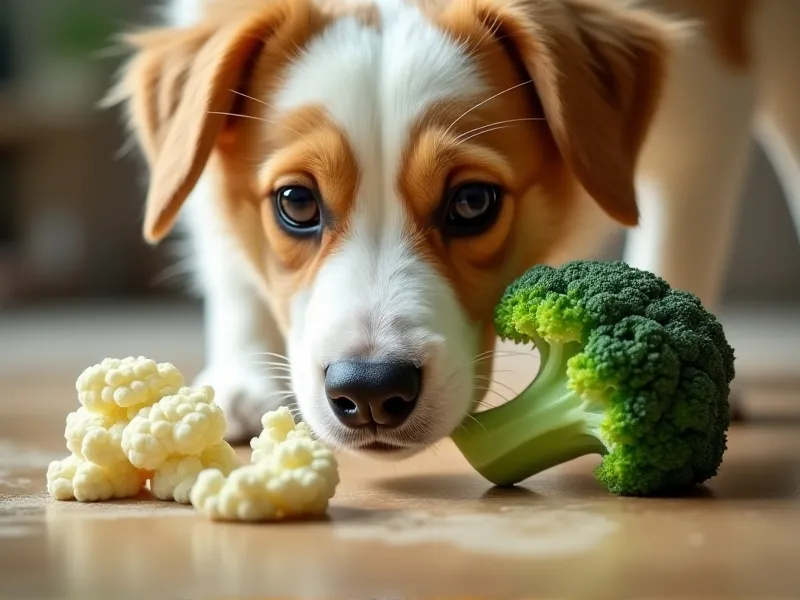
Table of Contents
- Can Dogs Eat Cauliflower and Broccoli? The Short Answer
- The Nutritional Benefits of Cauliflower and Broccoli for Dogs
- Potential Risks to Watch Out For
- How Much Cauliflower and Broccoli Can Dogs Safely Eat?
- Healthier Veggie Alternatives for Dogs
- FAQ: Your Top Questions Answered
- Conclusion: Moderation is Key
- References
Can Dogs Eat Cauliflower and Broccoli? The Short Answer
Yes, dogs can eat cauliflower and broccoli—but only in small, cooked portions.
These cruciferous veggies are non-toxic to dogs and even offer some health benefits when prepared properly. However, raw or excessive amounts can cause digestive upset, and certain parts (like large florets) pose a choking risk. Think of them as occasional treats, not a main meal.
The Nutritional Benefits of Cauliflower and Broccoli for Dogs
When served safely, cauliflower and broccoli can be nutrient-dense additions to your dog’s diet. Let’s break down their perks:
1. Vitamins for Overall Health
- Vitamin C: Both veggies are rich in vitamin C, an antioxidant that supports your dog’s immune system, fights inflammation, and helps produce collagen (important for healthy skin and joints). Unlike humans, dogs can make their own vitamin C, but extra from veggies can boost their defenses—especially for senior dogs or those with chronic illnesses.
- Vitamin K: Critical for blood clotting and bone health. A deficiency in vitamin K can lead to excessive bleeding, so this nutrient is a silent hero for your pup’s well-being.
- Folate (Vitamin B9): Supports cell repair and red blood cell production, keeping your dog’s energy levels steady.
2. Fiber for Digestive Health
Fiber is a star nutrient in both cauliflower and broccoli. It helps regulate your dog’s digestion by:
- Promoting regular bowel movements (goodbye, constipation!).
- Feeding “good” gut bacteria, which supports a healthy microbiome.
- Helping your dog feel full, which can aid in weight management (great for pups prone to overeating!).
3. Antioxidants to Fight Disease
Cruciferous veggies contain antioxidants like lutein and zeaxanthin (in broccoli) and glucosinolates (in cauliflower). These compounds help neutralize harmful free radicals, reducing the risk of chronic diseases and supporting long-term health.
4. Low-Calorie, Weight-Friendly Snacks
At just 25–30 calories per cup (cooked), cauliflower and broccoli are ideal for dogs on a diet. They’re a great alternative to high-calorie treats like biscuits or cheese, helping your pup maintain a healthy weight without sacrificing flavor.
Potential Risks to Watch Out For
While these veggies are generally safe, they come with a few caveats. Here’s what to avoid:
1. Stomach Upset (Gas, Diarrhea, or Vomiting)
Cruciferous veggies are famous for causing gas in humans—and dogs are no exception. Their high fiber content can lead to bloating, flatulence, or loose stools if your dog eats too much. Puppies, senior dogs, or those with sensitive stomachs are especially prone to this.
2. Choking Hazard
Broccoli florets and cauliflower chunks can be a choking risk, especially for small dogs. Always chop veggies into bite-sized pieces (about the size of a pea for tiny breeds!) to prevent blockages.
3. Isothiocyanates in Broccoli
Broccoli contains isothiocyanates, compounds that give it a slightly bitter taste. In very large amounts (think: a whole head of broccoli), these can irritate a dog’s stomach or even damage their red blood cells. However, the ASPCA notes that small portions (like a few florets) are harmless—so moderation is key here.
4. Raw vs. Cooked: Raw Veggies Are Hard to Digest
Raw cauliflower and broccoli are tough on a dog’s digestive system. Their cell walls are hard to break down, leading to gas or stomach pain. Cooking (steaming, boiling, or roasting without oil) softens the veggies, making them easier to digest and safer to eat.
5. Seasonings Are a No-Go
Never serve these veggies with salt, butter, garlic, onion, or spices. Garlic and onion are toxic to dogs, while salt can cause sodium poisoning (symptoms include vomiting, diarrhea, and seizures). Keep it plain!
How Much Cauliflower and Broccoli Can Dogs Safely Eat?
The golden rule for treats: They should make up no more than 10% of your dog’s daily calories. For cauliflower and broccoli, that translates to tiny portions. Here’s a rough guide by dog size:
| Dog Size | Daily Serving (Cooked, Chopped) |
|---|---|
| Small (5–20 lbs) | 1–2 tablespoons |
| Medium (20–50 lbs) | 2–3 tablespoons |
| Large (50+ lbs) | 3–4 tablespoons |
Pro Tips for Serving:
- Cook first: Steam or boil until tender (no oil, salt, or seasonings).
- Chop small: Aim for pieces smaller than your dog’s kibble to avoid choking.
- Introduce slowly: Start with 1 teaspoon, then wait 24 hours to check for gas or diarrhea. If all goes well, gradually increase to the recommended serving.
- Avoid if…: Skip these veggies if your dog has a history of pancreatitis, IBS, or kidney issues—high fiber can worsen symptoms. Always ask your vet first!
Healthier Veggie Alternatives for Dogs
If your dog struggles with gas or dislikes cauliflower/broccoli, try these safer, equally nutritious veggies:
1. Carrots
- Why they’re great: Crunchy, low-calorie, and packed with beta-carotene (which converts to vitamin A for eye health).
- How to serve: Raw (chopped into sticks for teething puppies!) or cooked.
2. Green Beans
- Why they’re great: High in fiber and vitamins A, C, and K. They’re also a favorite “crunchy” treat for dogs.
- How to serve: Steamed or raw (trim ends to avoid choking).
3. Sweet Potatoes
- Why they’re great: Rich in fiber, vitamin A, and antioxidants. They’re gentle on the stomach and easy to digest.
- How to serve: Baked or mashed (no added sugar!).
4. Spinach
- Why they’re great: A nutrient powerhouse with iron, calcium, and folate. It’s low in calories and easy to mix into kibble.
- How to serve: Steamed and chopped (raw spinach has oxalates, which can block calcium absorption in large amounts).
FAQ: Your Top Questions Answered
Q: Can dogs eat raw cauliflower or broccoli?
A: It’s not recommended. Raw veggies are hard to digest and may cause gas or stomach pain. Cooked is safer and easier on their tummies.
Q: Is broccoli toxic to dogs?
A: No—in small amounts. The ASPCA states that broccoli is non-toxic, but large quantities (over 10% of their diet) can cause isothiocyanate poisoning, leading to vomiting or diarrhea. Stick to 1–4 tablespoons per day, depending on size.
Q: Can puppies eat cauliflower or broccoli?
A: Yes, but in very small portions (1–2 teaspoons for toy breeds). Puppies have sensitive digestive systems, so introduce new foods slowly.
Q: My dog ate a whole head of broccoli! Should I panic?
A: Probably not, but monitor them closely. Symptoms of overindulgence include gas, diarrhea, or vomiting. If they’re lethargic, in pain, or can’t keep food down, call your vet—they may need treatment for dehydration or bloating.
Q: Are there any veggies dogs should never eat?
A: Yes! Avoid onions, garlic, chives, leeks, avocado, and rhubarb (toxic), as well as raw potatoes or mushrooms (hard to digest or poisonous).
Conclusion: Moderation is Key
Cauliflower and broccoli can be healthy, low-calorie treats for dogs when served cooked, chopped, and in small amounts. They offer vitamins, fiber, and antioxidants that support your pup’s health—but overdoing it can lead to gas, choking, or digestive upset.
As with any new food, start slow, watch for reactions, and always check with your vet if you’re unsure (especially if your dog has health issues). And remember: The best treats are those that make your dog happy and healthy.
So go ahead—share a tiny floret of cooked broccoli with your pup tonight. Just don’t forget the belly rubs afterward!
References
- American Society for the Prevention of Cruelty to Animals (ASPCA). “People Foods to Avoid Feeding Your Pets.” aspca.org
- American Kennel Club (AKC). “Can Dogs Eat Broccoli?” akc.org
- PetMD. “Can Dogs Eat Cauliflower?” petmd.com
- VCA Animal Hospitals. “Vegetables for Dogs: Which Are Safe?” vcahospitals.com