· 9 min read
Can Dogs Eat Cat Litter? The Surprising Truth Every Pet Parent Needs to Know
It’s a moment that strikes fear into the heart of many multi-pet households: You glance over, and there’s your dog—tail wagging, nose buried deep in the cat litter box—eating something that definitely wasn’t on their dinner menu. Cue the panic: Is this dangerous? Why would they do that? Should I rush them to the vet?
If you’ve ever caught your dog snacking on cat litter, you’re not alone. Dogs are curious creatures, and the litter box—with its mix of textures, scents, and (let’s be honest) leftover “snacks” from your cat—can be oddly tempting. But when it comes to their health, is cat litter a harmless curiosity or a hidden hazard?
In this guide, we’ll break down everything you need to know: whether dogs can safely eat cat litter, the potential risks (and very minimal “benefits”), how to keep your pup safe, and healthier alternatives to satisfy their cravings. Let’s dive in.
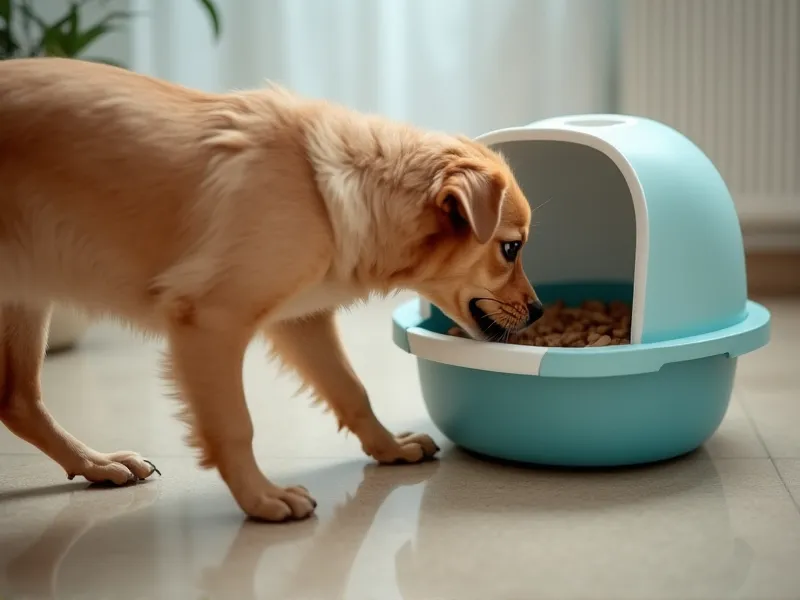
Table of Contents
- Can Dogs Eat Cat Litter? The Short Answer
- Potential “Benefits” of Cat Litter for Dogs: Separating Fact from Fiction
- The Risks of Dogs Eating Cat Litter: Why It’s Not Worth the Risk
- How Much Cat Litter Is Safe for Dogs? (Hint: Probably None)
- Healthier Alternatives to Cat Litter for Curious Pups
- FAQ: Your Top Questions About Dogs and Cat Litter, Answered
- Conclusion: Prioritize Safety and Consult Your Vet
Can Dogs Eat Cat Litter? The Short Answer
No, dogs should not eat cat litter—intentionally or accidentally.
While a tiny, one-time nibble might not send your dog to the emergency room, cat litter is not a safe or healthy snack. Most litters are designed to absorb moisture, clump, or mask odors—properties that can spell trouble for your dog’s digestive system. Even “natural” litters (made from wheat, corn, or pine) pose risks, and the presence of cat feces or urine in the litter adds another layer of danger (more on that later).
In short: The litter box is for your cat, not your dog. Let’s unpack why.
Potential “Benefits” of Cat Litter for Dogs: Separating Fact from Fiction
You might be wondering: Could there be any upside? After all, some litters are made from plant-based materials—could they offer trace nutrients, fiber, or potassium? Let’s set the record straight.
Myth: “Plant-Based Litter Provides Fiber”
Some litters (like wheat, corn, or oat-based varieties) are made from ground grains, which do contain fiber. But here’s the problem: The fiber in cat litter is not digestible in the way your dog needs. It’s processed, dried, and often treated with additives to make it clump or absorb odors—rendering any “fiber benefits” negligible. Your dog would need to eat dangerous amounts of litter to get even a fraction of the fiber they’d get from a single tablespoon of cooked pumpkin (a safe, vet-recommended fiber source).
Myth: “Cat Litter Has Potassium or Nutrients”
Cat urine contains potassium, and some pet parents wonder if dogs are drawn to litter for this reason. But potassium in urine is highly concentrated and mixed with ammonia—a toxic irritant for dogs. Even if your dog were seeking potassium, there are far safer ways to supplement (like adding a tiny bit of banana to their food, with your vet’s approval).
The Bottom Line: No Real Benefits
There are zero legitimate “benefits” to feeding your dog cat litter. Any trace nutrients or fiber are overshadowed by the serious risks we’ll cover next.
The Risks of Dogs Eating Cat Litter: Why It’s Not Worth the Risk
Now, let’s get to the important part: the dangers. Cat litter can harm your dog in several ways, depending on the type of litter and how much they eat. Here are the biggest risks:
1. Gastrointestinal Blockages (Especially with Clumping Litter)
Clumping litter is designed to absorb moisture and form hard, solid clumps when it comes into contact with liquid (like cat urine). If your dog eats clumping litter, that same process can happen inside their stomach or intestines. The litter absorbs gastric juices, swells, and forms a rock-hard mass that can block their digestive tract.
Symptoms of a blockage include vomiting, diarrhea, loss of appetite, lethargy, or straining to poop. Blockages are life-threatening and often require surgery to remove.
2. Bacterial Infections and Parasites from Cat Feces
Even “clean” litter boxes contain traces of cat feces, which can carry harmful pathogens:
- Toxoplasma gondii: A parasite found in cat feces that can cause toxoplasmosis (symptoms in dogs include fever, lethargy, and seizures).
- Salmonella or E. coli: Bacteria that can lead to severe diarrhea, vomiting, or even sepsis.
- Worms: Roundworms, hookworms, or tapeworms can be transmitted if your dog eats infected feces.
3. Toxic Additives in Some Litters
Not all litters are created equal. Many commercial litters contain additives that are toxic to dogs, including:
- Fragrances or deodorizers: Chemicals like phenols or formaldehyde (used to mask odors) can irritate your dog’s lungs, skin, or digestive tract.
- Crystalline silica dust: Found in “dust-free” silica gel litters, this dust can damage your dog’s respiratory system if inhaled and cause intestinal irritation if ingested.
- Antibacterial agents: Some litters add chemicals like triclosan, which disrupts hormone function in dogs.
4. Stomach Upset and Dehydration
Even non-clumping, “natural” litters (like clay or pine) can cause stomach upset. Ingesting foreign material can irritate the gut lining, leading to vomiting, diarrhea, or loss of appetite. Severe vomiting/diarrhea can quickly lead to dehydration—especially in small dogs or puppies.
5. Choking Hazard
Large chunks of litter (or clumps) can get stuck in your dog’s throat, causing choking. This is more common in small breeds or dogs who “wolf down” litter quickly.
How Much Cat Litter Is Safe for Dogs? (Hint: Probably None)
The short answer: There is no “safe” amount of cat litter for dogs to eat.
Accidental ingestion of a tiny crumb or two (e.g., your dog licks a paw that stepped in the litter box) is unlikely to cause harm. But if your dog eats more than a few bites—or if they eat litter regularly—it’s time to take action.
Signs to watch for after accidental ingestion:
- Vomiting or diarrhea
- Lethargy or weakness
- Loss of appetite
- Straining to urinate or defecate
- Abdominal pain (hunched back, whimpering)
If you notice any of these, contact your vet immediately.
Healthier Alternatives to Cat Litter for Curious Pups
If your dog can’t resist the litter box, they might be seeking something specific—like fiber, attention, or mental stimulation. Here are safer ways to satisfy their cravings:
For Fiber Seekers:
If your dog is eating litter to “supplement” fiber (common in dogs with digestive issues), try these vet-approved options:
- Cooked pumpkin: 1–2 tablespoons (plain, no sugar) for fiber and gut health.
- Green beans: Steamed or raw (chopped for small dogs) for low-calorie fiber.
- Sweet potato: Cooked and mashed (a nutrient-dense source of fiber and vitamins).
For Boredom Busters:
Dogs often eat weird things out of boredom. Keep them occupied with:
- Puzzle toys: Stuff a Kong with peanut butter (xylitol-free!) or yogurt for mental stimulation.
- Interactive play: A 15-minute game of fetch or tug-of-war can tire them out.
- New toys: Rotate toys weekly to keep things interesting.
For Nutrient Deficiencies:
If your dog is drawn to litter (or other non-food items, like dirt or grass), they might have a nutrient gap. Talk to your vet about:
- Switching to a high-quality dog food with balanced nutrients.
- Adding supplements (e.g., omega-3s, iron) if recommended.
To Deter Litter Box Snacking:
The best way to keep your dog safe is to make the litter box off-limits:
- Use a covered litter box with a small entrance (too small for your dog to stick their head in).
- Place the litter box in a gated area or high shelf (cats can jump, dogs can’t).
- Clean the litter box daily—less feces/urine means less temptation.
FAQ: Your Top Questions About Dogs and Cat Litter, Answered
Q: Why does my dog eat cat litter?
A: Dogs eat litter for many reasons: curiosity, boredom, hunger, nutrient deficiencies, or even the scent of cat feces (which contains pheromones that intrigue dogs). Puppies and senior dogs are especially prone to “pica” (eating non-food items).
Q: What should I do if my dog eats a lot of cat litter?
A: If your dog eats more than a few bites, contact your vet immediately. Bring the litter box label (to identify the type of litter) and note when they ate it. Your vet may recommend inducing vomiting (if done within 2 hours) or monitoring for blockages.
Q: Is clumping litter more dangerous than non-clumping?
A: Yes. Clumping litter is far more likely to cause intestinal blockages because it hardens when wet. Non-clumping litter (like clay) can still cause stomach upset, but blockages are less common.
Q: Can my dog get sick from licking cat litter off their paws?
A: It’s possible, but unlikely with a quick lick. However, regular paw-licking after stepping in the litter box can expose them to bacteria or parasites over time. Wipe their paws with a damp cloth after they use the bathroom to reduce risk.
Q: Are “natural” litters (wheat, corn) safer for dogs?
A: They’re less risky than clumping or scented litters, but still not safe. Plant-based litters can still cause blockages or stomach upset, and they often contain cat feces/urine.
Conclusion: Prioritize Safety and Consult Your Vet
At the end of the day, cat litter is not a food, a treat, or a supplement for dogs. While a tiny accidental nibble might not be catastrophic, regular or large-scale ingestion can lead to serious health issues—from blockages to infections.
If your dog is obsessed with the litter box, don’t panic—but do take action. Try the alternatives above, keep the litter box secure, and talk to your vet to rule out underlying issues (like nutrient deficiencies or boredom). Your dog’s curiosity is part of what makes them lovable, but it’s our job to keep them safe.
Here’s to happy, healthy pups (and litter boxes that stay only for the cats)!
References
- American Society for the Prevention of Cruelty to Animals (ASPCA). “Toxic and Non-Toxic Plants and Substances.” aspca.org
- Pet Poison Helpline. “Cat Litter Ingestion in Dogs.” petpoisonhelpline.com
- VCA Hospitals. “Pica in Dogs.” vcahospitals.com
- American Kennel Club (AKC). “Why Do Dogs Eat Cat Poop? And How to Stop It.” akc.org