· 8 min read
Can Dogs Eat Cat Food Safely? Risks, Benefits, and Guidelines for Pet Parents
We’ve all been there: You turn your back for 30 seconds to grab a leash, and suddenly your dog is face-deep in the cat’s food bowl, tail wagging like they’ve just hit the jackpot. It’s a common scenario in multi-pet homes, but it leaves many pet parents wondering: Is cat food safe for dogs?
Whether it’s a sneaky snack or a full-on heist, understanding the risks and occasional benefits of cat food for dogs is key to keeping your pup healthy. Let’s dive into the details—no judgment if your dog’s a repeat offender.
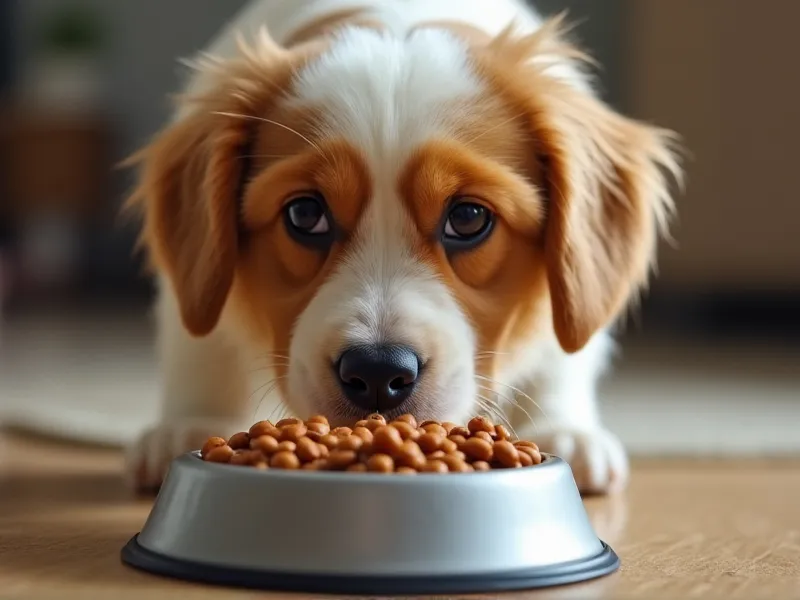
Table of Contents
- Is Cat Food Safe for Dogs? The Short Answer
- Potential “Benefits” of Cat Food for Dogs (Spoiler: They’re Minor)
- The Risks of Feeding Cat Food to Dogs: Why It’s Not Ideal
- How Much Cat Food Can Dogs Safely Eat? Guidelines for Accidents and Treats
- Healthier Alternatives to Cat Food for Your Dog
- FAQ: Your Most Pressing Questions Answered
- Conclusion: Moderation and Common Sense Win
Is Cat Food Safe for Dogs? The Short Answer
Let’s cut to the chase: Cat food isn’t toxic to dogs, but it’s not formulated for their nutritional needs. Think of it like feeding a human nothing but protein shakes—technically edible, but missing key nutrients and packed with ingredients that can cause long-term harm.
Occasional, tiny bites (like a few kibbles or a lick of wet food) are unlikely to hurt your dog. But regular feeding? That’s where problems start. Cat food is designed to meet cats’ unique needs (they’re obligate carnivores, after all), while dogs are omnivores with different dietary requirements. Over time, the differences can lead to serious health issues.
Potential “Benefits” of Cat Food for Dogs (Spoiler: They’re Minor)
Before we jump into the risks, let’s acknowledge the small silver linings. In extremely limited amounts, cat food might offer a few minor perks—but these are never a reason to make it a regular part of your dog’s diet.
1. Higher Protein (In Tiny Doses)
Cat food is packed with protein (often 30-40% compared to 18-26% in dog food) to support cats’ muscle maintenance and energy needs. For dogs, a tiny boost of protein (like a couple of kibbles) isn’t harmful and might even taste like a “treat.” But here’s the catch: Dogs don’t need extra protein, and too much can strain their kidneys over time.
2. Fiber from Common Ingredients
Many cat foods include fiber-rich ingredients like rice, sweet potatoes, or beet pulp to support feline digestion. If your dog snags a bite, they might get a tiny fiber boost—but this is nothing they can’t get from their own dog food (which is formulated to balance fiber for their digestive systems).
3. Potassium from Meat or Veggies
Potassium is essential for heart and muscle health, and cat food often gets it from meat (like chicken or fish) or veggies (like spinach). Again, this is a minor plus—your dog’s regular food already has the right amount of potassium for their size and breed.
The bottom line: These “benefits” are negligible. Cat food isn’t a shortcut to better nutrition for dogs.
The Risks of Feeding Cat Food to Dogs: Why It’s Not Ideal
Now, let’s talk about the real concerns. Cat food’s high protein, fat, and nutrient levels can spell trouble for dogs—especially with regular feeding.
1. High Fat and Protein: A Recipe for Pancreatitis and Obesity
Cat food is much higher in fat than dog food (often 10-20% vs. 8-15% in dog food). For dogs, excess fat can trigger pancreatitis—a painful, life-threatening condition where the pancreas becomes inflamed. Breeds like Miniature Schnauzers, Cocker Spaniels, and Labs are especially prone to this.
Even if pancreatitis doesn’t strike, extra fat and calories from cat food can lead to obesity, which raises the risk of diabetes, joint pain, and heart disease.
2. Nutrient Imbalances: Too Much of a Good Thing
Cats and dogs have wildly different nutrient needs. For example:
- Vitamin A: Cats need 2-3x more vitamin A than dogs (they can’t convert beta-carotene like dogs can). Cat food is loaded with preformed vitamin A, and over time, excess in dogs can cause bone pain, joint stiffness, or even organ damage.
- Taurine: Cats need taurine (an amino acid) from their diet to avoid blindness or heart issues, but dogs make their own taurine. Extra taurine from cat food isn’t harmful, but it’s unnecessary.
- Calcium/Phosphorus: Cat food has a different calcium-phosphorus ratio than dog food. Imbalances here can lead to bone or teeth problems in dogs, especially puppies (whose bones are still developing).
3. Digestive Upset: Diarrhea, Vomiting, and Stomach Aches
Dogs’ stomachs aren’t used to cat food’s high fat and protein. Even a small bowl can cause:
- Loose stools or diarrhea
- Vomiting (especially in sensitive dogs)
- Gas or bloating
Wet cat food is often worse for digestion than dry kibble, thanks to its higher fat content.
4. Choking Hazards (Rare but Possible)
Cat kibble is smaller than dog kibble to fit cats’ tiny mouths. For small dogs (like Chihuahuas or Yorkies), these tiny pieces might pose a choking risk if swallowed whole. Wet cat food can also have chunks of meat or veggies that are harder for dogs to chew, especially seniors or dogs with dental issues.
How Much Cat Food Can Dogs Safely Eat? Guidelines for Accidents and Treats
If your dog snuck a few bites of cat food, take a deep breath—they’ll probably be fine. But intentional feeding? Stick to these rules:
If It’s an Accident…
- A few kibbles or a lick of wet food: No need to panic. Monitor for 24 hours for diarrhea or vomiting, but most dogs will digest it without issue.
- A whole bowl: Contact your vet if your dog is small, has a history of pancreatitis, or shows symptoms (lethargy, vomiting, diarrhea). For large dogs, monitor closely—pancreatitis can take 12-24 hours to show symptoms.
If You Want to Offer a Tiny Treat…
- Stick to “micro-servings”:
- Small dogs (under 20 lbs): 1-2 dry kibbles or ¼ teaspoon of wet food.
- Medium dogs (20-50 lbs): 2-3 kibbles or ½ teaspoon of wet food.
- Large dogs (50+ lbs): 3-4 kibbles or 1 teaspoon of wet food.
- Frequency: No more than once a week. This isn’t a “daily treat”—it’s a rare indulgence.
When to Call the Vet
Contact your vet immediately if your dog shows:
- Persistent vomiting or diarrhea (more than 2-3 episodes)
- Lethargy or refusal to eat
- Abdominal pain (hunched back, whining when touched)
- Bloating or difficulty breathing
Healthier Alternatives to Cat Food for Your Dog
If your dog is obsessed with cat food, it’s probably because of its strong smell and high fat content. Instead of giving in, try these dog-safe treats that are actually good for them:
1. Fresh Fruits and Veggies
- Carrots: Crunchy, low-calorie, and packed with beta-carotene (great for eyes).
- Blueberries: Antioxidant-rich and sweet—perfect for training.
- Pumpkin (plain, canned): High in fiber to soothe upset stomachs (and dogs love the taste!).
2. Lean Proteins
- Cooked chicken or turkey: Unseasoned, skinless, and diced. A great source of protein without excess fat.
- Scrambled eggs: Cooked without salt or butter—dogs go crazy for them!
3. Commercial Dog Treats
Look for treats with limited ingredients (e.g., “chicken and rice”) and avoid added sugars or preservatives. Brands like Zuke’s, Blue Buffalo, or Merrick offer options tailored to dogs’ needs.
FAQ: Your Most Pressing Questions Answered
Q: My dog ate a whole bowl of cat food. Should I induce vomiting?
A: No—inducing vomiting can harm your dog if the food has already started digesting. Call your vet instead; they may recommend monitoring or bringing your dog in for an exam.
Q: Is wet cat food safer than dry for dogs?
A: No—wet cat food is higher in fat and can cause more digestive upset. Dry kibble has fewer calories per bite but still isn’t ideal.
Q: Why does my dog prefer cat food over dog food?
A: Cat food is more aromatic and higher in fat/protein, which makes it tastier! Try switching to a high-quality dog food with real meat as the first ingredient—your pup might love it just as much.
Q: Can puppies eat cat food?
A: Puppies have sensitive digestive systems and specific nutrient needs (like extra calcium for growth). Cat food’s high protein/fat can cause diarrhea or stunt growth. Keep cat food out of reach of curious puppies!
Q: How can I stop my dog from stealing cat food?
A: Feed your cat in a high place (like a counter) or use a pet gate to block access. You can also try a “cat-only” feeding station with a microchip-activated door (e.g., SureFeed) to keep dogs out.
Conclusion: Moderation and Common Sense Win
Cat food isn’t the enemy, but it’s no substitute for dog food. Occasional tiny bites are unlikely to harm your pup, but regular feeding can lead to obesity, pancreatitis, or nutrient imbalances. When in doubt, prioritize a high-quality dog food formulated for your pet’s age, size, and breed—and keep the cat food bowl out of paws’ reach.
If you’re concerned about your dog’s diet or they’ve raided the cat bowl recently, don’t hesitate to consult your vet. After all, a happy dog is a healthy dog—and that starts with the right food.
Sources
- American Veterinary Medical Association (AVMA). “Nutrition for Dogs and Cats.” avma.org
- PetMD. “Can Dogs Eat Cat Food?” petmd.com
- Merck Veterinary Manual. “Nutritional Requirements of Dogs.” merckvetmanual.com
- American College of Veterinary Nutrition (ACVN). “Pet Food Myths.” acvn.org