· 9 min read
Can Dogs Eat Cat Food in a Pinch? What Pet Parents Need to Know
We’ve all been there: You reach for your dog’s food bowl, only to realize the bag is empty. The pet store closed 20 minutes ago, and your next delivery isn’t until tomorrow. Panic sets in—your pup is staring up at you with those “feed me now” eyes, and the only backup you have is… your cat’s kibble.
“Can dogs eat cat food?” you wonder. “Just for one night. It can’t hurt, right?”
If this scenario sounds familiar, you’re not alone. Many pet parents have faced the “cat food emergency” and questioned whether it’s safe to share. In this post, we’ll break down the facts: Is cat food toxic to dogs? What are the risks? And what should you feed your dog if you’re truly in a pinch?
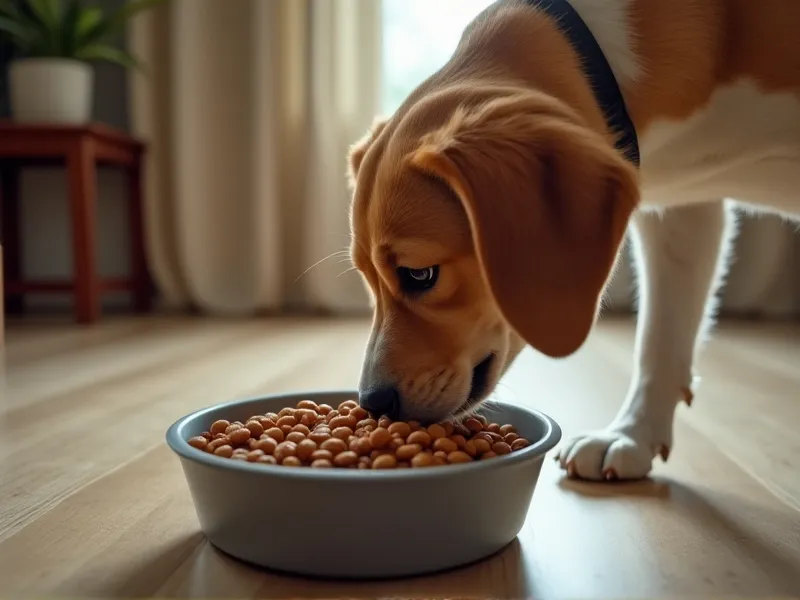
Table of Contents
- The Short Answer: Yes, But Only Temporarily
- Understanding the Differences Between Dog and Cat Food
- Potential “Benefits” of Cat Food for Dogs (In a Pinch)
- Risks of Feeding Cat Food to Dogs Regularly
- How Much Cat Food Is Safe for Dogs?
- Healthier Alternatives to Cat Food When You’re in a Pinch
- FAQ: Your Cat Food and Dog Questions Answered
- Conclusion: Moderation is Key
The Short Answer: Yes, But Only Temporarily
Let’s cut to the chase: Cat food is not toxic to dogs, and feeding your dog a small amount of cat food once or twice (in a true emergency) is unlikely to cause harm. However, it’s not formulated for dogs’ nutritional needs, so it should never replace your dog’s regular food long-term.
Think of it like humans eating a fast-food burger: It might fill you up, but you wouldn’t want to live on it. Cat food is similarly “empty calories” for dogs—calorie-dense but nutritionally imbalanced for their bodies.
Understanding the Differences Between Dog and Cat Food
To understand why cat food isn’t ideal for dogs, we first need to look at how dogs and cats differ biologically:
Cats: Obligate Carnivores
Cats are “obligate carnivores,” meaning their bodies require nutrients found only in animal meat to survive. They need high levels of protein (30-40% in their diet, compared to dogs’ 18-26%), as well as specific amino acids like taurine (critical for heart and eye health) and arachidonic acid (for skin and coat). They also can’t produce vitamin A from plant sources, so they need pre-formed vitamin A from meat.
Dogs: Omnivores
Dogs, on the other hand, are omnivores. While they need protein, they also thrive on fruits, vegetables, and grains. Their bodies can synthesize taurine and arachidonic acid from other nutrients, and they don’t require as much protein or fat as cats.
What This Means for Their Food
Cat food is packed with extra protein, fat, and calories to meet cats’ high-energy needs. It also contains higher levels of taurine, vitamin A, and other nutrients that cats can’t make themselves. For dogs, this nutrient overload can spell trouble over time.
Potential “Benefits” of Cat Food for Dogs (In a Pinch)
Let’s be clear: Cat food isn’t good for dogs, but in a true emergency (e.g., you’re stranded, the store is closed, and you have no other options), it does have a few “silver linings” that make it better than nothing:
1. It’s Calorie-Dense (Which Can Help in a Short-Term Crunch)
Cat food is higher in calories than dog food (about 300-500 calories per cup, vs. 250-400 for dog food). This can help keep your dog full if you’re short on other options for a single meal.
2. It Contains Protein (A Nutrient Dogs Need)
Dogs need protein for muscle maintenance, immune function, and energy. Cat food’s high protein content (from chicken, fish, or beef) will provide some of this—though not in the right balance for dogs.
3. Trace Nutrients Like Fiber and Potassium
Some cat foods include small amounts of fiber (from ingredients like beet pulp) or potassium (from fruits/veggies), which are generally safe for dogs. These can help with temporary digestion, but they’re not a reason to choose cat food over dog-safe alternatives.
Risks of Feeding Cat Food to Dogs Regularly
While a single meal of cat food is unlikely to hurt your dog, feeding it regularly (even for a week) can lead to serious health issues. Here’s what to watch out for:
1. Pancreatitis (A Life-Threatening Condition)
Cat food’s high fat content is the biggest risk. Dogs (especially small breeds, overweight dogs, or those with a history of pancreatitis) can develop inflammation of the pancreas (pancreatitis) from eating too much fat. Symptoms include vomiting, diarrhea, lethargy, and loss of appetite—and it often requires emergency vet care.
Source: American Kennel Club (AKC)
2. Obesity and Weight Gain
Cat food is calorie-dense, so even small portions can pack a caloric punch. Over time, this can lead to obesity, which raises the risk of diabetes, joint pain, and heart disease in dogs.
3. Digestive Upset
Dogs’ digestive systems aren’t used to cat food’s high protein and fat levels. This can cause diarrhea, vomiting, or gas—especially in sensitive dogs or puppies.
4. Nutrient Imbalances
- Too much taurine: While taurine is safe for dogs in small amounts, excess taurine (from cat food) can lead to bladder stones in some dogs.
- Vitamin A toxicity: Cat food has high levels of pre-formed vitamin A. Dogs can overdose on vitamin A over time, causing bone pain, joint stiffness, or even organ damage.
Source: ASPCA Animal Poison Control
5. Added Sugars or Additives
Some cat foods (especially wet food) contain added sugars, preservatives, or artificial flavors to appeal to cats’ taste buds. These offer no nutritional value to dogs and can contribute to tooth decay or hyperactivity.
How Much Cat Food Is Safe for Dogs?
If you must feed your dog cat food (e.g., you’re stuck overnight with no other options), follow these guidelines to minimize risk:
Stick to a Small Portion
Aim for no more than 10% of your dog’s daily calorie needs from cat food. For reference:
- Small dogs (10-20 lbs): ¼ to ½ cup of dry cat food (or 1-2 oz of wet cat food)
- Medium dogs (30-50 lbs): ½ to 1 cup of dry cat food (or 2-3 oz of wet cat food)
- Large dogs (60+ lbs): 1 to 1.5 cups of dry cat food (or 3-4 oz of wet cat food)
Only Feed It Once (Max Twice)
Cat food should never replace more than one or two meals. After that, prioritize finding a dog-safe alternative (more on that below!).
Watch for Symptoms
If your dog eats cat food, monitor them for 24-48 hours for vomiting, diarrhea, or lethargy. If these occur, contact your vet.
Healthier Alternatives to Cat Food When You’re in a Pinch
Cat food should be your last resort, not your first. Here are safer, more nutritionally balanced options to feed your dog when you’re out of dog food:
1. Cooked Plain Chicken or Turkey
Why it works: Lean protein is easy on dogs’ stomachs and provides essential amino acids.
How to serve: Boil boneless, skinless chicken/turkey (no salt, oil, or seasonings). Shred and mix with a small amount of cooked rice for extra fiber.
Portion: ¼ cup per 10 lbs of body weight (e.g., 1 cup for a 40-lb dog).
2. Cooked White Rice or Oats
Why it works: Gentle on the stomach, provides carbs for energy, and helps firm up loose stools.
How to serve: Cook plain (no butter, salt, or spices). Mix with a spoonful of pumpkin (see below) for added nutrients.
Portion: ½ cup per 20 lbs of body weight.
3. Plain Canned Pumpkin (Not Pie Filling!)
Why it works: Rich in fiber and potassium, which aids digestion. It’s also low in calories.
How to serve: Spoon 1-2 tbsp (for small dogs) or ¼ cup (for large dogs) into a bowl. Can be mixed with rice or chicken.
4. Dog-Safe Vegetables
Why they work: Carrots, green beans, or sweet potatoes are low-calorie, high-fiber, and packed with vitamins.
How to serve: Steam or boil until soft (raw veggies can be hard to digest). Mash or chop into bite-sized pieces.
Portion: ¼ cup per 20 lbs of body weight.
5. Store-Bought Baby Food (No Onions/Garlic)
Why it works: Plain, unseasoned baby food (like chicken or turkey) is a quick, easy option.
How to serve: Check the label to ensure no onions, garlic, or added sugars. Serve 2-4 oz (depending on dog size).
FAQ: Your Cat Food and Dog Questions Answered
Q: Is cat food toxic to dogs?
A: No, but it’s nutritionally imbalanced. Toxicity is rare unless your dog eats massive amounts (e.g., an entire bag), which could cause pancreatitis or blockages.
Q: Can puppies eat cat food?
A: Puppies have even more specific nutritional needs (e.g., calcium for bones). Cat food’s high protein/fat can strain their developing kidneys or cause growth issues. Avoid it—opt for puppy-safe alternatives like cooked chicken and rice instead.
Q: How long can a dog eat cat food before getting sick?
A: Most dogs will show digestive upset (diarrhea, vomiting) within 1-3 days of eating cat food regularly. Some may develop pancreatitis or obesity over weeks/months.
Q: My dog ate a whole bowl of cat food—what should I do?
A: If it’s a one-time incident, monitor for vomiting/diarrhea. If they’re lethargic or in pain, contact your vet immediately (they may need treatment for pancreatitis or an upset stomach).
Conclusion: Moderation is Key
So, can dogs eat cat food in a pinch? Yes—but only temporarily, and only in small amounts. While it won’t poison your dog, cat food’s high protein, fat, and calorie content make it a poor long-term choice.
When you’re out of dog food, prioritize safer alternatives like cooked chicken, rice, or pumpkin. And if you’re ever unsure, reach out to your vet—they can guide you on the best options for your pup’s unique needs.
Remember: Your dog’s health depends on a balanced diet formulated for their needs, not your cat’s. So stock up on dog food, keep a few emergency alternatives on hand, and rest easy knowing you’re keeping your furry friend happy and healthy.