· 8 min read
Can Dogs Eat Cat Food for One Day? What Pet Parents Need to Know
We’ve all been there: You turn your back for two minutes, and suddenly your dog—who swore they weren’t hungry five minutes ago—is chowing down on your cat’s kibble like it’s a five-star meal. Cue the panic: Is cat food toxic to dogs? Will my pup get sick? If you’re staring at an empty cat food bowl and a guilty-looking dog, you’re not alone. Many pet parents wonder: Can dogs eat cat food for one day, or is this a vet emergency?
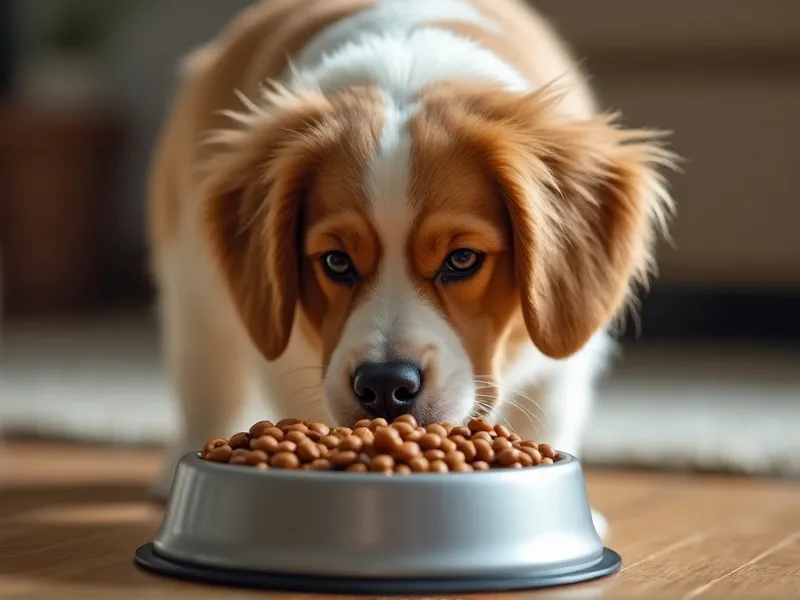
Table of Contents
- Can Dogs Eat Cat Food for One Day? The Short Answer
- Potential “Benefits” of Cat Food for Dogs (If Any)
- The Risks of Feeding Cat Food to Dogs (Even for a Day)
- How Much Cat Food Is Safe for Dogs? A Guideline
- Healthier Alternatives to Cat Food for Dogs
- FAQ: Common Questions About Dogs and Cat Food
- Conclusion: Moderation and When to Call the Vet
- References
Can Dogs Eat Cat Food for One Day? The Short Answer
Let’s cut to the chase: Most healthy dogs can eat a small amount of cat food for one day without life-threatening consequences. If your dog snuck a few bites of your cat’s kibble or even polished off a small bowl, they’ll likely be okay.
But here’s the catch: Cat food is not formulated for dogs. It’s packed with nutrients (and potential pitfalls) that make it unsuitable—even for a single day—as a meal replacement. Think of it like you eating a entire pizza for breakfast: It might fill you up, but you’ll probably feel lousy afterward.
Potential “Benefits” of Cat Food for Dogs (If Any)
Cat food isn’t all bad for dogs, but any “benefits” are minor and not worth seeking out. Let’s break down what cat food offers, and why it’s not a selling point:
1. Higher Protein Content
Cat food is notoriously protein-rich—cats are obligate carnivores, so their diets require more animal-based protein than dogs (who are omnivores). A dog might get a temporary protein boost from cat food, but dogs’ bodies aren’t designed to process excess protein efficiently. Most commercial dog foods already have plenty of protein for their needs [1].
2. Trace Nutrients Like Fiber or Potassium
Some cat foods contain fiber (from ingredients like beet pulp) or electrolytes like potassium, which are also good for dogs. But again: Your dog’s regular food already has these nutrients in balanced amounts. Feeding cat food for fiber is like using a sledgehammer to hang a picture—overkill and unnecessary.
3. Taurine (But Dogs Don’t Need It)
Cats need taurine (an amino acid) to survive, so cat food is fortified with it. Dogs, however, produce taurine naturally in their bodies. Extra taurine from cat food won’t harm them, but it’s not beneficial either [2].
Bottom line: Any “benefits” are negligible. Cat food isn’t a health hack for dogs—it’s just a different (and less suitable) pet food.
The Risks of Feeding Cat Food to Dogs (Even for a Day)
Now, let’s get serious: Even a single day of cat food can cause problems for your dog. Here’s what to watch for:
1. Stomach Upset (Vomiting, Diarrhea, or Gas)
Cat food is higher in fat and protein than most dog foods. For dogs, this can be a shock to the digestive system. Think of it as their gut saying, “Whoa, that’s way more fat than I’m used to!” The result? Nausea, vomiting, loose stools, or uncomfortable gas. Small dogs, puppies, or dogs with sensitive stomachs are especially prone to this [3].
2. Pancreatitis Risk (Rare but Serious)
Pancreatitis is inflammation of the pancreas, often triggered by high-fat foods. While it’s more common in dogs who eat cat food regularly, a large single serving (like a whole can of wet cat food) could put at-risk dogs in danger. Breeds like Miniature Schnauzers, Cocker Spaniels, and obese dogs are particularly susceptible [4]. Symptoms include severe abdominal pain, vomiting, and lethargy—if you see these, call your vet immediately.
3. Excess Vitamins (Like Vitamin A)
Cats need more vitamin A than dogs, so cat food is loaded with it. Dogs, however, can’t excrete excess vitamin A easily. Over time, this builds up and causes bone or joint pain, but even a single day of high vitamin A intake can irritate their digestive tract [5].
4. Choking Hazards (Small Kibble)
Some cat kibbles are smaller than dog kibble, which can be a choking risk for large dogs who gulp their food. Even small dogs might struggle if they eat too fast—those tiny pieces can get stuck in their throats [6].
5. Hidden Sugars or Carbs
Not all cat foods are created equal. Some cheaper brands add sugars or fillers (like corn or wheat) to boost flavor or calories. Dogs don’t need added sugar, and excess carbs can lead to energy spikes followed by crashes, or even worsen conditions like diabetes [7].
How Much Cat Food Is Safe for Dogs? A Guideline
If your dog did sneak cat food, you’re probably wondering: How much is too much? The answer depends on your dog’s size, age, and health. Here’s a rough guideline:
| Dog Size | Max Amount of Cat Food (Kibble) for One Day |
|---|---|
| Small (under 20 lbs) | 1–2 tablespoons (about 10–20 kibbles) |
| Medium (20–50 lbs) | 2–3 tablespoons (20–30 kibbles) |
| Large (50+ lbs) | 3–4 tablespoons (30–40 kibbles) |
Important notes:
- This is for kibble. Wet cat food is higher in fat, so stick to half these amounts.
- If your dog has health issues (pancreatitis, diabetes, kidney disease), even a small amount could be dangerous.
- “Safe” doesn’t mean “pleasant.” Even within these limits, your dog might still get an upset stomach.
Healthier Alternatives to Cat Food for Dogs
If you’re in a pinch (e.g., you ran out of dog food and can’t get to the store), skip the cat food and reach for these dog-safe options instead:
1. Cooked Plain Chicken or Turkey
Boiled, unseasoned chicken/turkey is gentle on dogs’ stomachs and packed with protein. Mix with a little cooked rice for a balanced meal.
2. Pumpkin (Plain, Canned)
Plain pumpkin (not pie filling!) is high in fiber and helps soothe upset tummies. A tablespoon or two mixed with water makes a great snack.
3. Dog-Friendly Vegetables
Carrots, green beans, or sweet potatoes (cooked) are low-calorie, crunchy treats that won’t upset your dog’s gut.
4. Wet Dog Food Samples
Many pet stores sell single-serve wet dog food cups—perfect for a one-day fix if you’re out of kibble.
5. Homemade Bland Diet
If your dog has a sensitive stomach, a mix of 75% cooked white rice and 25% boiled chicken (no salt, butter, or seasoning) is a vet-recommended standby [8].
FAQ: Common Questions About Dogs and Cat Food
Q: My dog ate a whole bowl of cat food. Should I panic?
A: Take a deep breath. A whole bowl might cause vomiting or diarrhea, but it’s rarely life-threatening (unless your dog is tiny, has pancreatitis, or other health issues). Monitor them for 24 hours: If they’re lethargic, won’t eat/drink, or vomit/diarrhea persists, call your vet.
Q: Is wet cat food worse for dogs than dry kibble?
A: Wet cat food is higher in fat and moisture than kibble, so it might cause more stomach upset (think: greasy diarrhea). But the risks (excess protein, vitamins) are similar.
Q: Can puppies eat cat food?
A: Puppies have even more sensitive digestive systems than adult dogs. A few bites might be okay, but a bowl could lead to severe diarrhea or stunted growth (since cat food lacks puppy-specific nutrients like calcium). Stick to puppy food!
Q: My dog keeps stealing the cat’s food. How do I stop this?
A: Feed your pets in separate rooms, or use a baby gate to block access. Elevated cat food bowls (too high for dogs to reach) or puzzle feeders for cats can also help.
Q: My dog has diarrhea after eating cat food. What should I do?
A: Withhold food for 12 hours (but keep water available) to let their gut rest. Then offer small amounts of the bland rice-chicken mix mentioned earlier. If diarrhea lasts more than 24 hours, or if there’s blood, call your vet.
Conclusion: Moderation and When to Call the Vet
Dogs eating cat food for one day is rarely an emergency, but it’s not ideal. Think of it as a “no harm, no foul” scenario—unless your dog shows signs of distress.
When to call the vet immediately:
- Vomiting or diarrhea lasting more than 24 hours
- Lethargy, weakness, or loss of appetite
- Abdominal pain (hunched back, whining when touched)
- Blood in stool or vomit
- Seizures or disorientation
For most dogs, though, a few bites of cat food will result in nothing more than a smelly gas cloud and a lesson learned (for both of you).
The best rule? Keep cat food out of your dog’s reach, stick to their regular diet, and when in doubt, ask your vet. After all, your pup’s health is worth more than a stolen snack.
References
[1] American Kennel Club (AKC). “Dog Nutrition: What’s in Dog Food?” Link
[2] VCA Animal Hospitals. “Taurine Deficiency in Dogs.” Link
[3] ASPCA Pet Health Insurance. “Can Dogs Eat Cat Food?” Link
[4] Cummings School of Veterinary Medicine. “Pancreatitis in Dogs.” Link
[5] PetMD. “Vitamin A Toxicity in Dogs.” Link
[6] Pet Poison Helpline. “Choking Hazards for Dogs.” Link
[7] World Small Animal Veterinary Association (WSAVA). “Nutrition Toolkit: Carbohydrates in Pet Food.” Link
[8] American College of Veterinary Nutrition (ACVN). “Bland Diets for Dogs.” Link