· 10 min read
Can Dogs Eat Cassava Chips? A Pet Parent’s Guide to Risks, Benefits & Safe Snacking
It’s a lazy Sunday afternoon, and you’re curled up on the couch with a bag of crispy, golden cassava chips. Your dog, ever the opportunist, plops down beside you, tail thumping, nose twitching, and those irresistible puppy eyes locked on your snack. “Just one tiny chip?” you wonder. “What harm could it do?”
If you’ve found yourself asking, “Can dogs eat cassava chips?” you’re not alone. As pet parents, we want to share the things we love with our furry companions, but it’s crucial to know which human foods are safe—and which could pose risks. Cassava chips, a popular snack made from the starchy root of the cassava plant, have grown in popularity in recent years. But are they a safe treat for dogs, or should they stay off the menu?
In this guide, we’ll break down everything you need to know: the short answer to whether dogs can eat cassava chips, the potential benefits (yes, there are a few!), the hidden risks, how much (if any) is safe, and healthier alternatives to satisfy your pup’s crunch cravings. Let’s dive in!
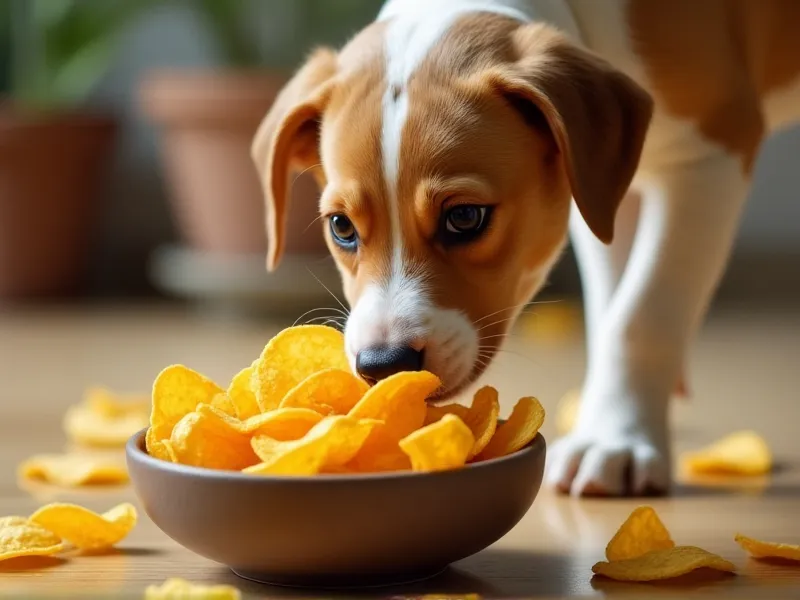
Table of Contents
- Can Dogs Eat Cassava Chips? The Short Answer
- What Are Cassava Chips, Anyway?
- Potential Benefits of Cassava (for Dogs)
- The Risks of Feeding Cassava Chips to Dogs
- How Much Cassava Chips Can Dogs Safely Eat?
- Healthier Alternatives to Cassava Chips
- FAQ: Your Cassava Chip Questions Answered
- Conclusion: Moderation & Common Sense
- References
Can Dogs Eat Cassava Chips? The Short Answer
In very small, occasional amounts, plain, unsalted, unseasoned, and properly cooked cassava chips might be safe for most dogs. However, they are not an ideal treat, and processed versions (the kind you find in stores) often contain additives that make them risky.
Here’s why: Most commercial cassava chips are fried, salted, sugared, or flavored with spices—all of which can harm dogs. Even plain, baked chips are high in carbs and low in nutrients, offering little value to your pup’s diet. For these reasons, cassava chips should never be a regular part of your dog’s meals, and you should always err on the side of caution.
What Are Cassava Chips, Anyway?
To understand if cassava chips are safe for dogs, let’s start with the basics: What are they?
Cassava (Manihot esculenta) is a woody shrub native to South America, but its starchy root is a staple food in many tropical regions (think Africa, Asia, and the Caribbean). The root is long, brown, and tuberous—similar in appearance to a sweet potato or yam.
Cassava chips are made by peeling, grating, and slicing the root into thin pieces, which are then fried, baked, or dehydrated to create a crispy snack. They’re often marketed as a “gluten-free” or “vegan” alternative to potato chips, thanks to their neutral flavor and satisfying crunch.
But here’s the catch: The cassava root itself is relatively unprocessed, but chips are a highly processed version. Commercial brands often add salt, sugar, artificial flavors (like barbecue, sour cream, or cheese), preservatives, and even MSG to boost taste. These additives are where the trouble starts for dogs.
Potential Benefits of Cassava (for Dogs)
Before we dive into the risks, let’s acknowledge that cassava root (in its whole, unprocessed form) does offer some nutritional value. While these benefits are great for dogs, they’re mostly lost when the root is turned into chips. Still, it’s worth understanding the plant’s natural perks:
1. Fiber for Digestive Health
Cassava root is a good source of dietary fiber, which helps regulate digestion, prevent constipation, and support a healthy gut microbiome. Fiber also keeps dogs feeling full, which can aid in weight management—but chips are stripped of much of this fiber during processing.
2. Potassium for Heart & Muscle Function
Potassium is an essential mineral that supports heart health, muscle contraction, and fluid balance. Cassava root contains a moderate amount of potassium, which is beneficial for dogs (especially active pups or seniors). Again, processing reduces this nutrient’s availability in chips.
3. Vitamins & Antioxidants
Cassava root has small amounts of vitamin C (an antioxidant that boosts immunity), B vitamins (for energy metabolism), and folate (important for cell repair). These nutrients are far more concentrated in fresh, cooked cassava than in fried or baked chips.
The bottom line: Cassava root itself can be a healthy addition to a dog’s diet (when cooked and served plain), but chips are a processed shadow of the real thing. The benefits are minimal, and the risks often outweigh them.
The Risks of Feeding Cassava Chips to Dogs
Now, let’s get to the most important part: the risks. While a single plain chip might not harm your dog, regular or large servings of cassava chips can lead to serious health issues. Here’s what to watch out for:
1. High in Empty Calories & Carbs
Cassava is naturally starchy, and chips are packed with refined carbs. A 1-ounce serving of cassava chips contains around 150 calories and 18 grams of carbs—most of which are “empty” (i.e., lacking fiber, protein, or healthy fats). For dogs, this can lead to:
- Weight gain and obesity (a leading cause of diabetes, joint pain, and heart disease in dogs).
- Spikes in blood sugar, which is dangerous for dogs with diabetes or insulin resistance.
2. Added Salt: A Hidden Danger
Salt is a common additive in cassava chips, and dogs are highly sensitive to sodium. The ASPCA notes that too much salt can cause sodium ion poisoning, with symptoms like:
- Excessive thirst and urination
- Vomiting and diarrhea
- Lethargy or restlessness
- Tremors or seizures (in severe cases)
A medium-sized dog (30-50 pounds) should consume no more than 100-200 mg of sodium per day. A single ounce of salted cassava chips can contain 150-300 mg of sodium—more than their daily limit in one snack!
3. Sugar & Artificial Sweeteners
Some cassava chips (especially “sweet” or “honey-glazed” varieties) contain added sugar or artificial sweeteners like xylitol. Xylitol is extremely toxic to dogs, even in small amounts, and can cause liver failure or death. Sugar, while not toxic, contributes to dental decay, obesity, and diabetes.
4. Fried Fats: A Pancreatitis Risk
Most cassava chips are fried in oil (vegetable, palm, or canola), making them high in fat. Dogs have sensitive digestive systems, and a diet rich in fats can trigger pancreatitis—a painful inflammation of the pancreas. Symptoms include vomiting, abdominal pain, and loss of appetite, and severe cases require emergency veterinary care.
5. Choking Hazard
Cassava chips are hard, crispy, and can break into sharp pieces. Small dogs, in particular, may struggle to chew them properly, increasing the risk of choking or damage to the throat or digestive tract.
6. Cyanide in Raw Cassava (Rare in Chips, but Still a Concern)
Raw cassava root contains cyanogenic glycosides—compounds that release cyanide when ingested. Cyanide is toxic to all animals, including dogs, and can cause vomiting, difficulty breathing, and even death. However, commercial cassava chips are cooked (fried or baked), which neutralizes most of these compounds. That said, if you’re making homemade chips from raw cassava, always boil or bake the root first to eliminate cyanide risk.
How Much Cassava Chips Can Dogs Safely Eat?
If you’re still tempted to share a chip with your dog (we get it—those puppy eyes are tough!), follow these strict guidelines:
- Stick to plain, unsalted, unseasoned chips only. No salt, sugar, spices, or flavorings. Look for brands labeled “no additives” or “plain.”
- Limit to 1-2 chips, max. For small dogs (under 20 pounds), 1 chip is enough. For large dogs (over 60 pounds), 2 chips偶尔.
- Only as an occasional treat. Once a month, tops. Cassava chips should never replace regular meals or healthy snacks.
- Watch for reactions. After feeding a chip, monitor your dog for 24 hours. If they vomit, diarrhea, or seem lethargic, contact your vet immediately.
When in doubt, skip it. There are far healthier snacks your dog will love just as much (more on that below!).
Healthier Alternatives to Cassava Chips
If your dog craves a crunchy snack, swap cassava chips for these vet-approved alternatives:
1. Baked Sweet Potato Chips
Sweet potatoes are rich in fiber, beta-carotene (vitamin A), and potassium—all great for dogs. Slice a sweet potato into thin rounds, toss with a tiny bit of olive oil, and bake at 350°F for 20-25 minutes until crispy. No salt or seasoning needed!
2. Carrot Sticks
Crunchy, low-calorie, and packed with vitamin A, carrots are a classic dog favorite. They’re also great for dental health—chewing carrots helps scrape plaque off teeth.
3. Apple Slices (No Seeds!)
Apples are high in fiber and vitamin C. Remove the core and seeds (seeds contain small amounts of cyanide), then slice into bite-sized pieces. Avoid adding sugar or peanut butter (unless it’s xylitol-free).
4. Cucumber or Zucchini Chips
Thinly slice cucumber or zucchini, bake until crispy, and serve plain. These veggies are low in calories and high in water, making them perfect for dogs watching their weight.
5. Plain Popcorn (Air-Popped)
Air-popped popcorn (no butter, salt, or sugar) is a light, crunchy snack. Just make sure there are no unpopped kernels, which can be a choking hazard.
6. Cooked Pumpkin
Plain, canned pumpkin (not pie filling!) is rich in fiber and beta-carotene. Freeze spoonfuls into “pumpkin chips” for a cold, crunchy treat in summer.
FAQ: Your Cassava Chip Questions Answered
Q: Can puppies eat cassava chips?
A: Puppies have developing digestive systems and are more sensitive to rich, processed foods. It’s best to avoid giving puppies cassava chips altogether. Stick to age-appropriate puppy treats instead.
Q: My dog ate a whole bag of cassava chips! What should I do?
A: Contact your vet immediately. A large amount of chips could cause sodium poisoning, pancreatitis, or an upset stomach. Bring the chip bag with you to show ingredients (e.g., salt, sugar, spices).
Q: Are “baked” cassava chips safer than fried ones?
A: Baked chips are lower in fat than fried ones, but they’re still high in carbs and often contain added salt. They’re slightly better, but not a healthy choice.
Q: Is raw cassava safe for dogs?
A: No! Raw cassava contains cyanogenic glycosides, which release cyanide when eaten. Always cook cassava root thoroughly (boil, bake, or steam) before feeding it to your dog—and even then, serve it plain, in small amounts.
Q: Can dogs with allergies eat cassava chips?
A: Cassava is gluten-free and not a common allergen, so some dogs with grain allergies might tolerate plain chips. However, additives like spices or preservatives could still trigger reactions. Check with your vet first.
Conclusion: Moderation & Common Sense
At the end of the day, cassava chips are a human snack—not a dog food. While a tiny, plain chip偶尔 might not hurt, they offer little nutritional value and come with real risks (salt, sugar, fat, choking).
Instead of sharing your chips, opt for whole, unprocessed treats like carrots, sweet potatoes, or apple slices. These snacks are packed with nutrients, low in calories, and beloved by dogs.
As always, when introducing a new food to your dog, start small and watch for reactions. And if you’re ever unsure whether a food is safe, consult your vet—they know your dog’s health history and can give personalized advice.
Your pup’s tail wags and wet nose are worth more than any chip. Here’s to happy, healthy snacking!
References
- American Kennel Club (AKC). “Human Foods Dogs Can and Can’t Eat.” akc.org
- ASPCA. “Toxic and Non-Toxic Plants: Cassava.” aspca.org
- PetMD. “Sodium Ion Poisoning in Dogs.” petmd.com
- Veterinary Centers of America (VCA). “Pancreatitis in Dogs.” vcahospitals.com
- World Health Organization (WHO). “Cassava: Safety and Quality.” who.int