· 7 min read
Can Dogs Eat Cashews with Salt? The Surprising Truth Every Pet Parent Should Know
It’s a quiet evening, and you’re snacking on a handful of salted cashews while scrolling through your phone. Out of the corner of your eye, you notice your dog staring up at you, tail thumping against the couch, their little nose twitching at the salty aroma. You pause, mid-crunch: “Is this safe for them?”
Cashews are a popular human snack—crunchy, creamy, and packed with nutrients—but when it comes to sharing them with your pup, the answer isn’t as simple as “yes” or “no.” The key difference? Salt. While plain cashews might be okay in small doses, salted cashews could pose hidden risks. Let’s dive into the details to keep your furry friend happy and healthy.
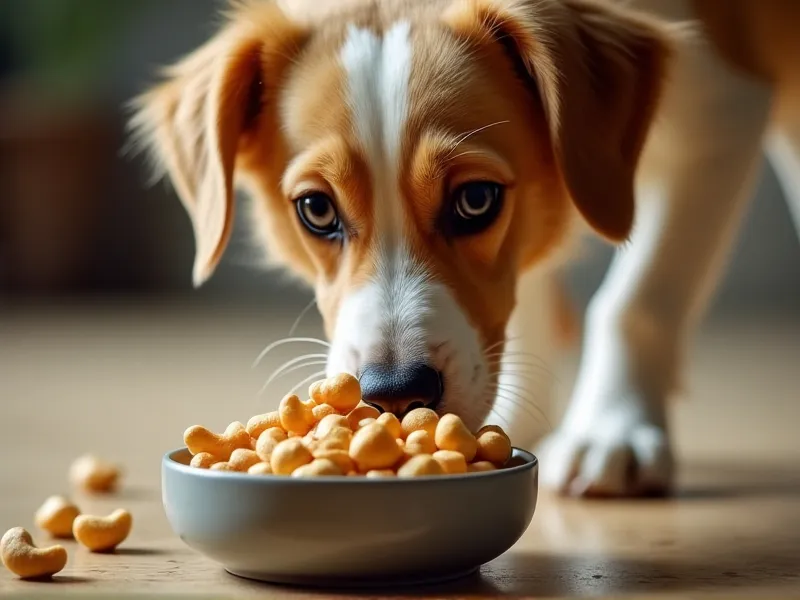
Table of Contents
- Can Dogs Eat Cashews with Salt? The Short Answer
- The Potential Benefits of Plain, Unsalted Cashews for Dogs
- The Risks of Salted Cashews (and Other Hidden Dangers)
- How Much (If Any) Cashew is Safe for Your Dog?
- Healthier Alternatives to Salted Cashews
- FAQ: Your Most Pressing Questions Answered
- Conclusion: Treat Smart, Keep Your Pup Safe
Can Dogs Eat Cashews with Salt? The Short Answer
Let’s cut to the chase: Dogs can technically eat plain, unsalted cashews in very small amounts, but salted cashews are NOT recommended.
Cashews themselves are not toxic to dogs (unlike macadamia nuts, which are highly toxic). However, the added salt in salted cashews makes them a risky choice. Dogs have much lower tolerance for sodium than humans, and even a small amount of salted cashews can lead to health issues.
Plain cashews, on the other hand, offer some nutritional perks—like healthy fats, fiber, and minerals—when given as an occasional treat. But moderation is critical: too many cashews (even unsalted) can cause stomach upset or worse.
The Potential Benefits of Plain, Unsalted Cashews for Dogs
Before we dive into the risks, let’s highlight why plain cashews might sometimes be a decent treat (in tiny portions). Cashews are nutrient-dense, and while they shouldn’t replace your dog’s balanced kibble, they do offer a few key benefits:
1. Healthy Fats for Skin and Coat
Cashews are rich in monounsaturated fats (the “good” fats), which support your dog’s skin health and give their coat a shiny, lustrous look. These fats also help with nutrient absorption and hormone production—important for overall wellness.
2. Protein to Support Muscle Health
A 1-ounce serving of cashews contains about 5 grams of protein. While your dog’s primary protein should come from their regular food, a cashew or two can offer a tiny boost to support muscle maintenance (great for active pups!).
3. Fiber for Digestive Health
Cashews have a small amount of dietary fiber (about 1 gram per ounce), which can help regulate your dog’s digestion and keep their gut happy—if given in moderation. Too much fiber, though, can lead to diarrhea (more on that later).
4. Key Minerals: Potassium and Magnesium
Potassium is essential for heart health and muscle function, while magnesium supports bone health and energy production. Cashews contain both minerals, though in small amounts—so they’re more of a “bonus” than a primary source.
Important Note: These benefits only apply to plain, unsalted, unflavored cashews. Once you add salt, sugar, or other seasonings, the risks far outweigh any perks.
The Risks of Salted Cashews (and Other Hidden Dangers)
Now, let’s talk about the downsides—especially when it comes to salted cashews. Even if your dog begs with those puppy-dog eyes, here’s why you should think twice:
1. Sodium Toxicity: A Serious Threat
Dogs are far more sensitive to sodium than humans. According to the Merck Veterinary Manual, the toxic dose of salt for dogs is around 2-3 grams per kilogram of body weight. To put that in perspective: A single ounce of salted cashews contains about 180-200 mg of sodium. For a 10-pound dog (4.5 kg), just 9-13 grams of salt (about 5-7 ounces of salted cashews) could cause toxicity.
Symptoms of sodium toxicity include:
- Excessive thirst and urination
- Vomiting or diarrhea
- Lethargy or weakness
- Tremors or seizures (in severe cases)
- Rapid heartbeat
If you suspect your dog has eaten a large amount of salted cashews, contact your vet immediately.
2. High Fat Content = Pancreatitis Risk
Cashews are calorie-dense: 1 ounce has about 160 calories and 14 grams of fat. While “good” fats are beneficial, too much fat can trigger pancreatitis—a painful, potentially life-threatening condition where the pancreas becomes inflamed. Small dogs and breeds prone to pancreatitis (like Miniature Schnauzers or Cocker Spaniels) are especially at risk.
3. Choking Hazard for Small Dogs
Cashews are small and round, which makes them a choking risk for tiny breeds (think Chihuahuas, Yorkies, or Pomeranians). Even larger dogs can gag if they swallow a cashew whole. If you do share plain cashews, consider breaking them into smaller pieces first.
4. Added Sugars or Flavors (Even Worse Than Salt!)
Some cashews are coated in sugar, honey, or spices (like cinnamon or chili). Sugar can lead to obesity, dental issues, or diabetes in dogs, while spices like garlic or onion are toxic. Always check the label—if it’s not plain, skip it.
How Much (If Any) Cashew is Safe for Your Dog?
If you want to share a plain, unsalted cashew with your dog, moderation is key. Here’s a general guideline based on your dog’s size:
| Dog Size | Max Cashews per Treat Session | How Often? |
|---|---|---|
| Small (under 20 lbs) | 1-2 cashews | Once or twice a week |
| Medium (20-50 lbs) | 2-3 cashews | Once or twice a week |
| Large (50+ lbs) | 3-4 cashews | Once or twice a week |
Pro Tip: Cashews should never make up more than 10% of your dog’s daily calories. For reference, a 30-pound dog needs about 600 calories per day—so 1-2 cashews (30-60 calories) is a safe treat.
Healthier Alternatives to Salted Cashews
If you want to spoil your pup without the risks of salted cashews, try these vet-approved alternatives:
1. Unsalted, Unflavored Nuts
Stick to plain almonds (no salt!), peanuts (unsalted, no xylitol), or walnuts (in tiny amounts—they’re high in fat). Always check that the nuts are unsalted and unseasoned.
2. Fresh Fruits and Veggies
- Carrots: Crunchy, low-calorie, and great for dental health.
- Blueberries: Packed with antioxidants and safe for most dogs.
- Apple Slices: Remove the seeds (they contain cyanide) and core—then enjoy!
- Green Beans: Steamed or raw, they’re a fiber-rich, low-fat snack.
3. Dog-Specific Treats
Look for high-quality dog treats with simple ingredients (e.g., “chicken and rice” or “sweet potato”). Brands like Blue Buffalo or Wellness offer options tailored to your dog’s size and dietary needs.
FAQ: Your Most Pressing Questions Answered
Q: Can puppies eat cashews?
A: Puppies have sensitive tummies and are more prone to choking. It’s best to avoid cashews until they’re at least 6 months old, and even then, stick to 1 tiny piece (broken up!) as an occasional treat.
Q: What if my dog accidentally ate salted cashews?
A: If it was just 1-2, monitor them for 24 hours. Look for excessive thirst, vomiting, or diarrhea. If they ate a handful (or more), call your vet immediately—sodium toxicity can escalate quickly.
Q: Are raw cashews better than roasted for dogs?
A: Both are safe, as long as they’re unsalted and unflavored. Roasted cashews are often easier to digest, but avoid any roasted in oil (it adds unnecessary fat).
Q: Can dogs with diabetes eat cashews?
A: Cashews have a low glycemic index, but they’re high in fat and calories. Talk to your vet first—diabetic dogs need strict calorie control.
Conclusion: Treat Smart, Keep Your Pup Safe
So, can dogs eat cashews with salt? No—salted cashews pose risks like sodium toxicity and pancreatitis. But plain, unsalted cashews can be a safe, occasional treat for most dogs, as long as you stick to small portions.
Remember: Treats should never replace your dog’s balanced diet. When in doubt, consult your vet—especially if your dog has health issues like kidney disease, pancreatitis, or obesity.
At the end of the day, the best treat is your love and attention. But if you do share a snack, opt for something fresh, unsalted, and dog-friendly. Your pup will wag their tail either way!
References
- American Society for the Prevention of Cruelty to Animals (ASPCA). “People Foods to Avoid Feeding Your Pets.” aspca.org/pet-care/animal-poison-control/people-foods-avoid-feeding-your-pets
- PetMD. “Can Dogs Eat Nuts? Which Are Safe, Which Are Toxic.” petmd.com/dog/nutrition/can-dogs-eat-nuts
- VCA Hospitals. “Sodium (Salt) Toxicity in Dogs.” vcahospitals.com/know-your-pet/sodium-salt-toxicity-in-dogs
- Merck Veterinary Manual. “Sodium Poisoning in Animals.” merckvetmanual.com/toxicology/sodium-poisoning/sodium-poisoning-in-animals