· 7 min read
Can Dogs Eat Cashews or Almonds? A Pet Parent’s Guide to Safe Snacking
You’re curled up on the couch, munching on a handful of unsalted cashews, when your dog trots over, tail wagging, nose twitching. Those big, hopeful eyes seem to say, “Share the love?” It’s a common scenario—we want to treat our pups, but we also worry: Are cashews or almonds safe for dogs?
As pet parents, we’re hyper-aware of what goes into our dogs’ bowls (and their treat jars). Nuts are a popular human snack, packed with nutrients, but dogs have unique dietary needs. Let’s dive into the facts: Can dogs eat cashews or almonds? What are the benefits, risks, and safer alternatives? Let’s break it down.
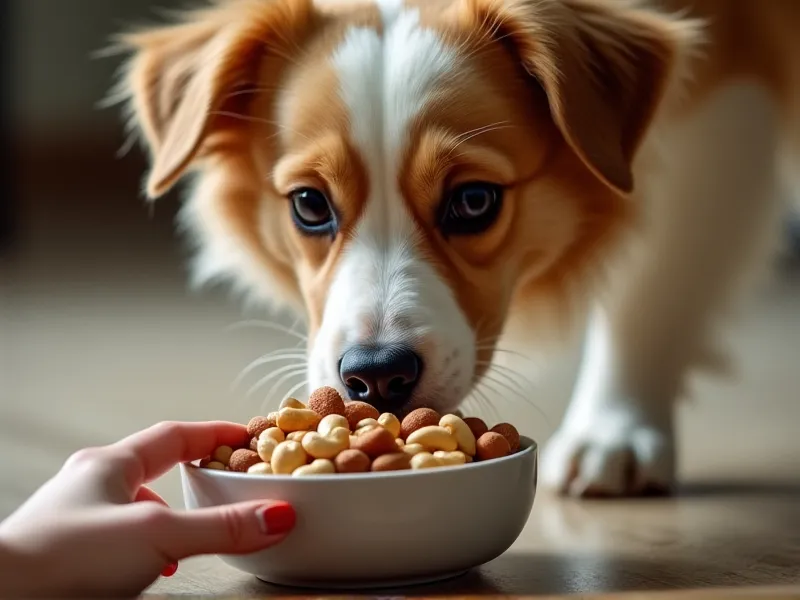
Table of Contents
- Can Dogs Eat Cashews or Almonds? The Short Answer
- Nutritional Benefits: Are Cashews/Almonds Good for Dogs?
- The Risks: Why Moderation (and Caution) Matters
- Safe Serving Guidelines: How Much is Too Much?
- Healthier Alternatives to Nuts for Dogs
- FAQ: Your Top Questions Answered
- Conclusion: Love Your Pup, Snack Smart
Can Dogs Eat Cashews or Almonds? The Short Answer
Yes, dogs can eat small amounts of plain, unsalted cashews or almonds—but they’re not “essential” and come with risks.
Cashews and almonds are not toxic to dogs, but they’re high in fat and calories, which can cause health issues if overfed. Think of them as an occasional “human food” treat, not a regular snack. Always prioritize your dog’s regular, balanced diet (like high-quality kibble or wet food) over nuts.
Nutritional Benefits: Are Cashews/Almonds Good for Dogs?
Nuts like cashews and almonds are nutrient-dense for humans, but do they offer any benefits to dogs? Let’s unpack their key nutrients and whether they matter for your pup:
Cashews: What They Offer
Cashews are rich in:
- Magnesium: Supports bone health, muscle function, and heart rhythm.
- Healthy fats: Monounsaturated fats (in small amounts) may support skin/coat health.
- Protein: A small boost, but dogs already get plenty from their regular diet.
- Fiber: Aids digestion, but too much can cause stomach upset (more on that later).
Almonds: What They Offer
Almonds are packed with:
- Vitamin E: An antioxidant that supports immune health and skin/coat.
- Calcium: Good for bones, but dogs need calcium from dog-specific sources (e.g., dairy or fortified food).
- Fiber: Like cashews, fiber can help digestion in tiny doses.
The Catch: Dogs Don’t Need Nuts
Here’s the thing: Dogs have different nutritional needs than humans. Their bodies are designed to thrive on a diet high in animal protein, moderate fat, and specific vitamins/minerals (like taurine for heart health). Cashews and almonds don’t provide any nutrients dogs can’t get from their regular food. Think of nuts as a “nice-to-have” treat, not a dietary staple.
The Risks: Why Moderation (and Caution) Matters
While small amounts of plain cashews/almonds are generally safe, there are real risks to watch for. Let’s break down the biggest concerns:
1. High Fat Content = Pancreatitis Risk
Cashews (44% fat) and almonds (54% fat) are very high in fat. Dogs’ bodies struggle to process large amounts of fat, which can trigger pancreatitis—a painful, potentially life-threatening inflammation of the pancreas. Symptoms include vomiting, diarrhea, lethargy, and loss of appetite.
Pancreatitis is more common in overweight dogs, small breeds, or those with a history of digestive issues. Even a handful of nuts could be dangerous for these pups.
2. Choking and Blockage Hazards
Almonds are hard and round, making them a serious choking risk—especially for small dogs (like Chihuahuas or Yorkies) or dogs who “wolf down” food. Cashews are softer, but whole nuts can still get stuck in your dog’s throat or digestive tract, causing blockages.
If you do share almonds, crush them into tiny pieces to reduce this risk.
3. Added Sugars, Salt, or Flavors = Big No-No
Never feed flavored nuts (roasted with salt, honey, chocolate, garlic, or onion). Salt can lead to sodium ion poisoning (symptoms: vomiting, diarrhea, seizures). Sugary nuts (like honey-roasted) add empty calories and may contribute to obesity or diabetes.
Chocolate-covered nuts are toxic (chocolate contains theobromine, which dogs can’t metabolize). Garlic/onion-seasoned nuts can damage red blood cells, leading to anemia.
4. Moldy Nuts = Aflatoxin Poisoning
Raw, unshelled nuts can grow mold, which produces aflatoxins—toxins that harm the liver. Symptoms of aflatoxin poisoning include jaundice (yellow gums/eyes), vomiting, and lethargy. Always check nuts for mold before feeding!
5. Stomach Upset (Gas, Diarrhea, or Constipation)
Nuts are high in fiber and fat, which can throw off your dog’s digestion. Even a few nuts may cause:
- Gas or bloating
- Soft stools or diarrhea
- Constipation (from excess fiber)
Safe Serving Guidelines: How Much is Too Much?
The key is portion control. Here’s a general rule based on your dog’s size:
| Dog Size | Cashews (plain, unsalted) | Almonds (plain, unsalted) |
|---|---|---|
| Small (5-20 lbs) | 1-2 cashews per week | 1 almond per week (crushed!) |
| Medium (20-50 lbs) | 2-3 cashews per week | 1-2 almonds per week (crushed) |
| Large (50+ lbs) | 3-4 cashews per week | 2-3 almonds per week (crushed) |
Pro Tips for Safe Snacking:
- Start small: Introduce 1 nut at a time and monitor for 24 hours. If your dog gets diarrhea or vomiting, skip nuts in the future.
- No “human” additives: Only plain, raw or dry-roasted (unsalted, unsweetened) nuts. No salt, sugar, spices, or coatings.
- Avoid if…: Your dog has pancreatitis, obesity, or digestive issues (ask your vet first).
- Puppies: Skip nuts. Puppies have sensitive tummies and higher choking risks.
Healthier Alternatives to Nuts for Dogs
Nuts are high-risk, low-reward for dogs. Instead, try these safer, dog-friendly snacks that are lower in fat and packed with nutrients:
1. Blueberries
- Why: Rich in antioxidants, low in calories, and dogs love their sweet taste.
- Bonus: Frozen blueberries make a refreshing summer treat!
2. Carrots
- Why: Crunchy, low-calorie, and high in beta-carotene (supports eye health). Great for teething puppies!
3. Apples (No Seeds/Core)
- Why: High in fiber and vitamin C. Remove seeds (they contain trace cyanide) and core first.
4. Pumpkin (Plain, Canned)
- Why: Soothes upset tummies, high in fiber, and low in calories. Mix a spoonful into their food or freeze as a “pup-sicle.”
5. Green Beans (Cooked or Raw)
- Why: Crunchy, low-fat, and high in vitamins A/C. A great “filler” for overweight dogs.
FAQ: Your Top Questions Answered
Q: Can puppies eat cashews or almonds?
A: It’s best to avoid nuts for puppies. Their digestive systems are still developing, and nuts pose choking and stomach upset risks. Stick to puppy-safe treats like carrots or blueberries.
Q: What if my dog ate a lot of cashews/almonds?
A: If your dog gobbled a handful (e.g., 10+ almonds or cashews), contact your vet. Symptoms of pancreatitis (vomiting, lethargy, abdominal pain) can take 24-48 hours to appear. Better safe than sorry!
Q: Are almond butter or cashew butter safe for dogs?
A: Plain, unsweetened, unsalted almond/cashew butter is safer than whole nuts (no choking risk!). But it’s still high in fat—limit to 1-2 teaspoons per week (mixed into food or frozen on a spoon). Avoid brands with xylitol (a sugar substitute toxic to dogs).
Q: Can dogs eat other nuts, like peanuts or walnuts?
A: Peanuts (plain, unsalted) are safer than almonds/cashews (lower in fat), but walnuts are a choking hazard and may contain mold. Stick to the “safer” options above!
Conclusion: Love Your Pup, Snack Smart
Cashews and almonds aren’t toxic to dogs, but they’re far from ideal. Think of them as a rare treat—like sharing a single chip with your friend, not a whole bag. When in doubt, opt for dog-friendly snacks like carrots, blueberries, or pumpkin—your pup will wag just as hard, and you’ll have peace of mind.
As always, if you’re unsure about a new food, ask your vet. They know your dog’s health history and can guide you toward the safest choices.
Here’s to happy, healthy snacking with your favorite fur baby!
References
- American Society for the Prevention of Cruelty to Animals (ASPCA). “People Foods to Avoid Feeding Your Pets.” ASPCA.org
- VCA Animal Hospitals. “Pancreatitis in Dogs.” VCAHospitals.com
- PetMD. “Can Dogs Eat Almonds?” PetMD.com
- American Kennel Club (AKC). “Can Dogs Eat Cashews?” AKC.org