· 11 min read
Can Dogs Eat Cashews? A Pet Parent’s Guide to Safe Snacking
It’s a familiar scene: You’re curled up on the couch, munching on a handful of crunchy, buttery cashews, when suddenly you feel a wet nose nuzzling your hand. Your dog, with those big, imploring eyes, is clearly begging for a taste. “Just one?” you wonder. “Can dogs even eat cashews?”
If you’ve ever found yourself in this situation, you’re not alone. As pet parents, we want to share the little joys of life with our furry friends—but we also need to keep their health and safety top of mind. Cashews are a popular snack for humans, packed with nutrients like protein and healthy fats, but are they safe for dogs?
In this guide, we’ll dive into everything you need to know about feeding cashews to your dog: the short answer to whether they’re safe, their nutritional benefits, potential risks, how much to offer (if any), healthier alternatives, and expert advice to keep your pup happy and healthy. Let’s get started!
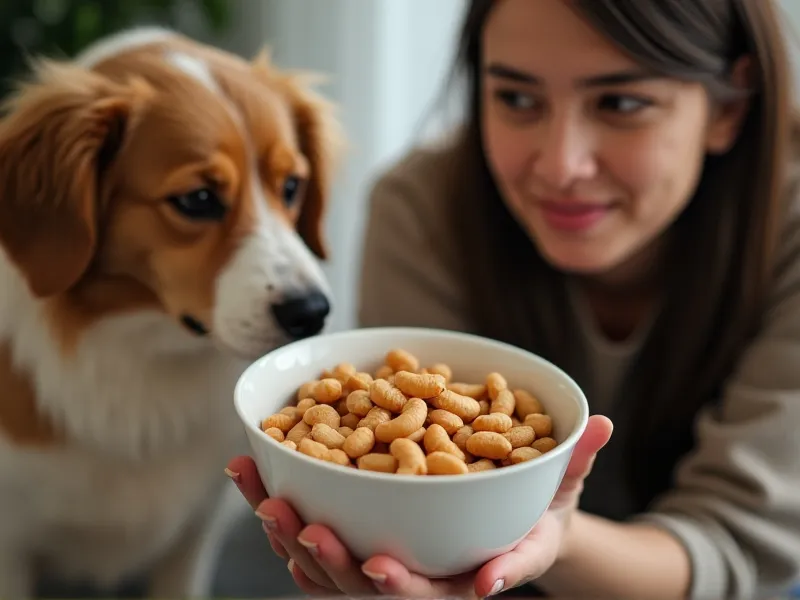
Table of Contents
- Can Dogs Eat Cashews? The Short Answer
- Nutritional Benefits of Cashews for Dogs
- Potential Risks of Feeding Cashews to Dogs
- How Much Cashew is Safe for Dogs?
- Healthier Alternatives to Cashews
- FAQ: Common Questions About Dogs and Cashews
- Conclusion: Cashews as an Occasional Treat
- References
Can Dogs Eat Cashews? The Short Answer
Yes, dogs can eat cashews—but only in moderation, and under specific conditions.
Cashews are not toxic to dogs, unlike some other nuts (we’re looking at you, macadamia nuts, which are highly toxic and can cause weakness, vomiting, and hyperthermia). However, “not toxic” doesn’t mean “unlimited.” Cashews are high in calories and fat, which can lead to health issues if overfed. They also pose choking risks, especially for small dogs.
The key here is moderation and preparation. Only offer your dog plain, unsalted, unseasoned cashews (no added sugars, salts, or flavorings like honey, chocolate, or spices). Roasted cashews are okay, but avoid those cooked in oil or butter, which add unnecessary fat. Raw cashews are also safe, though some dogs may find roasted ones more palatable.
If your dog has never had cashews before, start with a tiny piece and monitor for any adverse reactions (like stomach upset) before offering more. And as always, check with your vet first—especially if your dog has underlying health issues (e.g., obesity, pancreatitis, or diabetes).
Nutritional Benefits of Cashews for Dogs
Cashews aren’t just a tasty snack for humans—they offer some nutritional perks for dogs, too. Let’s break down their key nutrients:
1. Healthy Fats
Cashews are rich in monounsaturated fats, which support heart health by helping to lower bad cholesterol (LDL) and reduce inflammation. These fats also aid in nutrient absorption and keep your dog’s coat shiny and skin healthy.
2. Vitamins and Minerals
- Magnesium: Cashews are a great source of magnesium, which is essential for muscle and nerve function, bone health, and energy production.
- Potassium: Important for heart rhythm, muscle contraction, and maintaining healthy blood pressure.
- Vitamin E: An antioxidant that protects cells from damage and supports immune health.
- B Vitamins (Thiamine, Niacin): Help convert food into energy and support brain and nervous system function.
3. Fiber
Cashews contain a small amount of dietary fiber, which aids digestion and helps keep your dog’s gut healthy.
4. Protein
While not a primary protein source, cashews do offer a small amount of plant-based protein, which can complement your dog’s regular diet (though dogs are primarily carnivores, so protein should come mostly from animal sources).
But here’s the catch: These benefits only apply when cashews are fed in small quantities. A handful of cashews isn’t a “superfood” for your dog—it’s a high-calorie indulgence.
Potential Risks of Feeding Cashews to Dogs
While cashews have benefits, the risks often outweigh the rewards if not fed carefully. Let’s unpack the main concerns:
1. High Calorie and Fat Content
Cashews are calorie-dense: A single ounce (about 18 cashews) contains roughly 160 calories and 14 grams of fat. For context, a 20-pound dog needs only about 400–600 calories per day (depending on activity level). Feeding even 5–6 cashews could account for 10% of their daily calories—leaving little room for their balanced, nutrient-rich dog food.
Over time, excess calories from cashews can lead to obesity, which increases the risk of diabetes, joint pain, and heart disease. Additionally, high-fat foods can trigger pancreatitis in dogs—a painful, potentially life-threatening condition where the pancreas becomes inflamed. Symptoms include vomiting, diarrhea, lethargy, and loss of appetite.
2. Choking Hazard
Cashews are small and hard, making them a choking risk, especially for small breeds (e.g., Chihuahuas, Yorkies) or dogs who gulp their food without chewing. To reduce this risk, you can crush the cashew into smaller pieces or offer only a tiny sliver at a time.
3. Added Sugars, Salts, or Seasonings
Most store-bought cashews are seasoned with salt, sugar, honey, or spices (like cinnamon or chili powder). Salt is toxic to dogs in large amounts—it can cause sodium ion poisoning, leading to vomiting, diarrhea, tremors, or even seizures. Sugar contributes to obesity and dental decay, and spices may irritate your dog’s stomach.
Always choose unsalted, unflavored cashews—check the label to ensure no additives are present.
4. Allergies (Rare but Possible)
While rare, some dogs may be allergic to tree nuts like cashews. Signs of an allergic reaction include itching, hives, swelling (especially around the face), sneezing, or difficulty breathing. If you notice any of these, stop feeding cashews immediately and contact your vet.
How Much Cashew is Safe for Dogs?
The golden rule for feeding dogs human food is: Treats should make up no more than 10% of your dog’s daily calorie intake. This ensures their main diet (high-quality dog food) provides all the nutrients they need.
So, how many cashews is that? It depends on your dog’s size:
| Dog Size | Weight (lbs) | Daily Calorie Needs* | Max Cashews per Day (unsalted, plain) |
|---|---|---|---|
| Small | 5–20 | 200–600 | 1–2 cashews (8–20 calories) |
| Medium | 21–50 | 600–1,000 | 3–4 cashews (24–40 calories) |
| Large | 51–90 | 1,000–1,600 | 5–6 cashews (40–60 calories) |
| Extra-Large | 90+ | 1,600+ | 6–8 cashews (48–80 calories) |
Calorie needs vary based on age, activity level, and health. Ask your vet for your dog’s exact requirements.
Pro Tip: Cashews should be an occasional treat, not a daily snack. Think of them as a special reward (e.g., after a walk or training session), not a routine addition to meals.
Healthier Alternatives to Cashews
If you’re looking for lower-calorie, nutrient-dense treats that pose fewer risks than cashews, try these dog-friendly options:
1. Blueberries
- Why: Packed with antioxidants (like resveratrol), fiber, and vitamins A and C. Low in calories (only 84 calories per cup!) and great for brain health.
- How to serve: Fresh or frozen (a cooling summer treat!).
2. Carrots
- Why: Crunchy, low-calorie (25 calories per medium carrot), and high in beta-carotene (which converts to vitamin A for eye health). They also help clean teeth!
- How to serve: Raw (sliced into bite-sized pieces for small dogs) or cooked (steamed or boiled, no salt).
3. Apples (without seeds/core)
- Why: Rich in fiber (supports digestion) and vitamin C. The crunch helps with dental health.
- How to serve: Sliced, deseeded, and cored. Avoid the seeds—they contain small amounts of cyanide, which is toxic in large doses.
4. Green Beans
- Why: Low in calories (31 calories per cup) and high in fiber and vitamins K and C. Great for dogs on weight-loss diets.
- How to serve: Steamed, boiled, or raw (cut into small pieces to avoid choking).
5. Cucumber
- Why: 96% water, so it’s hydrating and low-calorie (16 calories per cup). Perfect for hot days!
- How to serve: Sliced, with the skin on (it’s where the fiber is!). Avoid the seeds if your dog has a sensitive stomach.
These alternatives are safer, more nutrient-dense, and less likely to cause weight gain or stomach issues than cashews.
FAQ: Common Questions About Dogs and Cashews
Q: Can puppies eat cashews?
A: Puppies have sensitive digestive systems, so it’s best to avoid cashews (or offer only a tiny piece) until they’re at least 6 months old. Their tummies may not handle the fat well, leading to diarrhea or vomiting. Stick to puppy-safe treats recommended by your vet.
Q: What if my dog ate a whole bag of cashews?
A: A large amount of cashews can cause pancreatitis (inflammation of the pancreas) due to their high fat content. Symptoms include vomiting, diarrhea, lethargy, and loss of appetite. Contact your vet immediately—they may recommend monitoring, inducing vomiting (if caught early), or supportive care.
Q: Are salted cashews safe for dogs?
A: No. Salted cashews contain high levels of sodium, which can lead to sodium ion poisoning in dogs. Symptoms include excessive thirst, urination, vomiting, diarrhea, tremors, or seizures. Always choose unsalted, unseasoned cashews.
Q: Is cashew butter safe for dogs?
A: Plain cashew butter (no added salt, sugar, or xylitol—a sugar substitute toxic to dogs) is safe in small amounts. Spread a tiny bit on a Kong or a piece of carrot for a tasty treat. Avoid flavored cashew butter (e.g., chocolate or honey).
Q: Can dogs with pancreatitis eat cashews?
A: No. Dogs with a history of pancreatitis should avoid high-fat foods like cashews, as they can trigger a flare-up. Check with your vet for low-fat treat options instead.
Conclusion: Cashews as an Occasional Treat
Cashews can be a safe, tasty occasional treat for dogs—when fed correctly. They offer some nutrients like magnesium and healthy fats, but their high calorie and fat content mean they should never replace your dog’s balanced diet.
To keep your pup safe:
✅ Choose plain, unsalted, unseasoned cashews.
✅ Feed in tiny portions (1–2 for small dogs, 5–6 for large dogs max per day).
✅ Avoid if your dog has obesity, pancreatitis, or diabetes.
✅ Monitor for choking or allergic reactions.
When in doubt, consult your vet. They know your dog’s unique health needs and can help you decide if cashews (or any human food) are a good fit.
At the end of the day, the best treat for your dog is your love and attention—but a tiny cashew now and then? We won’t tell if you share (just this once).
References
- American Kennel Club (AKC). “Can Dogs Eat Cashews?” akc.org/expert-advice/nutrition/can-dogs-eat-cashews
- ASPCA. “Toxic and Non-Toxic Plants: Cashew.” aspca.org/pet-care/animal-poison-control/toxic-and-non-toxic-plants/cashew
- PetMD. “Human Foods Dogs Can and Can’t Eat.” petmd.com/dog/nutrition/human-foods-dogs-can-and-cant-eat
- Cummings School of Veterinary Medicine at Tufts University. “Pancreatitis in Dogs.” tuftscvm.com/for-pet-owners/dog-owners/pancreatitis-in-dogs<|FCResponseEnd|># Can Dogs Eat Cashews? A Pet Parent’s Guide to Safe Snacking
It’s a familiar scene: You’re curled up on the couch, munching on a handful of crunchy, buttery cashews, when suddenly you feel a wet nose nuzzling your hand. Your dog, with those big, imploring eyes, is clearly begging for a taste. “Just one?” you wonder. “Can dogs even eat cashews?”
If you’ve ever found yourself in this situation, you’re not alone. As pet parents, we want to share the little joys of life with our furry friends—but we also need to keep their health and safety top of mind. Cashews are a popular snack for humans, packed with nutrients like protein and healthy fats, but are they safe for dogs?
In this guide, we’ll dive into everything you need to know about feeding cashews to your dog: the short answer to whether they’re safe, their nutritional benefits, potential risks, how much to offer (if any), healthier alternatives, and expert advice to keep your pup happy and healthy. Let’s get started!
Table of Contents
- Can Dogs Eat Cashews? The Short Answer
- Nutritional Benefits of Cashews for Dogs
- Potential Risks of Feeding Cashews to Dogs
- How Much Cashew is Safe for Dogs?
- Healthier Alternatives to Cashews
- FAQ: Common Questions About Dogs and Cashews
- Conclusion: Cashews as an Occasional Treat
- References
Can Dogs Eat Cashews? The Short Answer
Yes, dogs can eat cashews—but only in moderation, and under specific conditions.
Cashews are not toxic to dogs, unlike some other nuts (we’re looking at you, macadamia nuts, which are highly toxic and can cause weakness, vomiting, and hyperthermia). However, “not toxic” doesn’t mean “unlimited.” Cashews are high in calories and fat, which can lead to health issues if overfed. They also pose choking risks, especially for small dogs.
The key here is moderation and preparation. Only offer your dog plain, unsalted, unseasoned cashews (no added sugars, salts, or flavorings like honey, chocolate, or spices). Roasted cashews are okay, but avoid those cooked in oil or butter, which add unnecessary fat. Raw cashews are also safe, though some dogs may find roasted ones more palatable.
If your dog has never had cashews before, start with a tiny piece and monitor for any adverse reactions (like stomach upset) before offering more. And as always, check with your vet first—especially if your dog has underlying health issues (e.g., obesity, pancreatitis, or diabetes).
Nutritional Benefits of Cashews for Dogs
Cashews aren’t just a tasty snack for humans—they offer some nutritional perks for dogs, too. Let’s break down their key nutrients:
1. Healthy Fats
Cashews are rich in monounsaturated fats, which support heart health by helping to lower bad cholesterol (LDL) and reduce inflammation. These fats also aid in nutrient absorption and keep your dog’s coat shiny and skin healthy.
2. Vitamins and Minerals
- Magnesium: Cashews are a great source of magnesium, which is essential for muscle and nerve function, bone health, and energy production.
- Potassium: Important for heart rhythm, muscle contraction, and maintaining healthy blood pressure.
- Vitamin E: An antioxidant that protects cells from damage and supports immune health.
- B Vitamins (Thiamine, Niacin): Help convert food into energy and support brain and nervous system function.
3. Fiber
Cashews contain a small amount of dietary fiber, which aids digestion and helps keep your dog’s gut healthy.
4. Protein
While not a primary protein source, cashews do offer a small amount of plant-based protein, which can complement your dog’s regular diet (though dogs are primarily carnivores, so protein should come mostly from animal sources