· 9 min read
Can Dogs Eat Cashew Nuts? A Pet Parent’s Guide to Safe Snacking
It’s a cozy evening, and you’re munching on a handful of buttery, roasted cashews while scrolling through your phone. Beside you, your dog sits, tail thumping gently, their big eyes locked on your snack. “Just one tiny cashew can’t hurt, right?” you wonder. If you’ve ever found yourself in this scenario, you’re not alone. Cashews are a popular human snack, but when it comes to our furry friends, the question lingers: Can dogs eat cashew nuts safely?
In this guide, we’ll break down everything you need to know—from whether cashews are toxic to the potential benefits, hidden risks, and how much (if any) you should share with your pup. Let’s dive in!
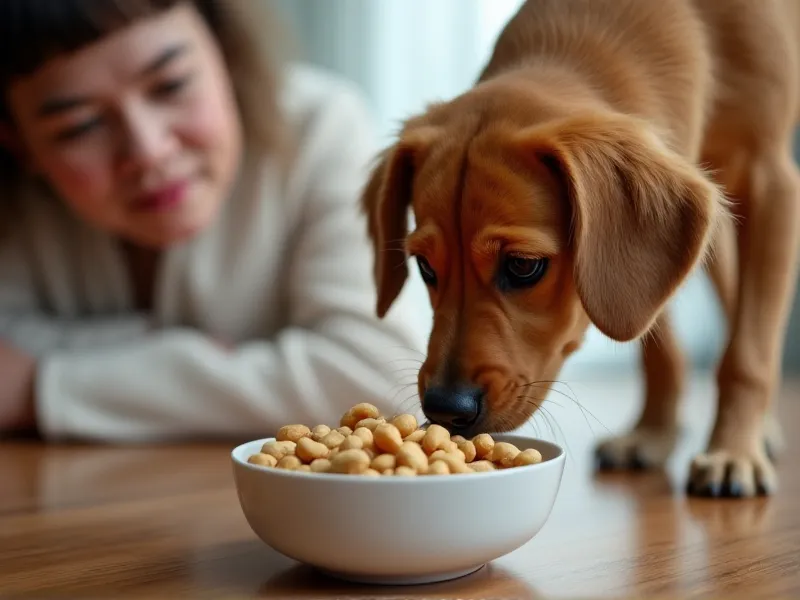
Table of Contents
- Can Dogs Eat Cashew Nuts? The Short Answer
- The Potential Benefits of Cashews for Dogs
- Nutrients in Cashews: What Do They Offer?
- The Risks: Why Cashews Aren’t a “Free-for-All” Snack
- High Fat Content: A Recipe for Pancreatitis?
- Added Sugars, Salt, and Flavors: Hidden Dangers
- Choking Hazards and Digestive Upset
- Moldy Cashews: A Toxic Threat
- How Much Cashew Can Dogs Eat? Safe Portion Guidelines
- Healthier Alternatives to Cashews for Dogs
- FAQ: Your Cashew Questions Answered
- Conclusion: Cashews as an Occasional Treat
- References
Can Dogs Eat Cashew Nuts? The Short Answer
Let’s cut to the chase: Yes, dogs can eat cashew nuts—in strict moderation. Unlike some nuts (like macadamia nuts, which are toxic to dogs), cashews are not poisonous. However, they’re far from a “superfood” for pups, and they come with significant risks if overfed. Think of them as a rare, occasional treat—not a regular snack.
Cashews are high in fat and calories, which can lead to weight gain, pancreatitis, or digestive upset if your dog eats too many. They also pose choking hazards, especially for small breeds. So while sharing a tiny amount won’t harm most healthy dogs, it’s crucial to understand the fine line between a safe treat and a dangerous indulgence.
The Potential Benefits of Cashews for Dogs
Before we dive into the risks, let’s explore why cashews might seem appealing as a dog treat. In small doses, they do offer a few nutrients that could complement your pup’s diet:
1. Protein for Muscle Health
Cashews contain about 18 grams of protein per cup (raw, unsalted). Protein is essential for dogs, supporting muscle repair, immune function, and healthy skin and coat. However, your dog’s primary source of protein should come from their balanced dog food—not cashews, which are a minor contributor.
2. Healthy Fats (in Moderation)
Cashews are rich in monounsaturated fats, which are considered “heart-healthy” for humans. For dogs, these fats can support skin health and a shiny coat. They also contain small amounts of omega-6 fatty acids, which play a role in reducing inflammation. But again, dogs need these fats in controlled amounts—too much leads to weight gain.
3. Fiber for Digestive Health
A cup of cashews has around 3.3 grams of dietary fiber. Fiber helps regulate digestion, keeping your dog’s gut moving smoothly. However, most high-quality dog foods already contain adequate fiber, so cashews aren’t a necessary source.
4. Key Minerals: Potassium and Magnesium
Cashews are a good source of potassium (about 660 mg per cup), which supports heart function and muscle contractions. They also provide magnesium (292 mg per cup), important for bone health and energy production. While these minerals are beneficial, dogs get most of what they need from their regular diet.
The Risks: Why Cashews Aren’t a “Free-for-All” Snack
While cashews offer a few nutrients, their risks often outweigh the benefits—especially when overfed. Here’s what to watch out for:
1. High Fat Content: A Pancreatitis Risk
Cashews are very high in fat—about 46 grams of fat per cup (raw). For dogs, excess fat intake can trigger pancreatitis, a painful and potentially life-threatening condition where the pancreas becomes inflamed. Symptoms include vomiting, diarrhea, lethargy, and loss of appetite. Even a small handful of cashews could push a dog over their daily fat limit, especially if they’re prone to pancreatitis or obesity.
2. Empty Calories and Obesity
Cashews are calorie-dense: 1 cup has roughly 750 calories. For context, a 30-pound dog needs only about 700–900 calories per day (depending on activity level). Feeding just ¼ cup of cashews could add 187 calories—over 20% of their daily intake! Regularly giving cashews can lead to weight gain, which increases the risk of diabetes, joint pain, and heart disease.
3. Added Sugars, Salt, and Flavors
Most store-bought cashews are not plain—they’re roasted, salted, honey-glazed, or coated in spices. Salted cashews are a big no-no: excess sodium can cause dehydration, electrolyte imbalances, or even sodium ion poisoning (symptoms include vomiting, diarrhea, tremors, and seizures).
Sweetened cashews (like honey-roasted) are equally problematic. Dogs don’t need added sugar, and it can lead to obesity, dental issues, or even diabetes over time. Spiced cashews (e.g., chili-lime, garlic) may contain ingredients like garlic or onion, which are toxic to dogs in large amounts.
4. Choking Hazard, Especially for Small Dogs
Whole cashews are hard and round, making them a choking risk—especially for small breeds (think Chihuahuas, Yorkies) or dogs who gulp their food. Even larger dogs can struggle if they don’t chew properly. If you do give cashews, chop them into tiny pieces first to reduce this risk.
5. Moldy Cashews: A Hidden Toxin
Cashews (like all nuts) can grow mold if stored improperly. Mold produces mycotoxins, which are toxic to dogs and can cause vomiting, diarrhea, seizures, or liver damage. Always check cashews for signs of mold (a white/green fuzz or musty smell) before sharing. When in doubt, throw them out!
How Much Cashew Can Dogs Eat? Safe Portion Guidelines
If you decide to share cashews with your dog, moderation is non-negotiable. The key is to treat them as a rare “special occasion” snack—not a daily habit. Here’s a general guide based on your dog’s size:
| Dog Size | Max Cashews per Serving | Frequency |
|---|---|---|
| Toy (≤10 lbs) | 1–2 chopped cashews | Once every 1–2 weeks |
| Small (10–30 lbs) | 3–4 chopped cashews | Once every 1–2 weeks |
| Medium (30–60 lbs) | 5–6 chopped cashews | Once a week |
| Large (60–100 lbs) | 7–8 chopped cashews | Once a week |
| Giant (>100 lbs) | 8–10 chopped cashews | Once a week |
Important notes:
- Always use raw, unsalted, unflavored cashews. Avoid roasted, salted, or sweetened varieties.
- Chop cashews into small pieces to prevent choking.
- Cashews should make up no more than 10% of your dog’s daily calorie intake. (Most dogs fall into the 1–2 treats per week range.)
- If your dog has health issues (e.g., pancreatitis, obesity, diabetes), skip cashews entirely and consult your vet for safe treat options.
Healthier Alternatives to Cashews for Dogs
If you’re looking for a safer, more nutritious treat, skip the cashews and opt for these dog-friendly snacks instead. They’re lower in fat, calories, and risk—plus, most dogs love them!
1. Blueberries
These tiny fruits are packed with antioxidants, fiber, and vitamins (like vitamin C). They’re low in calories (about 84 calories per cup) and make a refreshing, bite-sized treat. Freeze them for a cool summer snack!
2. Carrot Sticks
Crunchy, low-calorie, and full of beta-carotene (which supports eye health), carrots are a favorite for dogs. They’re also great for dental health—chewing on carrots helps scrape plaque off teeth.
3. Apple Slices (No Seeds!)
Apples are rich in fiber and vitamin A. Just be sure to remove the seeds (they contain trace amounts of cyanide, which is toxic in large doses) and core. Slice them thin for a sweet, crunchy treat.
4. Green Beans (Cooked or Raw)
Green beans are low in calories (about 31 calories per cup) and high in fiber, making them ideal for weight-conscious dogs. They’re also a good source of vitamins K and C.
5. Pumpkin Puree (Unsweetened)
Plain, canned pumpkin (not pie filling!) is a digestive superfood for dogs. It’s high in fiber and can help soothe an upset stomach. Serve a tablespoon or two as a treat or mix into their food.
FAQ: Your Cashew Questions Answered
Q: Can puppies eat cashews?
A: Puppies have sensitive digestive systems, so it’s best to avoid cashews. Their bodies are still developing, and the high fat content could cause stomach upset (vomiting, diarrhea). Stick to puppy-safe treats like plain yogurt (unsweetened) or small pieces of cooked chicken instead.
Q: My dog ate a whole bag of cashews! What should I do?
A: Don’t panic, but monitor them closely. Symptoms of overindulgence include vomiting, diarrhea, lethargy, or loss of appetite. If your dog shows any of these, contact your vet immediately—they may need treatment for pancreatitis or dehydration. Even if they seem fine, it’s a good idea to call your vet for guidance, especially if the cashews were salted or flavored.
Q: Are roasted cashews safer than raw ones?
A: No—roasted cashews often contain added oil, salt, or seasonings, which are worse for dogs than raw. Raw, unsalted cashews are the only (slightly) safer option, but they’re still high in fat.
Q: Can dogs be allergic to cashews?
A: Cashew allergies are rare in dogs, but they’re possible. Signs of an allergic reaction include itching, swelling (especially around the face), hives, or difficulty breathing. If you notice these, stop giving cashews and contact your vet right away.
Q: My dog has pancreatitis. Can they have cashews?
A: No. Dogs with pancreatitis (or a history of it) should avoid high-fat foods like cashews entirely. Even a small amount could trigger a flare-up. Ask your vet for low-fat treat recommendations.
Conclusion: Cashews as an Occasional Treat
So, can dogs eat cashew nuts? Yes—but only as an occasional, carefully portioned treat. While they’re not toxic, their high fat, calorie content, and choking risk make them a less-than-ideal snack for most dogs.
If you do share cashews, opt for raw, unsalted, chopped varieties, and stick to the portion guidelines based on your dog’s size. And remember: your pup’s regular, balanced dog food should always be their main source of nutrition.
When in doubt, consult your vet—especially if your dog has health issues like obesity, pancreatitis, or diabetes. They can help you choose treats that are safe and tailored to your dog’s needs.
At the end of the day, the best treat for your dog is your love and attention. But if you do want to spoil them, skip the cashews and reach for a carrot stick or blueberry instead—your pup will thank you!
References
- American Kennel Club (AKC). “Can Dogs Eat Nuts? Which Are Safe, Which Are Toxic.” akc.org/expert-advice/nutrition/can-dogs-eat-nuts
- ASPCA Animal Poison Control Center. “Toxic and Non-Toxic Plants: Nuts.” aspca.org/pet-care/animal-poison-control/toxic-and-non-toxic-plants/nuts
- PetMD. “Can Dogs Eat Cashews? What You Need to Know.” petmd.com/dog/nutrition/can-dogs-eat-cashews
- VCA Hospitals. “Pancreatitis in Dogs.” vcahospitals.com/know-your-pet/pancreatitis-in-dogs