· 8 min read
Can Dogs Eat Cashews? A Pet Parent’s Guide to Safe Snacking
It’s a quiet evening, and you’re snacking on a handful of creamy cashews. Out of the corner of your eye, you notice those big, soulful puppy eyes staring up at you—tail wagging, nose twitching, as if to say, “Can I have a taste?” As a pet parent, sharing small joys with your furry friend is part of the bond, but it’s natural to pause: Are cashews safe for dogs?
Nuts can be tricky territory for pups. Some, like almonds or macadamias, are toxic or dangerous, while others are considered “safe in moderation.” Cashews fall into the latter category, but that doesn’t mean they’re a free-for-all. In this guide, we’ll break down everything you need to know about dogs and cashews: whether they’re safe, their potential benefits and risks, how much to feed (if any), and healthier alternatives to keep your pup happy and healthy.
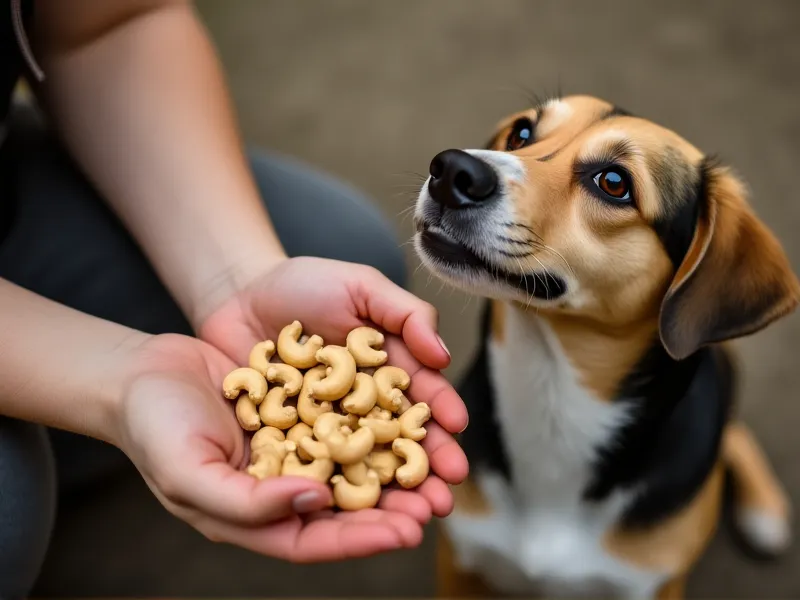
Table of Contents
- Can Dogs Eat Cashews? The Short Answer
- Nutritional Benefits of Cashews for Dogs
- Potential Risks of Cashews for Dogs
- How Much Cashew Can Dogs Eat? Safe Serving Sizes
- Healthier Alternatives to Cashews
- FAQ About Dogs and Cashews
- Conclusion
- References
Can Dogs Eat Cashews? The Short Answer
Yes, dogs can eat cashews—but only in strict moderation. These kidney-shaped nuts aren’t toxic to dogs, and plain, unsalted cashews won’t harm your pup in small amounts. However, they’re far from an ideal treat. Cashews are high in fat and calories, which can lead to health issues if overfed. Think of them as an occasional “special snack” rather than a daily staple.
Nutritional Benefits of Cashews for Dogs
At first glance, cashews might seem like a nutrient-dense snack—and they are, for humans. But do those benefits translate to dogs? Let’s break down their key nutrients and how they could (mildly) support your pup’s health:
1. Healthy Fats (in Small Doses)
Cashews contain monounsaturated fats, which are “heart-healthy” for humans. For dogs, small amounts of these fats can support skin and coat health, as fats help maintain the integrity of skin cells and keep fur shiny. However, this is a double-edged sword: too much fat can quickly lead to weight gain or worse (more on that later).
2. Fiber for Digestion
Cashews have a small amount of dietary fiber (about 0.9 grams per ounce). Fiber helps regulate digestion by promoting regular bowel movements and supporting gut bacteria. For dogs with occasional constipation, a tiny amount of fiber from a cashew (or two) might help—but there are better, lower-fat sources of fiber for pups (like pumpkin or green beans).
3. Potassium for Heart and Muscle Health
Potassium is an essential mineral for dogs, as it supports heart function, muscle contraction, and nerve signaling. Cashews contain about 187 mg of potassium per ounce, which is more than bananas (a common “potassium-rich” food for dogs). While this is a plus, most high-quality dog foods already contain adequate potassium, so cashews aren’t necessary to meet your pup’s needs.
4. Vitamins and Minerals
Cashews also offer small amounts of:
- Vitamin E: An antioxidant that protects cells from damage.
- B Vitamins (B6, Thiamine): Support energy metabolism and brain health.
- Magnesium: Aids in bone health and muscle function.
- Zinc: Boosts immune function and skin health.
Again, these nutrients are present in trace amounts—your dog will get far more from their balanced kibble or wet food than from a cashew or two.
Potential Risks of Cashews for Dogs
The benefits of cashews are minor compared to their risks, which is why they’re not recommended as a regular treat. Here’s what to watch out for:
1. High Fat = Obesity and Pancreatitis Risk
This is the biggest concern. Cashews are calorie-dense: one ounce (about 18 cashews) contains 155 calories and 12 grams of fat. For context, a 30-pound dog needs only about 600-800 calories per day. Just 3-4 cashews would make up 10% of their daily calories—and treats should never exceed 10% of a dog’s daily intake (per the American Veterinary Medical Association).
Excess fat can lead to:
- Obesity: Over time, extra calories from treats like cashews can cause weight gain, which increases the risk of diabetes, joint pain, and heart disease.
- Pancreatitis: Dogs’ pancreases are sensitive to high-fat diets. Pancreatitis (inflammation of the pancreas) is a painful, potentially life-threatening condition that can be triggered by a sudden influx of fat. Symptoms include vomiting, diarrhea, lethargy, and loss of appetite.
2. Added Sugar, Salt, or Flavors
Plain, raw, or dry-roasted cashews are the only “safe” option for dogs. Avoid flavored cashews at all costs:
- Salted cashews: Excess sodium can lead to dehydration, high blood pressure, or sodium ion poisoning (symptoms: vomiting, diarrhea, seizures).
- Honey-roasted, chocolate-covered, or sugar-coated cashews: Added sugars can cause tooth decay, obesity, or even diabetes in dogs. Chocolate is toxic to dogs, so chocolate-covered cashews are a double no-no.
- Spiced cashews (e.g., chili-lime): Spices like garlic or onion powder (common in flavored nuts) are toxic to dogs and can damage red blood cells.
3. Choking Hazard
Cashews are small and round, which makes them a choking risk—especially for small dogs (like Chihuahuas or Yorkies) or dogs who gulp treats without chewing. Even medium dogs might struggle if they try to swallow a whole cashew. To reduce risk, break cashews into tiny pieces before offering them to small breeds.
4. Moldy Cashews = Aflatoxin Poisoning
Cashews (like peanuts and almonds) can grow mold if stored improperly, which produces a toxin called aflatoxin. Aflatoxins are highly toxic to dogs and can cause liver damage, vomiting, jaundice, or even death. Always check cashews for mold (look for discoloration, a musty smell, or soft spots) before giving them to your dog. When in doubt, throw them out!
How Much Cashew Can Dogs Eat? Safe Serving Sizes
If you decide to share a cashew with your pup, size matters. A Great Dane can handle more than a Shih Tzu, but even large dogs should only have a few. Here’s a general guideline:
| Dog Size | Weight Range | Safe Serving Size (Plain, Unsalted Cashews) |
|---|---|---|
| Small | 5–20 lbs | 1–2 cashews per week |
| Medium | 20–50 lbs | 2–3 cashews per week |
| Large | 50–90 lbs | 3–4 cashews per week |
| Giant | 90+ lbs | 4–5 cashews per week |
Key rules:
- Never feed cashews daily—stick to once or twice a week, max.
- Always opt for plain, unsalted, and unflavored cashews.
- Avoid if your dog has a history of pancreatitis, obesity, or digestive issues.
Healthier Alternatives to Cashews
If you want to treat your dog, there are far better options than cashews—lower in fat, higher in nutrients, and safer for regular snacking. Here are our top picks:
1. Carrots
Crunchy, low-calorie, and packed with beta-carotene (which converts to vitamin A for eye health). Carrots are great for dental health, too—chewing them helps scrape plaque off teeth.
2. Green Beans
Fresh or steamed green beans are high in fiber and vitamins (A, C, K) and low in calories. They’re a perfect “filler” for overweight dogs or as a crunchy snack.
3. Blueberries
These tiny berries are loaded with antioxidants, which support immune health. They’re low in sugar and calories, making them ideal for diabetic dogs (in moderation).
4. Plain Pumpkin (Canned, No Sugar)
Pumpkin is a fiber powerhouse—great for dogs with diarrhea or constipation. It’s also low in calories and rich in beta-carotene.
5. Apple Slices (No Seeds!)
Apples are a good source of fiber and vitamin C. Just remove the seeds (they contain trace amounts of cyanide, which is toxic in large quantities) and core before serving.
FAQ About Dogs and Cashews
Q: Can puppies eat cashews?
A: Puppies have sensitive digestive systems and are still growing, so it’s best to avoid cashews. Their calories should come from a balanced puppy food, and high-fat treats like cashews could cause stomach upset or set them up for obesity later.
Q: My dog ate a whole bag of cashews! What should I do?
A: A large amount of cashews can lead to pancreatitis, vomiting, or diarrhea. Contact your vet immediately—they may recommend inducing vomiting (if caught within 2 hours) or monitoring for symptoms like lethargy or loss of appetite.
Q: Are cashew butter or cashew milk safe for dogs?
A: Plain, unsalted cashew butter (no added sugar or xylitol) is safer than whole cashews (no choking risk) but still high in fat. Offer a tiny amount (e.g., ¼ teaspoon for small dogs) as an occasional treat. Cashew milk (unsweetened, unflavored) is low in fat but not nutritionally necessary for dogs—stick to water!
Q: Are cashews better than peanuts for dogs?
A: Neither is ideal. Peanuts are also high in fat and can contain aflatoxins, while cashews are slightly higher in calories. Both should be occasional treats, but plain, unsalted peanuts (or peanut butter, no xylitol) are more widely recommended because they’re cheaper and have a longer shelf life.
Q: Can dogs with allergies eat cashews?
A: Dogs can be allergic to nuts, though it’s rare. Symptoms of an allergic reaction include itching, hives, swelling, or difficulty breathing. If your dog has food allergies, skip cashews and stick to vet-approved treats.
Conclusion
Cashews aren’t toxic to dogs, but they’re far from a “superfood” for your pup. While they offer small amounts of fiber, potassium, and vitamins, their high fat and calorie content make them a risky choice for regular treats. If you do share a cashew, opt for plain, unsalted, mold-free nuts, keep portions tiny, and never make them a daily habit.
When in doubt, prioritize safer, lower-fat alternatives like carrots, blueberries, or pumpkin—your dog will love them just as much (if not more!), and you’ll have peace of mind knowing you’re supporting their health. And as always, if you’re unsure about a new treat, check with your vet first—they know your dog’s unique needs best.
Here’s to happy, healthy snacking with your four-legged friend!
References
- American Society for the Prevention of Cruelty to Animals (ASPCA). “People Foods to Avoid Feeding Your Pets.” aspca.org
- VCA Animal Hospitals. “Pancreatitis in Dogs.” vcahospitals.com
- Pet Poison Helpline. “Nuts.” petpoisonhelpline.com
- American Kennel Club (AKC). “Can Dogs Eat Nuts? Which Nuts Are Safe for Dogs?” akc.org
- Cummings School of Veterinary Medicine at Tufts University. “Aflatoxin Poisoning in Dogs.” tuftsmedicine.org