· 8 min read
Can Dogs Eat Carrots Raw or Cooked? A Pet Parent’s Guide to Safe Snacking
It’s a lazy Sunday morning, and you’re prepping a salad—crunchy, vibrant carrots in hand. Suddenly, your dog appears at your feet, tail thumping, nose twitching, those big eyes locked on your snack. “Can I have a bite?” that hopeful gaze seems to scream. If you’ve ever paused, carrot mid-air, wondering if sharing is safe, you’re not alone. Carrots are a staple in human diets—low-calorie, nutrient-packed, and refreshing. But are they a good fit for our furry friends? Can dogs eat carrots raw or cooked? And are there hidden risks to watch for?
In this guide, we’ll break down everything you need to know about feeding carrots to your dog, from their nutritional benefits to potential pitfalls, portion guidelines, and even healthier alternatives. Let’s dig in!
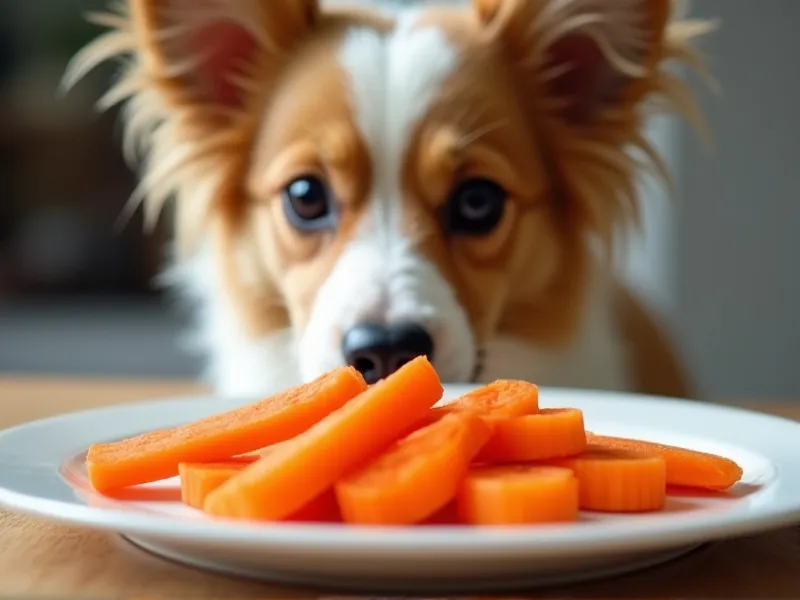
Table of Contents
- Can Dogs Eat Carrots Raw or Cooked? The Short Answer
- The Benefits of Carrots for Dogs: Nutrients That Nourish
- The Risks of Feeding Carrots to Dogs: What to Watch For
- How Much Carrot Can Dogs Eat? Guidelines by Size
- Healthier Alternatives to Carrots for Dogs
- Frequently Asked Questions About Dogs and Carrots
- Conclusion: Carrots as a Treat, Not a Meal
- References
Can Dogs Eat Carrots Raw or Cooked? The Short Answer
Yes! Dogs can safely enjoy both raw and cooked carrots—as long as they’re prepared properly and fed in moderation. Carrots are non-toxic, low in calories, and packed with vitamins and minerals, making them a far better choice than many commercial treats (looking at you, sugary biscuits!).
But there are nuances:
- Raw carrots are crunchy and great for dental health (they act like a natural toothbrush!), but they pose a choking risk for small dogs or aggressive chewers.
- Cooked carrots are softer, easier to digest (especially for puppies, seniors, or dogs with sensitive stomachs), and may be more palatable for picky eaters.
The key? Balance. Carrots should never replace your dog’s balanced, species-appropriate diet—but they can be a healthy, occasional snack.
The Benefits of Carrots for Dogs: Nutrients That Nourish
Carrots aren’t just a “rabbit food” stereotype—they’re a nutritional powerhouse for dogs, too. Let’s break down why they’re worth adding to your pup’s treat rotation.
Vitamin A: Supporting Vision and Immune Health
Carrots are famous for their high vitamin A content, and for good reason. Vitamin A is critical for:
- Eye health: It supports night vision and helps prevent age-related eye issues like cataracts.
- Skin and coat: Vitamin A keeps skin moisturized and coats shiny by maintaining healthy oil glands.
- Immune function: It boosts the production of white blood cells, helping your dog fight off infections.
Unlike humans, dogs can convert beta-carotene (the orange pigment in carrots) into vitamin A, so they absorb this nutrient efficiently. Just don’t overdo it—excess vitamin A can be toxic, but you’d need to feed a lot of carrots to reach dangerous levels (more on portion control later!).
Fiber: Aiding Digestion and Weight Management
Carrots are rich in dietary fiber, which is a boon for your dog’s gut:
- Digestive regularity: Fiber adds bulk to stool, preventing constipation, and feeds beneficial gut bacteria, supporting a healthy microbiome.
- Weight control: Fiber helps dogs feel full without adding excess calories, making carrots a great treat for overweight pups.
Pro tip: If your dog struggles with diarrhea, a small amount of cooked carrot (mashed) can help firm up stool—thanks to its soluble fiber content.
Potassium: Regulating Heart and Muscle Function
Potassium is an electrolyte that keeps your dog’s body running smoothly. It:
- Supports heart rhythm and blood pressure.
- Aids muscle contraction (so your dog can run, jump, and play!).
- Helps balance fluids in the body, preventing dehydration.
Carrots offer a natural, low-sodium source of potassium—much better than processed treats that are often high in salt.
Antioxidants: Fighting Free Radicals
Carrots contain antioxidants like lutein, zeaxanthin, and vitamin C, which neutralize free radicals (unstable molecules that damage cells and contribute to aging and disease). Over time, this can reduce the risk of chronic conditions like cancer and arthritis.
The Risks of Feeding Carrots to Dogs: What to Watch For
Even “healthy” foods can cause issues if overfed or prepared improperly. Here’s what to keep in mind before tossing your dog a carrot.
Natural Sugars: Empty Calories in Excess
Carrots taste sweet for a reason: they contain natural sugars (about 4.7 grams per medium carrot). While these sugars are healthier than added sugars, they’re still calories. If your dog eats too many carrots:
- They may gain weight (especially if they’re already inactive).
- Diabetic dogs could experience blood sugar spikes (always consult your vet first if your dog has diabetes).
Remember: Treats should make up no more than 10% of your dog’s daily calories. For a 30-lb dog, that’s about 100 calories per day—equivalent to 1–2 medium carrots.
Stomach Upset: Too Much of a Good Thing
Fiber is great, but too much fiber can backfire. Feeding a large handful of carrots (especially raw) may lead to:
- Gas, bloating, or stomach cramps.
- Diarrhea (from excess insoluble fiber irritating the gut).
Start small! Introduce carrots gradually, and monitor your dog for digestive upset. If they get gassy or loose stools, cut back.
Choking Hazards: Size and Texture Matter
Raw carrots are hard and crunchy, which can be dangerous for:
- Small dogs (e.g., Chihuahuas, Yorkies): A whole raw carrot could get stuck in their throat.
- Puppies or dogs with dental issues: They may not chew properly, increasing the risk of choking or intestinal blockage.
Solution: Chop raw carrots into bite-sized pieces (no bigger than your dog’s thumbnail for small breeds) or steam/boil them until soft.
How Much Carrot Can Dogs Eat? Guidelines by Size
The golden rule: Treats = 10% of daily calories. Here’s a rough guide based on your dog’s weight:
| Dog Size | Daily Carrot Limit (Raw or Cooked) | Example |
|---|---|---|
| Small (5–20 lbs) | 1–2 baby carrots or ¼ cup chopped | Chihuahua, Pomeranian, Shih Tzu |
| Medium (20–50 lbs) | ½–1 medium carrot or ½ cup chopped | Beagle, Cocker Spaniel, Bulldog |
| Large (50+ lbs) | 1–2 medium carrots or 1 cup chopped | Labrador, German Shepherd, Great Dane |
Note: Adjust based on your dog’s activity level, age, and health. Overweight or diabetic dogs need smaller portions—always check with your vet!
Healthier Alternatives to Carrots for Dogs
Carrots are great, but variety is the spice of life (for dogs, too!). If your pup gets bored of carrots, try these low-calorie, nutrient-dense alternatives:
- Cucumber: 96% water, zero fat, and crunchy—perfect for hydration on hot days.
- Green beans (steamed): High in fiber and vitamin K, low in calories. Avoid canned (too much salt!).
- Broccoli (steamed florets): Rich in vitamin C and antioxidants, but limit to small amounts (large portions can cause gas).
- Apples (seedless, cored): Provide fiber and vitamin C, but skip the seeds (they contain trace cyanide).
- Zucchini: Low in calories, high in potassium, and soft when cooked—great for seniors.
Avoid these “healthy” human foods, though: grapes, onions, garlic, and avocado (all toxic to dogs!).
Frequently Asked Questions About Dogs and Carrots
Let’s tackle the most common carrot-related questions from pet parents.
Q: Can puppies eat carrots?
A: Yes! Puppies can enjoy small, chopped raw carrots (for teething!) or cooked carrots (softer on their developing teeth). Start with 1–2 tiny pieces to avoid stomach upset.
Q: Are carrot tops (greens) safe for dogs?
A: Carrot greens are not toxic, but they’re bitter and may cause mild stomach upset (think gas or diarrhea). Stick to the root—your dog won’t miss the greens!
Q: Do carrots really clean dogs’ teeth?
A: Kind of! The crunchy texture of raw carrots scrapes plaque off teeth as your dog chews, reducing tartar buildup. They’re not a substitute for brushing or professional dental cleanings, but they’re a fun bonus.
Q: Can dogs with diabetes eat carrots?
A: Carrots have natural sugars, so diabetic dogs should only eat them in very small amounts (e.g., 1–2 baby carrots) and under veterinary supervision. Your vet can help adjust portions to avoid blood sugar spikes.
Q: Is it better to peel carrots before feeding them to dogs?
A: It depends. Carrot skins are edible and contain extra fiber, but they may have pesticide residue. If you’re not using organic carrots, peel them to be safe. For organic carrots, a good scrub is enough!
Conclusion: Carrots as a Treat, Not a Meal
So, can dogs eat carrots raw or cooked? Absolutely! They’re a safe, nutritious snack that most dogs love—whether crunching on a raw stick or munching steamed cubes. Just remember:
- Moderation is key: Treats = 10% of calories.
- Prep carefully: Chop raw carrots for small dogs; cook for seniors or sensitive tummies.
- Watch for reactions: Diarrhea, gas, or choking? Scale back.
When in doubt, consult your vet—they know your dog’s unique needs best.
Here’s to happy, healthy snacking with your pup (and maybe a shared carrot or two)! 🥕🐾
References
- American Kennel Club (AKC). (2023). “Can Dogs Eat Carrots?” https://www.akc.org/expert-advice/nutrition/can-dogs-eat-carrots/
- PetMD. (2023). “Human Foods Dogs Can and Can’t Eat.” https://www.petmd.com/dog/nutrition/human-foods-dogs-can-and-cant-eat
- American College of Veterinary Nutrition (ACVN). (2022). “Nutrition for Dogs: Fiber.” https://acvn.org/nutrition-for-dogs/
- ASPCA. (2023). “Toxic and Non-Toxic Plants: Carrot.” https://www.aspca.org/pet-care/animal-poison-control/toxic-and-non-toxic-plants/carrot