· 10 min read
Can Dogs Eat Carrots? A Complete Guide to Safe, Crunchy Snacking for Your Pup
Picture this: You’re standing in the kitchen, mid-snack, crunching on a fresh carrot stick. Suddenly, you feel a wet nose nudge your hand, followed by a pair of puppy-dog eyes that could melt ice. Your dog’s tail thumps a rapid beat against the floor—“Can I have some?” they seem to ask. It’s a scenario most pet parents know well: our dogs are curious about our food, and we want to share the love (and the snacks!). But when it comes to carrots, you might wonder: Are they safe? Nutritious? Or better left off the doggy menu?
The good news? Carrots are generally safe and healthy for dogs—in fact, they’re often recommended by vets as a low-calorie, nutrient-packed treat. But like any human food, there’s a catch: moderation is key, and there are a few risks to watch for. In this guide, we’ll break down everything you need to know about feeding carrots to your dog, from their nutritional benefits to portion sizes, potential hazards, and even healthier alternatives. Let’s dive in!
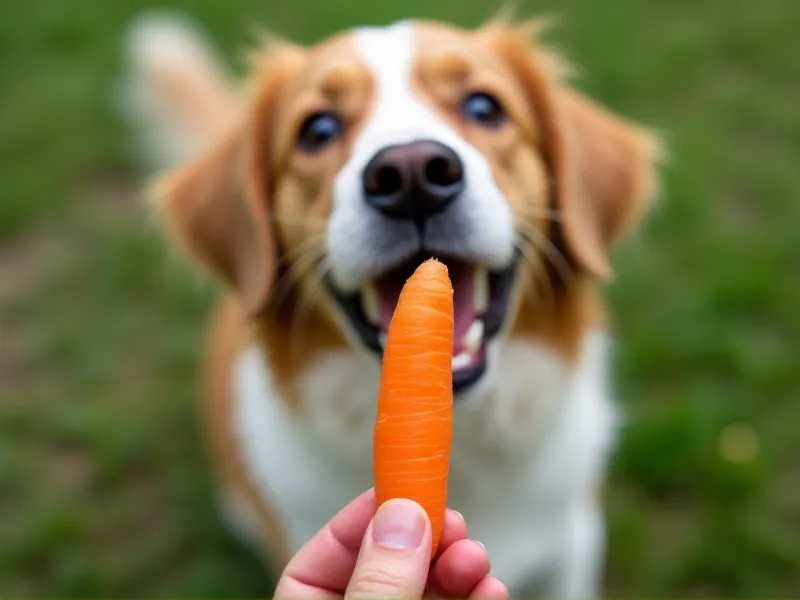
Table of Contents
- Can Dogs Eat Carrots? The Short Answer
- The Benefits of Carrots for Dogs: Why They’re a Great Snack
- Risks to Watch For: When Carrots Might Be a Problem
- How Much Carrot Can Dogs Eat? A Portion Guide
- Healthier Alternatives to Carrots (When Variety is Key)
- FAQ: Your Carrot Questions Answered
- Conclusion: Snack Smart, Keep Your Pup Happy
Can Dogs Eat Carrots? The Short Answer
Yes! Dogs can safely eat carrots—both raw and cooked (as long as they’re plain, with no added salt, butter, or seasonings). Carrots are low in calories, high in fiber, and packed with vitamins and minerals that can support your dog’s health. In fact, many vets and pet nutritionists recommend carrots as a healthy alternative to processed treats, especially for dogs watching their weight.
That said, carrots aren’t a “free-for-all” snack. Overfeeding can lead to digestive upset, and whole carrots (or large chunks) pose a choking risk, especially for small dogs. Let’s break down the details.
The Benefits of Carrots for Dogs: Why They’re a Great Snack
Carrots aren’t just crunchy—they’re a nutritional powerhouse. Here’s why they might be a great addition to your dog’s snack rotation:
1. Loaded with Vitamins (Hello, Vitamin A!)
Carrots are famous for their high vitamin A content, and for good reason: one medium carrot contains about 459% of the daily recommended intake of vitamin A for humans (and dogs need it too!). Vitamin A is critical for:
- Eye health: It supports night vision and reduces the risk of age-related eye issues like cataracts.
- Skin and coat: A deficiency in vitamin A can lead to dry, flaky skin or a dull coat—carrots help keep fur shiny and skin moisturized.
- Immune function: Vitamin A boosts the immune system, helping your dog fight off infections.
Pro tip: Vitamin A is fat-soluble, meaning your dog’s body stores it. While carrots are a great source, avoid overdoing it—too much vitamin A can be toxic (though this is rare with carrots alone; most cases come from high-dose supplements).
2. Fiber: A Friend to Digestion
Carrots are rich in dietary fiber, which is essential for a healthy gut. Fiber helps:
- Regulate bowel movements: It prevents constipation by adding bulk to stool and can soothe mild diarrhea by absorbing excess water.
- Keep your dog full: Fiber takes longer to digest, so a small carrot snack can help your pup feel satisfied without extra calories—perfect for weight management.
- Support gut bacteria: Prebiotic fibers in carrots feed “good” gut bacteria, promoting a balanced microbiome (which is linked to better overall health!).
3. Potassium: For Muscles and Heart Health
Potassium is an electrolyte that plays a role in muscle function, nerve signaling, and heart health. Carrots contain a moderate amount of potassium, which helps:
- Prevent muscle cramps: Potassium balances fluids in cells, reducing the risk of post-exercise soreness.
- Support heart rhythm: A steady supply of potassium helps keep your dog’s heart beating regularly.
4. Low-Calorie and Low-Fat: Ideal for Weight Watchers
If your dog needs to shed a few pounds (or you want to avoid weight gain), carrots are a dream snack. A medium raw carrot has only about 25 calories and 0.1 grams of fat—way lower than most commercial treats (which can pack 50+ calories per bite!). Swap out a high-calorie biscuit for a carrot, and your pup will thank you (and so will their waistline).
5. Crunchy Texture: A Natural Teeth Cleaner
Raw carrots are hard—and that crunch is great for your dog’s dental health! Chewing on raw carrots can:
- Scrape plaque: The rough texture helps remove tartar buildup from teeth.
- Fight bad breath: By reducing plaque, carrots can temporarily freshen your dog’s breath (though they’re not a substitute for regular teeth brushing!).
Risks to Watch For: When Carrots Might Be a Problem
While carrots are generally safe, they’re not without risks. Here’s what to keep in mind:
1. Natural Sugar: Too Much Can Lead to Weight Gain
Carrots taste sweet because they contain natural sugars (about 4 grams per medium carrot). For most dogs, this is harmless in small amounts. But if your dog eats too many carrots, those sugars can add up, leading to:
- Weight gain (especially in inactive dogs or breeds prone to obesity, like Labradors or Beagles).
- Blood sugar spikes (a concern for dogs with diabetes—always check with your vet first if your dog has a condition like this).
2. Stomach Upset from Excess Fiber
Fiber is great for digestion, but too much fiber can backfire. If your dog eats a large number of carrots (say, half a bag in one sitting), they may experience:
- Gas (unpleasant for everyone!).
- Diarrhea or loose stools.
- Bloating (in severe cases, though this is rare with carrots alone).
Start small, and monitor your dog’s reaction to new snacks.
3. Choking Hazard: Size Matters!
Whole carrots (or even large chunks) can be a choking risk, especially for small dogs (like Chihuahuas or Yorkies) or dogs who gulp their food. Cooked carrots are softer, but they can still get stuck in the throat if not cut properly.
Safety tip: Always chop carrots into bite-sized pieces—about the size of your pinky nail for small dogs, or 1-2 inch slices for larger breeds. Avoid feeding baby carrots whole to tiny pups, as they can still pose a risk.
4. Pesticides: Wash Thoroughly (or Choose Organic)
Like all produce, carrots can harbor pesticides or dirt. To keep your dog safe:
- Wash carrots under running water before feeding (scrub with a brush if they’re not peeled).
- Consider organic carrots if you’re concerned about chemicals—they’re grown without synthetic pesticides.
How Much Carrot Can Dogs Eat? A Portion Guide
The golden rule for feeding carrots (or any human food) to dogs: treats should make up no more than 10% of their daily calories. For most dogs, that means a small handful of carrots per day is plenty.
Here’s a general portion guide based on your dog’s size:
| Dog Size | Daily Carrot Limit (Raw or Cooked) | How Often? |
|---|---|---|
| Small (5-20 lbs) | 1-2 baby carrots or 1-2 thin slices of a medium carrot | 2-3 times per week |
| Medium (20-50 lbs) | 2-3 baby carrots or 2-3 slices of a medium carrot | 3-4 times per week |
| Large (50+ lbs) | 3-4 baby carrots or 3-4 slices of a medium carrot | 4-5 times per week |
Note: Adjust portions based on your dog’s activity level and calorie needs. If your dog is overweight, stick to the lower end of the range. If they’re very active (e.g., a working dog or agility pup), you can add a bit more—just don’t exceed 10% of their daily calories.
Raw vs. Cooked: Which is Better?
Both raw and cooked carrots are safe, but they have different benefits:
- Raw carrots: Crunchy and great for teeth (plaque-scraping action!). Best for dogs with strong jaws and no dental issues.
- Cooked carrots: Softer and easier to digest, making them ideal for senior dogs, puppies, or dogs with dental pain. Steaming or boiling (without salt) is best—avoid roasting with oil or seasonings.
Healthier Alternatives to Carrots (When Variety is Key)
Carrots are a solid snack, but variety is the spice of life (for dogs too!). Here are some other veggie-based treats that are safe and nutritious:
1. Green Beans
Why they’re great: Low in calories (only 31 calories per cup!) and high in fiber, green beans are a favorite among vets for weight loss. They’re also rich in vitamins C and K.
How to serve: Raw (chopped) or steamed (no salt). Avoid canned green beans, which are often high in sodium.
2. Cucumber
Why they’re great: 96% water, so they’re super hydrating (perfect for hot days!). They’re low in sugar (only 1.7 grams per cup) and calories (16 per cup).
How to serve: Sliced into rounds (remove seeds if large, as they can cause gas in some dogs).
3. Broccoli
Why they’re great: Packed with vitamin C (boosts immunity) and fiber. Just a small floret goes a long way!
How to serve: Steamed and chopped (raw broccoli can be hard to digest and may cause gas). Limit: No more than 10% of their daily veggie intake—too much can irritate the stomach.
4. Apples (Seedless!)
Why they’re great: High in fiber and vitamin C, and the crunch helps clean teeth.
How to serve: Sliced, with seeds and core removed (apple seeds contain trace amounts of cyanide, which is toxic in large doses).
5. Sweet Potatoes
Why they’re great: Rich in beta-carotene (which converts to vitamin A) and fiber. They’re a common ingredient in high-quality dog foods!
How to serve: Baked or boiled (no butter, sugar, or cinnamon). Avoid raw sweet potatoes, which are hard to digest.
FAQ: Your Carrot Questions Answered
Q: Can puppies eat carrots?
A: Yes! Puppies can safely eat carrots as long as they’re chopped into tiny, bite-sized pieces (to avoid choking). Start with a small piece (about the size of a pea) and monitor for digestive upset. Carrots are a great teething toy for puppies—chewing on raw carrot slices can soothe sore gums!
Q: Are cooked carrots better than raw for dogs with sensitive stomachs?
A: Yes. Cooking breaks down the fiber in carrots, making them easier to digest. If your dog has a sensitive gut (e.g., inflammatory bowel disease), steamed carrots are a better choice than raw.
Q: Can carrots help with my dog’s bad breath?
A: Maybe! Chewing on raw carrots can scrape plaque off teeth, which may temporarily freshen breath. For long-term bad breath, though, check with your vet—it could be a sign of dental disease or an underlying health issue.
Q: What if my dog eats too many carrots?
A: If your dog gobbles up a whole bag of carrots, don’t panic! They may experience gas, diarrhea, or stomach discomfort, but it’s unlikely to be life-threatening. Offer plenty of water and monitor them for 24 hours. If symptoms persist (e.g., vomiting, lethargy), contact your vet.
Q: Are carrot tops safe for dogs?
A: Carrot greens (the leafy tops) are not recommended. They contain small amounts of solanine, a toxin that can cause stomach upset in large quantities. Stick to the root!
Conclusion: Snack Smart, Keep Your Pup Happy
So, can dogs eat carrots? Absolutely—they’re a crunchy, nutrient-dense snack that most dogs love. When fed in moderation (chopped into safe sizes, raw or cooked), carrots can support your dog’s eye health, digestion, and dental hygiene. Just remember: treats should never replace a balanced dog food diet, and every dog is different. If your dog has diabetes, allergies, or other health issues, always check with your vet before adding new foods to their diet.
At the end of the day, sharing a carrot with your pup is more than just a snack—it’s a moment of connection. So go ahead, toss them a tiny piece (after chopping, of course!). Their wagging tail will be proof that sometimes, the simplest treats are the best.
Sources:
- American Veterinary Medical Association (AVMA). “People Foods to Avoid Feeding Your Pets.” avma.org
- American Society for the Prevention of Cruelty to Animals (ASPCA). “Toxic and Non-Toxic Plants.” aspca.org
- PetMD. “Can Dogs Eat Carrots?” petmd.com
- Cummings School of Veterinary Medicine at Tufts University. “Nutrition for Dogs.” tuftscvm.org