· 8 min read
Can Dogs Eat Capers? The Surprising Truth About This Salty Snack
Picture this: You’re enjoying a fresh salmon bagel, smothered in cream cheese, red onion, and a sprinkle of tangy capers. Across the table, your pup sits, tail thumping, eyes locked on your plate. “Just a tiny taste?” you wonder. “Capers are small—what harm could they do?”
If you’ve ever found yourself asking whether capers are safe for dogs, you’re not alone. As pet parents, we want to share the joys of food with our furry friends, but it’s crucial to know which human snacks are actually dog-friendly. Capers, those briny, pea-sized buds used to add zing to salads, pastas, and sandwiches, might seem harmless. But are they safe for dogs?
In this guide, we’ll break down everything you need to know: Are capers toxic? Do they offer any health benefits? What risks should you watch for? And if capers aren’t ideal, what are some safer, tastier alternatives? Let’s dive in.
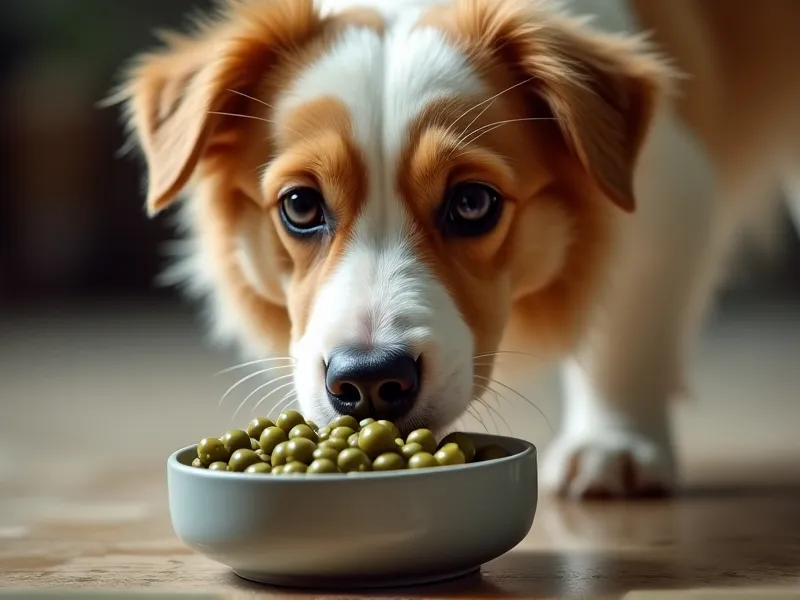
Table of Contents
- Can Dogs Eat Capers? The Short Answer
- What Are Capers, Anyway?
- Potential Benefits of Capers for Dogs (Spoiler: They’re Minimal)
- The Risks of Feeding Capers to Dogs: Why Moderation Matters
- How Much Caper is Safe for Dogs? Guidelines to Follow
- Healthier Alternatives to Capers for Your Pup
- FAQ: Your Capers-and-Dogs Questions Answered
- Conclusion: Capers and Your Dog—Proceed with Caution
1. Can Dogs Eat Capers? The Short Answer
Yes, dogs can technically eat capers in very small, occasional amounts—but they’re not recommended.
Capers themselves (the unripe flower buds of the caper bush) aren’t toxic to dogs. However, the way capers are typically prepared—pickled in vinegar and salt—makes them a risky snack. High sodium, added preservatives, and potential choking hazards mean capers are better left off your dog’s menu.
Think of it this way: Capers are like that “meh” party snack—they won’t poison you, but there are far better options out there. Let’s unpack why.
2. What Are Capers, Anyway?
Before we dive into risks and benefits, let’s get to know capers. These tiny, green buds come from the Capparis spinosa plant, native to the Mediterranean. Harvested by hand before they bloom, capers are then dried and cured—usually in salt, vinegar, or brine—to develop their signature tangy, salty flavor.
You’ll find them in dishes like chicken piccata, smoked salmon bagels, and tapenade. But here’s the catch: Most capers you buy at the grocery store are pickled, which transforms their nutritional profile. Fresh capers (rarely sold in stores) are milder, but even then, they’re not a common “health food” for humans—let alone dogs.
3. Potential Benefits of Capers for Dogs (Spoiler: They’re Minimal)
At first glance, capers might seem like a nutrient-dense snack. After all, they’re a plant-based food, and plants are usually good for dogs, right? Let’s break down their potential upsides:
Nutrients in Fresh Capers
- Fiber: Capers contain small amounts of dietary fiber, which supports healthy digestion by keeping things moving in your dog’s gut.
- Vitamin K: Important for blood clotting and bone health, vitamin K is found in many leafy greens and… yes, capers.
- Potassium: This mineral helps regulate heart function, muscle contractions, and fluid balance—all key for your pup’s overall health.
But here’s the problem: Most capers are pickled, not fresh. Pickling leaches out some nutrients and adds a boatload of sodium (more on that later). So even if fresh capers have trace benefits, the pickled versions you’re likely to have in your fridge offer little nutritional value for dogs.
In short: Don’t reach for capers expecting to boost your dog’s diet. There are far better ways to get fiber, vitamin K, and potassium into their bowl (we’ll share those later!).
4. The Risks of Feeding Capers to Dogs: Why Moderation Matters
While capers aren’t toxic to dogs, they come with some serious risks—especially when pickled. Let’s break down the biggest concerns:
Risk #1: High Sodium Content
Pickled capers are soaked in brine (saltwater) to preserve them, which makes them extremely high in sodium. For example, a single tablespoon of pickled capers can contain 200–300 mg of sodium—that’s nearly half the daily recommended sodium intake for a 20-pound dog (the AKC suggests dogs consume no more than 100 mg of sodium per kilogram of body weight per day).
Why is sodium bad for dogs? Excess salt can lead to:
- Dehydration (increased thirst and urination)
- Electrolyte imbalances
- Kidney strain (over time, high sodium can damage kidneys)
- In severe cases, salt toxicity (symptoms include vomiting, diarrhea, seizures, or even death).
Small dogs (like Chihuahuas or Yorkies) are especially vulnerable, as their bodies can’t process large amounts of sodium as efficiently as bigger breeds.
Risk #2: Vinegar and Stomach Upset
Pickled capers are also packed in vinegar, which gives them their tangy flavor. While a tiny splash of vinegar won’t hurt most dogs, larger amounts can irritate their stomachs, leading to:
- Nausea
- Vomiting
- Diarrhea
- Abdominal pain
Dogs with sensitive stomachs or conditions like acid reflux are even more likely to react poorly to vinegar.
Risk #3: Choking Hazards
Capers are small, but they’re firm and round—perfect for getting stuck in a dog’s throat, especially if your pup is a “scarfer” (we’re looking at you, Labradors!). Even if they swallow them whole, capers could block the esophagus or intestines, requiring emergency vet care.
Risk #4: Added Ingredients (Sugar, Spices, or Garlic)
Some capers come with extra ingredients, like sugar, herbs, or spices, to enhance flavor. While sugar isn’t toxic, it’s empty calories that can lead to obesity or dental issues. Spices like black pepper or chili flakes can irritate your dog’s mouth or stomach.
Worst of all: Some caper brands add garlic or onion powder to their brine. Garlic and onions are toxic to dogs (they damage red blood cells, leading to anemia), so always check the label!
5. How Much Caper is Safe for Dogs? Guidelines to Follow
If you’re still tempted to share a tiny caper with your pup (we get it—those puppy eyes are powerful!), here’s the golden rule: Less is more, and “none” is best.
- Avoid pickled capers entirely: The sodium and vinegar make them too risky.
- If you must share (and only with vet approval): Opt for fresh, unsalted capers (if you can find them). Even then, limit to 1–2 tiny capers for medium/large dogs, or ½ a caper for small breeds.
- Never make capers a regular treat: They offer no nutritional benefit worth the risks.
When in doubt, ask your vet. They’ll consider your dog’s size, age, and health conditions (like kidney disease or hypertension) to give personalized advice.
6. Healthier Alternatives to Capers for Your Pup
Instead of capers, treat your dog to snacks that are safe, low-sodium, and nutritious. Here are our top picks:
Fresh Herbs (Safe and Flavorful!)
- Parsley: Rich in vitamins A, C, and K, parsley freshens breath and supports immune health. Chop a small sprig into your dog’s food.
- Dill: Adds a mild, tangy flavor (like capers!) and is packed with antioxidants. Safe in small amounts.
- Basil: A good source of magnesium and iron. Sprinkle a little on their kibble for a boost.
Crunchy Veggies (Low-Calorie and Fun!)
- Cucumber: Hydrating, low-sodium, and full of fiber. Dogs love the crunch!
- Green beans: Packed with vitamins A, C, and K, plus fiber. Steam them for a soft treat or serve raw.
- Carrots: Crunchy, sweet, and great for dental health. Raw or cooked, they’re a hit with most dogs.
Fruits (In Moderation!)
- Blueberries: Antioxidant-rich and low in sugar. Perfect for training treats.
- Apple slices: Remove the core and seeds (they contain cyanide), then offer a few slices for a sweet, crunchy snack.
7. FAQ: Your Capers-and-Dogs Questions Answered
Q: Can dogs eat caper berries?
A: Caper berries are the fruit of the caper bush (larger than caper buds) and are also usually pickled. They pose the same risks as capers: high sodium, vinegar, and potential choking hazards. Best to avoid.
Q: My dog snuck a handful of capers! What should I do?
A: Stay calm. If it was just a few capers, monitor your dog for 24 hours. Watch for signs of sodium overload: excessive thirst, urination, vomiting, diarrhea, or lethargy. If they ate a large amount (or if you see these symptoms), call your vet immediately.
Q: Are all pickled foods bad for dogs?
A: Most pickled foods (like pickles, sauerkraut, or capers) are high in sodium, which is risky for dogs. However, small amounts of plain, unsalted fermented foods (like plain yogurt) can be safe and even probiotic-rich. Always check labels for added salt, sugar, or toxic ingredients.
Q: Can puppies eat capers?
A: Puppies have developing kidneys and sensitive stomachs, so they’re even more vulnerable to sodium and vinegar. It’s best to avoid capers entirely until they’re adults (and even then, proceed with caution).
8. Conclusion: Capers and Your Dog—Proceed with Caution
So, can dogs eat capers? Technically, yes—but they’re far from a “good” snack. While capers aren’t toxic, their high sodium, vinegar, and choking risks make them a poor choice for your pup. The minimal nutritional benefits simply don’t outweigh the potential harm.
Instead of sharing capers, reach for dog-safe alternatives like fresh herbs, crunchy veggies, or berries. These snacks are low-sodium, nutrient-dense, and way more likely to make your pup’s tail wag (and their vet happy!).
As always, when introducing new foods to your dog’s diet, consult your veterinarian first. They’ll help you make choices that keep your furry friend healthy, happy, and thriving.
Here’s to many more shared meals—with snacks that are safe and delicious for both of you!
References
- American Kennel Club (AKC). “Human Foods Dogs Can and Can’t Eat.” akc.org
- ASPCA. “Toxic and Non-Toxic Plants.” aspca.org
- PetMD. “Sodium Toxicity in Dogs.” petmd.com
- VCA Hospitals. “Dietary Guidelines for Dogs.” vcahospitals.com