· 9 min read
Can Dogs Eat Canned Tuna Water? Benefits, Risks & Safe Guidelines for Pet Parents
Picture this: You’re standing at the kitchen counter, draining a can of tuna for your lunch salad. As you tilt the can, a small pool of clear, briny liquid spills into the sink—and suddenly, your dog is there. Tail thumping, nose quivering, those big, hopeful eyes locked onto the can. “Is that… for me?” they seem to ask.
Canned tuna water is a common kitchen leftover, and it’s no wonder dogs are drawn to its fishy aroma. But as a responsible pet parent, you pause: Is this safe? Can dogs actually drink canned tuna water, or is it a recipe for an upset stomach (or worse)?
In this guide, we’ll dive into the nitty-gritty of tuna water for dogs. We’ll break down the potential benefits, the risks to watch for, how much (if any) is safe to share, and even healthier alternatives. By the end, you’ll have all the info you need to decide whether that leftover tuna water deserves a spot in your pup’s treat rotation.
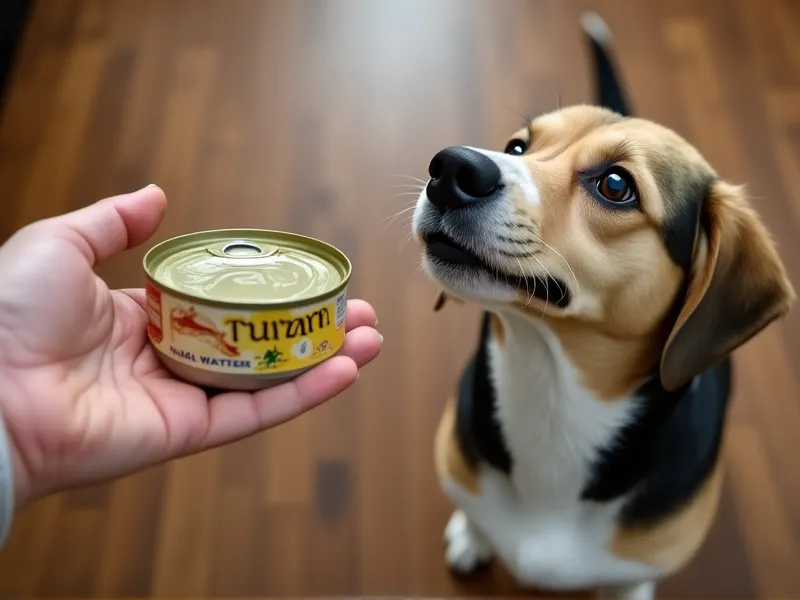
Table of Contents
- Can Dogs Eat Canned Tuna Water? The Short Answer
- What Is Canned Tuna Water, Anyway?
- Potential Benefits of Tuna Water for Dogs
- Risks to Consider Before Sharing Tuna Water
- How Much Tuna Water Is Safe for Dogs? Guidelines by Size
- Healthier Alternatives to Tuna Water
- FAQ: Your Tuna Water Questions, Answered
- Conclusion: Tuna Water as a Treat—With Caution
Can Dogs Eat Canned Tuna Water? The Short Answer
Yes, dogs can drink small amounts of canned tuna water occasionally—but it’s not without risks.
Tuna water (the liquid from water-packed canned tuna) isn’t toxic to dogs, and some pups may enjoy its savory flavor. However, it’s high in sodium, may contain trace amounts of mercury, and lacks the balanced nutrition dogs need. Think of it as a “sometimes” treat, not a daily staple.
To keep your dog safe, stick to tiny portions, opt for low-sodium or no-salt-added tuna, and avoid oil-packed varieties (more on that later!).
What Is Canned Tuna Water, Anyway?
Before we weigh the pros and cons, let’s clarify what we’re talking about. Canned tuna is typically packed in one of three ways:
- Water-packed: Tuna submerged in plain water (sometimes with added salt). This is the most common type, and the “tuna water” we’re discussing here.
- Oil-packed: Tuna packed in vegetable oil (like soybean or olive oil). The liquid here is oil, not water, and is higher in fat (more on why that’s a problem below).
- Brine-packed: Tuna packed in saltwater (brine). This has the highest sodium content and is the least dog-friendly option.
For dogs, water-packed tuna (low-sodium or no-salt-added) is the only type worth considering. Oil-packed and brine-packed varieties are too high in fat or salt, respectively, to be safe in any quantity.
Potential Benefits of Tuna Water for Dogs
While tuna water isn’t a superfood for dogs, it does offer a few minor perks when shared responsibly:
1. Hydration Helper (for Picky Drinkers)
Some dogs are notoriously bad at drinking enough water, especially in hot weather or if they’re under the weather. Tuna water’s strong, fishy scent can entice reluctant drinkers to lap up a little extra liquid, helping prevent dehydration. Just don’t rely on it as a primary water source—plain H2O is still best!
2. Trace Nutrients: Omega-3s, Protein, and Potassium
Tuna itself is rich in nutrients, and a small amount of that goodness leaches into the water:
- Omega-3 fatty acids: These support skin, coat, and joint health. While tuna water has far less omega-3s than the tuna meat, every little bit counts.
- Protein: Tuna is a complete protein, and the water may contain tiny amounts—though not enough to contribute meaningfully to your dog’s daily needs.
- Potassium: An essential mineral for muscle and nerve function. Tuna (and its water) has small amounts of potassium, which can help balance electrolytes (in moderation).
3. A Tasty Training Tool
Dogs go crazy for fishy flavors! A splash of tuna water on kibble can make mealtime more exciting for picky eaters, or you can use it as a low-calorie “drizzle” for training rewards. Just remember: It’s a treat, not a meal booster.
Risks to Consider Before Sharing Tuna Water
The benefits are minor, but the risks are real. Here’s what to watch out for:
1. High Sodium Content: The Biggest Concern
Most canned tuna—even water-packed—contains added salt to enhance flavor and extend shelf life. For example, a 5-ounce can of regular water-packed tuna has about 300–400mg of sodium. That’s a lot for a dog: The daily recommended sodium intake for dogs is roughly 100mg per kilogram of body weight (e.g., a 10kg/22lb dog should have no more than 1,000mg of sodium total per day from all food).
Too much sodium can lead to:
- Dehydration (excessive thirst and urination)
- Electrolyte imbalances
- Vomiting, diarrhea, or stomach cramps
- In severe cases: Sodium ion poisoning, which causes tremors, seizures, or even kidney damage (especially in small dogs or those with kidney/heart disease).
Pro tip: Always check the label for “low-sodium” or “no salt added” tuna. These options have less sodium (around 100–200mg per can) and are safer for dogs.
2. Mercury Exposure
Tuna is a predatory fish, meaning it accumulates mercury over time (larger tuna, like albacore, have more mercury than smaller “light” tuna). While tuna water has less mercury than the tuna meat itself, repeated exposure can still build up in your dog’s system.
Mercury toxicity in dogs is rare but serious, causing symptoms like:
- Loss of coordination
- Blindness
- Seizures
- Kidney damage
To minimize risk, choose light tuna (skipjack) over albacore, as it has lower mercury levels.
3. Stomach Upset
Dogs have sensitive digestive systems, and introducing new foods (even liquids) can cause diarrhea, vomiting, or gas—especially if your pup has a sensitive stomach or food allergies. Tuna is also a common allergen for some dogs, so watch for itching, redness, or swelling after sharing.
4. Oil-Packed Tuna: A Fatty Trap
We mentioned this earlier, but it’s worth repeating: Never share oil-packed tuna water with your dog. The oil is high in fat, which can trigger pancreatitis (a painful, potentially life-threatening inflammation of the pancreas) in dogs, especially those prone to the condition (e.g., small breeds, overweight dogs).
How Much Tuna Water Is Safe for Dogs? Guidelines by Size
If you decide to share tuna water, portion control is key. Here’s a general rule of thumb:
| Dog Size | Weight | Max Tuna Water per Serving | Frequency |
|---|---|---|---|
| Small (e.g., Chihuahua, Pug) | 2–10kg (4–22lb) | 1–2 tablespoons | Once every 1–2 weeks |
| Medium (e.g., Beagle, Cocker Spaniel) | 10–25kg (22–55lb) | 2–3 tablespoons | Once every 1–2 weeks |
| Large (e.g., Labrador, German Shepherd) | 25–45kg (55–99lb) | 3–4 tablespoons | Once every 1–2 weeks |
| Giant (e.g., Great Dane, Mastiff) | 45kg+ (99lb+) | 4–5 tablespoons | Once every 1–2 weeks |
Important notes:
- Always use low-sodium, water-packed tuna (no oil, no brine).
- Avoid feeding tuna water to dogs with health issues like kidney disease, heart disease, or high blood pressure—sodium is extra risky for them.
- If your dog has never had tuna water before, start with 1 teaspoon and monitor for 24 hours. If they show signs of stomach upset (vomiting, diarrhea), skip future servings.
Healthier Alternatives to Tuna Water
Tuna water is okay occasionally, but these alternatives are safer, more nutritious, and just as tasty:
1. Low-Sodium Chicken or Turkey Broth
Homemade or store-bought (check for no onions/garlic, which are toxic to dogs) low-sodium broth is packed with flavor and nutrients. It’s hydrating, supports joint health (if made from bones), and has far less sodium than tuna water.
2. Unsweetened Pumpkin Puree
A spoonful of plain, canned pumpkin (not pie filling!) mixed into kibble adds fiber (great for digestion) and beta-carotene (vitamin A). Most dogs love its sweet, earthy taste.
3. Bone Broth (Homemade)
Simmer chicken, beef, or turkey bones (with meat scraps) in water for 12–24 hours to make a nutrient-dense broth. It’s rich in collagen, glucosamine, and electrolytes—perfect for joint health and hydration.
4. Coconut Water (Unsweetened)
A splash of unsweetened coconut water is a natural source of potassium and electrolytes, making it great for hot days or post-exercise hydration. Just avoid brands with added sugar.
5. Plain Water with a Splash of Fruit Juice
For a fruity twist, add a tiny bit of unsweetened apple or blueberry juice to your dog’s water bowl. It’s hydrating, low in calories, and packed with antioxidants.
FAQ: Your Tuna Water Questions, Answered
Q: Can puppies drink tuna water?
A: Puppies have sensitive digestive systems and developing kidneys, so it’s best to avoid tuna water. Stick to their regular puppy food and plain water until they’re fully grown (1–2 years old, depending on breed).
Q: Is oil-packed tuna water worse than water-packed?
A: Yes! Oil-packed tuna water is high in fat, which can cause pancreatitis in dogs. Always choose water-packed.
Q: My dog drank a whole can of tuna water by accident—what should I do?
A: Stay calm. Monitor for signs of sodium overdose: excessive thirst, vomiting, diarrhea, restlessness, or seizures. If you notice any of these, call your vet immediately. For small dogs, even a full can could be dangerous, so err on the side of caution.
Q: Can tuna water help my dog with an upset stomach?
A: No—tuna water’s sodium can actually worsen stomach upset. For an upset stomach, try a bland diet (boiled chicken and rice) or consult your vet.
Q: Is tuna water a good source of omega-3s for dogs?
A: Not really. The amount of omega-3s in tuna water is minimal. For omega-3s, feed your dog a small amount of fresh, cooked salmon (no bones) or a vet-recommended fish oil supplement.
Conclusion: Tuna Water as a Treat—With Caution
So, can dogs eat canned tuna water? Yes, but think of it like a potato chip for your pup: tasty in small doses, but not something you’d want them to have every day.
Stick to low-sodium, water-packed tuna, limit portions to a few tablespoons max, and only offer it once every week or two. And if you’re unsure—especially if your dog has health issues—always check with your vet first.
At the end of the day, your dog’s health and happiness are what matter most. Whether you share a splash of tuna water or opt for a healthier alternative, a little love (and moderation!) goes a long way.
Now go give your pup a treat—they’ve earned it!