· 8 min read
Can Dogs Eat Canned Tuna in Water? A Pet Parent’s Guide to Safe Snacking
Picture this: You’re cracking open a can of tuna for your lunch, the salty-savory aroma filling the room. Suddenly, you feel a wet nose nudge your hand, followed by those irresistible puppy eyes staring up at you. “Just a tiny bite?” you think. “Surely tuna can’t hurt them, right?”
If you’ve ever found yourself in this scenario, you’re not alone. Tuna is a pantry staple for many humans, but when it comes to our furry friends, the question of safety isn’t so black and white. Can dogs eat canned tuna in water? Is it a healthy treat, or a hidden hazard?
In this guide, we’ll break down everything you need to know—from the nutritional benefits to the potential risks, serving guidelines, and even healthier alternatives. Let’s dive in!
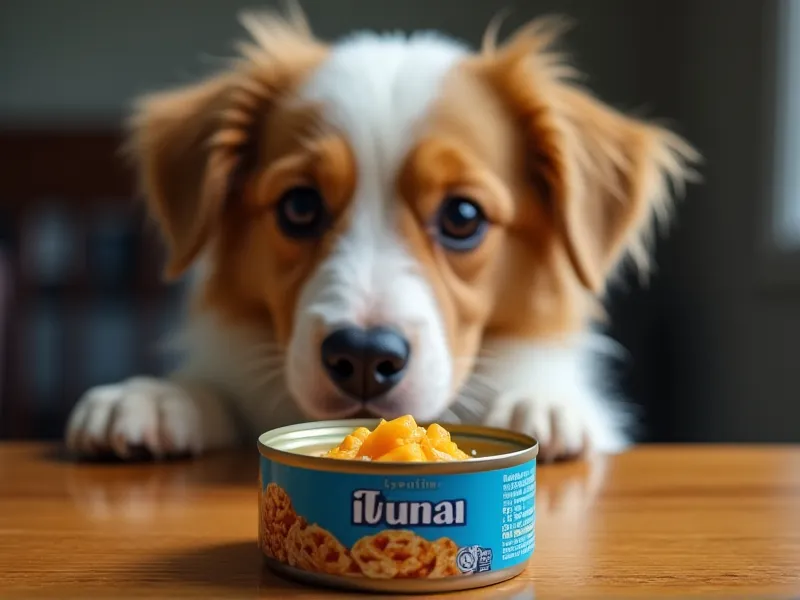
Table of Contents
- Can Dogs Eat Canned Tuna in Water? The Short Answer
- Nutritional Benefits of Canned Tuna for Dogs
- Potential Risks: Why Tuna Isn’t Always a Safe Bet
- Safe Serving Guidelines: How Much Tuna Can Dogs Eat?
- Healthier Alternatives to Canned Tuna
- Frequently Asked Questions (FAQ)
- Conclusion: Moderation is Key
Can Dogs Eat Canned Tuna in Water? The Short Answer
Yes, dogs can eat canned tuna in water—but only in strict moderation.
Tuna isn’t toxic to dogs, and in small amounts, it can even offer some nutritional perks. However, it’s not a “free pass” snack. Canned tuna comes with hidden risks (like mercury and sodium) that make it unsafe as a regular part of your dog’s diet. Think of it as an occasional treat, not a meal replacement.
To keep your pup safe, always opt for canned tuna in water (not oil or brine) and avoid added salt, spices, or sauces. And when in doubt? Check with your vet first—especially if your dog has health issues like kidney disease or food allergies.
Nutritional Benefits of Canned Tuna for Dogs
When served correctly, canned tuna can provide a few key nutrients that support your dog’s health. Let’s break down the good stuff:
1. High-Quality Protein
Tuna is packed with lean protein, which is essential for dogs. Protein helps build and repair muscles, supports a healthy coat and skin, and keeps their immune system strong. For active dogs or those recovering from illness, a little tuna can be a tasty way to boost their protein intake.
2. Omega-3 Fatty Acids
Tuna (especially fatty fish like albacore) is rich in omega-3 fatty acids, including EPA and DHA. These healthy fats are known to:
- Reduce inflammation (great for dogs with joint pain or allergies).
- Support brain and eye development in puppies.
- Promote a shiny coat and healthy skin (say goodbye to dry, itchy patches!).
3. Selenium & B Vitamins
Tuna also contains selenium, an antioxidant that protects cells from damage, and B vitamins (like B12 and niacin), which help convert food into energy. For senior dogs or those with low energy, these nutrients can give them a gentle boost.
4. Low in Calories (When in Water)
Canned tuna in water is low in fat and calories compared to tuna in oil, making it a better choice for overweight dogs or those on a calorie-restricted diet. Just be sure to account for those extra calories when serving—treats should never make up more than 10% of your dog’s daily intake!
Potential Risks: Why Tuna Isn’t Always a Safe Bet
While tuna has benefits, it’s not without risks—especially when fed too often or in large quantities. Here’s what to watch out for:
1. Mercury Poisoning
The biggest concern with tuna (for both humans and dogs) is mercury. Tuna is a predatory fish, meaning it eats smaller fish that may contain mercury, and over time, this toxin accumulates in its flesh.
-
Albacore tuna (white tuna) has three times more mercury than light tuna (skipjack). For dogs, even small amounts of albacore can lead to mercury buildup over time, causing symptoms like:
- Loss of coordination
- Weakness
- Seizures
- Kidney damage
-
Light tuna has less mercury, but it’s still not risk-free. Puppies, senior dogs, and dogs with kidney disease are especially vulnerable to mercury toxicity.
2. High Sodium Content
Most canned tuna (even “no salt added” varieties) contains some sodium to preserve freshness. For dogs, too much salt can lead to:
- Dehydration
- Increased thirst and urination
- Sodium ion poisoning (symptoms: vomiting, diarrhea, tremors, seizures)
Dogs with kidney disease or heart conditions are particularly sensitive to salt, so tuna should be avoided entirely in these cases.
3. Thiamine Deficiency
Tuna contains an enzyme called thiaminase, which breaks down thiamine (vitamin B1). Thiamine is critical for your dog’s nervous system and brain function. If fed tuna regularly, your dog could develop a thiamine deficiency, leading to:
- Loss of appetite
- Weakness
- Vision problems
- Even coma (in severe cases)
4. Stomach Upset
Tuna is rich and oily compared to your dog’s regular kibble. Sudden introduction of new foods (like tuna) can cause digestive issues, including diarrhea, vomiting, or gas—especially in dogs with sensitive stomachs.
Safe Serving Guidelines: How Much Tuna Can Dogs Eat?
The golden rule: Tuna should be an occasional treat, not a daily snack. Here’s a general guide to portion sizes based on your dog’s weight:
| Dog Size | Maximum Tuna per Week (Canned in Water) |
|---|---|
| Small (under 20 lbs) | 1–2 tablespoons |
| Medium (20–50 lbs) | 2–3 tablespoons |
| Large (50+ lbs) | ¼ cup (4 tablespoons) |
Pro Tips for Safe Serving:
- Choose light tuna over albacore to minimize mercury exposure.
- Drain the water and rinse the tuna lightly to reduce sodium.
- Avoid added ingredients: No salt, oil, garlic, onions, or mayo—these are toxic or harmful to dogs.
- Mix with kibble: Stir a small amount of tuna into your dog’s regular food to avoid overfeeding.
- Monitor for reactions: After serving, watch for vomiting, diarrhea, or lethargy. If symptoms occur, stop feeding tuna and contact your vet.
Healthier Alternatives to Canned Tuna
If you’re looking for fish-based treats that are safer than tuna, try these alternatives:
1. Sardines (Canned in Water)
Sardines are small, low on the food chain, and contain minimal mercury. They’re also packed with omega-3s, calcium (from the soft bones), and vitamin D. Just make sure to choose sardines in water (no salt added) and drain them well.
2. Cooked Salmon
Wild-caught salmon is rich in omega-3s and low in mercury (when sourced sustainably). Serve it cooked (never raw, to avoid parasites) and without seasonings. Bonus: Salmon skin is safe for dogs and adds extra nutrients!
3. Cooked Chicken or Turkey
Lean, unseasoned chicken or turkey is a classic, safe treat for dogs. It’s high in protein, low in fat, and easy to digest—perfect for sensitive tummies.
4. Mackerel (Canned in Water)
Mackerel is another low-mercury fish loaded with omega-3s and B vitamins. Look for “ Atlantic mackerel” (avoid king mackerel, which has higher mercury) and serve in small amounts.
Frequently Asked Questions (FAQ)
Q: Can dogs eat tuna in oil instead of water?
A: No. Tuna in oil is high in fat and calories, which can lead to pancreatitis (a painful inflammation of the pancreas) in dogs, especially small breeds or those prone to weight gain. Stick to water-packed tuna only.
Q: Is canned tuna better than fresh tuna for dogs?
A: Canned tuna is safer because it’s cooked and less likely to contain parasites (which can be present in raw or undercooked fresh tuna). However, fresh tuna (cooked) is also an option—just ensure it’s boneless and unseasoned.
Q: Can puppies eat canned tuna?
A: Puppies can have tiny amounts of tuna as an occasional treat, but their diet should focus on balanced puppy food to support growth. Too much tuna can disrupt their nutrient intake or expose them to mercury, which their developing bodies are more sensitive to.
Q: My dog ate a whole can of tuna—should I panic?
A: A single can is unlikely to cause severe harm, but monitor for symptoms like vomiting, diarrhea, or increased thirst (signs of sodium overload). If your dog is small, has kidney issues, or shows symptoms, contact your vet immediately.
Q: Are there any dogs who should never eat tuna?
A: Yes. Tuna is unsafe for dogs with:
- Kidney disease (due to sodium)
- Heart conditions (salt sensitivity)
- Thiamine deficiency (tuna worsens this)
- Mercury sensitivity (e.g., senior dogs or breeds prone to neurological issues)
Conclusion: Moderation is Key
Canned tuna in water can be a tasty, occasional treat for dogs—rich in protein, omega-3s, and nutrients. But like many human foods, it’s not without risks. Mercury, sodium, and thiamine depletion are all concerns when fed too often or in large amounts.
The bottom line? Share tuna with your pup sparingly (think: once a week at most), opt for light tuna, and always skip the oil, salt, or additives. When in doubt, talk to your vet—they’ll help you decide if tuna fits into your dog’s unique diet, especially if they have health issues.
After all, our dogs deserve treats that are as safe as they are delicious. And with a little caution, you can keep those puppy eyes happy and healthy.
Wag on, and snack safely!
References
- American Kennel Club (AKC). “Can Dogs Eat Tuna?” akc.org
- American College of Veterinary Nutrition (ACVN). “Fish-Based Diets for Dogs: Benefits and Risks.” acvn.org
- PetMD. “Mercury Poisoning in Dogs.” petmd.com
- Cummings School of Veterinary Medicine. “Thiamine Deficiency in Dogs.” cumingsvet.cornell.edu