· 10 min read
Can Dogs Eat Canned Pinto Beans? A Pet Parent’s Guide to Safe Snacking
It’s taco Tuesday, and as you scoop warm, savory canned pinto beans onto your plate, your dog trots over, tail wagging, nose twitching at the aroma. Those big, hopeful eyes seem to say, “Share the love?” You pause—you know chocolate and onions are off-limits, but what about pinto beans? Are these protein-packed legumes a safe, healthy treat for your pup, or should they stick to their kibble?
If you’ve ever wondered whether dogs can eat canned pinto beans, you’re not alone. With more pet parents seeking natural, whole-food treats, legumes like beans are often on the radar. Let’s dive into the details: the benefits, the risks, and how to safely share a bite (if at all) with your four-legged friend.
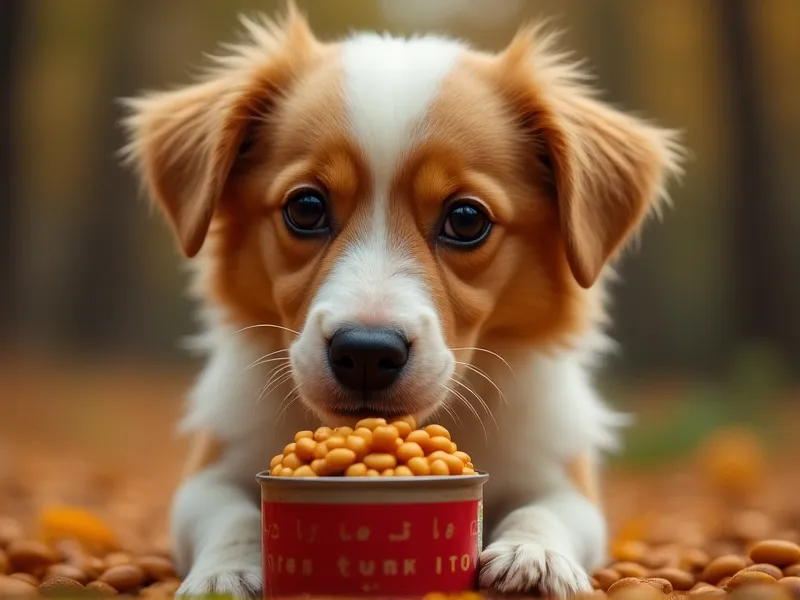
Table of Contents
- Can Dogs Eat Canned Pinto Beans? The Short Answer
- The Nutritional Benefits of Pinto Beans for Dogs
- Potential Risks of Feeding Canned Pinto Beans to Dogs
- Safe Feeding Guidelines: How Much (and How) to Offer
- Healthier Alternatives to Canned Pinto Beans
- Frequently Asked Questions (FAQ)
- Conclusion: Moderation is Key
Can Dogs Eat Canned Pinto Beans? The Short Answer
Yes, dogs can eat canned pinto beans—but only in small, occasional amounts and with careful preparation. Pinto beans themselves are non-toxic and even offer some nutritional benefits, like fiber and protein. However, canned varieties often come with hidden risks: added salt, sugar, or seasonings that can harm your dog. Raw or undercooked beans are a no-go (they contain lectins, which can upset your dog’s stomach), but canned pinto beans are typically cooked, making them safer—if you take steps to minimize the downsides.
The Nutritional Benefits of Pinto Beans for Dogs
Pinto beans are a nutritional powerhouse for humans, and in moderation, they can offer similar perks for dogs. Let’s break down why these legumes might make a (very occasional) addition to your pup’s treat rotation:
1. Protein: A Plant-Powered Boost
Dogs need protein to build muscle, repair tissues, and support a healthy coat and immune system. While dogs are primarily carnivores, they can digest and use plant-based protein too. Pinto beans contain about 15 grams of protein per cup (cooked), making them a decent source of this essential nutrient. For dogs on a limited-meat diet (e.g., due to allergies), small amounts of cooked beans can add variety to their protein intake—though they should never replace high-quality animal protein, which is more bioavailable for dogs.
2. Fiber: Supporting Digestive Health
Fiber is a unsung hero for doggy digestion. It helps regulate bowel movements, prevents constipation, and even supports a healthy gut microbiome. Pinto beans are rich in both soluble and insoluble fiber:
- Soluble fiber absorbs water, forming a gel-like substance that slows digestion and helps stabilize blood sugar.
- Insoluble fiber adds bulk to stool, keeping things moving smoothly through the digestive tract.
For dogs prone to occasional constipation, a tiny serving of plain, cooked pinto beans might help—though always check with your vet first, as sudden fiber increases can backfire (more on that later!).
3. Vitamins and Minerals: B Vitamins, Iron, Potassium, and More
Pinto beans are packed with micronutrients that support overall health:
- B Vitamins (Thiamine, Folate): Thiamine (B1) helps convert food into energy, while folate (B9) supports cell growth—critical for puppies and senior dogs alike.
- Iron: Essential for red blood cell function and preventing anemia (though dogs absorb iron from animal sources better than plants).
- Potassium: Regulates heart rate, muscle function, and fluid balance. A deficiency can lead to weakness or heart issues, so a little potassium from beans is a plus.
- Magnesium: Supports bone health and nerve function.
Potential Risks of Feeding Canned Pinto Beans to Dogs
While pinto beans have benefits, canned versions come with caveats. Here’s what to watch out for:
1. Added Salt and Sodium: A Hidden Danger
Most canned pinto beans are packed in salted water to preserve freshness and enhance flavor. A single cup of canned pinto beans can contain 400–600 mg of sodium—that’s more than half the daily recommended sodium intake for a 30-pound dog (which is about 200–300 mg/day, depending on size).
Too much sodium can cause:
- Increased thirst and urination
- Dehydration
- Sodium ion poisoning (in severe cases), leading to vomiting, diarrhea, tremors, or even seizures.
Even “low-sodium” canned beans often have 100–200 mg of sodium per cup, which adds up if you’re not careful.
2. Sugar and Unhealthy Additives
Some canned beans (especially “seasoned” or “flavored” varieties) include added sugar, artificial flavors, or preservatives. Sugar offers no nutritional value for dogs and can contribute to obesity, dental issues, or even diabetes over time. Artificial additives may also trigger allergies or digestive upset in sensitive pups.
3. Lectins: A Mild (But Real) Concern
Raw pinto beans contain lectins, a type of protein that can irritate the digestive tract, causing nausea, vomiting, or diarrhea. The good news? Canned pinto beans are fully cooked, and cooking destroys most lectins. However, undercooked beans (even canned ones that aren’t heated through) may still have trace amounts, so always ensure beans are soft and fully cooked before offering them to your dog.
4. Stomach Upset: Gas, Bloating, and Diarrhea
Dogs’ digestive systems aren’t built to handle large amounts of fiber—especially if they’re not used to it. Pinto beans are high in fiber, so overfeeding can lead to:
- Gas and bloating (uncomfortable for your pup and very unpleasant for you)
- Loose stools or diarrhea
- Abdominal pain
Small dogs and puppies are especially prone to this, as their tummies are more sensitive.
5. Choking and Blockage Risks
Whole pinto beans are small and round, which can pose a choking hazard for tiny dogs or pups who gulp their food. Even larger dogs may swallow beans whole, increasing the risk of intestinal blockages—especially if they eat a large handful at once.
6. Toxic Extras: Garlic, Onion, or Seasonings
Some canned or pre-cooked pinto beans (like those used in restaurant dishes or dips) may include garlic, onion, or chili powder. Garlic and onion are toxic to dogs, as they damage red blood cells and can cause anemia. Spicy seasonings can also irritate your dog’s stomach, leading to vomiting or diarrhea.
Safe Feeding Guidelines: How Much (and How) to Offer
If you want to share canned pinto beans with your dog, follow these rules to keep them safe:
1. Rinse Thoroughly to Reduce Sodium
Always drain and rinse canned pinto beans very well under cold water. This removes up to 40% of the added salt, making them safer for your pup. A colander works best—swirl the beans under running water for 30 seconds to a minute, stirring occasionally to ensure all beans get rinsed.
2. Stick to Small, Occasional Portions
Pinto beans should never replace your dog’s regular, balanced diet. Think of them as a “sometimes” treat, not a meal. A good rule of thumb:
- Small dogs (under 20 lbs): 1–2 tablespoons, max.
- Medium dogs (20–50 lbs): ¼ cup, max.
- Large dogs (50+ lbs): ⅓ cup, max.
Offer beans no more than once or twice a week, and never let them make up more than 10% of your dog’s daily calories (this ensures they’re not missing out on essential nutrients from their regular food).
3. Serve Plain, Cooked, and Unseasoned
Always choose plain canned pinto beans with no added salt, sugar, garlic, onion, or spices. Avoid “refried” beans (they’re often high in fat, salt, and lard) or flavored varieties. If possible, opt for “no salt added” canned beans to minimize sodium from the start.
4. Mash or Chop to Avoid Choking
To reduce the choking risk, mash the beans slightly or chop them into smaller pieces (especially for small dogs). This also makes them easier to digest, as whole beans can be tough on sensitive tummies.
5. Watch for Signs of Digestive Distress
After feeding beans, monitor your dog for 24 hours. If they develop gas, diarrhea, vomiting, or lethargy, stop offering beans and contact your vet. These could be signs of an upset stomach or an allergic reaction.
Healthier Alternatives to Canned Pinto Beans
If you’re hesitant about canned pinto beans, or your dog has a sensitive stomach, these alternatives offer similar benefits with fewer risks:
1. Cooked Lentils
Lentils are a great source of fiber, protein, and iron—plus, they’re lower in lectins than beans and easier to digest. Rinse canned lentils (or cook dried lentils from scratch, no salt) and serve a small portion as a treat. They’re soft, so less choking risk, too!
2. Plain Chickpeas (Garbanzo Beans)
Chickpeas are rich in fiber, protein, and folate. Like pinto beans, rinse canned chickpeas thoroughly to remove salt, then mash or chop them. They’re a hit with many dogs—try freezing a small portion for a crunchy, cool summer treat.
3. Green Beans (Fresh or Frozen)
Fresh or frozen green beans (no salt, no butter) are a low-calorie, high-fiber snack that most dogs love. They’re crunchy, hydrating, and packed with vitamins A, C, and K. Serve them raw (chopped for small dogs) or steamed for a softer texture.
4. Sweet Potatoes
Cooked, plain sweet potatoes are a nutrient-dense alternative to beans. They’re high in fiber, beta-carotene (which converts to vitamin A), and potassium—great for skin, coat, and digestion. Mash a small spoonful into your dog’s food or serve as a standalone treat.
Frequently Asked Questions (FAQ)
Q: Can puppies eat canned pinto beans?
A: Puppies have sensitive digestive systems, so it’s best to avoid beans until they’re at least 6 months old. Their tummies can’t handle excess fiber, and the risk of stomach upset is higher. Stick to puppy-safe treats like plain, cooked chicken or carrots instead.
Q: Are refried beans safe for dogs?
A: No. Refried beans are typically cooked with lard, salt, garlic, onion, or spices—all of which are harmful to dogs. Even “vegetarian” refried beans often have added salt and fat, making them a poor choice.
Q: My dog ate a lot of pinto beans—should I worry?
A: If your dog snuck a large handful of canned pinto beans (especially unrinsed ones), monitor them closely. Signs of trouble include excessive thirst, vomiting, diarrhea, or lethargy. If you notice these, contact your vet—too much salt or fiber can be dangerous.
Q: Can dogs with diabetes eat pinto beans?
A: Maybe, but ask your vet first. Pinto beans have fiber, which can help stabilize blood sugar, but they also contain carbohydrates. Your vet can advise on portion sizes to avoid spiking your dog’s glucose levels.
Q: Are raw pinto beans toxic to dogs?
A: Raw pinto beans contain lectins and can cause severe digestive upset (vomiting, diarrhea). They’re not technically “toxic,” but they’re definitely not safe. Always cook beans thoroughly (or use canned, cooked beans) before offering them to your dog.
Conclusion: Moderation is Key
Canned pinto beans can be a safe, occasional treat for dogs—if you rinse them well, serve plain, and stick to tiny portions. They offer fiber, protein, and nutrients that support digestion and overall health, but the added salt, sugar, and risk of stomach upset mean they’re not a daily snack.
When in doubt, opt for healthier alternatives like green beans, sweet potatoes, or lentils. And as with any new food, introduce beans slowly and watch for signs of discomfort.
At the end of the day, your dog’s diet should be centered on a high-quality, balanced dog food. Treats—whether beans, carrots, or chicken—are just the cherry on top. When in doubt, consult your vet—they know your dog’s unique needs best.
Now, pass the (rinsed!) beans—and enjoy taco night with your pup, knowing you’re keeping them safe and happy.
References
- American Society for the Prevention of Cruelty to Animals (ASPCA). “People Foods to Avoid Feeding Your Pets.” aspca.org
- American Kennel Club (AKC). “Can Dogs Eat Beans? Here’s What You Need to Know.” akc.org
- PetMD. “Legumes for Dogs: Are They Safe?” petmd.com
- Cummings Veterinary Medical Center at Tufts University. “Nutrition for Dogs.” tuftsvetnutrition.org