· 9 min read
Can Dogs Eat Canned Green Beans? The Ultimate Guide for Pet Parents
Picture this: You’re standing at the kitchen counter, spoon in hand, digging into a can of green beans. Maybe it’s a quick snack, or you’re prepping a salad—either way, those crisp, earthy beans are hitting the spot. Then, out of the corner of your eye, you see them: your dog, tail thumping, nose twitching, and that look—the one that says, “If I sit really still, maybe you’ll share.”
We’ve all been there. As pet parents, we want to spoil our fur babies, but we also know better than to toss them just anything. So, before you hand over a bean, let’s get to the heart of the question: Can dogs eat canned green beans?
Spoiler: The answer is yes—but with some important caveats. Not all canned green beans are safe, and moderation is key. In this guide, we’ll break down the benefits, risks, serving tips, and even healthier alternatives to help you make the best choice for your pup. Let’s dive in!
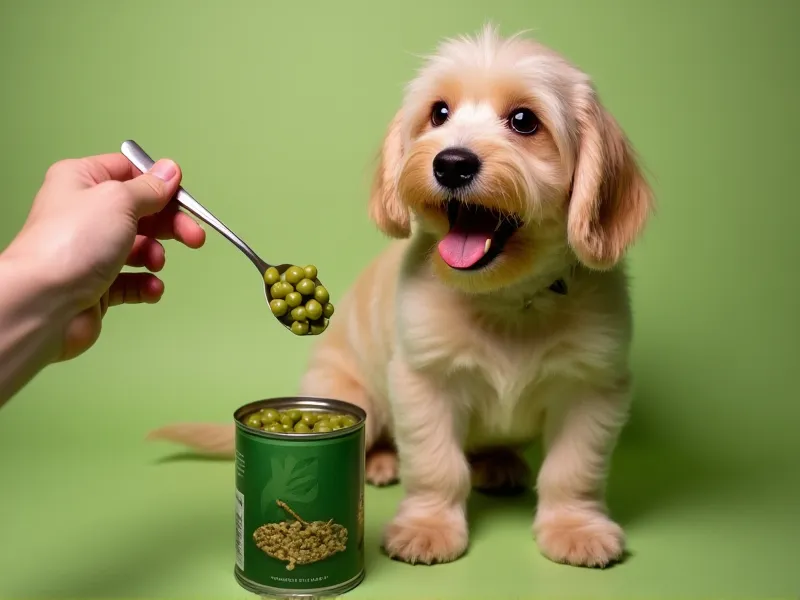
Table of Contents
- So, Can Dogs Actually Eat Canned Green Beans?
- The Benefits: Why Green Beans Might Be a Great Treat
- The Risks: What to Watch Out For
- How Much Canned Green Beans Can Dogs Safely Eat?
- Healthier Alternatives to Canned Green Beans
- FAQ: Your Burning Questions Answered
- Conclusion: Green Beans as a Treat—With Care!
So, Can Dogs Actually Eat Canned Green Beans?
Let’s cut to the chase: Yes, dogs can eat canned green beans, but only if they’re the right kind.
Green beans themselves are non-toxic, low in calories, and packed with nutrients—so they’re a far better snack than, say, a chip or a cookie. But canned green beans often come with added ingredients that can harm your dog, like salt, sugar, or preservatives.
The key here is to choose plain, no-salt-added, no-sugar-added canned green beans. Avoid varieties labeled “seasoned,” “in sauce,” “with garlic/onion,” or “sweetened”—these can contain toxic ingredients (like onion or garlic) or excess sodium, which is dangerous for dogs.
If you can’t find plain canned green beans, or if you’re unsure, fresh or frozen green beans are even safer (more on that later!). But for now, let’s focus on why green beans—canned or otherwise—might be a great addition to your dog’s treat rotation.
The Benefits: Why Green Beans Might Be a Great Treat
Green beans are often called a “superfood” for dogs, and for good reason. Here’s how they can boost your pup’s health:
1. Low-Calorie, High-Fiber Goodness
Green beans are 90% water, which means they’re low in calories (about 31 calories per cup, canned) but high in fiber. Fiber is a dog’s best friend: It aids digestion, keeps their gut healthy, and helps them feel full without overeating. This makes green beans a fantastic treat for overweight dogs or pups prone to begging—they’ll satisfy that “I want a snack!” urge without packing on the pounds.
2. Packed with Vitamins & Minerals
Green beans are a nutrient powerhouse. They’re rich in:
- Vitamin A: Supports eye health, immune function, and healthy skin/coat.
- Vitamin C: An antioxidant that boosts immunity and fights inflammation.
- Vitamin K: Important for blood clotting and bone health.
- Potassium: Regulates heart function, muscle health, and blood pressure.
- Folate: A B-vitamin that aids cell repair and growth (great for puppies!).
3. Crunchy Fun for Dental Health
Canned green beans are softer than fresh, but if you opt for low-sodium canned beans and drain/rinse them, they still offer a satisfying texture. For dogs who love to chew, the crunch (if you go fresh) can even help scrape plaque off their teeth—though they’re no substitute for regular brushing!
4. A Safe “Filler” for Picky Eaters
If your dog turns up their nose at kibble, mixing in a few drained, rinsed canned green beans can add flavor and texture without upsetting their diet. Just don’t overdo it—you don’t want to replace their balanced dog food with veggies!
The Risks: What to Watch Out For
While green beans are generally safe, canned varieties come with some unique risks. Let’s break them down so you can keep your pup safe:
1. Added Salt (Sodium)
Most canned green beans are loaded with salt to enhance flavor and extend shelf life. For example, a single cup of regular canned green beans can contain 600+ mg of sodium—that’s more than half the daily recommended sodium intake for a 30-pound dog (which is around 1000 mg/day, according to the AKC).
Too much sodium can lead to:
- Dehydration
- Increased thirst/urination
- Electrolyte imbalances
- In severe cases, kidney damage or sodium ion poisoning (symptoms include vomiting, diarrhea, seizures, or even death).
Fix: Always choose no-salt-added canned green beans. Even then, rinse them thoroughly to remove any residual sodium from the canning process.
2. Added Sugar
Some canned green beans (especially “sweetened” or “in syrup” varieties) contain added sugar. Dogs don’t need sugar in their diet, and excess sugar can lead to obesity, dental decay, or even diabetes over time.
3. Choking Hazard (for Small Dogs)
Canned green beans are softer than fresh, but whole beans can still pose a choking risk for tiny dogs (think Chihuahuas, Yorkies, or puppies). To avoid this, chop the beans into small, bite-sized pieces before serving.
4. Stomach Upset from Too Much Fiber
While fiber is great for digestion, too much can backfire. If your dog eats a large amount of green beans (canned or fresh), they may experience:
- Gas
- Bloating
- Diarrhea
- Stomach cramps
This is especially true if your dog isn’t used to high-fiber foods. Start with small portions and monitor their reaction!
5. BPA in Cans (a Minor Concern)
Some canned foods use BPA (a chemical) in their liners, which has been linked to health issues in humans. While the FDA says low levels of BPA are safe, some pet parents prefer to avoid it. If this worries you, opt for BPA-free canned green beans or switch to fresh/frozen.
How Much Canned Green Beans Can Dogs Safely Eat?
The golden rule for treats: They should make up no more than 10% of your dog’s daily calorie intake. Green beans are low-cal, but overdoing it can still lead to an unbalanced diet (or an upset stomach).
Here’s a general guide based on your dog’s size:
| Dog Size | Safe Serving of Canned Green Beans (No Salt Added, Rinsed) |
|---|---|
| Small (5–20 lbs) | 1–2 tablespoons, 1–2 times per week |
| Medium (20–50 lbs) | 2–4 tablespoons, 1–2 times per week |
| Large (50+ lbs) | ¼–½ cup, 1–2 times per week |
Pro tip: Mix green beans into your dog’s regular food, or serve them as a standalone treat. Avoid feeding them daily—variety is key for a balanced diet!
Healthier Alternatives to Canned Green Beans
While plain canned green beans are safe in moderation, fresh or frozen green beans are even better. Here’s why (and how to serve them!):
1. Fresh Green Beans
Why they’re better: No added salt, sugar, or preservatives. They’re crunchier, which helps with dental health, and retain more nutrients (canning can reduce some vitamins, like vitamin C).
How to serve: Wash thoroughly, trim the ends, and chop into bite-sized pieces (especially for small dogs). Serve raw for a crunchy snack, or steam/boil for 5–10 minutes if your dog prefers softer food (great for seniors or dogs with dental issues).
2. Frozen Green Beans
Why they’re better: Frozen green beans are picked at peak ripeness and flash-frozen, locking in nutrients. They’re also affordable and easy to store—no need to worry about wilting!
How to serve: Thaw completely (to avoid brain freeze!), then chop and serve. You can also blend them into a “green bean puree” to mix into kibble for picky eaters.
3. Green Bean Baby Food (Plain)
Why it’s an option: If your dog has trouble chewing (e.g., after surgery or with dental pain), plain green bean baby food (no salt, sugar, or additives) is a soft, easy-to-eat alternative.
How to serve: Check the label to ensure it contains only green beans and water. Serve 1–2 teaspoons (small dogs) to 1–2 tablespoons (large dogs) as a treat.
FAQ: Your Burning Questions Answered
We know you’ve got more questions—let’s tackle the most common ones!
Q: Can puppies eat canned green beans?
A: Yes, but in tiny portions! Puppies have sensitive tummies, so start with 1–2 teaspoons (for small breeds) to 1 tablespoon (for large breeds) of rinsed, no-salt canned green beans. Wait 24 hours to check for diarrhea or gas before offering more.
Q: What if my dog ate canned green beans with salt or garlic?
A: If it was a small amount (e.g., 1–2 beans), monitor them for symptoms like vomiting, diarrhea, or excessive thirst. If they ate a large portion, or if you see signs of distress, call your vet immediately. Garlic and onion are toxic to dogs, even in small amounts!
Q: Are canned green beans better than fresh for dogs with sensitive stomachs?
A: Maybe! Canned green beans are softer and easier to digest than raw fresh beans. If your dog has a sensitive gut, try rinsed, no-salt canned green beans (steamed fresh green beans work too—just avoid raw).
Q: Can green beans help my overweight dog lose weight?
A: Yes! Because they’re low-calorie and high-fiber, green beans can replace some of your dog’s regular food (with your vet’s approval) to help them feel full while reducing overall calorie intake. Always consult your vet before starting a weight loss plan, though!
Q: Are there any dogs who shouldn’t eat green beans?
A: Dogs with kidney disease may need to limit high-potassium foods (green beans are moderate in potassium), so check with your vet first. Also, dogs with a history of bladder stones should avoid excessive oxalates (green beans have small amounts, but moderation is key).
Conclusion: Green Beans as a Treat—With Care!
So, can dogs eat canned green beans? Yes, but only plain, no-salt-added varieties, in moderation. They’re a low-calorie, nutrient-dense treat that can support digestion, heart health, and even weight management—when served safely.
Remember: Always read labels (no salt, sugar, or toxic additives!), rinse canned beans thoroughly, and stick to the 10% rule for treats. And when in doubt, fresh or frozen green beans are the gold standard.
At the end of the day, our dogs rely on us to make smart choices for their health. A few green beans here and there? Totally fine. But if you notice any unusual symptoms after feeding them, or if you have questions about your dog’s specific needs, don’t hesitate to call your vet.
Now, go ahead—share that (safe!) green bean with your pup. Their tail wags will thank you.