· 8 min read
Can Dogs Eat Cake With Icing? The Sweet Truth Every Pet Parent Needs to Know
It’s your birthday, and there’s a beautiful cake on the table—layers of vanilla sponge, frosted with fluffy buttercream, sprinkles glinting in the light. Across the room, your dog sits, tail thumping, big eyes locked on the dessert. You can almost hear their silent plea: “Just a bite? Please?”
As pet parents, we want to share life’s little joys with our furry friends. But when it comes to human treats like cake—especially with icing—there’s a lot to consider. Is that tiny bite harmless, or could it put your pup’s health at risk?
In this guide, we’ll break down everything you need to know about dogs and cake with icing: the risks, the (very limited) potential benefits, safe guidelines, and delicious dog-friendly alternatives that let you celebrate without worry. Let’s dig in!
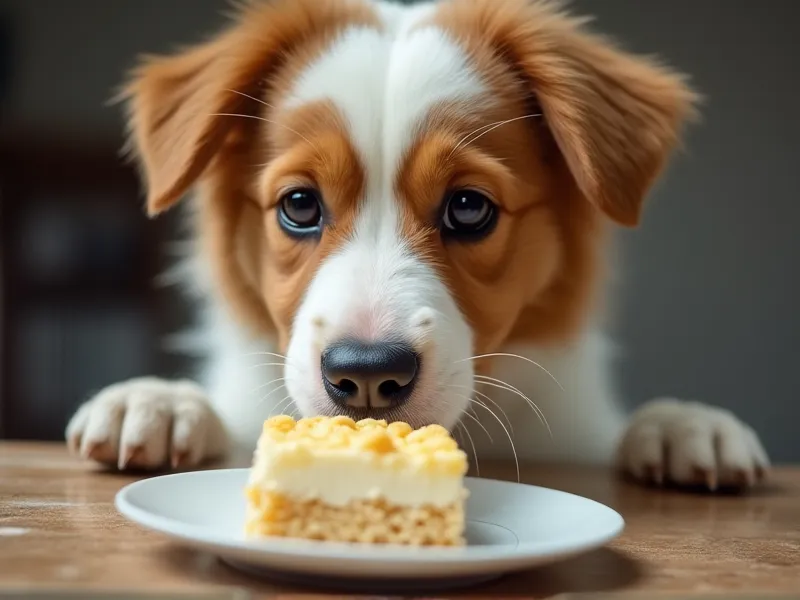
Table of Contents
- Can Dogs Eat Cake With Icing? The Short Answer
- The Risks of Cake & Icing for Dogs: Why It’s Better to Skip
- Sugar: A Hidden Health Hazard
- Xylitol: The Deadly Sweetener in “Sugar-Free” Icing
- Chocolate, Nuts, and Other Toxic Add-Ins
- Stomach Upset and Pancreatitis
- Choking Hazards: Sprinkles, Decorations, and Hard Edges
- Are There Any Benefits? The (Very Limited) Upside
- If You Must Share: How Much Cake Is “Safe” for Dogs?
- Healthy Alternatives: Dog-Friendly “Cake” Recipes & Treats
- FAQ: Common Questions About Dogs and Cake
- Conclusion: Celebrate Safely with Your Pup
Can Dogs Eat Cake With Icing? The Short Answer
No, dogs should not eat cake with icing—especially the icing. While a tiny crumb of plain cake (without frosting, chocolate, or harmful additives) is unlikely to harm most dogs, the risks far outweigh any potential “joy” of sharing. Icing, in particular, is packed with sugar, unhealthy fats, and often hidden toxins like xylitol (a sugar substitute) that can be fatal to dogs.
In short: Save the cake for humans, and opt for dog-safe treats instead. Your pup’s belly (and long-term health) will thank you.
The Risks of Cake & Icing for Dogs: Why It’s Better to Skip
Let’s break down the biggest dangers of cake and icing for dogs. Even “simple” vanilla cake with buttercream can pose serious risks—here’s why:
1. Sugar: A Hidden Health Hazard
Icing is loaded with sugar—think powdered sugar, granulated sugar, or corn syrup. A single slice of frosted cake can contain 20+ grams of sugar, and dogs have no biological need for added sugars.
Why this matters:
- Obesity: Excess sugar turns to fat, leading to obesity, which increases the risk of diabetes, joint pain, and heart disease.
- Dental issues: Sugar feeds harmful bacteria in your dog’s mouth, causing cavities, gum disease, and bad breath.
- Energy spikes and crashes: Dogs process sugar differently than humans. A sugar rush can lead to hyperactivity, followed by lethargy or even anxiety.
2. Xylitol: The Deadly Sweetener in “Sugar-Free” Icing
Xylitol is a sugar substitute found in “low-sugar” or “sugar-free” icings, gums, and baked goods. It’s safe for humans but extremely toxic to dogs—even in small amounts.
How it harms dogs:
Xylitol triggers a rapid release of insulin in dogs, causing blood sugar to plummet (hypoglycemia). Symptoms include vomiting, loss of coordination, seizures, and even liver failure. Just 0.1 grams of xylitol per pound of a dog’s body weight can cause severe hypoglycemia, and as little as 0.5 grams per pound can lead to liver damage.
Pro tip: Always check labels! Xylitol is often hidden in “sugar-free” frostings, so even if the cake itself is “plain,” the icing could be deadly.
3. Chocolate, Nuts, and Other Toxic Add-Ins
Many cakes include ingredients that are toxic to dogs, even without icing. For example:
- Chocolate: Contains theobromine, which dogs can’t metabolize. Dark chocolate and baking chocolate are the most dangerous, but even milk chocolate can cause vomiting, diarrhea, or seizures in large amounts.
- Nuts: Macadamia nuts are toxic (causing weakness, vomiting, and hyperthermia), while walnuts and pecans can lead to intestinal blockages or pancreatitis.
- Raisins/currants: Found in carrot cake or fruitcakes, these can cause kidney failure in dogs.
- Alcohol: Some recipes (like rum cake) include alcohol, which is poisonous to dogs (even small sips can cause vomiting, coma, or death).
4. Stomach Upset and Pancreatitis
Cake and icing are high in fat and sugar—both of which can irritate your dog’s digestive system. Rich foods like buttercream icing can trigger:
- Gastroenteritis: Vomiting, diarrhea, or abdominal pain.
- Pancreatitis: A life-threatening condition where the pancreas becomes inflamed. Symptoms include severe vomiting, lethargy, and loss of appetite. Pancreatitis often requires hospitalization and can be fatal if untreated.
Dogs with sensitive stomachs, obesity, or a history of pancreatitis are especially at risk.
5. Choking Hazards: Sprinkles, Decorations, and Hard Edges
Icing isn’t just toxic—it can also be a physical hazard. Hard sprinkles, candy decorations, or even the crusty edges of a cake can pose choking risks, especially for small dogs or pups who gulp their food.
Are There Any Benefits? The (Very Limited) Upside
You might be thinking: “But my dog loves cake! Isn’t there any benefit?” The truth is, there are no nutritional benefits to feeding your dog cake or icing.
Some cakes contain small amounts of “healthy” ingredients like carrots, bananas, or apples (e.g., carrot cake). These ingredients can offer fiber, vitamins, or potassium—but they’re diluted by sugar, flour, and fat. You’d be better off feeding your dog a fresh carrot stick or banana slice (without the cake!) to get those nutrients safely.
In short: The “benefit” of sharing cake is emotional (for you and your pup), but the risks to their health are very real.
If You Must Share: How Much Cake Is “Safe” for Dogs?
We get it—sometimes you’re at a party, and your dog gives you that look. If you absolutely can’t resist sharing a tiny bite, follow these rules:
- Skip the icing entirely. Icing is the most dangerous part (sugar, xylitol, fat).
- Choose plain, unflavored cake. Avoid chocolate, nuts, raisins, or other toxic add-ins. Vanilla or yellow cake (without frosting) is the “safest” option, but still not ideal.
- Stick to a tiny portion. A bite the size of your thumbnail is enough for most dogs. For small breeds (under 20 lbs), even less.
- Monitor for symptoms. Watch for vomiting, diarrhea, or lethargy for 24 hours after sharing. If you notice anything off, contact your vet.
But remember: The safest choice is to not share cake at all.
Healthy Alternatives: Dog-Friendly “Cake” Recipes & Treats
Instead of risking your dog’s health with human cake, try these dog-approved alternatives. They’re easy to make, delicious, and safe for your pup to enjoy on special occasions:
1. Pumpkin Peanut Butter “Cake”
Ingredients:
- 1 cup pumpkin puree (unsweetened, no spices)
- 1/4 cup natural peanut butter (xylitol-free!)
- 1 egg
- 1 cup oat flour (or ground oats)
Instructions:
Mix all ingredients, pour into a greased ramekin, and bake at 350°F (175°C) for 20–25 minutes. Let cool, then top with a dollop of plain Greek yogurt (unsweetened) or a few blueberries.
2. Banana Oat “Cupcakes”
Ingredients:
- 1 ripe banana, mashed
- 1/4 cup unsweetened applesauce
- 1 egg
- 1 cup oat flour
Instructions:
Mix ingredients, spoon into muffin tins, and bake at 350°F (175°C) for 15–18 minutes. Frost with a thin layer of mashed banana or pumpkin puree.
3. Store-Bought Dog Treats
If baking isn’t your thing, opt for high-quality dog treats made with safe ingredients (e.g., carrots, sweet potatoes, or peanut butter). Brands like Zuke’s, Blue Buffalo, or Wellness offer “birthday” themed treats that are designed for dogs.
FAQ: Common Questions About Dogs and Cake
Q: My dog ate a piece of cake with icing—what should I do?
A: Stay calm, but act quickly. Check the cake for xylitol, chocolate, raisins, or nuts (these are the most dangerous). If any of these are present, call your vet or an emergency animal hospital immediately—even small amounts can be fatal. If the cake was plain vanilla with buttercream (no toxins), monitor your dog for 24 hours for vomiting, diarrhea, or lethargy. Contact your vet if symptoms develop.
Q: Is vanilla cake (without icing) safe for dogs?
A: A tiny crumb (without toxic ingredients) is unlikely to harm most dogs, but it’s still not recommended. Vanilla cake contains sugar, flour, and fat—none of which are good for dogs.
Q: Can dogs have cream cheese icing?
A: No. Cream cheese icing is high in fat and sugar, which can cause stomach upset or pancreatitis. Some cream cheese icings also contain xylitol, which is toxic.
Q: What if my dog has diabetes—can they have cake?
A: Absolutely not. Dogs with diabetes cannot process sugar, and even a small amount of cake could cause a dangerous blood sugar spike.
Conclusion: Celebrate Safely with Your Pup
Sharing life’s moments with your dog is one of the best parts of pet parenthood—but when it comes to cake with icing, it’s better to say no. The sugar, fat, and hidden toxins in icing pose serious risks, and there’s no nutritional benefit to justify the danger.
Instead, opt for dog-friendly treats or “cakes” made with safe ingredients like pumpkin, peanut butter, or banana. Your pup will love the special attention, and you’ll have peace of mind knowing you’re keeping them healthy.
As always, if you’re unsure about a food, consult your vet. They can offer personalized advice based on your dog’s age, breed, and health status.
Here’s to many happy, healthy celebrations with your favorite furry friend! 🎉🐾
References
- American Society for the Prevention of Cruelty to Animals (ASPCA). “Xylitol Toxicity in Dogs.” aspca.org
- American Kennel Club (AKC). “Can Dogs Eat Cake?” akc.org
- Pet Poison Helpline. “Xylitol Poisoning in Dogs.” petpoisonhelpline.com
- Cummings School of Veterinary Medicine at Tufts University. “Pancreatitis in Dogs.” tuftscvm.org