· 9 min read
Can Dogs Eat Cake? The Sweet Truth Every Pet Parent Needs to Know
It’s your dog’s birthday, and there’s a cake on the table—fluffy, frosted, and smelling like vanilla. Your pup’s tail is thumping a mile a minute, those big, soulful eyes locked on the dessert. You pause, fork hovering: Can dogs eat cake? Is that tiny piece really going to hurt them, or is it just a harmless treat?
If you’ve ever found yourself in this scenario, you’re not alone. Cake is a staple of celebrations, and our dogs are often right there, eager to join in the fun. But before you share a bite, it’s crucial to separate fact from fiction. In this guide, we’ll break down whether cake is safe for dogs, the risks to watch for, and healthier alternatives to make your pup’s next celebration both joyful and nutritious.
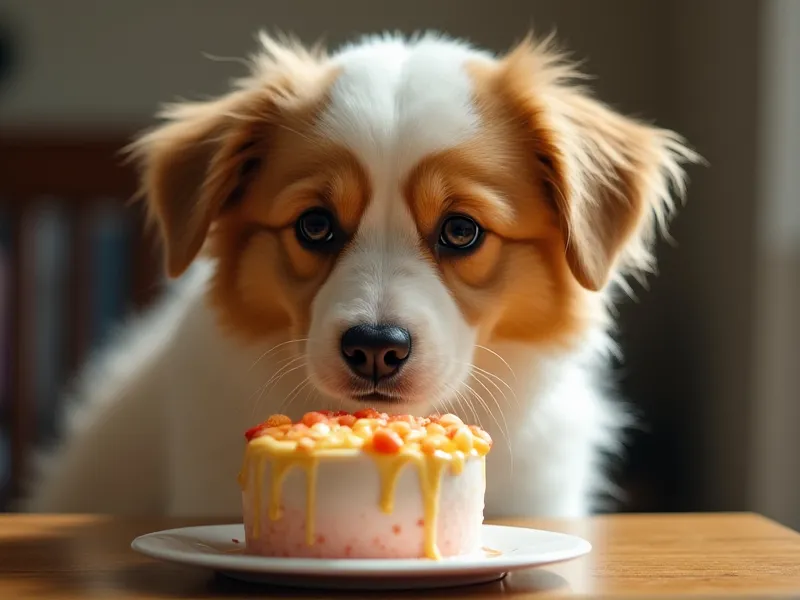
Table of Contents
- Can Dogs Eat Cake? The Short Answer
- Potential “Benefits”: Are There Any Nutrients in Cake for Dogs?
- The Risks: Why Most Cakes Are a Bad Idea
- Sugar: Empty Calories and Long-Term Harm
- Toxic Ingredients: Chocolate, Xylitol, and More
- Rich Foods: Pancreatitis and Stomach Upset
- Choking Hazards: Decorations and Large Chunks
- How Much Cake Is “Safe” for Dogs? (If Any)
- Healthier Alternatives: Dog-Friendly “Cake” Recipes
- FAQ: Your Cake Questions Answered
- Conclusion: Celebrate Safely with Your Pup
- References
Can Dogs Eat Cake? The Short Answer
Here’s the bottom line: Most human cakes are not safe for dogs, and even “safe” cakes are not healthy.
Plain, unfrosted cake (think: a slice of vanilla sponge with no add-ons) might not be toxic in tiny amounts, but it’s packed with sugar, refined carbs, and often other ingredients that can harm your dog. From chocolate frosting to raisins in fruit cake, many common cake components are straight-up dangerous.
That said, “not toxic” doesn’t mean “good.” Cake offers zero nutritional value for dogs and can lead to short-term (stomach upset) and long-term (obesity, diabetes) issues. So while a tiny bite of plain cake might not send your dog to the vet, it’s far from an ideal treat.
Potential “Benefits”: Are There Any Nutrients in Cake for Dogs?
Let’s get real: Cake is a dessert, not a health food—for humans or dogs. But some cake recipes include ingredients that could offer minimal nutrients, depending on how they’re made. For example:
- Fiber: If the cake includes grated carrots, apples, or oats (common in “healthier” human cakes), these add fiber, which supports digestion.
- Potassium: Bananas or sweet potatoes (sometimes used in moist cakes) are rich in potassium, an electrolyte that helps with muscle and nerve function.
- Vitamins: Carrots add vitamin A (good for vision), while apples provide vitamin C (supports immune health).
But here’s the catch: These nutrients are far better served to your dog in their whole, unprocessed form (e.g., a raw carrot stick or a slice of banana) than in a cake. Why? Because cake dilutes these benefits with sugar, butter, and other unhealthy additives. A slice of carrot cake, for example, has more sugar and fat than actual carrots—making the “benefits” negligible at best.
The Risks: Why Most Cakes Are a Bad Idea
Now, let’s dive into the real concern: the risks. Even “simple” cakes can hide dangers, so it’s critical to know what to avoid.
1. Sugar: Empty Calories and Long-Term Harm
Sugar is the #1 culprit in most cakes, and dogs have no biological need for it. Here’s why it’s problematic:
- Obesity: Extra sugar = extra calories, and excess weight puts dogs at risk for joint pain, heart disease, and diabetes.
- Diabetes: Just like humans, dogs can develop diabetes from a diet high in sugar. Once diagnosed, diabetes requires lifelong management (insulin shots, special food).
- Dental Issues: Sugar feeds harmful bacteria in your dog’s mouth, leading to cavities, gum disease, and bad breath.
Even “natural” sugars (like honey or maple syrup) are still sugar—they spike blood sugar and offer no nutritional benefit.
2. Toxic Ingredients: Chocolate, Xylitol, and More
Many cakes contain ingredients that are directly toxic to dogs, even in small amounts. These include:
- Chocolate: Theobromine, a compound in chocolate, is toxic to dogs (they can’t metabolize it). Dark chocolate and baking chocolate are the most dangerous, but even milk chocolate can cause vomiting, seizures, or death in small dogs.
- Xylitol: This artificial sweetener is lethal to dogs. It’s often in “sugar-free” cakes, frostings, or gum. Xylitol triggers a massive insulin release, leading to hypoglycemia (low blood sugar), liver failure, or death.
- Raisins/Grapes: Found in fruit cakes or carrot cakes, raisins and grapes can cause sudden kidney failure in dogs—even a few can be dangerous.
- Macadamia Nuts: A common addition to cakes or frostings, macadamia nuts cause weakness, vomiting, hyperthermia, and tremors in dogs.
If your cake contains any of these, keep it far away from your pup.
3. Rich Foods: Pancreatitis and Stomach Upset
Cake is loaded with butter, oil, cream, or frosting—all high in fat. Dogs’ digestive systems aren’t built to handle large amounts of fat, which can lead to:
- Pancreatitis: This painful condition occurs when the pancreas becomes inflamed (often from a high-fat meal). Symptoms include vomiting, diarrhea, lethargy, and loss of appetite. Severe cases require hospitalization.
- Gastrointestinal upset: Even small amounts of rich food can cause diarrhea, bloating, or gas. Puppies, senior dogs, or dogs with sensitive stomachs are especially prone.
4. Choking Hazards: Decorations and Large Chunks
Cake decorations are another hidden risk. Hard sprinkles, candy pieces, or nuts can get stuck in your dog’s throat, causing choking. Even large chunks of cake can pose a risk, especially for small breeds or dogs who gulp their food.
How Much Cake Is “Safe” for Dogs? (If Any)
Let’s say you’re at a party, and your dog manages to sneak a tiny crumb of plain vanilla cake (no frosting, no additives). Will they be okay? Probably. But “okay” doesn’t mean “recommended.”
If you must share (we get it—those puppy eyes are hard to resist), follow these rules:
- Size matters: A Chihuahua can only handle a pea-sized bite. A Great Dane might tolerate a teaspoon (but even that’s pushing it).
- No toxic ingredients: Check for chocolate, xylitol, raisins, nuts, or alcohol (yes, some cakes have rum or liqueur!). If any are present, say no.
- Frosting is a no-go: Frosting is higher in sugar, fat, and often contains toxic ingredients (like chocolate or xylitol). Skip it entirely.
- Once in a blue moon: This should be a rare treat—think: once a year, not once a week.
But here’s the better question: Why risk it? There are so many dog-safe treats that are just as tasty (to them!) and way healthier.
Healthier Alternatives: Dog-Friendly “Cake” Recipes
Instead of sharing your cake, celebrate with a dog-specific “cake” made from whole, safe ingredients. These recipes are easy to whip up and will make your pup feel special without the risks.
Recipe 1: Peanut Butter Banana Pup Cake
Ingredients (serves 1 large dog or 2 small dogs):
- 1 ripe banana, mashed
- 2 tbsp natural peanut butter (no xylitol!)
- 1 egg
- ¼ cup oats (blended into flour, or use oat flour)
- 1 tbsp honey (optional, for sweetness)
- 1 tsp baking powder (aluminum-free, to avoid stomach upset)
Instructions:
- Preheat oven to 350°F (175°C). Grease a small ramekin or silicone cake mold.
- Mix banana, peanut butter, and egg in a bowl until smooth.
- Stir in oat flour, honey (if using), and baking powder.
- Pour batter into the mold and bake for 15–20 minutes, until a toothpick comes out clean.
- Let cool, then frost with plain Greek yogurt (a dollop!) or a smear of extra peanut butter.
Recipe 2: Carrot Apple “Cake” Bites
Ingredients (makes 8–10 bite-sized pieces):
- ½ cup grated carrot
- ½ cup grated apple (no seeds!)
- ¼ cup pumpkin puree (no sugar or spices)
- ¼ cup whole wheat flour (or oat flour)
- 1 egg
- 1 tsp cinnamon (safe in small amounts and adds flavor!)
Instructions:
- Preheat oven to 350°F (175°C). Line a baking sheet with parchment paper.
- Mix all ingredients in a bowl until combined.
- Scoop tablespoon-sized balls onto the baking sheet and flatten slightly.
- Bake for 12–15 minutes, until firm.
- Let cool, then serve as “cake bites”!
These recipes use ingredients dogs love (peanut butter! banana!) and skip the sugar, fat, and toxins. Your pup won’t know the difference—and you’ll feel good about treating them.
FAQ: Your Cake Questions Answered
Q: Can dogs eat vanilla cake?
A: Plain vanilla cake (no frosting, no add-ons) is not toxic in tiny amounts, but it’s still high in sugar and empty calories. A pea-sized bite for small dogs or a teaspoon for large dogs might not cause harm, but it’s better to choose a dog-safe alternative.
Q: My dog ate a whole slice of cake! What should I do?
A: Stay calm, but act fast. First, check the ingredients: Did it have chocolate, xylitol, raisins, or nuts? If yes, call your vet or the Pet Poison Helpline (855-764-7661) immediately—these can be life-threatening.
If the cake was plain (no toxins), monitor your dog for 24 hours. Watch for vomiting, diarrhea, lethargy, or loss of appetite. If symptoms appear, contact your vet—they may recommend treatment for stomach upset or pancreatitis.
Q: Is “dog cake” from the pet store safe?
A: It depends on the brand. Some pet store “cakes” are made with dog-safe ingredients, but others may still have added sugar or preservatives. Always read the label: Look for whole foods (pumpkin, peanut butter) and avoid artificial sweeteners, chocolate, or excessive sugar. When in doubt, make your own!
Q: Can dogs eat red velvet cake?
A: No. Red velvet cake often contains chocolate (in the frosting or cake) and artificial food coloring (which offers no benefit and may cause stomach upset). Skip it.
Conclusion: Celebrate Safely with Your Pup
At the end of the day, cake is a human treat—not a doggy one. While a tiny bite of plain cake might not harm your pup, it’s not worth the risk of stomach upset, obesity, or worse. Instead, opt for dog-friendly alternatives made with whole, nutritious ingredients—your pup will love the attention, and you’ll love knowing they’re safe.
Remember: The best part of any celebration is sharing it with your dog, not sharing your dessert. Whether it’s a homemade peanut butter banana cake or a simple game of fetch, your pup will be just as happy (if not more!) with your time and love.
When in doubt about a food’s safety, always consult your vet. They know your dog’s health history and can give personalized advice. Here’s to many happy, healthy celebrations with your favorite furry friend!
References
- American Kennel Club (AKC). (2023). Toxic Foods for Dogs. [akc.org/expert-advice/health/toxic-foods-for-dogs/]
- Pet Poison Helpline. (2023). Xylitol Toxicity in Dogs. [petpoisonhelpline.com/poison/xylitol/]
- ASPCA Animal Poison Control Center. (2023). Chocolate Toxicity. [aspca.org/pet-care/animal-poison-control/chocolate-poisoning-dogs]
- VCA Hospitals. (2023). Pancreatitis in Dogs. [vcahospitals.com/know-your-pet/pancreatitis-in-dogs]
- Cummings School of Veterinary Medicine at Tufts University. (2021). Nutrition for Dogs: What’s Best? [tuftscvm.org/research/centers/obesity-nutrition/faq/nutrition-for-dogs-whats-best]