· 8 min read
Can Dogs Eat Cooked Cactus? A Pet Parent’s Guide to Safety, Benefits, and Risks
Picture this: You’re sautéing nopales (cactus paddles) for a southwestern-inspired dinner, the kitchen filling with a fresh, earthy aroma. Out of the corner of your eye, you spot your dog, Max, tail wagging, nose twitching, and those big, pleading eyes locked on your pan. “Can I share a bite?” his look seems to say. If you’ve ever wondered whether cooked cactus is safe for dogs, you’re not alone. With cactus growing in popularity as a human superfood—touted for its fiber and nutrients—it’s natural to wonder if our furry friends can join in on the trend. Let’s dive into the details to keep your pup happy and healthy.
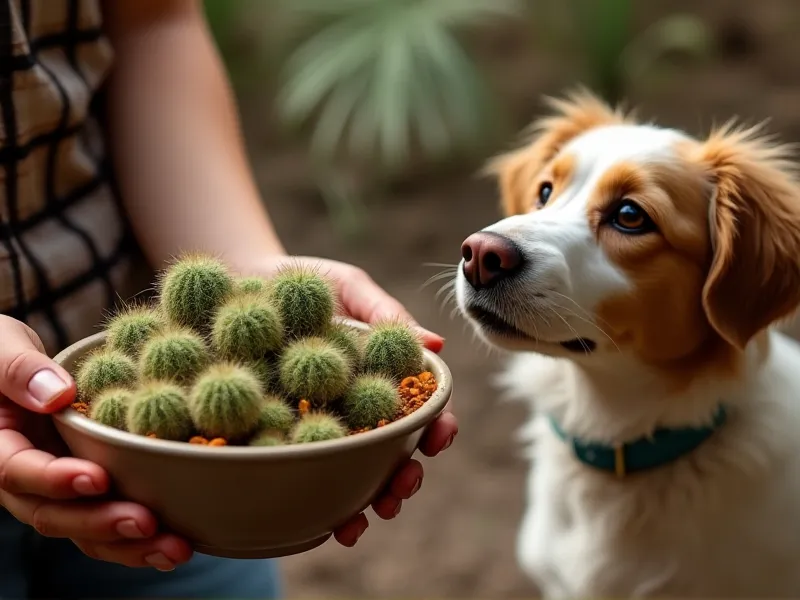
Table of Contents
- Can Dogs Eat Cooked Cactus? The Short Answer
- What Kind of Cactus Are We Talking About?
- Potential Benefits of Cooked Cactus for Dogs
- Risks to Watch Out For
- How Much Cooked Cactus Is Safe? Guidelines for Pet Parents
- Healthier Alternatives to Cooked Cactus
- FAQ: Your Top Cactus-and-Dog Questions Answered
- Conclusion: Moderation and Common Sense
Can Dogs Eat Cooked Cactus? The Short Answer
Yes… but with major caveats. Not all cacti are created equal, and even “safe” varieties come with risks. The key is to focus on non-toxic, edible cactus varieties (like the prickly pear cactus, Opuntia ficus-indica), cook them thoroughly, remove all spines, and serve only small, occasional amounts as a treat.
Cooked cactus isn’t a staple for dogs, but when prepared correctly, it can offer some nutritional perks. However, it’s never a replacement for a balanced dog food diet. Let’s break down the specifics.
What Kind of Cactus Are We Talking About?
First, let’s clarify: Most cacti and succulents are NOT safe for dogs. Many popular houseplants, like aloe vera, jade plants, or Easter cactus, are toxic and can cause vomiting, diarrhea, or even organ damage if ingested (ASPCA, 2023).
The only cactus we’ll discuss here is the prickly pear cactus (Opuntia genus), also known as “nopales” (the paddles) or “tuna” (the fruit). According to the ASPCA, Opuntia is non-toxic to dogs and cats, making it the only cactus variety worth considering for occasional treats.
Even with nopales, though, preparation is critical. Raw cactus is covered in tiny, barbed spines (glochids) that can irritate your dog’s mouth, throat, or digestive tract—so cooking (and thorough cleaning) is non-negotiable.
Potential Benefits of Cooked Cactus for Dogs
When prepared safely, cooked nopales offer a few nutrients that might complement your dog’s diet (though they’re not a must-have). Here’s what you need to know:
1. Fiber: A Boost for Digestion
Cactus paddles are rich in soluble and insoluble fiber, which helps regulate digestion. Soluble fiber slows nutrient absorption (keeping blood sugar stable), while insoluble fiber adds bulk to stool, supporting regular bowel movements. For dogs prone to constipation, a tiny amount of cooked cactus might help—though always check with your vet first.
2. Vitamins and Minerals
Nopales are packed with vitamins A, C, and K, plus minerals like potassium and magnesium:
- Vitamin A: Supports eye health and immune function.
- Vitamin C: An antioxidant that aids collagen production and fights inflammation.
- Potassium: Important for heart health, muscle function, and electrolyte balance.
3. Low in Calories and Fat
Cooked cactus is low in calories (about 22 calories per 100g) and fat-free, making it a lighter treat option compared to high-calorie snacks like cheese or bacon. This can be helpful for dogs on weight management plans—again, in moderation.
Risks to Watch Out For
While nopales are non-toxic, they’re not risk-free. Here’s what to avoid:
1. Added Sugars or Seasonings
Most human recipes for cooked cactus include added ingredients like salt, garlic, onions, or sugar (e.g., cactus jam, sweetened nopales, or dishes with chili powder). Salt and spices can harm dogs (excess salt leads to dehydration; garlic/onions cause anemia), and sugar contributes to obesity, diabetes, and dental issues. Always serve cactus plain—no extras!
2. Stomach Upset from Too Much Fiber
While fiber is good, too much can backfire. Dogs’ digestive systems are sensitive to sudden changes in fiber intake. A large serving of cooked cactus might cause bloating, gas, diarrhea, or stomach cramps. Start with tiny portions to test tolerance.
3. Choking Hazards: Spines and Seeds
Even after cooking, spines (glochids) can linger if not removed properly. These tiny barbs can get stuck in your dog’s gums, throat, or intestines, causing pain or infection.
Prickly pear fruit (tuna) also contains small, hard seeds. While not toxic, seeds can pose a choking risk or cause intestinal blockages, especially in small dogs. Stick to the paddles (nopales) and avoid the fruit unless you’ve removed every seed.
4. Confusion with Toxic Cacti
Mistaking a toxic cactus for nopales is dangerous. For example, the “Easter cactus” (Schlumbergera) or “Christmas cactus” isn’t a true cactus and is non-toxic, but other succulents like Kalanchoe or Euphorbia (milkweed cactus) are poisonous. Always confirm the species before feeding!
How Much Cooked Cactus Is Safe? Guidelines for Pet Parents
If you want to share cooked cactus with your dog, follow these rules:
1. Start Small and Occasional
Cactus should be an occasional treat, not a regular part of meals. A good rule of thumb:
- Small dogs (under 20 lbs): 1–2 tablespoons, cooked and plain.
- Medium dogs (20–50 lbs): 2–3 tablespoons.
- Large dogs (50+ lbs): 3–4 tablespoons.
Serve once every 1–2 weeks at most.
2. Cook Thoroughly and Remove Spines
- Clean first: Use a vegetable brush to scrub nopales under running water, then peel off any visible spines with a knife or vegetable peeler. Some people singe spines with a flame first—just be careful!
- Cook simply: Boil, steam, or grill nopales until soft (no oil, salt, or spices). Avoid frying, as added fats are unhealthy.
3. Monitor for Reactions
After serving, watch for signs of discomfort: vomiting, diarrhea, lethargy, or pawing at the mouth. If you notice any, stop feeding cactus and contact your vet.
Healthier Alternatives to Cooked Cactus
Let’s be real: Cooked cactus is a niche treat. If you’re looking for safer, more accessible snacks with similar benefits, try these dog-friendly options instead:
1. Pumpkin (Plain, Canned)
Pumpkin is a fiber superstar, packed with vitamins A and C, and it’s gentle on digestion. Serve 1–2 tablespoons (canned, no sugar or spices) for a calming, nutrient-rich treat.
2. Green Beans
Low-calorie, high-fiber, and crunchy—green beans are a favorite for dogs. Steam or boil them (no salt) for a satisfying snack that supports dental health.
3. Carrots
Crunchy carrots are rich in vitamin A and fiber, and they help clean teeth. Raw or cooked, they’re a safe, affordable alternative to cactus.
4. Sweet Potatoes
Baked sweet potato (no butter or sugar) is loaded with beta-carotene (vitamin A), fiber, and potassium—similar to cactus but with fewer risks.
FAQ: Your Top Cactus-and-Dog Questions Answered
Q: Can dogs eat raw cactus?
A: No. Raw cactus has spines, tough fibers, and can cause mouth irritation or digestive upset. Always cook and clean nopales thoroughly first.
Q: My dog ate a cactus with spines—what should I do?
A: Check their mouth for visible spines (use tweezers to remove if safe). If they’re pawing at their mouth, drooling excessively, or refusing to eat, contact your vet immediately—spines can lodge in the throat or intestines.
Q: Is prickly pear fruit (tuna) safe for dogs?
A: Maybe, but proceed with extreme caution. The fruit’s flesh is non-toxic, but the seeds are a choking hazard. If you want to try it, remove all seeds, cook the flesh, and serve a tiny amount (1 teaspoon for small dogs).
Q: Are all cacti toxic to dogs?
A: No—only some. Opuntia (prickly pear/nopales) is non-toxic, but avoid succulents like aloe vera, jade plant, or Euphorbia (milkweed cactus), which are poisonous (ASPCA, 2023).
Q: Can cooked cactus help my dog lose weight?
A: It’s low-calorie, but there are better options. Stick to green beans, pumpkin, or carrots for weight management—they’re safer and more proven.
Conclusion: Moderation and Common Sense
Cooked cactus (specifically nopales, Opuntia) can be a safe, occasional treat for dogs when prepared properly—no spines, no added ingredients, and in small amounts. It offers fiber, vitamins, and minerals, but it’s not a replacement for a balanced dog food diet.
That said, there are plenty of safer, more accessible alternatives (like pumpkin or green beans) that provide similar benefits without the risk of spines, stomach upset, or confusion with toxic plants. When in doubt, consult your vet before introducing new foods to your dog’s diet—they’ll help you decide what’s best for your pup’s unique needs.
At the end of the day, Max might beg for that cactus bite, but a carrot stick or a spoonful of pumpkin will make him just as happy—with fewer worries for you. Here’s to keeping our furry friends healthy, one treat at a time!
References
- American Society for the Prevention of Cruelty to Animals (ASPCA). (2023). Toxic and Non-Toxic Plants. https://www.aspca.org/pet-care/animal-poison-control/toxic-and-non-toxic-plants
- PetMD. (2022). Can Dogs Eat Prickly Pear? https://www.petmd.com/dog/nutrition/can-dogs-eat-prickly-pear
- USDA FoodData Central. (2023). Opuntia (Cactus) Pads, Cooked. https://fdc.nal.usda.gov/fdc-app.html#/food-details/174496/nutrients
- VCA Hospitals. (2023). Dietary Fiber for Dogs. https://vcahospitals.com/know-your-pet/dietary-fiber-for-dogs