· 8 min read
Can Dogs Eat Cooked Cabbage? Benefits, Risks, and Safe Feeding Guidelines
It’s a quiet weeknight, and you’re whipping up a cozy dinner—maybe a roasted vegetable medley or a hearty stir-fry. As you toss a handful of chopped cabbage into the pan, you glance down to find your dog, tail wagging, nose twitching at the savory aroma. “Can I have a bite?” their hopeful eyes seem to ask. If you’ve ever paused mid-snack share to wonder, Is cooked cabbage safe for my dog?, you’re not alone.
Human foods often spark curiosity for pet parents, and cabbage—with its crisp texture and reputation as a nutrient-packed superfood— is no exception. But while it’s tempting to share, it’s crucial to separate fact from fiction when it comes to what’s truly safe for our furry friends. In this guide, we’ll break down everything you need to know about feeding cooked cabbage to dogs: the benefits, the risks, how much to serve, and even healthier alternatives. Let’s dive in!
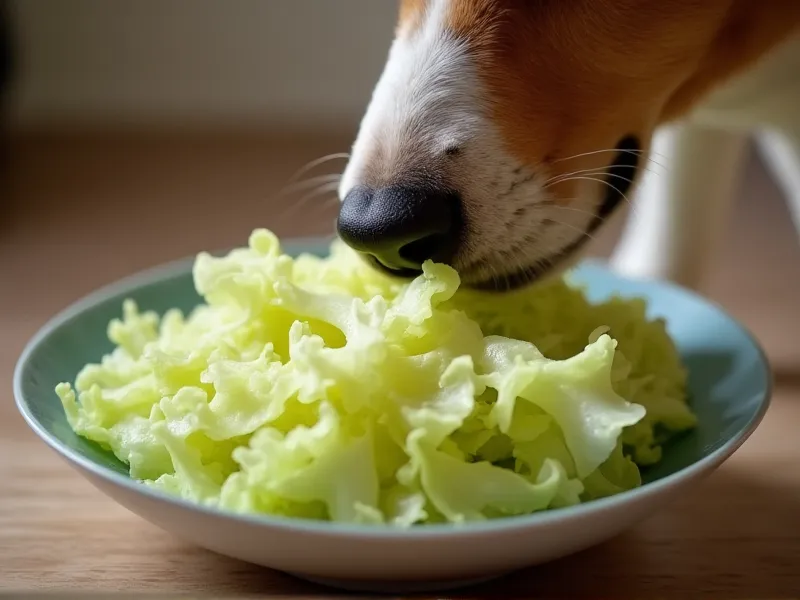
Table of Contents
- Is Cooked Cabbage Safe for Dogs? The Short Answer
- The Nutritional Benefits of Cooked Cabbage for Dogs
- Potential Risks of Feeding Cooked Cabbage to Dogs
- How Much Cooked Cabbage Can Dogs Eat? Guidelines by Size
- Healthier Alternatives to Cabbage for Dogs
- FAQ: Common Questions About Dogs and Cabbage
- Conclusion: Moderation is Key
Is Cooked Cabbage Safe for Dogs? The Short Answer
Yes, cooked cabbage can be safe for dogs—but only in moderation. Unlike some human foods (like onions or chocolate), cabbage isn’t toxic to dogs. In fact, when prepared correctly (plain, cooked, and chopped), it can even offer some nutritional perks. However, there are caveats: too much cabbage can cause digestive upset, and certain preparation methods (like adding salt, butter, or seasonings) can turn this healthy veggie into a hazard.
The key takeaway? Cooked cabbage is a sometimes treat, not a staple. Let’s explore why.
The Nutritional Benefits of Cooked Cabbage for Dogs
Cabbage is more than just a low-calorie veggie—it’s a nutritional powerhouse, and many of its benefits translate to dogs, too. Here’s why this leafy green might deserve a spot in your pup’s occasional snack rotation:
1. Rich in Vitamins and Antioxidants
Cabbage is loaded with vitamins that support your dog’s overall health:
- Vitamin C: While dogs produce their own vitamin C, extra amounts (from food) can boost their immune system, especially for senior dogs or those under stress.
- Vitamin K: Critical for blood clotting and bone health, vitamin K helps keep your dog’s joints and circulatory system in top shape.
- Vitamin B6: Supports brain function, hormone regulation, and red blood cell production.
- Antioxidants: Compounds like anthocyanins (in red cabbage) and lutein fight free radicals, reducing inflammation and supporting long-term health.
2. Fiber for Digestive Health
Cabbage is high in dietary fiber, which helps keep your dog’s gut moving smoothly. A little fiber can缓解便秘, support healthy gut bacteria, and even help dogs feel full (great for weight management!). Unlike raw cabbage, cooked cabbage has slightly softened fiber, making it easier for dogs to digest—lessening the risk of stomach upset.
3. Potassium for Heart and Muscle Function
Potassium is an electrolyte that helps regulate your dog’s heart rate, muscle contractions, and fluid balance. Cabbage contains a moderate amount of this mineral, which works alongside other nutrients (like sodium) to keep their heart and muscles functioning properly.
4. Low in Calories, High in Volume
At just 25 calories per cup (cooked), cabbage is a guilt-free treat for dogs watching their weight. It’s high in water content, too, so it adds volume to their diet without packing on pounds—perfect for pups who love to snack!
Potential Risks of Feeding Cooked Cabbage to Dogs
While cooked cabbage has benefits, it’s not without risks. Here’s what to watch out for:
1. Gas and Digestive Upset
Cabbage contains raffinose, a complex sugar that dogs (and humans!) can’t fully digest. When raffinose reaches the large intestine, gut bacteria ferment it, producing gas. For dogs, this can lead to:
- Bloating
- Flatulence (stinky, but usually harmless)
- Diarrhea or loose stools (if fed in excess)
- Abdominal discomfort
Small dogs or those with sensitive stomachs are especially prone to these issues.
2. Choking Hazard (If Not Chopped)
Cabbage leaves, especially raw or large pieces, can be a choking risk—especially for small breeds. Cooked cabbage is softer, but whole leaves or big chunks can still get stuck in your dog’s throat. Always chop cooked cabbage into tiny, bite-sized pieces before serving.
3. Goitrogens: A Note on Thyroid Health
Cabbage belongs to the brassica family (along with broccoli, kale, and Brussels sprouts), which contains goitrogens—substances that may interfere with thyroid function in large amounts. Goitrogens can suppress the thyroid’s ability to produce hormones, leading to hypothyroidism over time.
However, cooking significantly reduces goitrogen levels, and the risk is minimal when cabbage is fed occasionally and in small portions. Dogs with pre-existing thyroid conditions (e.g., hypothyroidism) should avoid cabbage altogether, as it may worsen symptoms.
4. Pesticides and Additives
If you’re not using organic cabbage, it may contain pesticides. Always wash cabbage thoroughly before cooking to reduce residue. Additionally, never feed cabbage cooked with salt, butter, garlic, onions, or spices—these additives can be toxic (garlic/onions) or harmful (excess salt causes dehydration).
How Much Cooked Cabbage Can Dogs Eat? Guidelines by Size
The golden rule for feeding cabbage (or any human food) to dogs is moderation. Cabbage should never replace your dog’s balanced, commercial diet—it’s an occasional treat, not a meal. Here’s a general guide based on your dog’s size:
| Dog Size | Weight Range | Safe Portion of Cooked Cabbage (Per Week) |
|---|---|---|
| Small | Under 20 lbs | 1–2 tablespoons (chopped) |
| Medium | 20–50 lbs | 2–3 tablespoons (chopped) |
| Large | 50+ lbs | 3–4 tablespoons (chopped) |
Pro Tips for Safe Feeding:
- Cook it plain: Steam, boil, or roast cabbage without salt, oil, or seasonings. Avoid adding sauces (like soy or vinegar) or butter.
- Chop it fine: Shred or dice cooked cabbage into small pieces to prevent choking and make digestion easier.
- Introduce slowly: Start with a tiny portion (1 teaspoon for small dogs) and monitor for 24 hours. If they show no signs of gas or diarrhea, you can gradually increase (within the guidelines above).
- Avoid daily feeding: Even small portions can add up. Stick to 1–2 times per week at most.
Healthier Alternatives to Cabbage for Dogs
If your dog struggles with gas or you’re looking for veggies with fewer risks, these alternatives are often safer and more digestible:
1. Green Beans
Why it’s better: Low in calories, high in fiber, and几乎无气体风险. Green beans are crunchy, satisfying, and packed with vitamins A, C, and K. Serve them cooked or raw (chopped) as a snack—many dogs love them frozen for a cool summer treat!
2. Carrots
Why it’s better: Crunchy carrots clean your dog’s teeth as they chew and are rich in beta-carotene (which converts to vitamin A, supporting eye health). They’re low in calories, easy to digest, and rarely cause gas.
3. Sweet Potatoes
Why it’s better: Cooked sweet potatoes are a nutrient-dense favorite. They’re loaded with fiber, vitamins A and C, and antioxidants. Plus, they’re gentle on the stomach and loved by most dogs. Serve mashed or diced (plain, no butter or sugar!).
4. Broccoli (Florets Only)
Why it’s better: Broccoli florets (small, cooked pieces) offer vitamin C, fiber, and antioxidants. Avoid the stalk (tough and a choking hazard) and limit portions (too much can cause gas, but less than cabbage).
FAQ: Common Questions About Dogs and Cabbage
Q: Can dogs eat raw cabbage?
A: Raw cabbage is riskier than cooked. It has harder-to-digest fiber and more raffinose, leading to severe gas, bloating, or diarrhea. Stick to cooked cabbage.
Q: My dog ate a whole head of cooked cabbage—what should I do?
A: Don’t panic, but monitor them closely. Signs of trouble include excessive bloating, vomiting, diarrhea, or lethargy. If symptoms persist for more than 24 hours, contact your vet—large amounts can cause intestinal discomfort or blockages in small dogs.
Q: Is red cabbage safer than green cabbage for dogs?
A: Red cabbage is similar to green cabbage in safety and nutrition, but it contains anthocyanins (antioxidants) that green cabbage lacks. However, it still has raffinose and goitrogens, so follow the same feeding guidelines.
Q: Can puppies eat cooked cabbage?
A: Puppies have sensitive digestive systems, so introduce cooked cabbage very slowly and in tiny portions (e.g., ½ teaspoon for a 10-lb puppy). If they tolerate it, stick to once weekly. Always consult your vet before feeding new foods to puppies.
Q: Is fermented cabbage (sauerkraut) safe for dogs?
A: No. Sauerkraut is high in salt (toxic in large amounts) and contains probiotics that can disrupt a dog’s gut balance. Stick to plain, unfermented cooked cabbage.
Conclusion: Moderation is Key
Cooked cabbage can be a healthy, low-calorie treat for dogs when fed in moderation. Its vitamins, fiber, and antioxidants offer benefits, but it’s important to watch for gas, choking hazards, and goitrogens. Always chop it small, cook it plain, and limit portions based on your dog’s size.
Remember: Every dog is different. If your pup has thyroid issues, digestive problems, or is on a special diet, consult your vet before adding cabbage (or any new food) to their routine. When in doubt, prioritize their regular, balanced dog food—treats like cabbage should never replace nutrition tailored to their needs.
At the end of the day, sharing a tiny bite of cooked cabbage with your dog (after checking with your vet!) can be a sweet way to bond. Just keep it occasional, keep it plain, and keep those tail wags coming!
References
- American Kennel Club (AKC). “Human Foods Dogs Can and Cannot Eat.” akc.org
- PetMD. “Cabbage for Dogs: Benefits and Risks.” petmd.com
- American Society for the Prevention of Cruelty to Animals (ASPCA). “Toxic and Non-Toxic Plants.” aspca.org (Note: Cabbage is non-toxic.)
- Cummings School of Veterinary Medicine at Tufts University. “Nutrition for Dogs: What’s in a Balanced Diet?” tuftscvm.org