· 7 min read
Can Dogs Eat Cooked Butternut Squash? A Pet Parent’s Guide to Safe, Healthy Treats
Picture this: You’re chopping up a vibrant butternut squash for tonight’s roasted veggie medley, and out of the corner of your eye, you spot those big, pleading puppy eyes. Your dog’s tail is thumping a mile a minute, nose twitching at the sweet, earthy scent. You pause—can dogs eat butternut squash? Especially cooked?
As pet parents, we’ve all been there: wanting to share a tasty, healthy bite with our furry friends, but worried about accidentally harming them. Butternut squash is a fall favorite for humans, packed with vitamins and fiber—but is it safe for dogs?
In this guide, we’ll break down everything you need to know: whether cooked butternut squash is dog-friendly, its nutritional benefits, potential risks, how much to feed, and even healthier alternatives. Let’s dive in!
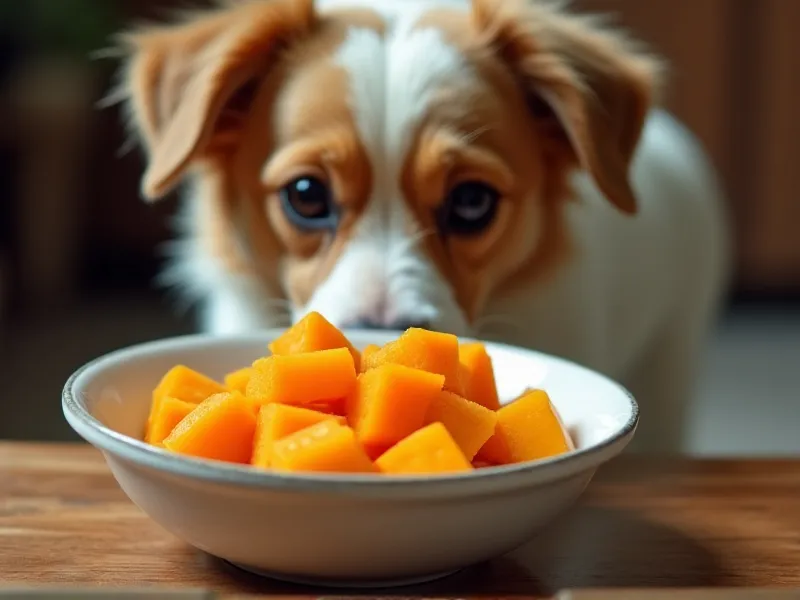
Table of Contents
- Can Dogs Eat Cooked Butternut Squash? The Short Answer
- Nutritional Benefits of Cooked Butternut Squash for Dogs
- Potential Risks to Watch For
- How Much Cooked Butternut Squash Can Dogs Eat? Guidelines by Size
- Healthier Alternatives to Butternut Squash (If Needed)
- FAQ: Your Butternut Squash and Dog Questions Answered
- Conclusion: Enjoy in Moderation, Consult Your Vet
Can Dogs Eat Cooked Butternut Squash? The Short Answer
Yes, cooked butternut squash is generally safe for dogs to eat—in moderation. When prepared plain (no added butter, salt, sugar, or spices) and served properly (cooked, mashed, or diced into small, manageable pieces), butternut squash can be a nutritious, low-calorie treat for your pup.
But like any human food, it’s not without caveats. Too much can cause stomach upset, and certain preparation methods (like leaving it raw or adding harmful ingredients) can be risky. Let’s unpack the details.
Nutritional Benefits of Cooked Butternut Squash for Dogs
Butternut squash isn’t just tasty—it’s a nutrient powerhouse! Here’s how its key nutrients can benefit your dog:
1. Vitamin A: For Vision and Skin Health
Butternut squash is rich in beta-carotene, which converts to vitamin A in the body. Vitamin A is essential for:
- Healthy eyesight (supports night vision and eye tissue).
- A shiny coat and skin (prevents dryness and flakiness).
- Immune system function (helps fight infections).
Fun fact: A 1-cup serving of cooked butternut squash contains over 100% of a dog’s daily vitamin A needs (for reference, dogs need about 3,333 IU of vitamin A per kg of body weight daily, per the National Research Council).
2. Vitamin C: A Boost for Immunity
Vitamin C is an antioxidant that helps neutralize free radicals, supporting your dog’s immune system. While dogs can produce their own vitamin C, extra from food (like butternut squash) can be helpful for senior dogs, stressed pups, or those recovering from illness.
3. Fiber: Gentle Digestion Support
With about 2.8 grams of fiber per cup (cooked), butternut squash can help regulate your dog’s digestive system. Fiber adds bulk to stool, making it useful for:
- Dogs with occasional constipation (fiber softens stool).
- Managing diarrhea (slows down digestion and absorbs excess water).
- Promoting a feeling of fullness (helpful for weight management).
4. Potassium: For Heart and Muscle Health
Potassium is an electrolyte that supports:
- Healthy heart function (regulates heartbeat).
- Muscle contraction (important for mobility and energy).
- Nerve signaling (keeps reflexes sharp).
Dogs need potassium to balance fluids in their bodies, and butternut squash offers a natural, low-sodium source (unlike processed dog treats, which can be high in salt).
Potential Risks to Watch For
While cooked butternut squash is safe for most dogs, there are a few risks to keep in mind:
1. Natural Sugars: Too Much Can Lead to Weight Gain
Butternut squash contains natural sugars (about 6 grams per cup, cooked). While these are healthier than added sugars, overfeeding can lead to:
- Excess calorie intake (contributing to obesity).
- Spikes in blood sugar (a concern for dogs with diabetes or insulin resistance).
Tip: Always count butternut squash as part of your dog’s daily calorie limit. Treats should make up no more than 10% of their diet, per the American Kennel Club (AKC).
2. Stomach Upset: Introduce Slowly
Fiber is great for digestion, but too much too fast can cause:
- Diarrhea, gas, or bloating (especially in dogs unused to high-fiber foods).
- Nausea (if fed on an empty stomach).
Fix: Start with a tiny portion (1–2 teaspoons) and monitor your dog for 24 hours. If they tolerate it, gradually increase over a week.
3. Choking Hazards: Size and Texture Matter
Raw butternut squash is hard and fibrous, posing a choking risk or intestinal blockage. Even cooked squash can be dangerous if:
- Served in large, unmashed chunks (especially for small dogs or puppies).
- Not fully cooked (undercooked squash is still firm and hard to chew).
Safe prep: Cook until soft (boil, roast, or steam), then mash or dice into pea-sized pieces for small breeds, or bite-sized for larger dogs.
4. Harmful Add-Ins: Skip the Butter and Salt
Butternut squash itself is safe, but how you cook it matters. Avoid adding:
- Butter, oil, or margarine (high in fat, can cause pancreatitis).
- Salt, garlic, or onion (toxic to dogs in large amounts; even small doses can irritate the stomach).
- Spices like cinnamon or nutmeg (nutmeg is toxic to dogs in large quantities).
Stick to plain, unseasoned, cooked squash!
How Much Cooked Butternut Squash Can Dogs Eat? Guidelines by Size
The key here is moderation. Treat butternut squash as an occasional snack, not a meal replacement. Here’s a rough guide based on your dog’s size:
| Dog Size | Example Breed | Recommended Serving (Occasional Treat) |
|---|---|---|
| Small (5–20 lbs) | Chihuahua, Yorkie | 1–2 tablespoons (mashed or diced) |
| Medium (20–50 lbs) | Beagle, Cocker Spaniel | 2–3 tablespoons |
| Large (50–100+ lbs) | Labrador, German Shepherd | 3–4 tablespoons |
Note: Adjust based on your dog’s activity level, age, and health. Senior dogs or those with diabetes may need smaller portions. Always consult your vet first if your dog has a chronic condition.
Healthier Alternatives to Butternut Squash (If Needed)
If butternut squash isn’t your dog’s favorite, or you’re looking for lower-sugar/fiber options, try these alternatives:
1. Pumpkin (Canned, Unsweetened)
- Why it’s better: Higher in fiber (7 grams per cup) and lower in sugar (3 grams per cup) than butternut squash.
- Best for: Dogs with digestive issues (vets often recommend pumpkin for diarrhea or constipation).
2. Sweet Potato (Cooked, Plain)
- Why it’s better: Rich in vitamins A and C, with a slightly lower glycemic index (slower sugar release).
- Best for: Active dogs needing an energy boost (but still feed in moderation!).
3. Carrots (Raw or Steamed)
- Why it’s better: Crunchy, low-calorie (only 25 calories per cup), and great for dental health (chewing helps reduce plaque).
- Best for: Small dogs (low choking risk when cut into sticks) or weight-loss diets.
4. Green Beans (Steamed, Plain)
- Why it’s better: Almost zero sugar, high in fiber and vitamins K and C.
- Best for: Dogs on strict weight management plans (adds bulk without calories).
FAQ: Your Butternut Squash and Dog Questions Answered
Can dogs eat raw butternut squash?
No. Raw butternut squash is hard, fibrous, and difficult for dogs to digest. It can also pose a choking hazard or cause intestinal blockages, especially in small breeds. Always cook it first!
Is butternut squash safe for puppies?
Yes, but introduce it slowly. Puppies have sensitive tummies, so start with 1 teaspoon mashed into their regular food. Avoid feeding to puppies under 6 months old, as their digestive systems are still developing.
Can dogs eat butternut squash soup?
Probably not. Most soups contain added ingredients like butter, salt, onions, or garlic—all harmful to dogs. Stick to plain, cooked squash.
My dog ate too much butternut squash. What should I do?
Monitor for signs of stomach upset (diarrhea, vomiting, bloating). If symptoms last more than 24 hours, or your dog seems lethargic, contact your vet. For severe cases (e.g., choking on a chunk), seek emergency care immediately.
Is frozen butternut squash okay for dogs?
Yes! Frozen butternut squash (plain, no added sauces) is just as safe as fresh—cook it from frozen, then mash or dice. It’s a great time-saver!
Conclusion: Enjoy in Moderation, Consult Your Vet
Cooked butternut squash can be a delicious, nutrient-rich treat for your dog—think of it as a “healthier potato chip” for pups! It’s packed with vitamins, fiber, and potassium, and most dogs love its sweet, mild flavor.
Just remember:
- Serve plain, cooked, and mashed/diced to avoid choking.
- Stick to small portions (1–4 tablespoons, depending on size).
- Introduce slowly to prevent stomach upset.
- Skip added ingredients like butter, salt, or spices.
And when in doubt? Always check with your vet. They know your dog’s unique health needs (allergies, diabetes, etc.) and can help you decide if butternut squash is a good fit.
Now, go ahead—share a spoonful with your begging pup. Their wagging tail (and healthy body) will thank you!
References
- American Kennel Club (AKC). “Human Foods Dogs Can and Can’t Eat.” akc.org.
- PetMD. “Butternut Squash for Dogs: Benefits and Risks.” petmd.com.
- ASPCA. “Toxic and Non-Toxic Plants: Squash.” aspca.org.
- VCA Hospitals. “Nutrition for Dogs.” vcahospitals.com.