· 9 min read
Can Dogs Eat Buttered Bread? A Pet Parent’s Guide to Safe Treats
Picture this: It’s a lazy Sunday morning. You’re sitting at the kitchen table, savoring a warm slice of buttered toast, when you feel a pair of big, soulful eyes staring up at you. Your dog—tail thumping, nose twitching—lets out a soft whimper, clearly begging for a bite. You pause, fork mid-air. Is this safe? Can dogs eat buttered bread, or are you putting your pup at risk?
If you’ve ever found yourself in this scenario, you’re not alone. Many pet parents wonder about sharing human foods with their furry friends, and buttered bread is a common culprit. In this guide, we’ll break down the facts: the potential benefits (yes, there are a few!), the risks to watch for, how much (if any) is safe, and healthier alternatives to keep your dog happy and healthy. Let’s dig in.
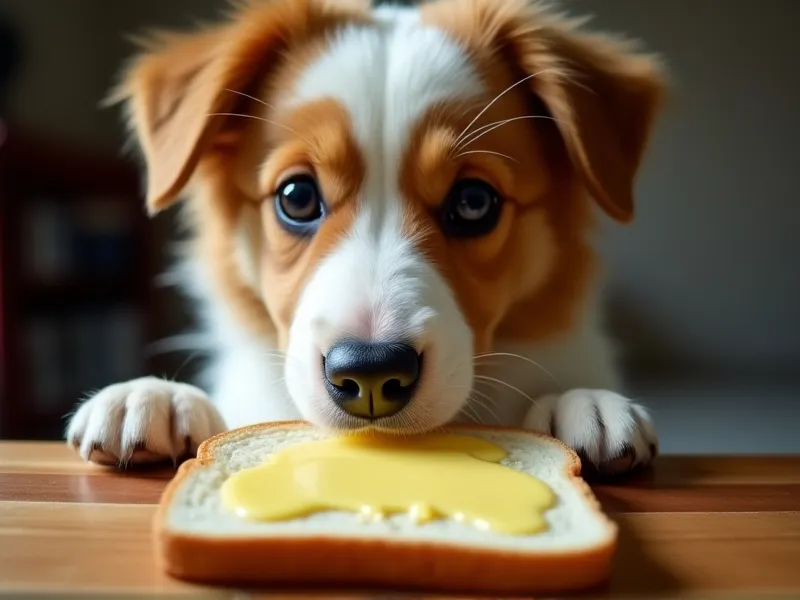
Table of Contents
- The Short Answer: Can Dogs Eat Buttered Bread?
- Potential Benefits of Buttered Bread for Dogs (Spoiler: They’re Minimal)
- The Risks: Why Buttered Bread Isn’t Ideal for Dogs
- Guidelines: How Much Buttered Bread Is Safe?
- Healthier Alternatives to Buttered Bread
- FAQ: Your Burning Questions Answered
- Conclusion: Moderation is Key
## The Short Answer: Can Dogs Eat Buttered Bread?
Yes, dogs can eat small amounts of buttered bread occasionally, but it’s far from a ideal treat. Think of it like junk food for dogs: a tiny bite won’t hurt, but regular or large servings can lead to health issues.
Bread itself is non-toxic to dogs, and butter (in small doses) isn’t poisonous either. However, both ingredients offer little nutritional value for your pup, and butter, in particular, can be problematic in excess. Let’s unpack why.
## Potential Benefits of Buttered Bread for Dogs (Spoiler: They’re Minimal)
Before we dive into the risks, let’s acknowledge the few potential upsides of buttered bread. Spoiler: These are minor and easily outweighed by better, more nutritious options.
1. Carbohydrates for Quick Energy
Bread is primarily made of flour, which is a source of carbohydrates. Carbs provide dogs with quick energy—useful for active pups, but most commercial dog foods already contain balanced carbs (like sweet potatoes or brown rice) tailored to their needs. Bread’s carbs are often “empty” (think white bread) or minimally nutritious compared to their regular diet.
2. Fiber (If It’s Whole Grain)
Whole grain bread (like whole wheat or oat bread) contains fiber, which aids digestion by supporting gut health and regular bowel movements. However, dogs need fiber from sources like pumpkin, green beans, or their high-quality kibble—foods that offer more fiber and additional nutrients (like vitamins and minerals) that bread lacks.
3. Butter’s Fat (In Tiny Doses)
Butter is high in fat, and dogs do need fat in their diet for energy, hormone production, and healthy skin/coat. But butter is mostly saturated fat, which isn’t the healthiest source. Dogs get better fats from their food (e.g., omega-3s from fish oil or chicken fat) without the risks of excess saturated fat.
4. Comfort Food (for Picky Eaters)
In rare cases, a small piece of buttered bread might entice a sick or picky dog to eat. If your vet recommends tempting a dog with a bland treat, plain bread (without butter) is often safer, but a tiny bit of butter could make it more appealing. Always check with your vet first!
## The Risks: Why Buttered Bread Isn’t Ideal for Dogs
Now, let’s get real: The risks of buttered bread for dogs are far more significant than the minimal benefits. Here’s what to watch out for.
1. Butter: High Fat = Pancreatitis Risk
Butter is loaded with saturated fat (about 7g per tablespoon!). Dogs’ bodies aren’t designed to process large amounts of fat, and excess can trigger pancreatitis—a painful, potentially life-threatening inflammation of the pancreas. Symptoms include vomiting, diarrhea, lethargy, and loss of appetite.
Certain dogs are more at risk: overweight dogs, seniors, and breeds prone to pancreatitis (like Miniature Schnauzers, Cocker Spaniels, and Yorkshire Terriers). Even a single slice of heavily buttered bread could be too much for small or at-risk dogs.
2. Empty Calories = Weight Gain
Bread and butter are calorie-dense but nutrient-poor. A slice of white bread has ~70 calories, and a tablespoon of butter adds ~100 calories—that’s 170 calories for a single small treat! For context, a 10-pound dog only needs ~300 calories per day. A single slice of buttered bread could make up over half their daily calorie needs, leading to obesity, diabetes, or joint strain over time.
3. Choking Hazard
Dry, crusty bread (like toast) or large chunks of bread can get stuck in a dog’s throat, causing choking. This is especially risky for small dogs or dogs who gulp food without chewing. Always break bread into tiny pieces if you must share, and supervise your dog while they eat it.
4. Added Sugars, Salt, or Toxic Toppings
Not all bread is created equal! Many store-bought breads contain added sugars, salt, or preservatives. Excess salt can lead to sodium ion poisoning in dogs (symptoms: vomiting, diarrhea, seizures), and sugar contributes to obesity and dental decay.
Worse, some breads have toxic toppings:
- Garlic or onion bread: Garlic and onions contain thiosulfate, which is toxic to dogs and can damage red blood cells.
- Raisin or currant bread: Raisins and currants are highly toxic to dogs, even in small amounts, and can cause kidney failure.
- Chocolate spread: Chocolate is toxic to dogs (theobromine poisoning).
Always check the bread’s ingredients before sharing!
5. Stomach Upset
Butter is high in fat, which can irritate a dog’s digestive system. Even a small amount may cause diarrhea, vomiting, or stomach pain—especially in dogs with sensitive tummies or conditions like inflammatory bowel disease (IBD).
## Guidelines: How Much Buttered Bread Is Safe?
If you decide to share a tiny bite of buttered bread with your dog (we get it—those puppy eyes are hard to resist!), follow these rules to keep them safe:
1. Stick to “Tiny Bites” Only
- Small dogs (under 20 lbs): A crumb or two of buttered bread (about the size of your pinky nail).
- Medium dogs (20–50 lbs): A small cube (no bigger than a dice).
- Large dogs (50+ lbs): A bite-sized piece (about the size of a quarter).
2. Occasional, Not Regular
Buttered bread should be a once-in-a-blue-moon treat—not a daily snack. Think: once a month, max. Regular servings can lead to weight gain, pancreatitis, or digestive issues.
3. Avoid If Your Dog Has Health Issues
Skip buttered bread entirely if your dog:
- Is overweight or obese
- Has pancreatitis (or a history of it)
- Has diabetes (bread’s carbs can spike blood sugar)
- Has IBD or a sensitive stomach
- Is a senior dog (more prone to fat-related issues)
4. Check the Bread’s Ingredients
Only share plain, unseasoned bread with no added sugars, salt, garlic, onions, raisins, or chocolate. Whole grain bread is slightly better than white bread (thanks to fiber), but still not a health food.
5. Monitor for Reactions
After giving your dog a bite, watch for signs of stomach upset (vomiting, diarrhea, bloating) or allergic reactions (itching, swelling). If you notice anything unusual, contact your vet.
## Healthier Alternatives to Buttered Bread
Instead of buttered bread, treat your dog to these nutrient-packed snacks that are safer and more beneficial:
1. Plain, Unbuttered Whole Grain Bread
If you want to share bread, skip the butter. A tiny piece of plain whole grain bread (no toppings!) is lower in fat and higher in fiber than buttered bread.
2. Cooked Sweet Potato
Sweet potatoes are a dog superfood: rich in fiber, vitamins A and C, and antioxidants. Slice into small cubes and bake for a crunchy treat.
3. Carrot Sticks
Crunchy, low-calorie, and full of beta-carotene (which supports eye health). Most dogs love raw carrots!
4. Apple Slices (No Seeds/Core)
Apples are high in fiber and vitamin C. Just remove the seeds (they contain trace amounts of cyanide) and core first.
5. Plain Rice Cakes
A low-fat, low-calorie alternative to bread. Top with a tiny bit of unsalted peanut butter (without xylitol, which is toxic to dogs) for extra flavor.
6. Green Beans
Cooked or raw green beans are high in fiber and low in calories—great for weight management.
7. Commercial Dog Treats
Opt for high-quality dog treats made with real ingredients (like chicken, salmon, or pumpkin). Look for brands with minimal additives (e.g., Blue Buffalo, Zuke’s, or Wellness).
## FAQ: Your Burning Questions Answered
Q: Can puppies eat buttered bread?
A: Puppies have sensitive digestive systems and are still developing. It’s best to avoid buttered bread—their tummies can’t handle the fat, and their nutritional needs are better met by puppy food.
Q: My dog stole a whole slice of buttered bread! What should I do?
A: Don’t panic, but monitor them closely for 24 hours. Watch for vomiting, diarrhea, lethargy, or loss of appetite. If you notice these signs, or if your dog is small, overweight, or has health issues, contact your vet immediately—they may need treatment for pancreatitis or stomach upset.
Q: Is garlic bread safe for dogs?
A: No! Garlic is toxic to dogs, even in small amounts. It can damage red blood cells, leading to anemia. Keep garlic bread (and any food with garlic/onions) far from your pup.
Q: Can dogs eat bread with other spreads, like peanut butter?
A: Plain peanut butter (without xylitol) is a safe, tasty treat in small amounts! Just avoid butter, jam (high sugar), or chocolate spreads.
Q: Is whole wheat bread better than white bread for dogs?
A: Yes, slightly. Whole wheat bread has more fiber and nutrients than white bread, but it’s still not a necessary part of their diet.
## Conclusion: Moderation is Key
At the end of the day, buttered bread is a human food that offers little to no benefit for dogs. A tiny, occasional bite won’t harm most healthy dogs, but it’s far from ideal. Your pup’s diet should focus on high-quality dog food tailored to their age, size, and health needs—supplemented with nutrient-dense treats like carrots, sweet potatoes, or plain apples.
If you’re ever unsure about sharing a human food with your dog, consult your vet. They know your dog’s individual health history and can give personalized advice.
So, next time your dog begs for a bite of your toast, feel free to offer a tiny crumb (if they’re healthy!)—but remember: the best treats are the ones that keep them happy and healthy.
Your dog loves you unconditionally—return the favor with snacks that nourish their body, too.
References
- American Kennel Club (AKC). “Can Dogs Eat Bread?” akc.org/expert-advice/nutrition/can-dogs-eat-bread
- PetMD. “Pancreatitis in Dogs: Symptoms, Causes, and Treatment.” petmd.com/dog/conditions/digestive/c_dg_pancreatitis
- VCA Animal Hospitals. “Human Foods Toxic to Dogs.” vcahospitals.com/know-your-pet/human-foods-toxic-to-dogs
- World Small Animal Veterinary Association (WSAVA). “Nutrition Toolkit for Pet Owners.” wsava.org/global-guidelines/nutrition-toolkit