· 9 min read
Can Dogs Eat Butter Cookies? What Pet Parents Need to Know
You’re curled up with a mug of tea and a fresh batch of butter cookies when you feel a soft nudge on your knee. Looking down, you find your dog staring up at you with those irresistible puppy eyes, tail thumping gently. It’s hard to say no—but before you hand over a crumb, you pause. Is this safe? Can dogs eat butter cookies?
As pet parents, we want to share life’s little joys with our furry friends, but not all human treats are created equal. Butter cookies are a classic comfort food, but are they a safe snack for your pup? Let’s dive into the details, from the risks to the rare “benefits,” and help you make the best choice for your dog’s health.
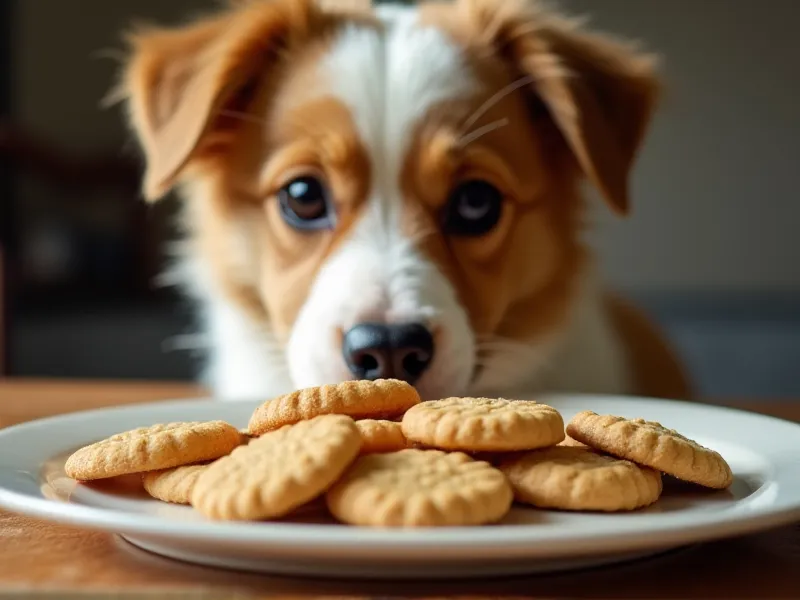
Table of Contents
- Can Dogs Eat Butter Cookies? The Short Answer
- Potential “Benefits” of Butter Cookies—But Let’s Be Real
- The Risks: Why Butter Cookies Are a Treat to Tread Lightly On
- How Much (If Any) Butter Cookie Is Safe for Your Dog?
- Healthier Alternatives to Butter Cookies
- FAQ: Your Butter Cookie Questions Answered
- Conclusion: Love Your Dog—Choose Treats Wisely
Can Dogs Eat Butter Cookies? The Short Answer
Yes, but only in tiny, occasional amounts—and even then, it’s not recommended.
Butter cookies aren’t toxic to dogs, but they’re packed with ingredients that can harm your pup’s health if overindulged. Think of them like junk food for dogs: a small bite might not cause immediate issues, but regular or large servings can lead to serious problems.
To keep it simple: If your dog begs for a crumb, a tiny piece (like a pinky-nail-sized bite) once in a blue moon is unlikely to hurt. But there are far better treats out there that are both safe and nutritious. Let’s break down why butter cookies are more risk than reward.
Potential “Benefits” of Butter Cookies—But Let’s Be Real
You might be thinking, “But butter has fat, and flour has fiber, right? Maybe there’s some nutrition here?” Let’s set the record straight: Butter cookies are not a health food for dogs. Any “benefits” are minimal and overshadowed by the downsides. Here’s what’s in a typical butter cookie and why it doesn’t do your dog much good:
Fat from Butter
Dogs need fat in their diet for energy, healthy skin, and coat—but the type and amount matter. Butter is high in saturated fat, which is hard for dogs to digest in large quantities. A small cookie might have a gram or two of fat, but that’s not enough to contribute meaningfully to their diet. Plus, excess fat (even from “natural” sources like butter) can lead to pancreatitis, a painful and potentially life-threatening condition (more on that later).
Flour: A Trace of Fiber (But Not the Good Kind)
Most butter cookies use refined white flour, which is stripped of fiber and nutrients. Whole wheat flour might have a tiny bit more fiber, but it’s still negligible in a cookie. Dogs need fiber for digestion, but they’re better off getting it from veggies like pumpkin or sweet potato—not processed flour.
Potassium and Other Micronutrients
Butter contains small amounts of potassium, and eggs (if in the recipe) have vitamins like B12. But again: These are trace amounts. Your dog would need to eat dozens of cookies to get any real nutritional value—and by then, the sugar and fat would have already caused damage.
The bottom line: Butter cookies offer no meaningful health benefits for dogs. They’re a “treat” in the sense that they taste good, but nutritionally, they’re empty calories.
The Risks: Why Butter Cookies Are a Treat to Tread Lightly On
Now, let’s talk about the real concerns. Butter cookies are loaded with ingredients that can harm your dog, even in small doses. Here’s what to watch out for:
1. Sugar: A Recipe for Obesity, Diabetes, and Dental Issues
Sugar is the biggest offender in butter cookies. Dogs don’t need sugar in their diet—their bodies aren’t designed to process large amounts of it. When dogs eat sugar regularly:
- Obesity: Excess calories from sugar lead to weight gain, which increases the risk of joint pain, heart disease, and diabetes.
- Dental decay: Sugar feeds harmful bacteria in your dog’s mouth, causing plaque, tartar, and cavities (yes, dogs get cavities too!).
- Energy spikes and crashes: Just like humans, sugar can make dogs hyperactive, followed by a slump—hardly ideal for their mood or behavior.
A single butter cookie can have 5–10 grams of sugar. For a 20-pound dog, that’s like a human eating 2–4 candy bars in one sitting!
2. High Fat: Risk of Pancreatitis and Stomach Upset
Butter is 80% fat, and even a small cookie can pack a fatty punch. Dogs have sensitive digestive systems, and a high-fat snack can trigger:
- Gastroenteritis: Vomiting, diarrhea, or stomach pain within hours of eating.
- Pancreatitis: This is the scariest risk. The pancreas produces enzymes to digest food; when it’s overworked by fat, it can become inflamed. Symptoms include severe abdominal pain, vomiting, lethargy, and loss of appetite. Pancreatitis requires immediate vet care and can be fatal if left untreated.
According to the VCA Animal Hospitals, high-fat foods are a leading cause of pancreatitis in dogs. Even a single cookie might not cause it, but repeated snacks or a whole batch could be disastrous.
3. Choking Hazards and Additives
Many butter cookies come with extra ingredients that are either choking risks or straight-up toxic:
- Chocolate chips: Chocolate contains theobromine, which is toxic to dogs. Even a small amount can cause vomiting, seizures, or death.
- Nuts: Macadamia nuts are toxic, and others (like walnuts or almonds) can be choking hazards or cause intestinal blockages.
- Raisins/currants: These are linked to kidney failure in dogs—even a few can be dangerous.
- Decorations: Sprinkles, frosting, or hard candies can get stuck in your dog’s throat or damage their teeth.
Always check the label! Even “plain” butter cookies might have hidden additives like artificial sweeteners (more on that next).
4. Artificial Sweeteners: Xylitol Is a Silent Killer
Some “sugar-free” butter cookies use xylitol, an artificial sweetener that’s extremely toxic to dogs. Xylitol causes a rapid release of insulin, leading to life-threatening hypoglycemia (low blood sugar). Symptoms include vomiting, loss of coordination, seizures, and even liver failure. Just a tiny amount (like a gram) can kill a small dog.
Never feed your dog sugar-free cookies unless you’ve confirmed they contain no xylitol! Always read the ingredient list—xylitol is often hidden in “diet” or “low-sugar” products.
How Much (If Any) Butter Cookie Is Safe for Your Dog?
If you must share a bite (we get it—those puppy eyes are powerful!), follow these strict guidelines:
Portion Size Depends on Your Dog’s Size
- Small dogs (under 20 lbs): A crumb or a bite the size of a pea. Any more could upset their stomach.
- Medium dogs (20–50 lbs): A bite the size of a dime.
- Large dogs (50+ lbs): A bite the size of a quarter.
Even then, only do this once in a while—not weekly, and never as a regular treat.
Always Check the Ingredients First
Before sharing, read the cookie’s label. If it contains chocolate, nuts, raisins, or xylitol, don’t share it—even a crumb. Stick to plain butter cookies with minimal ingredients (butter, flour, sugar, maybe vanilla) if you’re going to indulge them.
Watch for Signs of Trouble
After giving a bite, monitor your dog for 24 hours. If they vomit, have diarrhea, act lethargic, or refuse food, call your vet. These could be signs of pancreatitis or an allergic reaction.
Healthier Alternatives to Butter Cookies
Instead of butter cookies, treat your dog to snacks that are actually good for them. Here are some easy, dog-safe options:
1. Fresh Fruits and Veggies
Most dogs love these, and they’re packed with vitamins:
- Apples (no seeds): High in fiber and vitamin C.
- Blueberries: Antioxidants for brain health.
- Carrots: Crunchy and great for teeth.
- Pumpkin (plain, canned): Fiber to soothe tummies.
- Sweet potato (cooked): Vitamins A and C, plus fiber.
2. Dog-Friendly “Cookies” You Can Make at Home
Skip the sugar and butter by baking your own! Try this simple recipe:
2-Ingredient Banana Oat Cookies
- 1 ripe banana (mashed)
- ½ cup rolled oats (blended into flour)
- Mix, roll into small balls, bake at 350°F for 15–20 minutes.
These are naturally sweet, high in fiber, and safe for dogs.
3. Store-Bought Dog Treats
Look for treats with whole-food ingredients (like chicken, sweet potato, or salmon) and no added sugar, salt, or preservatives. Brands like Wellness or Blue Buffalo make great options.
FAQ: Your Butter Cookie Questions Answered
Q: My dog stole a whole batch of butter cookies! What should I do?
A: Stay calm, but call your vet immediately. A large amount of sugar and fat can cause pancreatitis, vomiting, or diarrhea. Your vet may recommend inducing vomiting (if done within 2 hours) or monitoring for symptoms.
Q: Are there any butter cookies made specifically for dogs?
A: Yes! Some pet brands make “butter cookies” with dog-safe ingredients (no sugar, xylitol, or toxic additives). Look for options with whole grains and natural sweeteners like banana or pumpkin. Always check the label to ensure they’re vet-approved.
Q: Can puppies eat butter cookies?
A: Puppies have even more sensitive tummies than adult dogs. It’s best to avoid giving them butter cookies entirely—stick to puppy-safe treats recommended by your vet.
Q: My dog loves butter. Is plain butter better than a cookie?
A: No—plain butter is still high in fat and offers no nutritional value. A tiny lick of butter is less harmful than a cookie (since it has no sugar), but it’s still not a good treat.
Conclusion: Love Your Dog—Choose Treats Wisely
Butter cookies might taste delicious to us, but they’re a risky snack for our dogs. While a tiny bite here and there is unlikely to cause harm, the sugar, fat, and potential additives make them a poor choice for regular treats.
Your dog’s health is worth more than a moment of indulgence. Instead of sharing your cookie, opt for a carrot stick, a slice of apple, or a homemade dog-friendly treat. And when in doubt—always ask your vet! They can help you choose snacks that keep your pup happy, healthy, and tail-wagging for years to come.
After all, the best way to show your dog love isn’t with a cookie—it’s with treats that nourish their body and keep them by your side for as long as possible.
References
- American Society for the Prevention of Cruelty to Animals (ASPCA). Toxic and Non-Toxic Plants & Foods. aspca.org/pet-care/animal-poison-control
- VCA Animal Hospitals. Pancreatitis in Dogs. vcahospitals.com/know-your-pet/pancreatitis-in-dogs
- American Kennel Club (AKC). Human Foods Dogs Can and Can’t Eat. akc.org/expert-advice/nutrition/human-foods-dogs-can-and-cant-eat
- Pet Poison Helpline. Xylitol Toxicity in Dogs. petpoisonhelpline.com/poison/xylitol