· 7 min read
Can Dogs Eat Burger Patties? A Pet Parent’s Guide to Sharing the Grill Safely
It’s a sunny Saturday afternoon, and you’re firing up the grill. The scent of sizzling burger patties fills the air, and suddenly, you feel a wet nose nuzzling your hand. Your dog, tail wagging furiously, is giving you the “please share” eyes. We’ve all been there—tempted to toss our pup a bite of that juicy burger. But wait: Can dogs eat burger patties safely? Before you cave to those puppy dog eyes, let’s dive into what you need to know to keep your furry friend happy and healthy.
Burgers are a summer staple for humans, but dogs have unique nutritional needs and sensitivities. In this guide, we’ll answer the big question, break down the potential benefits and risks, share guidelines for safe feeding, and even suggest healthier alternatives. Let’s get grilling (responsibly)!
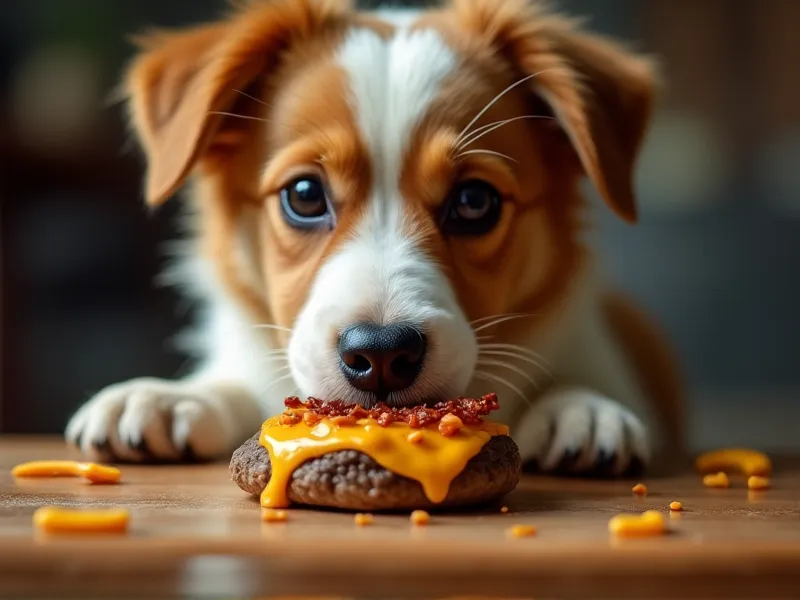
Table of Contents
- Can Dogs Eat Burger Patties? The Short Answer
- Potential Benefits of Burger Patties for Dogs
- Risks of Feeding Burger Patties to Dogs
- How Much Burger Patty Can Dogs Safely Eat?
- Healthier Alternatives to Burger Patties
- FAQ: Your Burger Patty Questions Answered
- Conclusion: Moderation is Key
- References
Can Dogs Eat Burger Patties? The Short Answer
Yes, but only in very small, occasional quantities—and only if the patty is plain, lean, and fully cooked.
Most store-bought, restaurant, or backyard burger patties are seasoned, high in fat, or loaded with additives (like salt, onions, or garlic) that can harm dogs. A plain, unseasoned, lean beef patty, cooked thoroughly, is technically safe for dogs in tiny amounts. But the keyword here is tiny. Burgers are not a nutritionally balanced food for dogs, and regular or large servings pose serious risks.
Potential Benefits of Burger Patties for Dogs
Before we focus on the risks (which are significant), let’s acknowledge that plain, lean beef (the base of a good burger patty) does offer some nutritional perks for dogs—when fed responsibly.
1. High-Quality Protein
Beef is a complete protein, meaning it contains all the essential amino acids dogs need for muscle growth, repair, and overall health. Protein is crucial for dogs, as it supports strong muscles, a healthy coat, and a robust immune system.
2. Essential Minerals
Lean beef is rich in minerals like iron (supports red blood cell function), zinc (boosts immune health and skin/coat condition), and selenium (an antioxidant that protects cells from damage).
3. B Vitamins
Beef provides B vitamins (B12, niacin, riboflavin) that help convert food into energy, support brain function, and maintain healthy skin and eyes.
But here’s the catch: These benefits only apply to unseasoned, lean, cooked beef. Once you add salt, pepper, garlic, onions, cheese, or fatty trimmings, the risks far outweigh the benefits.
Risks of Feeding Burger Patties to Dogs
The majority of burger patties—even “homemade” ones—are not dog-friendly. Here’s why:
1. High Fat Content = Pancreatitis Risk
Burgers are often made with ground beef that’s 80/20 (20% fat) or higher. Dogs’ digestive systems are not built to handle large amounts of fat. Excess fat can trigger pancreatitis, a painful and potentially life-threatening inflammation of the pancreas. Symptoms include vomiting, diarrhea, abdominal pain, lethargy, and loss of appetite. According to the ASPCA, fatty foods are a top cause of pancreatitis in dogs.
2. Sodium Overload
Most burgers (store-bought or restaurant) are loaded with salt. A single 4-ounce beef patty can contain 300–500 mg of sodium. The recommended daily sodium intake for dogs is just 100–200 mg per 10 pounds of body weight. Too much salt leads to excessive thirst, urination, and in severe cases, sodium ion poisoning (symptoms: seizures, tremors, even death).
3. Toxic Seasonings
Onions, garlic, chives, and shallots are common burger seasonings—and they’re toxic to dogs. These ingredients contain thiosulphate, which damages a dog’s red blood cells, leading to anemia (symptoms: weakness, pale gums, rapid breathing). Even small amounts (like a sprinkle of onion powder) can harm small dogs.
4. Preservatives and Additives
Processed burger patties (frozen, pre-made, or fast-food) often contain preservatives like nitrates/nitrites, which are linked to cancer in pets. They may also include artificial flavors or colors, which offer no nutritional value and can cause stomach upset.
5. Choking or Blockages
Large chunks of patty, gristle, or bone fragments (if present) can get stuck in a dog’s throat or intestines, causing choking or a life-threatening blockage.
6. Obesity
Burgers are calorie-dense: A 4-ounce patty has ~300 calories. For a 20-pound dog, that’s over 25% of their daily calorie needs (most small dogs need ~1,000 calories/day). Feeding burgers regularly leads to weight gain, which increases the risk of diabetes, joint pain, and heart disease.
How Much Burger Patty Can Dogs Safely Eat?
If you’re set on sharing a tiny bite of your plain, lean, cooked burger patty with your dog, follow these strict guidelines:
Portion Size (By Dog Size)
- Small dogs (10–20 lbs): 1–2 bite-sized pieces (no bigger than a pea or dime).
- Medium dogs (30–50 lbs): 1–2 small cubes (about the size of a nickel).
- Large dogs (60+ lbs): A piece no larger than a quarter (still, no more than 1–2 times per month).
Frequency
Treats (including burger bits) should make up no more than 10% of your dog’s daily calories. For most dogs, that means a burger bite is a once-in-a-blue-moon indulgence—not a weekly or monthly habit.
Preparation Rules
- Cook it thoroughly: Raw or undercooked beef carries risks of E. coli, Salmonella, or parasites (like trichinosis).
- No seasoning: No salt, pepper, garlic, onions, or sauces (ketchup, mustard, etc.—these are high in sugar/salt).
- Trim the fat: Remove all visible fat, as it’s the biggest pancreatitis risk.
- Chop it small: Cut the patty into tiny pieces to avoid choking.
Healthier Alternatives to Burger Patties
Instead of sharing your burger, opt for these dog-safe, nutrient-dense treats that satisfy their meat cravings without the risks:
1. Lean, Cooked Meat (Homemade)
- Ground turkey or chicken: Cook plain, lean ground turkey/chicken (95% lean) and freeze in tiny portions. It’s lower in fat than beef and just as protein-rich.
- Dehydrated beef liver: Liver is packed with iron and B vitamins. Buy freeze-dried liver treats (no additives) or dehydrate plain liver at home.
2. Veggie “Burgers” for Dogs
Skip the store-bought veggie patties (which often have onions/garlic). Make your own with:
- ½ cup cooked quinoa
- ¼ cup mashed sweet potato
- 2 tbsp lean ground chicken
- 1 egg (binds it together)
Form into tiny patties, bake at 350°F for 15–20 minutes, and let cool. Store in the fridge for 3–4 days.
3. Fresh Fruits/Veggies
- Carrots or green beans: Crunchy, low-calorie, and high in fiber.
- Blueberries or apple slices: Sweet, antioxidant-rich, and safe in moderation (remove apple seeds—they contain cyanide).
4. Commercial Dog Treats
Look for treats labeled “lean,” “low-sodium,” and “grain-free” (if your dog has allergies). Brands like Wellness Core or Zuke’s Mini Naturals offer protein-rich, dog-safe options.
FAQ: Your Burger Patty Questions Answered
Q: Can dogs eat raw burger patties?
A: No. Raw meat (including beef) can contain harmful bacteria (E. coli, Salmonella) that cause vomiting, diarrhea, or more severe illness. Stick to fully cooked meat.
Q: My dog stole a whole burger patty! What should I do?
A: Don’t panic, but monitor them closely for 24–48 hours. Watch for vomiting, diarrhea, lethargy, or abdominal pain (signs of pancreatitis). If symptoms appear, contact your vet immediately.
Q: Are veggie burgers safer than beef burgers for dogs?
A: Not necessarily. Most store-bought veggie patties contain onions, garlic, or high sodium. Always check the label—if it has toxic ingredients, skip it.
Q: Can dogs eat burger buns?
A: Buns are high in empty calories, sugar, and carbs. They offer no nutritional value and can cause weight gain. Avoid them.
Q: Is beef safe for dogs with food allergies?
A: Some dogs are allergic to beef (symptoms: itchy skin, ear infections, diarrhea). If your dog has allergies, ask your vet before feeding any new protein.
Conclusion: Moderation is Key
Sharing a tiny bite of your plain, lean, cooked burger patty with your dog won’t hurt them—but it’s far from ideal. The risks of high fat, sodium, and toxic seasonings make burgers a poor choice for regular treats.
Instead, prioritize their health with lean, unseasoned meats, fresh veggies, or homemade dog-safe “burgers.” And when in doubt, always consult your vet—especially if your dog has pancreatitis, diabetes, or other health conditions.
After all, your pup’s tail wags just as hard for a carrot stick or a piece of cooked chicken as it does for a burger. Let’s keep those tails wagging and those bellies healthy!
References
- American Society for the Prevention of Cruelty to Animals (ASPCA). (2023). Food Poisoning in Dogs. https://www.aspca.org/pet-care/animal-poison-control/food-poisoning-dogs
- American Veterinary Medical Association (AVMA). (2022). Nutrition for Dogs. https://www.avma.org/resources/pet-owners/nutrition/nutrition-dogs
- PetMD. (2023). Pancreatitis in Dogs. https://www.petmd.com/dog/conditions/digestive/c_dg_pancreatitis
- Cummings School of Veterinary Medicine at Tufts University. (2021). Toxic Foods for Dogs. https://vetnutrition.tufts.edu/2019/03/what-foods-are-toxic-to-dogs/