· 8 min read
Can Dogs Eat Bunny Poop? What Pet Parents Need to Know
Picture this: You’re enjoying a peaceful walk in the park or a lazy afternoon in your backyard, and suddenly your dog’s nose dives into the grass. Before you can react, they’ve gobbled up something small, round, and… uh-oh—you realize it’s bunny poop. Cue the cringe, the frantic wipe of their mouth, and the urgent question: Is this safe?
If you’re a dog parent, you’ve probably encountered this scenario (or feared it). Bunny poop—those tiny, pellet-like “berries” that dot lawns and trails—seems to have a strange allure for our canine companions. But is this behavior harmless, or should you be worried?
In this post, we’ll break down everything you need to know about dogs and bunny poop: whether it’s toxic, potential (minimal) benefits, hidden risks, how much is “safe,” healthier alternatives, and expert advice to keep your pup happy and healthy. Let’s dive in!
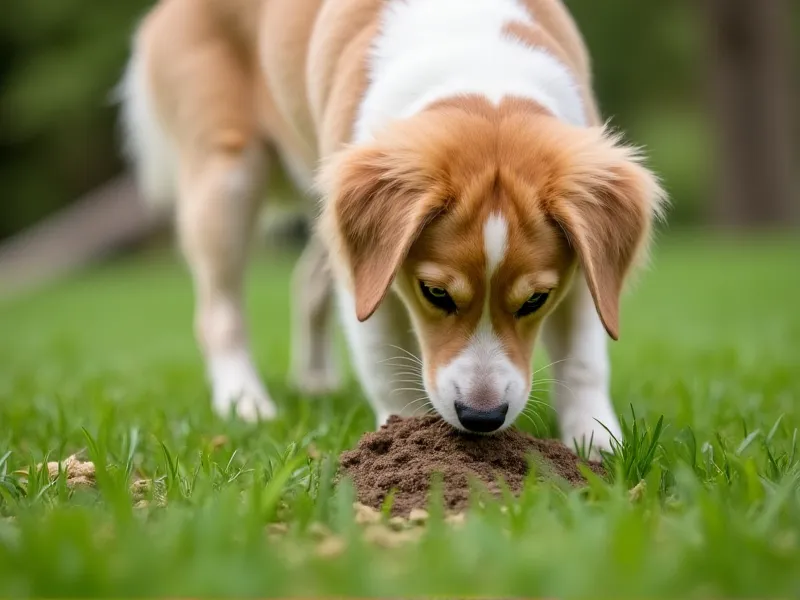
Table of Contents
- Can Dogs Eat Bunny Poop? The Short Answer
- Potential “Benefits” of Bunny Poop for Dogs (If Any)
- Risks of Dogs Eating Bunny Poop
- How Much Bunny Poop Is Safe for Dogs? Guidelines
- Healthier Alternatives to Bunny Poop
- FAQ: Your Questions Answered
- Conclusion: Moderation and Vet Consultation
- References
Can Dogs Eat Bunny Poop? The Short Answer
Let’s cut to the chase: Bunny poop is not technically toxic to dogs, but that doesn’t mean it’s a “safe” or recommended snack.
Rabbits are herbivores, and their feces are made up of undigested plant material (grass, hay, veggies). Unlike, say, chocolate or grapes, bunny poop won’t poison your dog. However, it can still pose health risks—from stomach upset to parasites—that make it better to avoid. Think of it like eating a stale cracker off the floor: not poisonous, but definitely not something you’d want to make a habit.
Potential “Benefits” of Bunny Poop for Dogs (If Any)
You might be wondering: If dogs are so drawn to it, could there be any upside to bunny poop? Let’s explore the (very limited) possibilities:
1. Trace Nutrients and Fiber
Rabbits have notoriously inefficient digestive systems. They digest food quickly, so their poop often contains undigested fiber, small amounts of vitamins (like A and K from leafy greens), and minerals (including potassium). For dogs, fiber is important for gut health, and potassium supports muscle and heart function.
But here’s the catch: These nutrients are in tiny quantities. Your dog’s balanced commercial diet already provides all the fiber, vitamins, and minerals they need. Bunny poop is not a “supplement”—it’s more like a crumb from a healthy meal, not a replacement.
2. “Natural” Appeal
Dogs are scavengers by nature, and the smell of fresh, plant-based bunny poop might trigger their instinct to forage. For some dogs, it’s simply a curiosity or a way to explore their environment (even if it grosses us out!).
Risks of Dogs Eating Bunny Poop
While the “benefits” are minimal, the risks are very real. Here’s why you should discourage your dog from munching on bunny poop:
1. Parasites: A Hidden Threat
Rabbit feces can harbor parasites like coccidia, giardia, or tapeworms. These tiny organisms can infect your dog if they ingest contaminated poop. Symptoms of a parasite infection include:
- Diarrhea (sometimes bloody)
- Vomiting
- Lethargy
- Weight loss
- Bloated belly
Puppies, senior dogs, or dogs with weakened immune systems are especially vulnerable. Even indoor rabbits can carry parasites, so don’t assume “pet rabbit poop” is safer than wild rabbit poop.
2. Bacterial Infections
Bunny poop can also contain harmful bacteria like E. coli or Salmonella, which thrive in fecal matter. While rare, these bacteria can cause gastrointestinal illness in dogs (and even humans, if you don’t wash your hands after handling your pup!). Symptoms include fever, diarrhea, and vomiting.
3. Stomach Upset
Even if the poop is “clean” (no parasites or bacteria), the sudden influx of foreign, fibrous material can irritate your dog’s stomach. This may lead to:
- Gas
- Soft stools or diarrhea
- Nausea or vomiting
Some dogs are more sensitive than others—if your pup has a sensitive stomach, even a few pellets could leave them feeling unwell.
4. Pesticides or Chemicals
Wild rabbits (and even pet rabbits allowed outdoors) often graze on grass or plants treated with pesticides, herbicides, or fertilizers. These chemicals can pass through their digestive system and end up in their poop. If your dog eats that poop, they could ingest harmful toxins.
5. Encouraging Coprophagia (Poop-Eating Behavior)
Letting your dog eat bunny poop can reinforce a habit called coprophagia (eating feces). Once they learn that poop is “food,” they may start seeking out other types of poop—including cat poop (high in ammonia), deer poop (risk of parasites), or even their own poop (which can signal nutritional deficiencies or medical issues).
How Much Bunny Poop Is Safe for Dogs? Guidelines
The safest amount of bunny poop for your dog is none. But let’s be realistic: Dogs are curious, and they’ll sneak a snack if given the chance. Here’s how to handle it:
If Your Dog Eats a Small Amount (1–5 Pellets):
Don’t panic! A tiny taste is unlikely to cause serious harm. Monitor your dog for 24–48 hours for signs of stomach upset (diarrhea, vomiting) or lethargy. If they seem fine, they’re probably okay.
If Your Dog Eats a Large Amount (A “Pile” of Poop):
This is when you should be cautious. A large serving of fibrous bunny poop can overwhelm your dog’s digestive system, leading to blockages (rare but possible) or severe diarrhea. Contact your vet if your dog:
- Vomits repeatedly
- Has diarrhea for more than 24 hours
- Seems lethargic or in pain
- Refuses to eat/drink
The Best Strategy: Prevention
The easiest way to keep your dog safe is to prevent access to bunny poop. Try these tips:
- Clean up rabbit poop in your yard regularly (use a pooper scooper or gloves).
- Fence off areas where rabbits frequent (e.g., gardens, flower beds).
- Keep your dog on a leash during walks, and redirect them if they zero in on poop.
- Distract them with a toy or treat when they show interest in the grass.
Healthier Alternatives to Bunny Poop
If your dog loves the “crunch” or fiber of bunny poop, offer these safer alternatives instead:
1. High-Fiber Dog Treats
Look for treats made with pumpkin, sweet potato, or oats—all great sources of fiber. Brands like Blue Buffalo or Wellness offer “digestive support” treats that taste good and promote gut health.
2. Fresh Vegetables
Many dogs love crunchy veggies! Try:
- Carrot sticks (low-calorie, high in fiber and vitamin A)
- Green beans (packed with fiber and iron)
- Cucumber slices (hydrating and low in calories)
Just avoid onions, garlic, or grapes—these are toxic to dogs.
3. Plain Pumpkin Puree
A spoonful of unsweetened, canned pumpkin (not pie filling!) is a doggy favorite. It’s rich in fiber and can soothe an upset stomach (ironically, the same benefit some dogs might seek from bunny poop).
4. Commercial Fiber Supplements
If your vet recommends more fiber for your dog (e.g., for constipation), ask about supplements like psyllium husk or probiotic chews. These are controlled, safe, and tailored to your dog’s needs.
FAQ: Your Questions Answered
Q: Why does my dog even want to eat bunny poop?
A: Dogs eat poop for many reasons: instinct (scavenging), boredom, curiosity, or even a nutritional deficiency (though this is rare in well-fed dogs). Some dogs simply like the smell or texture!
Q: Is wild rabbit poop riskier than pet rabbit poop?
A: Wild rabbit poop may carry more parasites (since wild rabbits interact with other animals) and is more likely to contain pesticides (from grazing on treated plants). Pet rabbit poop is slightly safer but still not risk-free (they can carry parasites too!).
Q: My puppy ate bunny poop—should I be extra worried?
A: Puppies have weaker immune systems, so they’re more prone to parasites or infections. Keep a close eye on them for symptoms, and mention it to your vet at their next checkup.
Q: Can bunny poop make my dog sick immediately?
A: Symptoms usually appear within 24–48 hours (for parasites, it may take longer). If your dog acts normal right after eating poop, they might still develop issues later—so monitor them closely.
Q: Should I punish my dog for eating bunny poop?
A: No—punishment can scare them or make them hide the behavior. Instead, redirect them with a toy or treat when they show interest in poop, and praise them for ignoring it.
Conclusion: Moderation and Vet Consultation
At the end of the day, bunny poop isn’t toxic to dogs, but it’s far from a “healthy” snack. The risks (parasites, bacteria, stomach upset) outweigh the minimal “benefits” (trace nutrients).
If your dog sneaks a pellet or two, don’t stress—but make it a priority to prevent future snacking. Offer healthier alternatives, keep your yard clean, and stay vigilant on walks.
And if your dog eats a lot of bunny poop, or if you notice any concerning symptoms (diarrhea, vomiting, lethargy), contact your vet right away. They can help diagnose parasites, treat infections, or rule out other issues.
Your dog’s health (and your peace of mind) is worth the extra effort to keep them away from those tiny, tempting pellets. Here’s to many happy, poop-free adventures with your pup!
References
- American Society for the Prevention of Cruelty to Animals (ASPCA). (n.d.). Coprophagia in Dogs. ASPCA.org
- VCA Hospitals. (n.d.). Why Do Dogs Eat Poop? VCAHospitals.com
- University of California, Davis. (2018). Zoonotic Diseases: Parasites in Rabbit Feces. UC Davis Veterinary Medicine
- The Merck Veterinary Manual. (2020). Gastrointestinal Parasites of Dogs. MerckVetManual.com