· 9 min read
Can Dogs Eat Bunny Food? What Pet Parents Need to Know
Picture this: You turn your back for two seconds, and suddenly your curious pup has their nose buried in your rabbit’s food bowl. Panic sets in—can dogs eat bunny food? Is this a harmless snack or a recipe for disaster? If you’re a multi-pet household, this scenario might feel all too familiar. Rabbits and dogs often coexist, but their dietary needs are worlds apart. In this guide, we’ll break down whether bunny food is safe for dogs, the potential risks and benefits, and what to do if your pup sneaks a bite. Spoiler: It’s not toxic, but there’s a lot more to the story.
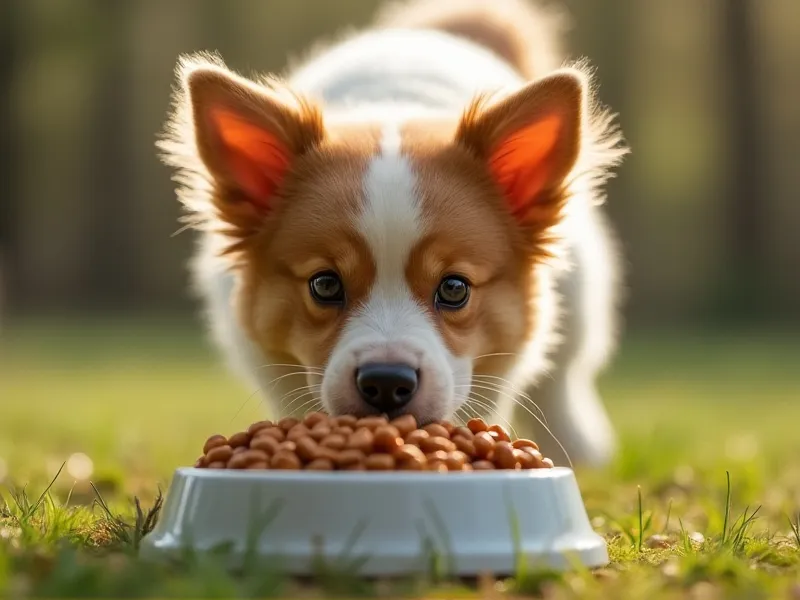
Table of Contents
- Can Dogs Eat Bunny Food? The Short Answer
- What Is Bunny Food, Anyway?
- Potential “Benefits” of Bunny Food for Dogs (Spoiler: They’re Minimal)
- The Risks: Why Bunny Food Isn’t Ideal for Dogs
- Safe Feeding Guidelines: If Your Dog Sneaks a Bite
- Healthier Alternatives to Bunny Food
- FAQ: Your Bunny Food Questions, Answered
- Conclusion: Prioritize Your Pup’s Unique Needs
Can Dogs Eat Bunny Food? The Short Answer
Let’s cut to the chase: In tiny, occasional amounts, bunny food is unlikely to harm your dog—but it’s not a good idea to make it a regular treat.
Bunny food (think pellets, hay, or mixed rabbit diets) is formulated specifically for rabbits, whose digestive systems and nutritional needs are drastically different from dogs. Rabbits are herbivores, thriving on high-fiber, low-protein diets. Dogs, on the other hand, are omnivores with a biological need for animal protein, moderate fiber, and balanced vitamins/minerals. Feeding bunny food to dogs regularly can lead to nutrient imbalances, stomach upset, or worse.
What Is Bunny Food, Anyway?
To understand why bunny food isn’t ideal for dogs, let’s first clarify what “bunny food” includes. Most rabbit diets consist of two main components:
- Pellets: Commercial rabbit pellets are fortified with nutrients like fiber, calcium, and vitamins (e.g., vitamin A). Many brands add sweeteners like molasses to make them palatable for rabbits.
- Hay: Timothy hay, alfalfa hay, or oat hay is a staple for rabbits, providing roughage to keep their digestive tracts moving and wearing down their ever-growing teeth.
Some rabbit owners also add fresh veggies (like kale or carrots) or dried fruits to their pets’ diets, but these are treats, not the main meal. For this article, we’ll focus on the core components: pellets and hay.
Potential “Benefits” of Bunny Food for Dogs (Spoiler: They’re Minimal)
At first glance, you might think, “Bunny food has fiber and vitamins—isn’t that good for my dog?” While it’s true that some nutrients in bunny food overlap with what dogs need, the amounts and balance are all wrong. Here’s a closer look:
1. Fiber: A Double-Edged Sword
Hay and pellets are high in fiber, which helps rabbits maintain healthy gut motility. Dogs also need fiber (it supports digestion and can regulate blood sugar), but too much fiber can backfire. Most high-quality dog foods already contain the ideal amount of fiber (2-4% for adult dogs), so adding bunny food’s extra fiber (pellets can have 18-25% fiber!) risks digestive upset (more on that later).
2. Vitamins: Not Worth the Risk
Bunny pellets often contain vitamins like A and C, which dogs need. But dogs get these vitamins from their regular food—commercial dog foods are legally required to be nutritionally complete. For example, vitamin A is abundant in liver and carrots (which are safer treats than bunny food). Vitamin C? Dogs actually produce their own, so supplementation is rarely necessary.
3. Potassium: Electrolyte Overload
Potassium is an essential electrolyte for dogs, supporting heart and muscle function. Bunny food has potassium, but so do bananas, sweet potatoes, and spinach—all safer, more digestible sources for dogs.
The Risks: Why Bunny Food Isn’t Ideal for Dogs
Now, let’s talk about the downsides. Bunny food might seem harmless, but it poses several risks to dogs, especially if eaten regularly or in large quantities.
1. Sugar: A Hidden Danger in Pellets
Many rabbit pellets contain molasses or other sweeteners to make them appealing to picky bunnies. While a little sugar won’t hurt your dog once in a while, regular sugar intake can lead to obesity, dental decay, or even diabetes. Dogs’ taste buds don’t crave sugar like humans (or rabbits) do, so there’s no need to add it to their diet.
2. Stomach Upset: Gas, Diarrhea, and Bloating
Rabbits have sensitive digestive systems adapted to break down high-fiber foods, but dogs are not. Eating hay or too many pellets can overwhelm your dog’s gut, leading to:
- Gas: Excess fiber fermenting in the colon produces gas, which can be painful (and smelly!).
- Diarrhea or constipation: Fiber acts as a laxative in large amounts, but if your dog isn’t used to it, it can cause loose stools—or, paradoxically, hard, dry stools if they’re dehydrated.
- Bloating: In severe cases, a sudden fiber overload can lead to gastric dilatation-volvulus (GDV), a life-threatening condition where the stomach twists. While rare from bunny food alone, it’s a risk not worth taking.
3. Choking and Blockage Hazards
- Pellets: Small, hard pellets can pose a choking risk, especially for toy breeds or dogs who gulp their food.
- Hay: Long strands of hay can get stuck in your dog’s throat or wrap around their teeth, causing choking. If swallowed, hay can also form a blockage in the intestines, which may require surgery to remove.
4. Nutrient Imbalance: Not All Diets Are Created Equal
Rabbits need high calcium, low protein, and specific fiber-to-starch ratios. Dogs need the opposite: moderate calcium, high-quality protein, and balanced fat. Feeding bunny food regularly can throw off your dog’s nutrient balance, leading to:
- Bone issues: Too much calcium (common in alfalfa-based pellets) can cause skeletal problems, especially in growing puppies.
- Protein deficiency: Bunny pellets are low in protein (5-15%, compared to 18-22% for adult dog food), which can lead to muscle loss or poor growth.
Safe Feeding Guidelines: If Your Dog Sneaks a Bite
Accidents happen! If your dog nabs a few bunny pellets or a strand of hay, don’t panic. Here’s how to handle it:
1. Keep It Occasional (and Tiny)
- Pellets: A single pellet or two is fine as a one-time mistake. Avoid letting them snack regularly.
- Hay: A small strand is unlikely to cause harm, but never let them munch on a pile.
2. Avoid Flavored or “Treat” Pellets
Steer clear of rabbit pellets with added fruits, nuts, or molasses. These have extra sugar and calories, increasing the risk of stomach upset.
3. Monitor for Reactions
After ingestion, watch your dog for 24 hours. Signs of trouble include:
- Vomiting or diarrhea
- Lethargy or loss of appetite
- Excessive gas or bloating
- Choking or gagging
If you notice any of these, contact your vet immediately.
4. Never Replace Dog Food with Bunny Food
Bunny food lacks the protein, fat, and balanced nutrients dogs need to thrive. It should never substitute even a small portion of their regular kibble or wet food.
Healthier Alternatives to Bunny Food
Instead of letting your dog sneak bunny food, opt for these dog-safe treats that offer the same nutrients (fiber, vitamins) without the risks:
1. Fresh Veggies: Crunchy and Nutritious
- Carrots: Low in calories, high in fiber and vitamin A. Perfect for dental health (the crunch scrapes plaque!).
- Green beans: Packed with fiber, vitamin C, and iron. Serve raw or steamed (no salt!).
- Cucumber: Hydrating, low-calorie, and gentle on the stomach.
2. Cooked Starches: Fiber and Energy
- Plain pumpkin: Canned pumpkin (not pie filling!) is a fiber superstar, great for upset tummies.
- Sweet potato: Cooked, mashed sweet potato is rich in fiber, vitamin A, and potassium.
- Oatmeal: Plain, cooked oatmeal (no sugar) offers fiber and B vitamins.
3. Dog-Safe Fruits: Natural Sweetness
- Blueberries: Antioxidant-rich and low in sugar.
- Apples: Remove the core and seeds (they contain cyanide), then slice—apples have fiber and vitamin C.
- Bananas: A small slice is a potassium boost (moderation is key, as they’re high in sugar).
FAQ: Your Bunny Food Questions, Answered
Q: Is rabbit hay safe for dogs to chew on?
A: A tiny piece is usually okay, but hay is not a safe chew toy. Long strands can get stuck in the throat or intestines, causing blockages. Stick to dog-safe chews like bully sticks or rubber toys instead.
Q: My dog ate a whole bowl of bunny pellets—what should I do?
A: Don’t panic, but call your vet. A large amount of pellets can cause severe stomach upset or blockages, especially in small dogs. Your vet may recommend monitoring at home or bringing them in for an exam.
Q: Can puppies eat bunny food?
A: Puppies have even more sensitive digestive systems than adult dogs. Avoid bunny food entirely—their growing bodies need precise nutrient ratios (protein, calcium) found only in puppy-formulated food.
Q: Are there any types of bunny food that are toxic to dogs?
A: Most bunny food isn’t toxic, but avoid pellets with added ingredients like raisins (toxic to dogs) or chocolate (rare, but dangerous). Always check the label if your dog ingests flavored pellets.
Conclusion: Prioritize Your Pup’s Unique Needs
In the end, while a tiny bite of bunny food won’t harm your dog, it’s far from ideal. Rabbits and dogs have vastly different dietary needs, and bunny food simply isn’t formulated for canine health.
If your dog is curious about other pets’ food, redirect them with a dog-safe treat (like a carrot stick or blueberry) and keep bunny bowls out of reach. And if you ever have concerns about your dog’s diet—whether they’ve sneaked a snack or you’re looking to add new treats—always consult your vet. They can help you choose options that keep your pup happy, healthy, and out of the rabbit’s bowl.
Remember: A little curiosity is normal for dogs, but their nutrition is not something to gamble with. Stick to their regular food, offer safe treats, and you’ll both avoid the panic of a bunny food mishap!
References
- American Kennel Club (AKC). “Human Foods Dogs Can and Can’t Eat.” akc.org
- ASPCA. “Toxic and Non-Toxic Plants.” aspca.org (Note: While bunny food isn’t toxic, this source highlights pet dietary safety.)
- PetMD. “Fiber for Dogs: Why It’s Important and How to Add It to Their Diet.” petmd.com
- Veterinary Centers of America (VCA). “Nutritional Requirements for Dogs.” vca.com