· 8 min read
Can Dogs Eat Bugs? A Pet Parent’s Guide to Bugs, Benefits, and Risks
It’s a familiar scene: You’re enjoying a lazy afternoon in the backyard when your dog suddenly darts across the grass, nose to the ground, chasing a fluttering butterfly or a scurrying beetle. Before you can shout “leave it!”, they snap their jaws shut—bug gone. Cue the panic: Is that safe? Can dogs eat bugs? If you’ve ever found yourself wondering this, you’re not alone. Bugs are everywhere, and our curious pups seem determined to taste-test as many as possible. Let’s dive into the nitty-gritty of whether bugs are a harmless snack or a hidden hazard for your furry friend.
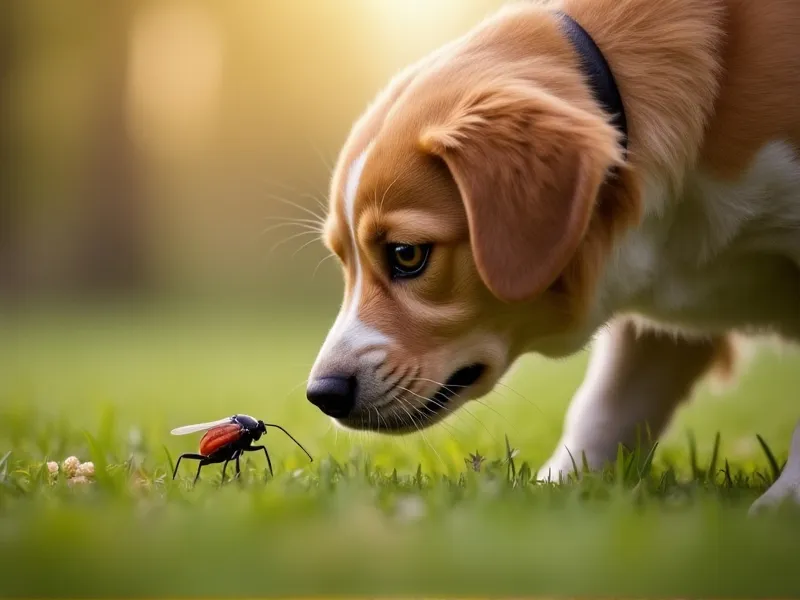
Table of Contents
- Can Dogs Eat Bugs? The Short Answer
- The Benefits of Bugs for Dogs
- The Risks of Dogs Eating Bugs
- How Much is Safe? Guidelines for Pet Parents
- Healthier Alternatives to Bugs
- FAQ: Common Questions About Dogs and Bugs
- Conclusion: Moderation is Key
- References
Can Dogs Eat Bugs? The Short Answer
Yes, dogs can eat most bugs—in moderation. For the most part, a curious pup who snatches a fly, ladybug, or grasshopper off the sidewalk is unlikely to suffer harm. In fact, some bugs are even packed with nutrients that could (theoretically) benefit your dog. However, not all bugs are created equal. Some carry toxins, pesticides, or pose choking hazards, and overindulgence can lead to stomach upset. So, while “yes” is the general answer, there’s a big “but” when it comes to safety.
The Benefits of Bugs for Dogs
Before you start stocking up on crickets, let’s clarify: Bugs shouldn’t replace your dog’s balanced diet. But in small, occasional amounts, they can offer some surprising perks. Here’s what makes bugs a (sometimes) beneficial snack:
1. High-Quality Protein
Insects are nature’s protein powerhouses. Crickets, for example, contain about 60-70% protein by dry weight—more than beef or chicken! This protein is rich in essential amino acids, which support muscle growth, immune function, and healthy skin/coat. Even common backyard bugs like grasshoppers or mealworms pack a protein punch.
Fun fact: Insect-based pet food is gaining popularity as a sustainable alternative to traditional meats, and the FDA has approved it as safe for dogs. Brands like Jiminy’s and Yora now sell kibble and treats made with cricket or black soldier fly larvae, leveraging this protein source intentionally.
2. Fiber for Digestive Health
Many bugs have exoskeletons made of chitin, a tough, fiber-like substance. While dogs can’t digest chitin fully, small amounts act as prebiotics, feeding the good bacteria in their gut. This can support digestion and regular bowel movements. Think of it like a tiny, crunchy fiber supplement—minus the pill!
3. Potassium and Micronutrients
Bugs are also rich in minerals like potassium, which is vital for heart health, muscle function, and nerve transmission. They may also contain zinc (for immune support), iron (for healthy blood), and B vitamins (for energy). For example, mealworms are a good source of copper, while crickets offer calcium (important for bones and teeth).
The Risks of Dogs Eating Bugs
While bugs have benefits, they’re not without risks—especially if your dog eats the wrong type or too many. Here’s what to watch out for:
1. Pesticides and Chemicals
The biggest risk isn’t the bug itself, but what’s on it. Bugs in your yard, garden, or park may have been exposed to pesticides, herbicides, or fertilizers. These chemicals can be toxic to dogs, causing symptoms like vomiting, diarrhea, lethargy, or even organ damage. If you treat your lawn with chemicals, keep a close eye on your dog—avoid letting them snack on bugs there!
2. Toxic Bugs
Not all bugs are safe. Some species are naturally toxic or can harm your dog through bites/stings. Watch out for these:
- Fire ants, bees, wasps, or hornets: Their stings can cause pain, swelling, or (in rare cases) anaphylactic shock. If your dog disturbs a nest, they could get multiple stings, which is dangerous.
- Monarch caterpillars: These eat milkweed, which contains cardiac glycosides—toxins that can cause vomiting, irregular heartbeat, or seizures.
- Ladybugs (Asian lady beetles): Harmless in small numbers, but eating too many can cause mouth ulcers or stomach upset (they secrete a foul-tasting fluid as defense).
- Black widow or brown recluse spiders: Their venom is dangerous and requires immediate vet attention (symptoms include muscle pain, fever, or organ failure).
- Centipedes/millipedes: Some centipedes bite, causing pain and swelling; millipedes secrete a toxin that irritates the mouth and stomach.
3. Choking or Blockages
Small dogs are especially at risk here. Large bugs (like beetles or grasshoppers) or bugs with hard exoskeletons can get stuck in your dog’s throat, causing choking. Even if swallowed, sharp parts (like a beetle’s elytra) could damage the digestive tract or cause blockages—though this is rare with occasional snacking.
4. Stomach Upset
Eating too many bugs (or bugs with tough exoskeletons) can irritate your dog’s stomach. Symptoms may include vomiting, diarrhea, or gas. Puppies, senior dogs, or dogs with sensitive stomachs are more prone to this.
5. Allergies
While rare, some dogs may be allergic to certain bugs. Signs of an allergic reaction include itching, hives, swelling (especially around the face), or difficulty breathing. If you notice these, contact your vet immediately.
How Much is Safe? Guidelines for Pet Parents
So, if most bugs are “safe in moderation,” what does “moderation” look like? Here’s how to keep your pup safe:
1. Occasional is Best
Bugs should be an occasional treat, not a regular part of their diet. Think: 1-2 small bugs per week (e.g., a fly, ladybug, or small grasshopper). More than that increases the risk of stomach upset or chemical exposure.
2. Size Matters
A Great Dane can probably handle a large beetle without issue, but a Chihuahua might choke on it. Adjust based on your dog’s size—smaller dogs = smaller bugs (if any).
3. Avoid Wild-Caught Bugs in “Risky” Areas
Skip bugs from lawns treated with pesticides, near roads (exhaust fumes), or in areas with standing water (may carry parasites). If you want to “treat” your dog to bugs, opt for store-bought options (like mealworms from a pet supply store) that are raised without chemicals.
4. Monitor for Reactions
If your dog eats a bug, keep an eye on them for 24 hours. Watch for vomiting, diarrhea, lethargy, swelling, or difficulty breathing. If any of these occur, call your vet.
Healthier Alternatives to Bugs
If the risks of bugs make you nervous, there are safer ways to give your dog the nutrients bugs offer. Here are some alternatives:
1. Insect-Based Dog Food/Treats
Instead of letting your dog chase wild bugs, try commercially made insect-based products. Brands like Jiminy’s (cricket treats), Yora (black soldier fly larvae kibble), or Entomo Farms (mealworm treats) are formulated to be safe, nutritious, and free of pesticides. They’re also eco-friendly!
2. Lean Proteins
Stick to tried-and-true proteins like boiled chicken, turkey, or fish. These are lower-risk than wild bugs and just as high in amino acids. For a crunchy texture (like a bug!), try freeze-dried chicken treats.
3. Fiber-Rich Veggies
For gut-friendly fiber, offer cooked sweet potatoes, pumpkin (plain, no sugar), or green beans. These are easier to digest than bug exoskeletons and packed with vitamins.
4. Dog-Safe Fruits
Blueberries, apples (without seeds), or bananas provide vitamins, antioxidants, and natural sweetness—no bugs required!
FAQ: Common Questions About Dogs and Bugs
Q: My dog ate a bug and is acting weird. Should I panic?
A: Panic isn’t helpful, but monitor them closely. If they’re vomiting, lethargic, or have swelling, call your vet ASAP. Most reactions are mild, but better safe than sorry.
Q: Are all bugs toxic to dogs?
A: No! Most common backyard bugs (flies, ladybugs, ants, small grasshoppers) are harmless in small amounts. The risky ones are those with venom, stingers, or toxins (like fire ants or monarch caterpillars).
Q: Can I feed my dog bugs to help with their protein intake?
A: It’s better to use a balanced dog food. While bugs have protein, they lack other essential nutrients (like fatty acids or vitamins) that your dog needs. Insect-based kibble is a better bet if you want to use bugs as protein.
Q: Is it okay if my dog eats spiders?
A: Most spiders are harmless (e.g., house spiders). But avoid black widows, brown recluses, or wolf spiders—their bites can be dangerous. If you’re unsure, contact your vet.
Conclusion: Moderation is Key
So, can dogs eat bugs? For the most part, yes—occasional, small, non-toxic bugs are unlikely to harm your pup. They might even offer a tiny nutrient boost! But the risks (pesticides, toxic bugs, choking) mean bugs shouldn’t be a regular snack.
When in doubt, stick to safer alternatives like insect-based treats or lean proteins. And if your dog gobbles up a bug and seems off, don’t hesitate to call your vet. After all, your pup’s health is always worth checking in on.
Happy (bug-free?) adventures with your furry friend!
References
- American Society for the Prevention of Cruelty to Animals (ASPCA). “Insects and Other Arthropods.” ASPCA.org
- PetMD. “Is It Safe for Dogs to Eat Bugs?” PetMD.com
- Journal of Veterinary Behavior. “Insect Consumption in Dogs: Prevalence and Owner Perceptions.” (2020)
- Cummings School of Veterinary Medicine at Tufts University. “Insects as Pet Food: A Sustainable Option.” Tufts.edu
- FDA. “Insect-Based Pet Food: What You Need to Know.” FDA.gov