· 8 min read
Can Dogs Eat Bubbles? The Surprising Truth Every Pet Parent Should Know
It’s a classic summer scene: you’re outside on the lawn, blowing iridescent bubbles into the air, and your dog is in a state of pure joy. They leap, spin, and snap at the floating orbs, their tail thumping so hard it could power a small fan. Then—pop—a bubble lands on their nose, and they lick it off, looking up at you as if to say, “More, please!”
If you’ve ever frozen in that moment, wondering, “Wait, can dogs eat bubbles?” you’re not alone. Bubbles are a staple of outdoor play, but when our curious pups turn bubble-chasing into bubble-licking, it’s natural to worry. Are these shiny spheres harmless fun, or could they pose a risk to your dog’s health?
In this guide, we’ll break down everything you need to know: whether bubbles are safe, what’s actually in them, potential benefits (yes, there are a few!), risks to watch for, and how to keep playtime fun and safe. Let’s dive in!
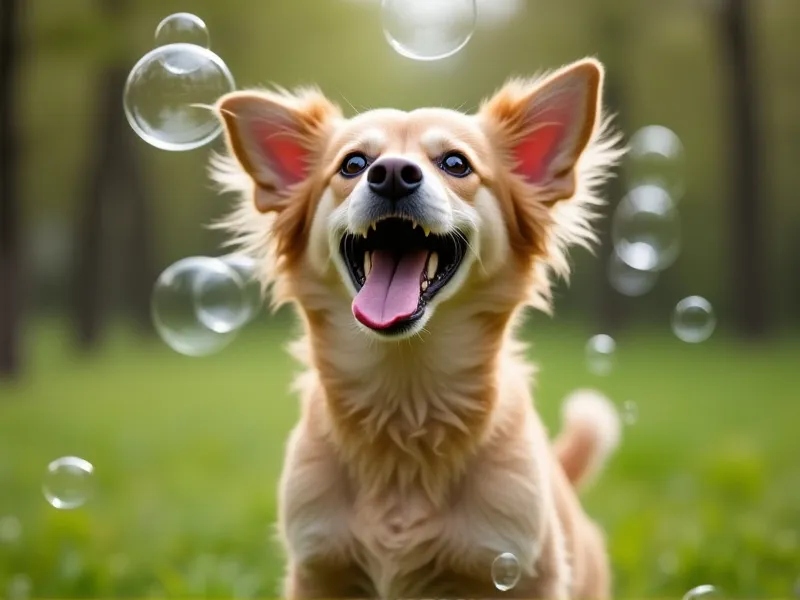
Table of Contents
- Can Dogs Eat Bubbles? The Short Answer
- What’s Actually in Bubble Solution? Regular vs. Edible Bubbles
- Potential “Benefits” of Edible Bubbles (Spoiler: It’s Mostly About Play!)
- The Risks: Why Bubbles Aren’t a “Safe Snack”
- How Much Bubble Solution Is “Safe” for Dogs?
- Healthier Alternatives to Keep Playtime Bubbly
- FAQ: Your Bubble-Related Questions Answered
- Conclusion: Bubbles Are for Playing, Not Eating
- References
Can Dogs Eat Bubbles? The Short Answer
Let’s cut to the chase: Most commercial bubble solutions aren’t toxic to dogs, but they’re not meant to be eaten, either.
The key difference lies in what’s in the bubbles and how much your dog consumes. Regular bubble solutions (the kind you buy at the grocery store) are made with soap, water, and sometimes fragrances or dyes—ingredients that can upset your dog’s stomach if they lick too much.
On the flip side, “edible” or “pet-safe” bubble solutions (marketed for kids or pets) are designed to be non-toxic if licked. But even these aren’t “healthy” snacks. They’re still mostly water and additives, and overindulging can cause issues.
In short: Bubbles are great for play, but keep the focus on chasing, not chomping.
What’s Actually in Bubble Solution? Regular vs. Edible Bubbles
To understand if bubbles are safe, let’s start with the basics: What’s in that bottle?
Regular Bubble Solutions (Non-Edible)
Most standard bubble solutions (like the ones you find in party favor bags or toy stores) contain:
- Water: The base.
- Surfactants: Soap-like ingredients (e.g., sodium laureth sulfate) that reduce surface tension, allowing bubbles to form.
- Glycerin or corn syrup: To make bubbles last longer.
- Fragrances, dyes, or glitter: For appeal (but these are often unnecessary and potentially irritating).
These ingredients are fine for playing with, but they’re not meant to be ingested. Think of them like dish soap: A tiny lick might not hurt, but drinking a cupful would make you (and your dog) sick.
Edible or “Pet-Safe” Bubble Solutions
In recent years, brands have started selling “edible” or “pet-safe” bubbles, marketed as safer for curious kids and dogs. These typically swap harsh surfactants for milder ingredients, like:
- Purified water
- Natural surfactants: (e.g., plant-based soap or glycerin)
- Fruit juice or natural flavors: (e.g., apple, banana) for taste.
- No added sugar, dyes, or fragrances: (Ideally—always check the label!)
These are gentler if licked, but “edible” doesn’t mean “nutritious.” They’re still a novelty, not a food source.
Potential “Benefits” of Edible Bubbles (Spoiler: It’s Mostly About Play!)
You might be wondering, “If bubbles aren’t food, do they offer any benefits at all?” The short answer: Yes—but not from eating them. The real perks come from the play itself!
Mental and Physical Stimulation
Chasing bubbles is a fantastic workout for dogs. It gets them moving, improves coordination, and taps into their natural prey drive (hello, zoomies!). For high-energy breeds or dogs stuck indoors, bubble play can burn off excess energy and reduce boredom.
Bonding Time
Blowing bubbles together is a simple way to bond with your pup. They’ll associate the activity with fun and attention, strengthening your relationship.
Trace Nutrients (In Some Edible Bubbles)
A few edible bubble brands add small amounts of fruit juice (like banana or pumpkin) for flavor. These might contain tiny bits of fiber, potassium, or vitamins—but don’t get too excited. The amounts are minimal, and your dog would need to drink a lot of bubbles to get any real nutritional value (which, as we’ll see, is a bad idea).
The Risks: Why Bubbles Aren’t a “Safe Snack”
Now, let’s talk about the downsides. Even “safe” bubbles can cause problems if your dog overindulges. Here’s what to watch for:
Regular Bubble Risks: Soap, Chemicals, and GI Upset
Regular bubble solutions are the riskiest. The surfactants (soap-like ingredients) can irritate your dog’s digestive tract, leading to:
- Vomiting
- Diarrhea
- Stomach pain
- Drooling (from nausea or mouth irritation)
In rare cases, if a dog drinks a large amount of regular bubble solution, it could cause electrolyte imbalances or dehydration. Fragrances and dyes might also trigger allergic reactions in sensitive pups (think itchy skin or paw-licking).
Edible Bubble Risks: Sugar, Overindulgence, and Hidden Ingredients
Edible bubbles are safer, but they’re not risk-free. Here’s why:
Added Sugar
Some “edible” bubbles contain sugar or artificial sweeteners to make them taste better. Sugar is a big no-no for dogs: It can lead to obesity, dental disease, and even pancreatitis (a painful, life-threatening inflammation of the pancreas).
Too Much of a “Good” Thing
Even sugar-free edible bubbles are mostly water and glycerin. If your dog licks up a lot, the extra fluid can dilute stomach acids, causing bloating or loose stools. Glycerin, in large amounts, can also act as a laxative (uh-oh).
Choking and Inhalation Risks
Bubbles themselves are mostly air, but there’s a small risk if your dog inhales a large bubble while jumping. This could cause coughing, gagging, or (rarely) mild respiratory irritation. Always supervise play to prevent overexuberant leaping!
How Much Bubble Solution Is “Safe” for Dogs?
The golden rule: Less is more.
- Regular bubbles: Avoid intentional ingestion. If your dog licks a few stray bubbles during play, monitor them for signs of upset (vomiting, diarrhea). If they drink from the bottle, call your vet.
- Edible bubbles: A few licks during playtime is usually fine. But if your dog starts lapping up the solution like it’s a bowl of water, redirect them (try a toy or treat) to prevent overindulgence.
Healthier Alternatives to Keep Playtime Bubbly
If you want to keep the bubble fun but reduce risks, try these pet-safe alternatives:
1. Homemade Pet-Safe Bubbles
Skip store-bought and make your own! Here’s a simple recipe:
- 1 cup filtered water
- 1 tablespoon glycerin (optional, for longer bubbles)
- 1 teaspoon mild, fragrance-free, dye-free dish soap (e.g., Dawn Free & Clear—check with your vet first!)
- Bonus: Add a splash of unsweetened pumpkin puree or mashed banana for flavor (no sugar!).
Mix gently (avoid bubbles in the bowl!) and store in a sealed container.
2. Non-Edible Bubbles + Supervision
Stick with regular bubbles, but keep a close eye. If your dog starts licking the ground after popping bubbles, distract them with a toy or a “leave it” command. Most dogs will lose interest once the bubbles are gone!
3. Bubble Machines (With Caution)
Bubble machines are a hit with dogs, but they can spew out a lot of solution. Place the machine on a elevated surface (like a table) to reduce licking, and turn it off if your dog starts fixating on the liquid.
4. DIY “Bubble” Toys
If bubbles stress you out, try alternatives like floating fetch toys or crumpled paper balls. They mimic the “chase” factor without the risk of ingestion.
FAQ: Your Bubble-Related Questions Answered
Q: My dog ate a bubble—should I panic?
A: Probably not! A single bubble (or a few licks of solution) is unlikely to cause harm. Monitor them for 24 hours for vomiting, diarrhea, or lethargy. If symptoms appear, call your vet.
Q: Are all “pet-safe” bubble solutions created equal?
A: No. Always read the label! Avoid products with added sugar, xylitol (a toxic sweetener), or harsh chemicals. Look for brands labeled “non-toxic” and “veterinarian-approved.”
Q: Can puppies eat bubbles?
A: Puppies have sensitive stomachs, so it’s best to avoid letting them lick bubbles. Stick to supervised play with non-edible bubbles, and redirect licking with a toy.
Q: What if my dog drank the entire bottle of bubble solution?
A: This is cause for concern! Contact your vet or the Pet Poison Helpline immediately. They may recommend monitoring for dehydration or administering activated charcoal (if needed).
Q: Are bubbles safe for dogs with allergies?
A: It depends on the allergy. Fragrances and dyes in regular bubbles can trigger reactions, so opt for fragrance-free, dye-free options. If your dog has food allergies, skip edible bubbles with fruit additives.
Conclusion: Bubbles Are for Playing, Not Eating
At the end of the day, bubbles are a fun, low-cost way to bond with your dog—but they’re not snacks. Whether you’re using regular or edible bubbles, supervision is key. A few licks during playtime are usually harmless, but overindulgence can lead to stomach upset (or worse).
When in doubt, stick to pet-safe products, avoid added sugars, and never hesitate to call your vet if you notice unusual symptoms. After all, the best part of bubble play isn’t the bubbles themselves—it’s watching your dog’s face light up as they leap and laugh (yes, dogs laugh!) in the sun.
So go ahead, blow those bubbles, and enjoy the show. Just keep the focus on fun, not feasting!
References
- American Society for the Prevention of Cruelty to Animals (ASPCA). (n.d.). Toxic and Non-Toxic Substances. aspca.org/pet-care/animal-poison-control
- Pet Poison Helpline. (n.d.). Common Household Items. petpoisonhelpline.com/poisons/
- VCA Animal Hospitals. (2021). Pancreatitis in Dogs. vcahospitals.com/know-your-pet/pancreatitis-in-dogs
- The Spruce Pets. (2022). How to Make Safe Bubbles for Dogs. thesprucepets.com/homemade-dog-bubbles-5116067