· 9 min read
Can Dogs Eat Brown Gravy? Risks, Benefits, and Safe Guidelines for Pet Parents
It’s a familiar scene: You’re savoring a hearty dinner—maybe a roast chicken, meatloaf, or Thanksgiving turkey—and your dog is parked at your feet, tail thumping, eyes glued to the drizzle of brown gravy on your plate. “Just a tiny spoonful won’t hurt,” you think. After all, gravy is so tasty—why shouldn’t your pup enjoy a little luxury, too?
But before you slide that forkful their way, let’s get real: Brown gravy (whether store-bought, restaurant-style, or homemade) isn’t exactly a “superfood” for dogs. In fact, it can be downright risky if given incorrectly. The good news? With careful ingredient checks and moderation, a tiny taste might be okay on rare occasions. The bad news? Most gravies hide hidden dangers that could harm your dog’s health.
In this guide, we’ll break down everything you need to know: Can dogs eat brown gravy? What are the risks? Are there any benefits? And if you do want to share, how much is safe? Let’s dig in.
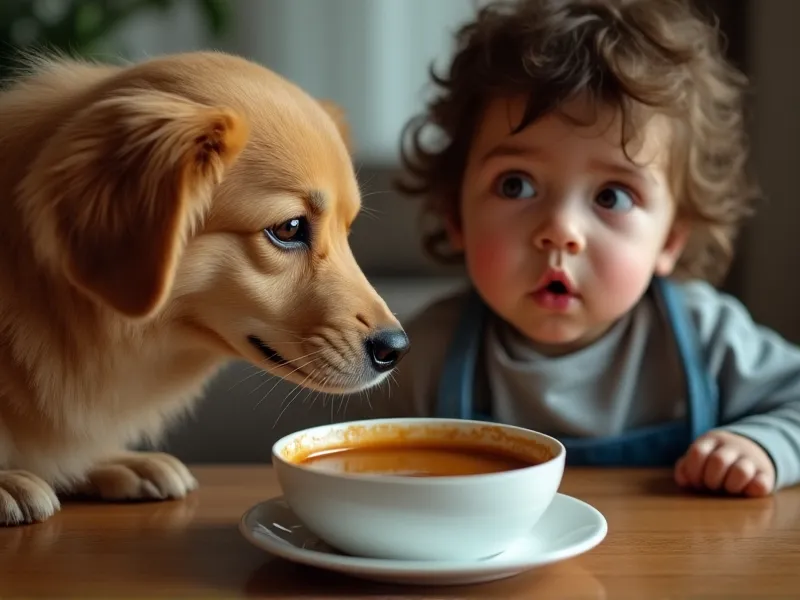
Table of Contents
- Can Dogs Eat Brown Gravy? The Short Answer
- Potential “Benefits” of Brown Gravy (Spoiler: They’re Minimal)
- The Risks of Brown Gravy for Dogs (These Are the Big Ones)
- How Much Brown Gravy Is Safe for Dogs? Guidelines to Follow
- Healthier Alternatives to Brown Gravy
- FAQ: Your Brown Gravy Questions Answered
- Conclusion: Prioritize Safety Over Indulgence
Can Dogs Eat Brown Gravy? The Short Answer
Yes, but only in very small, occasional amounts—and only if the gravy is made with safe, simple ingredients.
Most store-bought, restaurant, or even homemade gravies are high in sodium, fat, and often contain toxic additives (like onion or garlic powder). For example, a single tablespoon of store-bought gravy can have 200–400 mg of sodium—that’s nearly half the daily recommended sodium intake for a 20-pound dog!
If you must share, opt for a homemade version with no salt, sugar, onions, garlic, or excessive fat. Even then, it should be a once-in-a-blue-moon treat, not a regular part of their diet. When in doubt? Skip it. Your dog’s regular food is already balanced to meet their nutritional needs—gravy is just empty calories (with risks).
Potential “Benefits” of Brown Gravy (Spoiler: They’re Minimal)
Let’s start with the positives—though they’re few and far between. If you make brown gravy from scratch using ultra-simple, dog-safe ingredients (think: unsalted bone broth, a touch of flour for thickening, and maybe a dash of parsley), it might offer tiny perks:
1. Trace Nutrients from Bone Broth
If your gravy starts with homemade bone broth (simmered from chicken, beef, or turkey bones without onions or garlic), it may contain small amounts of:
- Collagen: Supports joint health and skin/coat condition.
- Minerals: Potassium, phosphorus, and calcium (though not enough to replace a balanced diet).
- Hydration: A warm, liquid treat might encourage a picky eater to drink more water (though broth alone is better for this).
2. A Little Flavor Boost (for Picky Eaters)
Some dogs turn up their noses at plain kibble. A tiny drizzle of low-sodium, dog-safe gravy might make mealtime more exciting—but only if your vet approves. (Note: If your dog is picky, there are safer ways to entice them, like adding plain pumpkin or bone broth—more on that later!)
The Bottom Line:
These “benefits” are negligible. Your dog gets all the nutrients they need from their regular food. Gravy is a treat, not a supplement.
The Risks of Brown Gravy for Dogs (These Are the Big Ones)
Now, let’s talk about the dangers. Most gravies—even “homemade” ones—pose serious risks to dogs. Here’s what to watch for:
1. High Sodium: A Hidden Threat
Dogs need far less sodium than humans. According to the Association of American Feed Control Officials (AAFCO), adult dogs require just 0.08% sodium in their diet (about 100 mg per 1,000 calories). Excess sodium can lead to:
- Salt Toxicity: Symptoms include extreme thirst, vomiting, diarrhea, lethargy, seizures, or even death in severe cases.
- Dehydration: Too much salt makes dogs drink excessively, straining their kidneys over time.
- Hypertension: Chronic high sodium intake can raise blood pressure, increasing heart disease risk.
Store-bought gravies are the worst offenders here. For example, a ½-cup serving of canned brown gravy has ~800 mg of sodium—way more than a 50-pound dog should have in a day!
2. Onions and Garlic: Toxic to Dogs (Even in Powder Form)
Onions, garlic, leeks, and chives (all part of the Allium family) are toxic to dogs, even in small amounts. They damage red blood cells, leading to anemia (symptoms: weakness, pale gums, lethargy).
Unfortunately, onion and garlic powder are common additives in gravies (to boost flavor). Even a “pinch” in store-bought or restaurant gravy can be dangerous, especially if fed repeatedly.
3. Added Sugars: Empty Calories
Many gravies (especially “sweet” varieties, like brown gravy with molasses or honey) contain added sugars. Dogs have no nutritional need for sugar, and excess can cause:
- Obesity: Extra calories lead to weight gain, which raises the risk of diabetes, joint pain, and heart disease.
- Dental Issues: Sugar feeds harmful bacteria in your dog’s mouth, leading to cavities and gum disease.
4. High Fat Content: Pancreatitis Risk
Gravy is often made with pan drippings or added fats (butter, oil), making it high in fat. Fatty foods can trigger pancreatitis in dogs—a painful, life-threatening condition where the pancreas becomes inflamed. Symptoms include vomiting, diarrhea, loss of appetite, and abdominal pain.
Pancreatitis is especially risky for small dogs, overweight dogs, or breeds prone to the condition (like Miniature Schnauzers).
5. Stomach Upset and Choking Hazards
Rich, fatty, or unfamiliar foods like gravy can irritate your dog’s digestive system, leading to vomiting, diarrhea, or gas. Thick gravy may also cause gagging or choking, especially in small dogs or those prone to swallowing too quickly.
How Much Brown Gravy Is Safe for Dogs? Guidelines to Follow
If you’ve checked the ingredients (no onions, garlic, sugar, or excess salt) and still want to share a tiny taste, follow these rules:
1. Stick to “Micro-Portions”
- Small dogs (under 20 lbs): ¼–½ teaspoon (about the size of a pea).
- Medium dogs (20–50 lbs): ½–1 teaspoon.
- Large dogs (50+ lbs): 1–2 teaspoons (max).
Even a tablespoon for a large dog is pushing it—remember, gravy is calorie-dense and offers no real nutrition.
2. Only Occasionally
Once a month (or less!) is plenty. Regular gravy treats can lead to weight gain, sodium buildup, or digestive issues.
3. Check Ingredients First
Read labels carefully or ask about ingredients (if dining out). Avoid gravy with:
- Onions, garlic, leeks, or chives (fresh, dried, or powdered).
- Added sugars (honey, molasses, corn syrup).
- Excess salt (look for “low-sodium” if buying pre-made, but even then, check for other additives).
- Artificial flavors, preservatives, or thickeners (like xylitol, which is toxic to dogs—though rare in gravy, it’s worth checking).
4. Skip It If Your Dog Has Health Issues
Dogs with kidney disease, heart problems, diabetes, or pancreatitis should never have gravy. The sodium, sugar, or fat could worsen their condition.
Healthier Alternatives to Brown Gravy
If you want to “spice up” your dog’s meal or share a special treat, these options are safer, more nutritious, and just as tasty (in your dog’s opinion!):
1. Homemade Bone Broth
Simmer chicken, beef, or turkey bones (no onions/garlic!) in water for 12–24 hours. Strain, cool, and freeze in ice cube trays. A cube or two mixed into kibble adds flavor, hydration, and collagen for joints.
Pro tip: Add a handful of carrots or celery (chopped fine) while simmering for extra vitamins!
2. Plain Pumpkin Puree (Unsweetened)
Canned pumpkin (not pie filling!) is low in calories, high in fiber, and great for digestion. A teaspoon mixed into food can soothe an upset stomach or entice picky eaters.
3. Mashed Sweet Potato
Boil or bake a sweet potato, mash it (no butter or salt!), and serve a teaspoon. It’s packed with beta-carotene (vitamin A) and fiber.
4. Low-Sodium Chicken Broth
Look for store-bought broth labeled “low-sodium” and without onion/garlic. It’s a quick, easy way to add moisture to kibble.
5. Green Beans (Steamed or Raw)
Crunchy, low-calorie, and full of fiber—green beans make a great “gravy substitute” for topping kibble (or as a standalone treat).
FAQ: Your Brown Gravy Questions Answered
Q: Can dogs eat turkey gravy (like from Thanksgiving)?
A: Turkey gravy is just brown gravy made with turkey drippings—so the same rules apply! Avoid it if it contains onions, garlic, or excess salt. Even “homemade” Thanksgiving gravy often has butter, salt, or garlic, so skip sharing unless you made a dog-safe batch (no additives).
Q: My dog stole a bunch of brown gravy! What should I do?
A: Stay calm. If it was a small amount (e.g., a few licks), monitor for vomiting, diarrhea, or excessive thirst. If they ate a large portion (especially with onions/garlic), contact your vet immediately. Onion/garlic toxicity can take 2–5 days to show symptoms, so don’t wait for signs.
Q: Is brown gravy with meat chunks okay?
A: The chunks (if cooked, boneless meat) are safer than the gravy itself, but the gravy is still risky. Remove the chunks, rinse off excess gravy, and offer the meat plain instead.
Q: Can puppies eat brown gravy?
A: Puppies have sensitive tummies and developing organs—avoid gravy entirely. Their diet should focus on puppy-formulated food to meet growth needs.
Conclusion: Prioritize Safety Over Indulgence
At the end of the day, brown gravy isn’t worth the risk for most dogs. While a tiny, occasional taste of dog-safe gravy might not harm them, the potential dangers (sodium, toxins, pancreatitis) far outweigh the minimal “benefits.”
Instead of sharing your gravy, opt for safer treats like bone broth, pumpkin, or steamed veggies. Your dog will love the extra attention, and you’ll have peace of mind knowing you’re keeping them healthy.
As always, if you’re unsure about a food or notice your dog acting sick after eating gravy, contact your vet. They know your dog’s health best and can guide you on next steps.
Here’s to happy, healthy pups—and many more tail wags (sans gravy)!
References
- American Society for the Prevention of Cruelty to Animals (ASPCA). “Onions, Garlic, Chives, and Leeks.” aspca.org/pet-care/animal-poison-control/onion-garlic-chive-leek-poisoning-dogs-cats
- VCA Animal Hospitals. “Sodium (Salt) Toxicity in Dogs.” vcahospitals.com/know-your-pet/sodium-salt-toxicity-in-dogs
- PetMD. “Pancreatitis in Dogs.” petmd.com/dog/conditions/digestive/c_dg_pancreatitis
- Association of American Feed Control Officials (AAFCO). “Dog Food Nutrient Profiles.” aafco.org/Consumer-Info/Pet-Food-Nutrition