· 8 min read
Can Dogs Eat Brown Beans? A Pet Parent’s Guide to Safe Snacking
It’s a cozy weeknight, and you’re whipping up a batch of your famous bean soup—rich, aromatic, and loaded with tender brown beans. As you stir, your dog trots over, nose twitching, and plops down at your feet, those irresistible puppy eyes begging for a taste. You pause: Are brown beans safe for dogs? After all, they’re a superfood for humans—packed with fiber, protein, and nutrients. But when it comes to our four-legged family members, not everything we eat is fair game. Let’s dive into the details to keep your pup happy, healthy, and (maybe) enjoying a bean-based treat.
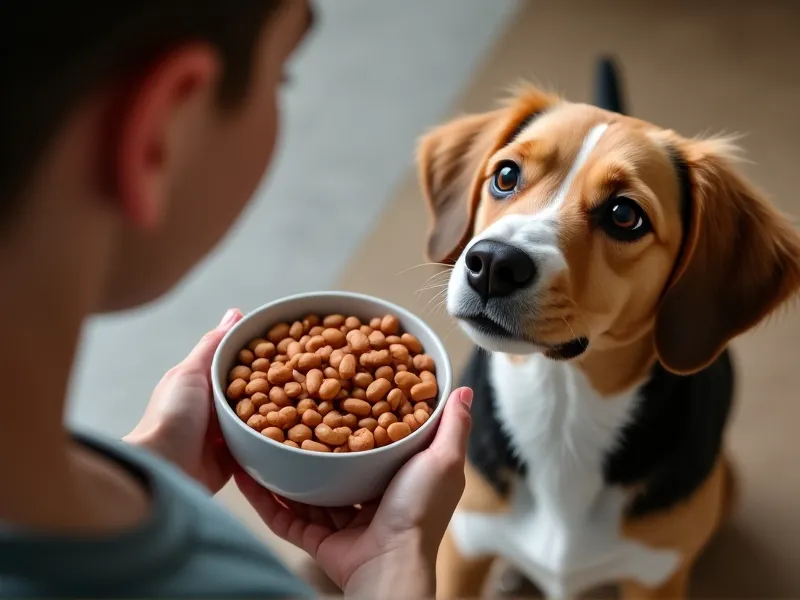
Table of Contents
- Can Dogs Eat Brown Beans? The Short Answer
- Nutritional Benefits of Brown Beans for Dogs
- Potential Risks: What to Watch Out For
- Safe Feeding Guidelines: How Much (and How) to Offer
- Healthier Alternatives to Brown Beans
- FAQ: Your Brown Bean Questions Answered
- Conclusion: Moderation is Key
Can Dogs Eat Brown Beans? The Short Answer
Yes, dogs can eat brown beans—but only in moderation and with careful preparation. Brown beans (also called pinto beans, kidney beans, or black beans, depending on the variety) are non-toxic to dogs and can even offer some nutritional perks. However, they’re not a staple food, and improper preparation or overfeeding can lead to digestive upset or other issues. Think of them as an occasional “human food” treat, not a replacement for your dog’s balanced kibble or wet food.
Nutritional Benefits of Brown Beans for Dogs
Brown beans are a nutrient-dense food for humans, and many of those benefits extend to dogs—when served correctly. Here’s why they might earn a spot in your pup’s treat rotation:
1. Fiber: A Happy Gut Helper
Brown beans are rich in dietary fiber, which supports healthy digestion by promoting regular bowel movements and feeding beneficial gut bacteria. For dogs prone to constipation, a small amount of cooked brown beans can act as a gentle, natural laxative. Fiber also helps dogs feel full, which may aid in weight management for pups who love to overeat.
2. Plant-Based Protein: Muscle Support
While dogs are primarily carnivores, they can digest and use plant-based protein (though it shouldn’t replace animal protein in their diet). Brown beans contain about 15-20 grams of protein per cup (cooked), which can help support muscle maintenance and energy levels—especially for active dogs.
3. Potassium: Heart and Muscle Health
Potassium is an essential mineral that regulates heart rhythm, muscle function, and fluid balance. Dogs need potassium to keep their hearts beating steadily and their muscles (including the heart muscle) working properly. A cup of cooked brown beans has around 1,000 mg of potassium—about 20% of the daily recommended intake for a 50-pound dog.
4. Iron and B Vitamins: Energy and Blood Health
Brown beans are a good source of iron, which helps red blood cells carry oxygen throughout the body. They also contain B vitamins (like folate and thiamine), which support energy metabolism and brain function. For dogs with mild anemia (low iron), a tiny serving of cooked beans might offer a small boost (always check with your vet first!).
Potential Risks: What to Watch Out For
While brown beans have benefits, they’re not without risks. Here’s what to avoid to keep your dog safe:
1. Added Sugar, Salt, or Seasonings
Most canned brown beans come packed in saltwater or “sugary sauces” (like baked beans). Salt is toxic to dogs in large amounts, causing dehydration, kidney damage, or even sodium ion poisoning. Sugar can lead to obesity, dental issues, or diabetes over time. Spices like garlic, onion, or chili powder (common in human bean dishes) are toxic to dogs and can damage red blood cells. Always choose plain, unseasoned, cooked brown beans—no salt, sugar, or spices!
2. Digestive Upset: Gas, Bloating, or Diarrhea
Beans are famous for causing gas in humans, and dogs are no exception. Their digestive systems aren’t designed to break down large amounts of fiber quickly, so overfeeding can lead to uncomfortable bloating, flatulence, or loose stools. Puppies, senior dogs, or dogs with sensitive stomachs are especially prone to this.
3. Lectins: Toxic in Raw or Undercooked Beans
Raw or undercooked brown beans contain lectins—natural proteins that can cause vomiting, diarrhea, or abdominal pain in dogs (and humans!). Lectins are destroyed by thorough cooking, so never feed your dog raw beans. Even partially cooked beans can be risky—boil them for at least 10-15 minutes (or follow package instructions) to neutralize lectins.
4. Choking Hazard for Small Dogs
Whole, cooked brown beans are small and round, which could pose a choking risk for tiny breeds (like Chihuahuas or Yorkies) or dogs who gulp their food without chewing. If you have a small dog, mash the beans first or serve them mixed into their regular food to reduce this risk.
Safe Feeding Guidelines: How Much (and How) to Offer
If you want to share brown beans with your dog, follow these rules to keep them safe and happy:
Step 1: Cook Them Thoroughly
Always serve brown beans fully cooked (no raw or undercooked beans!). Boil or pressure-cook dried beans until they’re soft (follow package instructions), or rinse canned beans very well to remove excess salt and then heat them briefly (canned beans are already cooked, but heating helps with digestion).
Step 2: Keep Portions Tiny
Brown beans should be a treat, not a meal. A general rule:
- Small dogs (5-20 lbs): 1-2 tablespoons of cooked, plain brown beans per week.
- Medium dogs (20-50 lbs): ¼ cup per week.
- Large dogs (50+ lbs): ½ cup per week.
Overfeeding can lead to gas, diarrhea, or weight gain (beans are calorie-dense—about 220 calories per cup cooked).
Step 3: Serve Plain and Unseasoned
No salt, sugar, butter, garlic, onion, or spices. Avoid baked beans, refried beans, or bean dips—these are loaded with additives that are bad for dogs.
Step 4: Introduce Slowly
If your dog has never eaten beans before, start with a tiny amount (e.g., 1 teaspoon for small dogs) and monitor for 24 hours. If they develop gas, diarrhea, or vomiting, skip the beans next time.
Healthier Alternatives to Brown Beans
If you’re concerned about the risks of brown beans, or your dog didn’t love them, these alternatives are safer and often easier to digest:
1. Green Beans
A top pick! Green beans are low in calories, high in fiber, and packed with vitamins A, C, and K. They’re crunchy, easy to digest, and most dogs love them raw or steamed. Serve as a snack or mix into food for extra crunch.
2. Lentils
Lentils are smaller, softer, and easier to digest than brown beans. They’re rich in protein, iron, and fiber, and cook quickly (no soaking needed!). Serve plain, cooked lentils in small portions (same guidelines as brown beans).
3. Chickpeas (Garbanzo Beans)
Chickpeas are another dog-safe bean. They’re lower in lectins than brown beans and have a nutty flavor many dogs enjoy. Cook them until soft, mash, and serve sparingly (watch for gas—they’re still beans!).
4. Sweet Potatoes
For a fiber and nutrient boost, try cooked, plain sweet potato. They’re high in beta-carotene (vitamin A), potassium, and fiber, and are gentle on sensitive stomachs. Mash or dice as a treat.
FAQ: Your Brown Bean Questions Answered
Q: Can dogs eat canned brown beans?
A: Only if they’re plain, no-salt-added and rinsed thoroughly. Most canned beans have added salt, so check the label. “Low sodium” is better, but even then, rinse to remove excess salt. Avoid canned beans with sauces, sugar, or spices.
Q: Are raw brown beans toxic to dogs?
A: Yes! Raw beans contain lectins, which are toxic and can cause vomiting, diarrhea, or worse. Always cook beans fully before feeding.
Q: My dog ate too many brown beans—what should I do?
A: Watch for symptoms like bloating, gas, diarrhea, or lethargy. If mild, offer plenty of water and monitor. If severe (e.g., persistent vomiting, abdominal pain), contact your vet—excess fiber can cause intestinal blockages in rare cases.
Q: Can dogs with diabetes eat brown beans?
A: Beans are high in carbohydrates, which can spike blood sugar. If your dog has diabetes, ask your vet before feeding—they may recommend avoiding beans or limiting them to tiny portions.
Q: Are brown beans good for dogs with allergies?
A: Maybe! Brown beans are a novel protein source for dogs allergic to chicken, beef, or grains. But introduce them slowly—some dogs are allergic to legumes (beans, peas, lentils).
Conclusion: Moderation is Key
Brown beans can be a safe, healthy treat for dogs when served cooked, plain, and in tiny portions. They offer fiber, protein, and potassium, but overfeeding or improper preparation can lead to digestive issues. As with any human food, always check with your vet before adding brown beans to your dog’s diet—especially if they have health conditions like diabetes, kidney disease, or a sensitive stomach.
At the end of the day, your dog’s primary nutrition should come from a balanced, vet-approved dog food. Brown beans (or their alternatives like green beans or lentils) are just a fun way to share a little “people food” love—sparingly, of course.
Now, go enjoy that chili—and maybe share a tiny spoonful of plain beans with your patient pup. They’ll wag their tail in thanks!
References
- American Kennel Club (AKC). “Can Dogs Eat Beans?” akc.org
- PetMD. “Human Foods Dogs Can and Can’t Eat.” petmd.com
- ASPCA Animal Poison Control Center. “Toxic and Non-Toxic Plants and Foods.” aspca.org
- Cummings Veterinary Medical Center at Tufts University. “Nutrition for Dogs.” tuftscvm.com