· 8 min read
Can Dogs Eat Broccoli? A Pet Parent’s Guide to Safe Snacking
You’re chopping fresh broccoli for tonight’s stir-fry, and suddenly, a pair of big, pleading eyes locks onto yours. Your dog sits patiently, tail thumping, nose twitching at the earthy scent. “Just a tiny floret?” you wonder. “Is broccoli safe for dogs?”
If you’ve ever found yourself in this scenario, you’re not alone. As pet parents, we want to share the best parts of our lives with our fur babies—including healthy snacks. But with so much conflicting info online, it’s hard to know which human foods are safe and which are off-limits.
Today, we’re diving deep into broccoli: the crunchy, nutrient-packed veggie that’s a staple in many kitchens. We’ll answer the big question, break down the benefits and risks, and give you clear guidelines to keep your pup happy and healthy. Let’s get started!
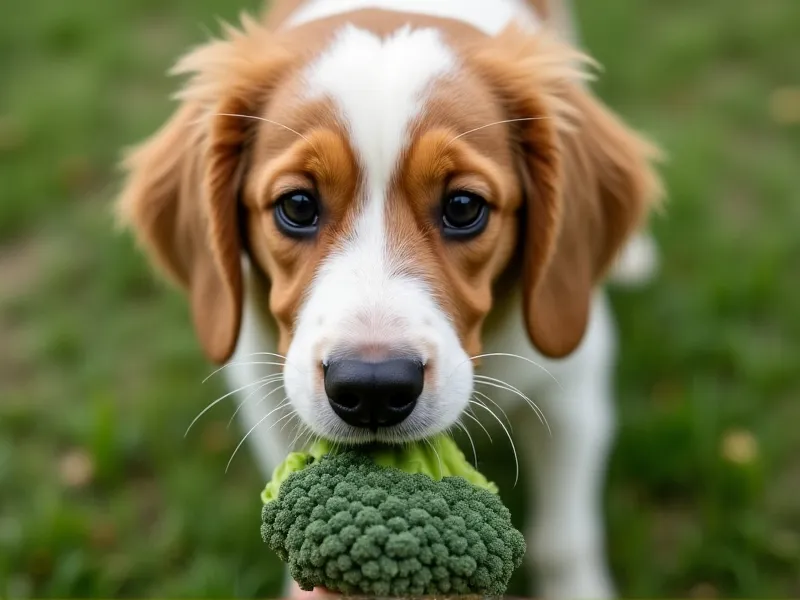
Table of Contents
- Can Dogs Eat Broccoli? The Short Answer
- Nutritional Benefits of Broccoli for Dogs
- Potential Risks of Feeding Broccoli to Dogs
- How Much Broccoli Can Dogs Safely Eat?
- Healthier Alternatives to Broccoli (If Needed)
- Frequently Asked Questions (FAQ)
- Conclusion
- References
Can Dogs Eat Broccoli? The Short Answer
Yes, dogs can eat broccoli—in moderation.
This vibrant green veggie is non-toxic to dogs and can even offer some health benefits when served correctly. However, like all human foods, it’s not a free-for-all. Too much broccoli can cause stomach upset, and improper preparation (think: large, uncut florets) could pose choking risks.
The key here is balance. Broccoli should never replace your dog’s regular, balanced diet—but as an occasional treat, it can be a crunchy, nutrient-rich addition to their day.
Nutritional Benefits of Broccoli for Dogs
Broccoli isn’t just a “diet food” for humans—it’s a nutritional powerhouse that can benefit your pup, too! Let’s break down its top nutrients and why they matter for dogs:
1. Vitamins A, C, and K: Immune & Bone Support
- Vitamin A: Essential for healthy vision, skin, and coat. It also supports cell growth and immune function—critical for puppies and senior dogs alike.
- Vitamin C: While dogs produce some vitamin C on their own, extra can help boost their immune system, especially during stress or illness. It’s also an antioxidant, fighting free radicals that damage cells.
- Vitamin K: Vital for blood clotting (helping wounds heal) and bone health. A deficiency can lead to weak bones or excessive bleeding, so this nutrient is a must!
2. Fiber: Gut Health Champion
Broccoli is rich in dietary fiber, which helps keep your dog’s digestive system running smoothly. Fiber adds bulk to stool, preventing constipation, and feeds beneficial gut bacteria—supporting overall gut health. For dogs prone to occasional diarrhea, small amounts of fiber can also help firm things up (in moderation, of course!).
3. Potassium: Heart & Muscle Function
Potassium is an electrolyte that regulates fluid balance, muscle contractions, and heart rhythm. It works with sodium to keep cells healthy and is especially important for active dogs or those with heart conditions (always check with your vet first if your dog has health issues!).
4. Low Calories, High Nutrients
At just 34 calories per cup (chopped, raw), broccoli is a low-calorie treat—perfect for dogs watching their weight. Unlike high-fat snacks (looking at you, cheese!), broccoli lets you spoil your pup without packing on the pounds.
Potential Risks of Feeding Broccoli to Dogs
While broccoli has perks, it’s not without risks. Here’s what to watch out for:
1. Choking Hazard
Broccoli florets are small and round, which can be a choking risk—especially for small dogs or “scarfers” who gulp food without chewing. Even larger dogs can struggle if given whole florets. Always chop broccoli into tiny, bite-sized pieces (about the size of a pea for small breeds) to prevent this.
2. Stomach Upset (Gas, Diarrhea, or Vomiting)
Fiber is great, but too much fiber can backfire. If your dog eats a large amount of broccoli (or tries it for the first time), they may experience:
- Bloating or excessive gas (hello, stinky doggy farts!)
- Loose stool or diarrhea
- Vomiting (rare, but possible with overconsumption)
Start with tiny portions and introduce broccoli slowly to avoid upsetting their stomach.
3. Goitrogens: A Minor Concern (In Moderation)
Broccoli belongs to the cruciferous family (along with kale, cauliflower, and Brussels sprouts), which contains compounds called goitrogens. In very large quantities, goitrogens can interfere with thyroid function by blocking iodine absorption.
But here’s the good news: this is only a risk if your dog eats massive amounts of broccoli daily. Most dogs would need to consume several cups of broccoli to face thyroid issues—and since broccoli should only be a tiny part of their diet, this is highly unlikely for the average pet.
4. Seasonings & Additives
Plain broccoli is safe, but seasoned broccoli is not. Avoid sharing broccoli cooked with salt, butter, garlic, onion, or spices—these can be toxic to dogs (garlic and onion, for example, can cause anemia). Always serve broccoli raw or steamed, plain and unseasoned.
How Much Broccoli Can Dogs Safely Eat?
The golden rule for all treats: they should make up no more than 10% of your dog’s daily calories. The other 90% should come from a balanced, high-quality dog food.
To put this into practice, here’s a general guideline based on your dog’s size:
| Dog Size | Daily Broccoli Limit (Chopped Florets) |
|---|---|
| Small (5-10 lbs) | 1-2 tiny florets (size of a thumbnail) |
| Medium (30-50 lbs) | 3-4 florets (size of a quarter) |
| Large (60+ lbs) | 5-6 florets (size of a golf ball) |
Pro tip: Start with half the recommended amount the first time. Monitor your dog for 24 hours—if they have gas, diarrhea, or seem uncomfortable, stick to smaller portions or skip broccoli altogether.
And remember: Broccoli is a treat, not a meal. Never replace kibble or wet food with broccoli—your dog needs the balanced nutrients in their regular diet to thrive.
Healthier Alternatives to Broccoli (If Needed)
Not all dogs love broccoli (some turn up their noses at the bitter taste!), and that’s okay. Here are some dog-safe veggies that offer similar benefits (or even more!):
1. Carrots
- Why it’s great: Crunchy, low-calorie, and packed with vitamin A (supports vision and skin). Chewing raw carrots also helps clean teeth!
- How to serve: Slice into sticks or steam for softer texture (good for senior dogs).
2. Green Beans
- Why it’s great: High in fiber and vitamins (A, C, K), and extremely low in calories—perfect for weight loss or diabetic dogs.
- How to serve: Raw (chopped) or steamed, no salt.
3. Sweet Potatoes
- Why it’s great: Rich in beta-carotene (vitamin A), fiber, and antioxidants. Supports eye health and gut function.
- How to serve: Baked, mashed, or dehydrated into chewy treats (no added sugar or butter!).
4. Pumpkin (Plain, Canned)
- Why it’s great: Loaded with fiber and beta-carotene. Soothes upset tummies and helps with both constipation and diarrhea.
- How to serve: 1-2 tablespoons (depending on size) mixed into food. Avoid pie filling (it has sugar and spices!).
5. Zucchini
- Why it’s great: Hydrating, low-calorie, and full of vitamins A and C. Crunchy raw or soft when cooked.
- How to serve: Sliced into rounds or sticks—great for hot days!
Frequently Asked Questions (FAQ)
Q: Can dogs eat broccoli stems?
A: Yes! Broccoli stems are safe, but they’re tougher than florets. Chop them into small, bite-sized pieces to avoid choking, especially for small dogs. Some dogs even prefer the stems—they’re less bitter!
Q: Is cooked or raw broccoli better for dogs?
A: Both are safe, but cooked broccoli (steamed or boiled, no salt) may be easier to digest for dogs with sensitive stomachs. Raw broccoli is fine if chopped small, but avoid serving it whole.
Q: Can puppies eat broccoli?
A: Yes, but in very small amounts. Puppies have delicate tummies, so start with 1-2 tiny pieces (about the size of a grain of rice for toy breeds) and monitor for upset.
Q: My dog ate a whole bowl of broccoli! What should I do?
A: Don’t panic! If your dog snuck a large amount, they may have gas, diarrhea, or vomiting. Offer plenty of water and rest. If symptoms last more than 24 hours, or if your dog seems lethargic, contact your vet.
Q: Can broccoli help my dog lose weight?
A: Yes! Since it’s low-calorie and high in fiber, small amounts of broccoli can replace high-fat treats (like biscuits) to help your dog feel full without extra calories. Always check with your vet before starting a weight loss plan.
Conclusion
So, can dogs eat broccoli? Absolutely—as long as you serve it safely and in moderation. This crunchy veggie is a great source of vitamins, fiber, and potassium, making it a healthy alternative to processed treats.
Remember:
- Chop broccoli into tiny pieces to avoid choking.
- Stick to the 10% rule (treats = ≤10% of daily calories).
- Avoid seasoning, butter, or salt.
- Introduce slowly to prevent stomach upset.
Every dog is different—some may love broccoli, others may turn up their nose. If you’re unsure, or if your dog has health issues (like thyroid problems or IBS), check with your vet first.
At the end of the day, the goal is to keep your fur baby happy and healthy. And if sharing a tiny broccoli floret brings them joy? That’s a win-win. Happy snacking!
References
- American Society for the Prevention of Cruelty to Animals (ASPCA). “People Foods to Avoid Feeding Your Pets.” aspca.org
- American Kennel Club (AKC). “Can Dogs Eat Broccoli?” akc.org
- VCA Hospitals. “Safe Human Foods for Dogs.” vcahospitals.com
- PetMD. “Can Dogs Eat Broccoli? Benefits & Risks.” petmd.com