· 9 min read
Can Dogs Eat Broccoli Stems? A Pet Parent’s Guide to Safety & Nutrition
Picture this: You’re chopping broccoli for tonight’s stir-fry, and your dog trots over, tail thumping, nose twitching at the fresh, earthy scent. As you snap off the vibrant green florets for your plate, you pause, eyeing the thick, fibrous stem. “Can I share this with them?” you wonder. Broccoli is a superfood for humans—packed with vitamins, fiber, and antioxidants—but is the stem safe for your pup?
If you’ve ever asked, “Can dogs eat broccoli stems?” you’re not alone. Pet parents are always on the hunt for healthy, low-calorie treats to spoil their fur babies, and veggies like broccoli often top the list. But before you toss that stem to your eager pup, it’s crucial to separate fact from fiction. Are broccoli stems a nutritious snack or a hidden hazard? Let’s dive in.
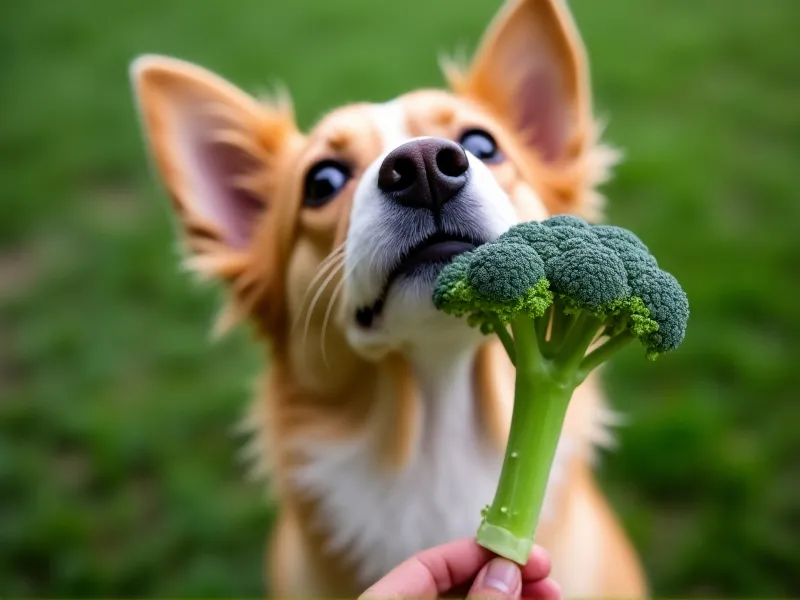
Table of Contents
- Can Dogs Eat Broccoli Stems? The Short Answer
- Nutritional Benefits of Broccoli Stems for Dogs
- Potential Risks of Feeding Broccoli Stems to Dogs
- How Much Broccoli Stem Can Dogs Safely Eat? Guidelines by Size
- Preparing Broccoli Stems for Dogs: Tips for Safety
- Healthier Alternatives to Broccoli Stems
- FAQ: Common Questions About Dogs and Broccoli Stems
- Conclusion: Moderation is Key
Can Dogs Eat Broccoli Stems? The Short Answer
Yes, dogs can eat broccoli stems—but with important caveats. When prepared safely (think: washed, chopped into small pieces) and given in moderation, broccoli stems can be a healthy, low-calorie treat for most dogs. They’re packed with fiber, vitamins, and minerals that support digestion and overall wellness. However, uncut stems pose a choking risk, and overfeeding can lead to stomach upset. As with any new food, it’s best to start small and monitor your dog for reactions.
Nutritional Benefits of Broccoli Stems for Dogs
Broccoli stems aren’t just “scraps”—they’re nutritional powerhouses! Here’s why they might make a great addition to your dog’s treat rotation (in moderation, of course):
1. Fiber: A Digestive Superhero
Broccoli stems are rich in dietary fiber, which helps keep your dog’s digestive system running smoothly. Fiber adds bulk to stool, preventing constipation, and supports healthy gut bacteria. For dogs prone to diarrhea, small amounts of fiber can also help firm up stool. Just be careful not to overdo it—too much fiber can lead to gas or loose stools (more on that later!).
2. Vitamins & Minerals: Boosting Immunity and More
Broccoli stems are loaded with essential nutrients, including:
- Vitamin C: An antioxidant that supports immune health and collagen production (great for skin and joints).
- Vitamin K: Critical for blood clotting and bone health.
- Potassium: Regulates heart function and muscle contractions.
- Folate: Important for cell repair and red blood cell production.
These nutrients work together to keep your dog’s immune system strong, bones healthy, and energy levels steady.
3. Low-Calorie, Low-Fat: Perfect for Weight Management
If your dog needs to shed a few pounds (or you just want to avoid empty calories), broccoli stems are a smart choice. They’re low in calories (about 34 calories per cup, raw) and fat-free, making them a guilt-free alternative to high-calorie treats like biscuits or cheese. For overweight dogs, swapping even a few treats for broccoli stems can add up to big health benefits over time.
Potential Risks of Feeding Broccoli Stems to Dogs
While broccoli stems have perks, they’re not without risks. Here’s what to watch out for:
1. Choking Hazard: The #1 Concern
Broccoli stems are thick, fibrous, and cylindrical—the perfect shape to get stuck in a dog’s throat. This is especially dangerous for small dogs or dogs who gulp their food without chewing. Even medium or large dogs can choke if given a stem that’s too big. Always cut stems into small, bite-sized pieces (no longer than ½ inch for small breeds, 1 inch for larger dogs) to minimize this risk.
2. Stomach Upset: Too Much Fiber = Digestive Trouble
While fiber is good for digestion, excess fiber can backfire. Feeding your dog too many broccoli stems (or introducing them too quickly) can lead to:
- Gas
- Bloating
- Diarrhea
- Stomach cramps
Dogs with sensitive stomachs are especially prone to these issues. Start with a tiny piece (the size of a pea for small dogs) and gradually increase over time, if tolerated.
3. Goitrogens: A Minor Concern (In Small Amounts)
Broccoli belongs to the cruciferous vegetable family, which contains goitrogens—compounds that can interfere with thyroid function in large quantities by blocking iodine absorption. However, this is only a risk if your dog eats massive amounts of broccoli (think: multiple cups daily). For occasional treats, the goitrogen content in broccoli stems is negligible and unlikely to harm healthy dogs. If your dog has a pre-existing thyroid condition, check with your vet first.
How Much Broccoli Stem Can Dogs Safely Eat? Guidelines by Size
The golden rule for dog treats: They should make up no more than 10% of your dog’s daily calories. Here’s how that translates to broccoli stems, based on your dog’s size:
| Dog Size | Weight Range | Recommended Serving (Per Week) | Example |
|---|---|---|---|
| Small Dogs | 5–20 lbs | 1–2 small pieces (½ inch or smaller) | About the size of a blueberry |
| Medium Dogs | 20–50 lbs | 2–3 pieces (1 inch or smaller) | About the size of a grape |
| Large Dogs | 50+ lbs | 3–4 pieces (1–1.5 inches) | About the size of a cherry tomato |
Pro tip: If you’re unsure how many calories your dog needs daily, ask your vet. For reference, a 30-lb dog typically needs 600–900 calories per day, so their broccoli stem “allowance” would be 60–90 calories max (which is a lot of broccoli—so a few small pieces go a long way!).
Preparing Broccoli Stems for Dogs: Tips for Safety
To keep your dog safe and maximize nutrition, follow these prep steps:
1. Wash Thoroughly
Always rinse broccoli stems under cold water to remove dirt, pesticides, or bacteria. If possible, choose organic broccoli to minimize chemical exposure.
2. Cut Properly to Avoid Choking
This is non-negotiable! Slice the stem into small, bite-sized pieces—no longer than ½ inch for small dogs, 1 inch for larger breeds. Avoid giving whole or half-stems, even to big dogs—they can still get lodged in the throat.
3. Cooked vs. Raw: Which is Better?
Both raw and cooked broccoli stems are safe, but there are pros and cons to each:
- Raw: Crunchy and full of enzymes that aid digestion. Best for dogs who love to chew (but only if cut small!).
- Cooked (steamed or boiled): Softer and easier to digest, making them gentler on sensitive stomachs. Avoid adding salt, butter, garlic, or oil—these can upset your dog’s stomach or even be toxic (garlic is harmful to dogs!).
Avoid: Fried, seasoned, or pickled broccoli stems. These are high in sodium and unhealthy additives.
Healthier Alternatives to Broccoli Stems
If broccoli stems aren’t right for your dog (e.g., they’re prone to choking or have a sensitive stomach), try these safer, nutrient-dense veggies instead:
1. Carrots
Carrots are a classic dog favorite! They’re crunchy, low in calories, and packed with beta-carotene (which converts to vitamin A, great for eye health). They’re also less fibrous than broccoli stems, so they’re gentler on tummies. Cut into ½-inch rounds for small dogs or sticks for larger breeds.
2. Green Beans
Steamed green beans are a low-calorie, high-fiber alternative. They’re soft enough to avoid choking risks (when cut) and make a satisfying crunch. Plus, they’re rich in vitamins A, C, and K.
3. Cucumber
Cucumber is 96% water, making it a hydrating treat for hot days! It’s low in calories, sugar, and fiber—perfect for dogs with sensitive stomachs. Just remove the seeds (they’re not toxic, but can cause gas) and slice into small pieces.
4. Sweet Potato (Cooked)
Cooked sweet potato is a fiber-rich, vitamin-packed option. It’s soft, easy to chew, and loaded with beta-carotene and potassium. Avoid raw sweet potato, which is hard to digest.
FAQ: Common Questions About Dogs and Broccoli Stems
Q: Can puppies eat broccoli stems?
A: Puppies can try small amounts of broccoli stem as an occasional treat, but their digestive systems are more sensitive. Start with a piece no bigger than a pea (for small breeds) and monitor for gas or diarrhea. Always ask your vet before introducing new foods to puppies under 6 months old.
Q: My dog ate a whole, uncut broccoli stem! What should I do?
A: If your dog swallowed a large, uncut stem, contact your vet immediately. A whole stem could cause choking, gagging, or an intestinal blockage (especially in small dogs). Watch for signs like difficulty breathing, vomiting, loss of appetite, or lethargy—these require emergency care.
Q: Are broccoli florets safer than stems?
A: Broccoli florets are softer than stems, which may reduce choking risk (if cut). However, florets contain isothiocyanates—compounds that can irritate some dogs’ stomachs in large amounts. Stems have fewer isothiocyanates, making them gentler for sensitive pups. Both are safe in moderation—just chop into small pieces!
Q: Can dogs with kidney disease eat broccoli stems?
A: Broccoli stems are high in potassium, which can be problematic for dogs with kidney disease (damaged kidneys can’t filter excess potassium). If your dog has kidney issues, skip the stems and ask your vet for low-potassium treat options (like apples, minus the seeds).
Q: Is it okay to feed my dog broccoli stems every day?
A: While broccoli stems are healthy, they shouldn’t replace your dog’s balanced kibble or wet food. Aim for 1–2 times per week at most, and stick to the serving guidelines for your dog’s size. Variety is key for a balanced diet!
Conclusion: Moderation is Key
So, can dogs eat broccoli stems? Yes—they’re a nutritious, low-calorie treat when prepared safely and given in moderation. They offer fiber, vitamins, and minerals that support your dog’s health, but they’re not without risks (choking, stomach upset). Always cut stems into small pieces, avoid seasoning, and start with tiny portions.
As with any new food, if your dog has health conditions (like thyroid issues, kidney disease, or sensitive digestion), check with your vet first. And remember: The best treats are ones that make your dog happy and healthy.
Here’s to many tail wags (and crunchy, safe snacks!) ahead. 🐾
Sources:
- American Kennel Club (AKC). “Can Dogs Eat Broccoli?” akc.org
- ASPCA. “Toxic and Non-Toxic Plants: Broccoli.” aspca.org
- PetMD. “Can Dogs Eat Broccoli? Benefits & Risks.” petmd.com
- Tufts University Cummings School of Veterinary Medicine. “Feeding Your Dog Vegetables: What’s Safe and What’s Not.” tuftscvm.org